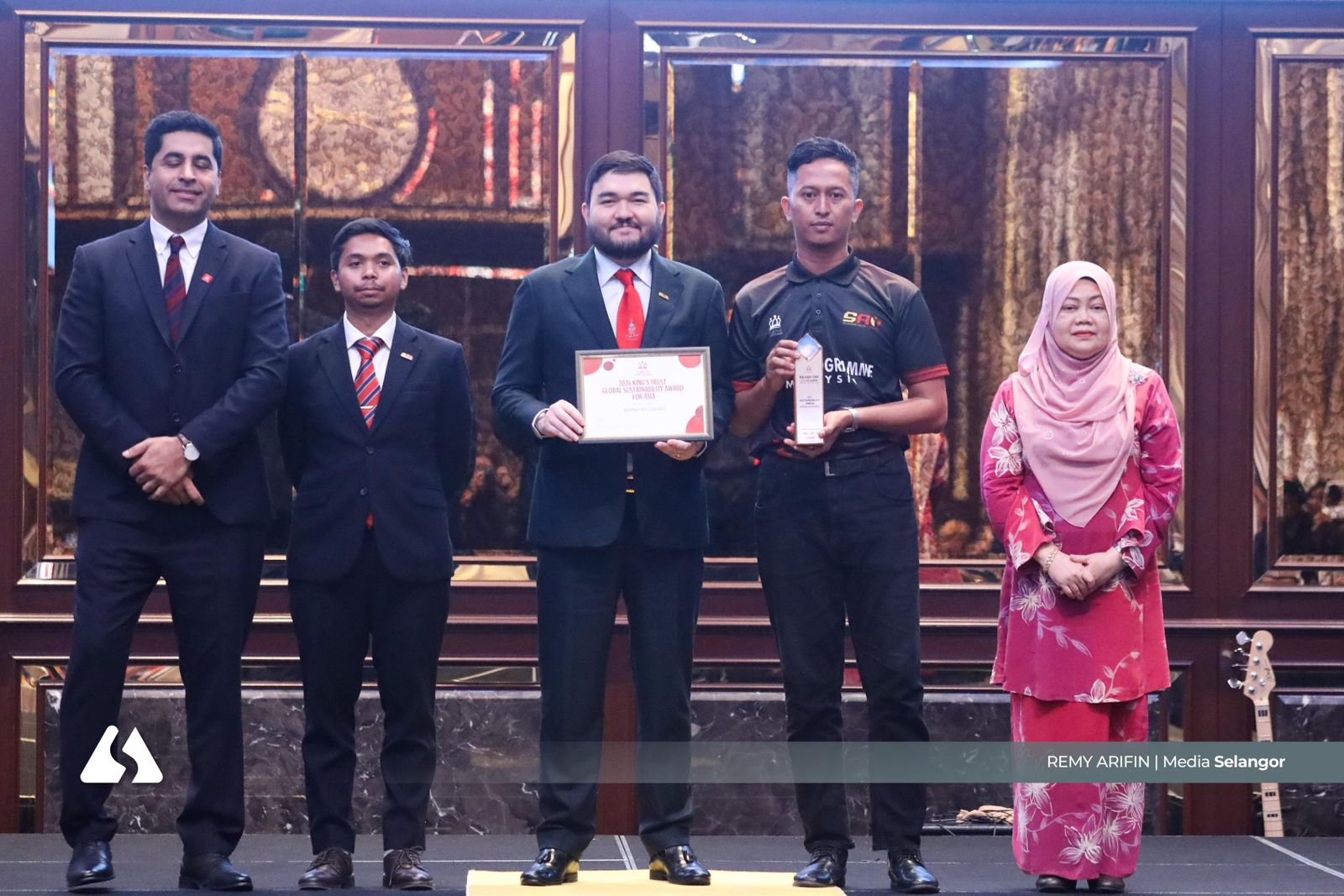

PETALING JAYA, Oct 1 — From struggling with drug addiction from the age of 15 to developing sustainable farming skills, 30-year-old Bukhari Zulkifeli is rebuilding his life while contributing to his rehabilitation centre and the community.
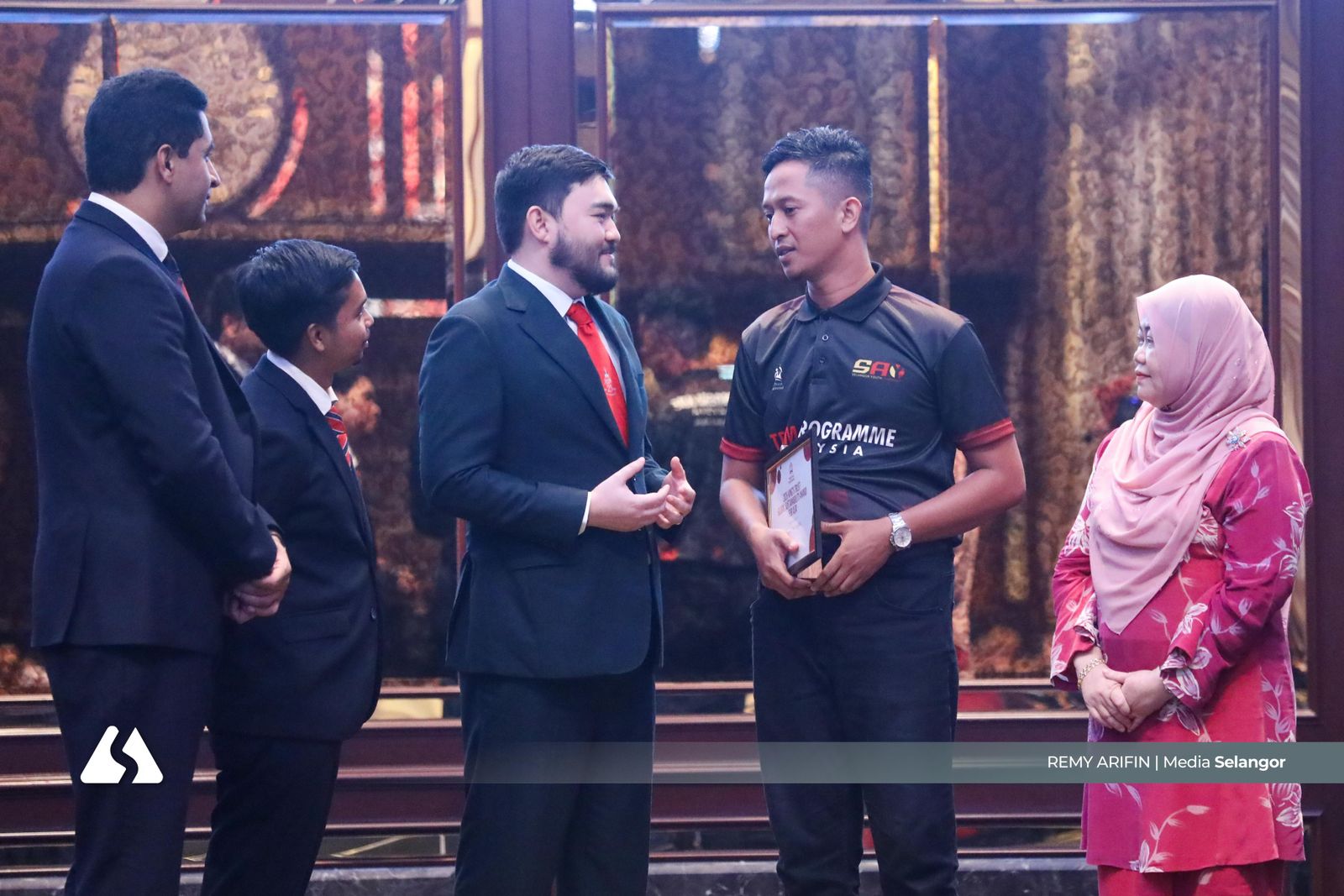
The youth, who went through recovery at Rumah Sahabat Hulu Langat, was the recipient of The King’s Trust International (KTI) Sustainability Award during the Selangor Youth Community (SAY) TEAM Award Day 2026 yesterday for his work in sustainable farming.
Bukhari applies composting and permaculture to support the rehabilitation centre and surrounding community.
He put skills gained through SAY’s TEAM Programme — an intensive nine-week personal and professional development initiative to empower at-risk Malaysian youths and help them reintegrate into society — into practice.
“Through the programme, I learned a lot from skills workshops. There were many things I had not known or experienced before, and I got to meet new people.
“When there was interaction with people around me, I gained many solutions and learned things that I did not know before. Through sharing, I was able to learn, and that became part of my learning process,” he told Media Selangor after the awards ceremony.

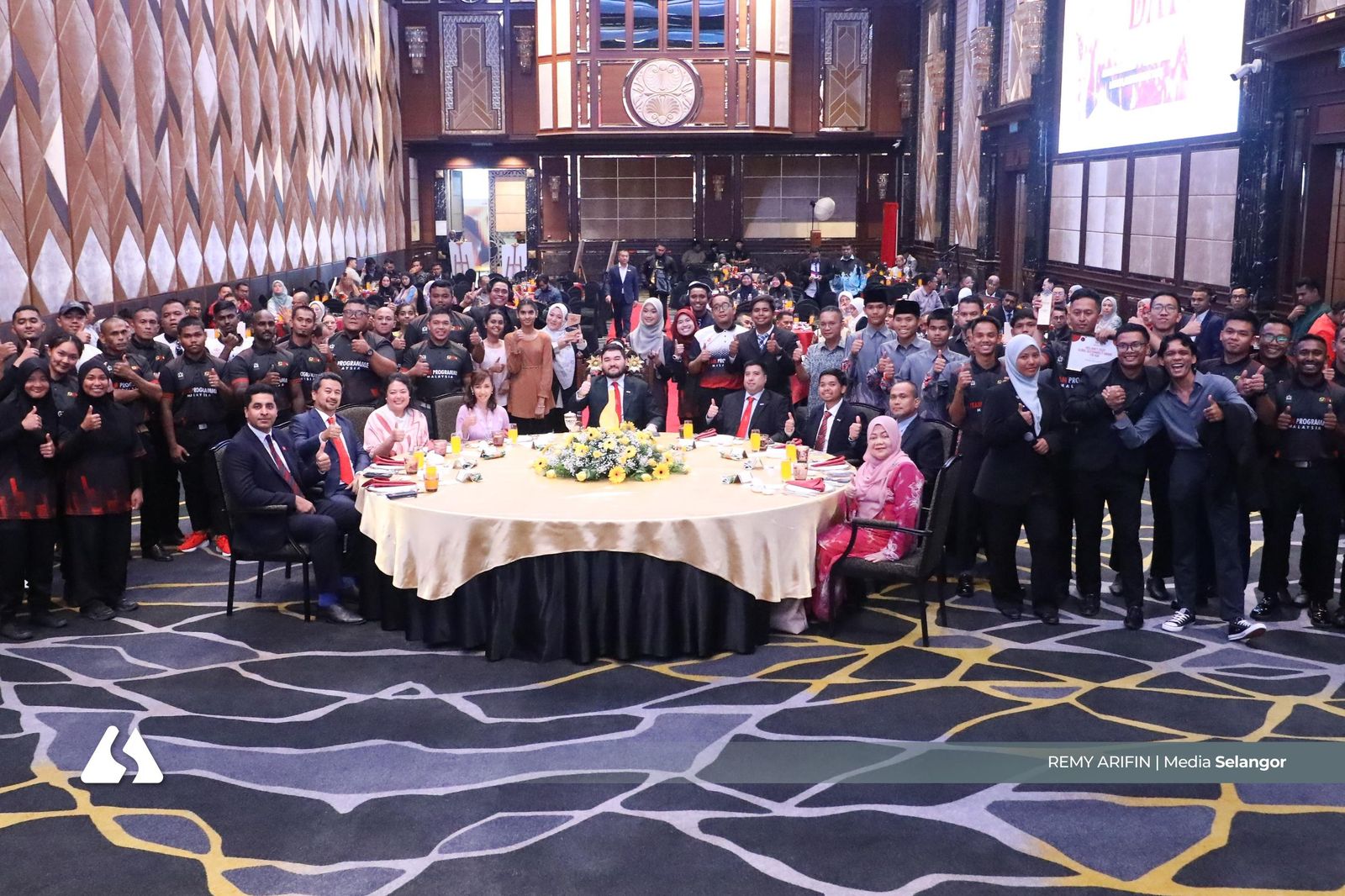
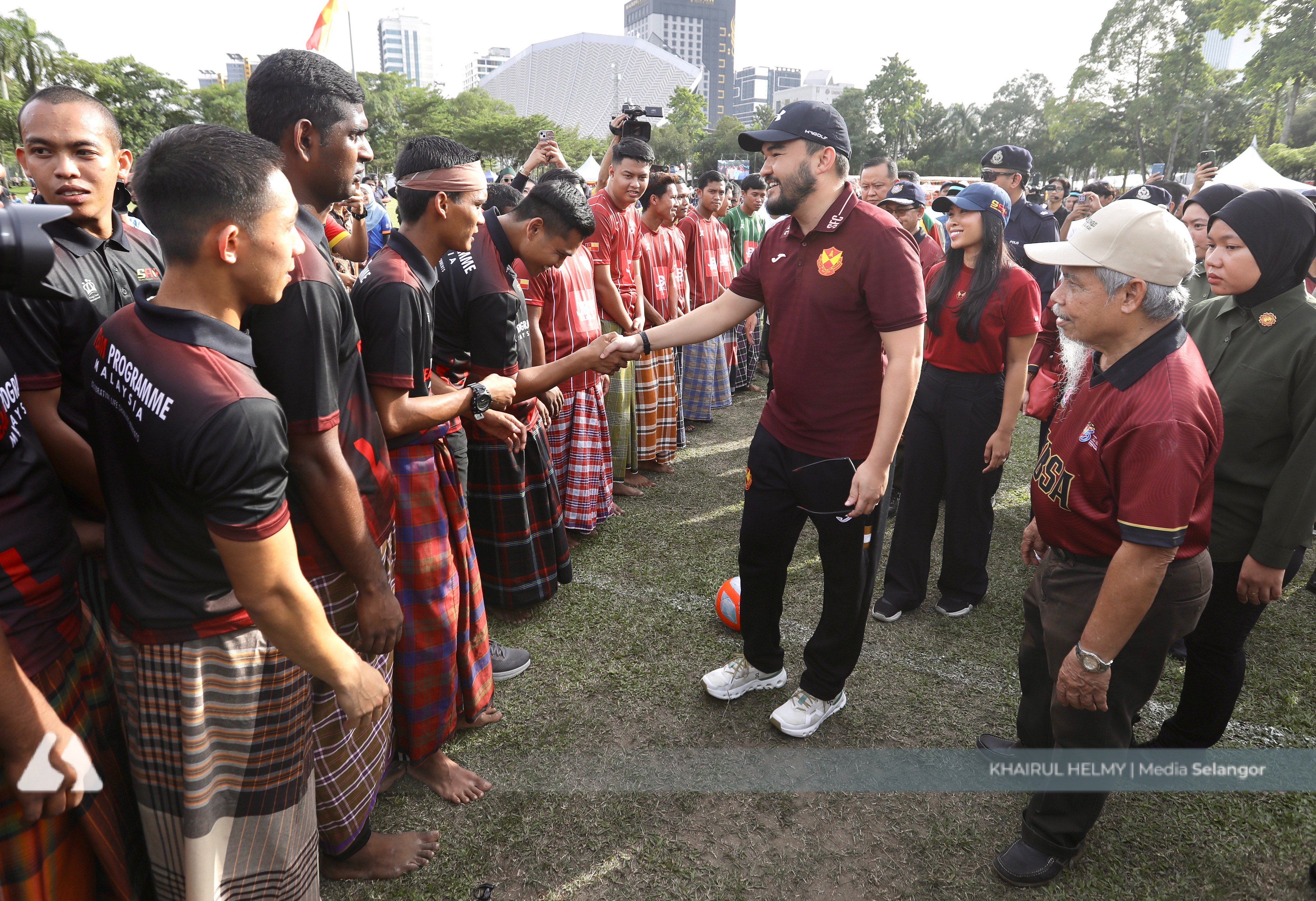
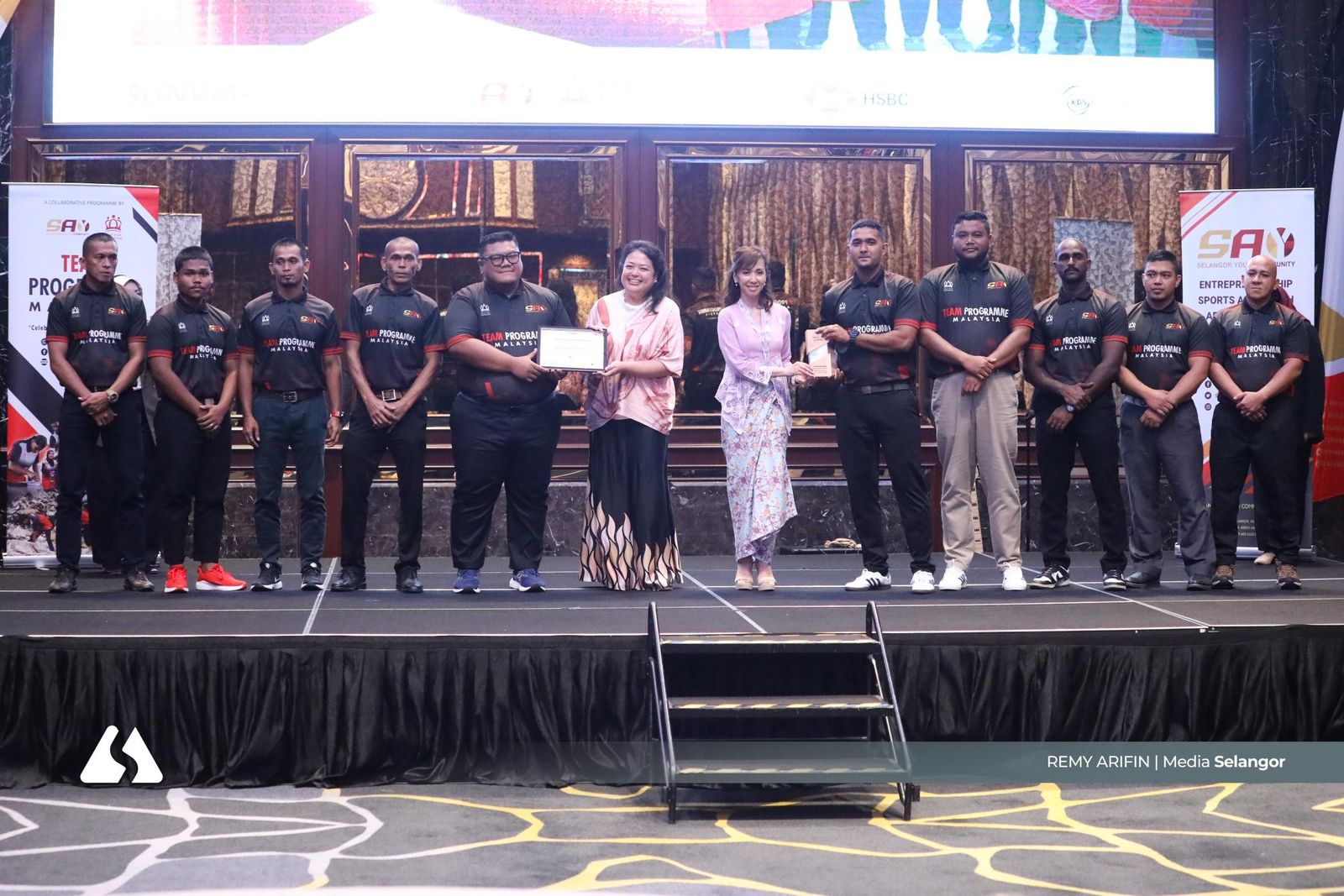
The event was held to celebrate those who participated in the TEAM Programme, an initiative in partnership with KTI.
Today, Bukhari also helps his elderly mother manage their household, including sending his younger siblings to work.
He added that the TEAM Programme should be continued and expanded to communities that have yet to experience it.
“In my view, after going through the programme organised by the state, I believe this should continue in more communities.”

Meanwhile, SAY TEAM Perseverance Award recipient Nor Mazlina Maulat Mazlan said that support is among the most important factors in helping recovery persons rebuild their lives.
“I think the biggest impact is the support. For a recovery person, the thing that can have an impact on ourselves is support,” she said.
Mazlina was awarded for her perseverance in beating her addiction, as well as her continuous efforts in helping those currently in the same circumstances.
She noted that the TEAM Programme’s facilitators provided a trusted support system that allowed her to discuss problems she faced during her recovery.
“All my facilitators were very supportive. Whenever there was a problem, they would say, ‘You can talk about it’. I felt that I needed people I could trust, and they were people I trusted,” Mazlina said,
She also emphasised the importance of a positive support circle, saying negative influences could affect recovery.
“I think when there are programmes like this, people can see that we are normal humans too, and it can help reduce their stigma,” Mazlina said.