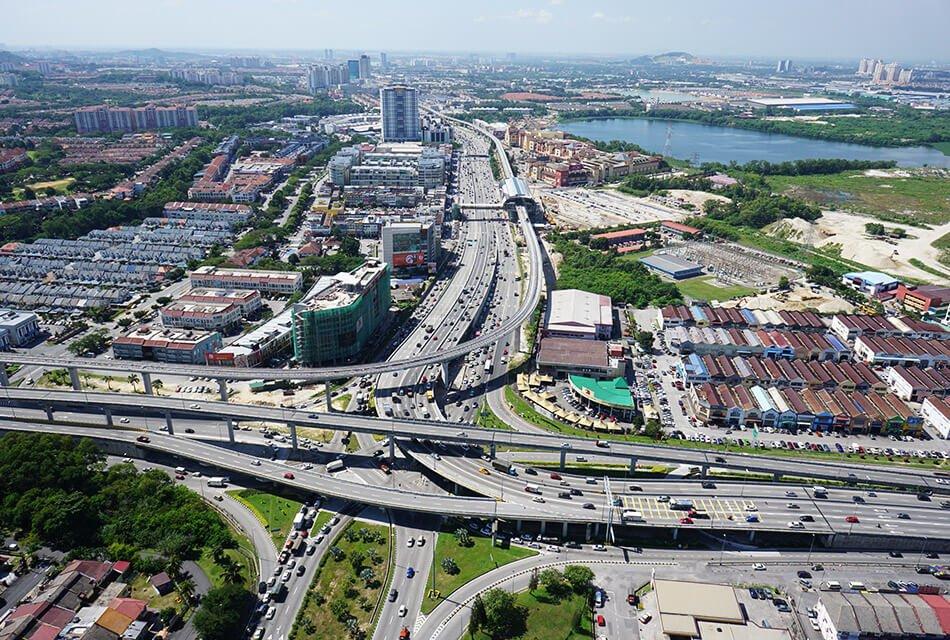

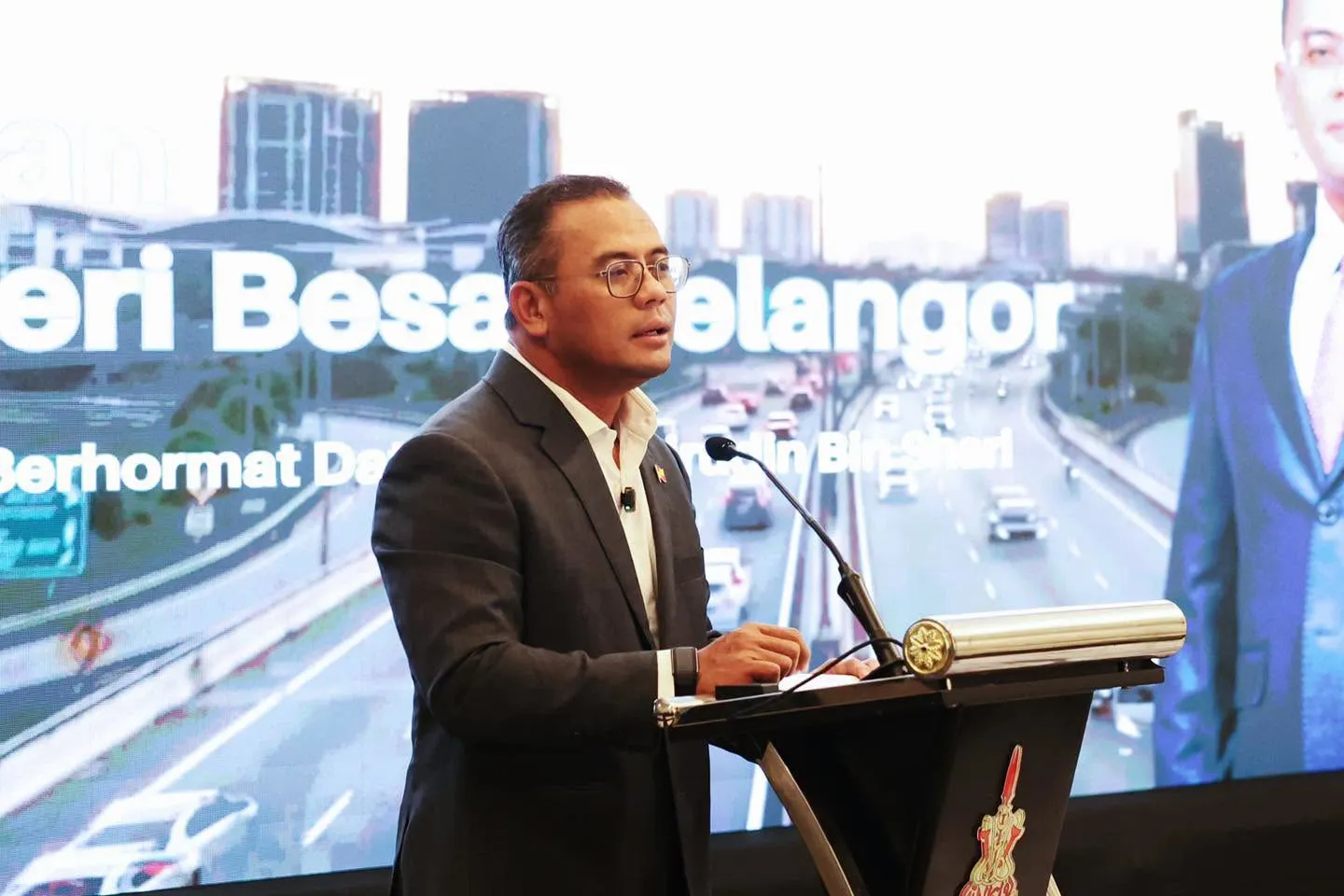
SHAH ALAM, Sept 30 — Selangor has sufficient raw water capacity to meet its needs for the next 50 years, said Menteri Besar Dato’ Seri Amirudin Shari, as the state prepares for further industrialisation and development.
The Star reported that he said Selangor has been progressively gazetting water bodies to safeguard its raw water reserves.
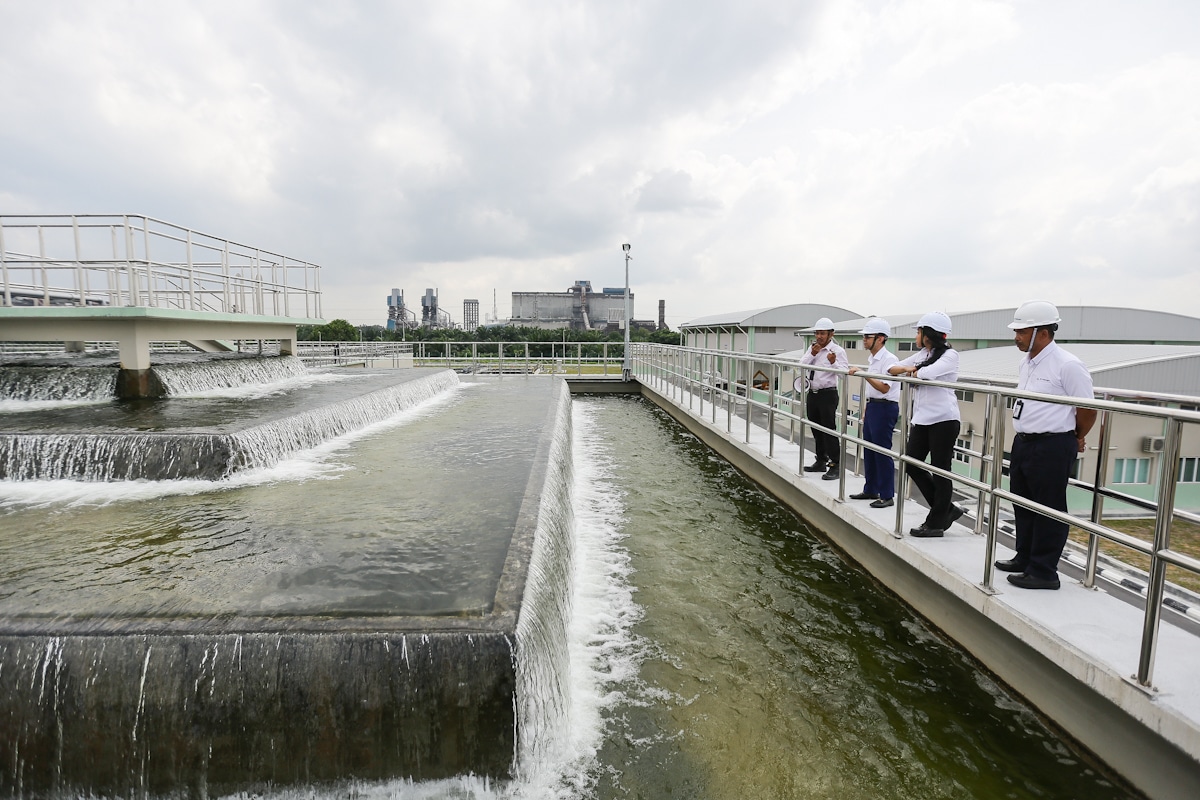
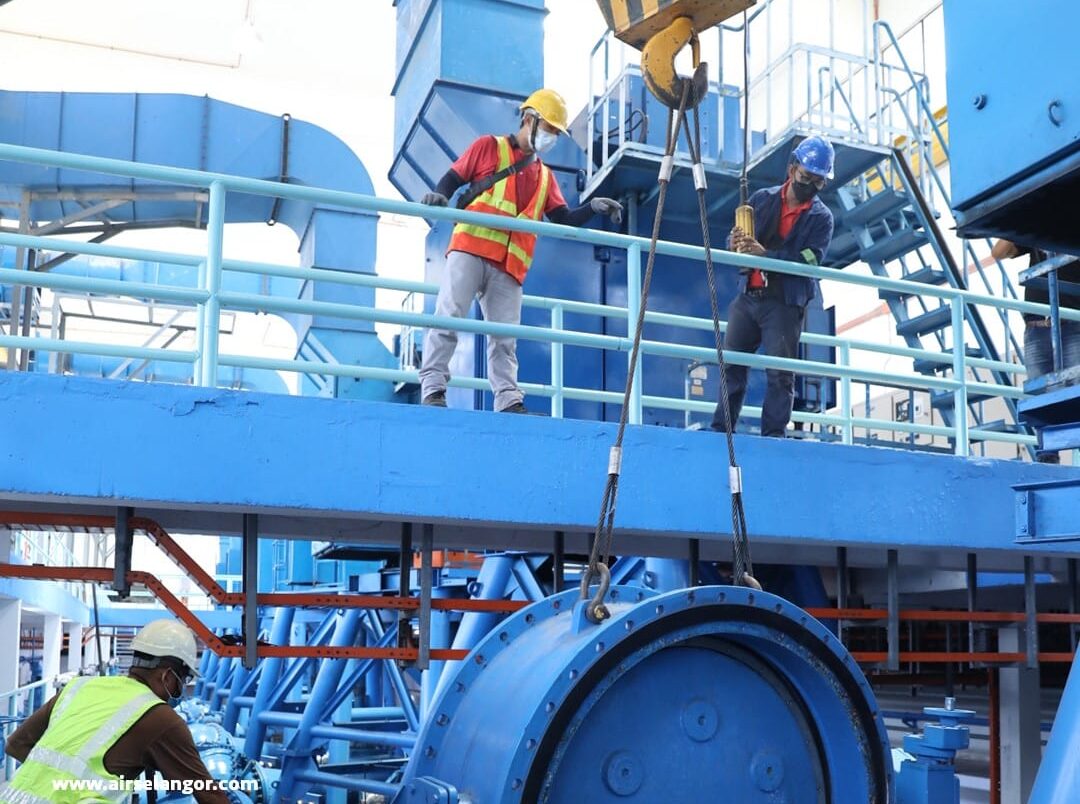
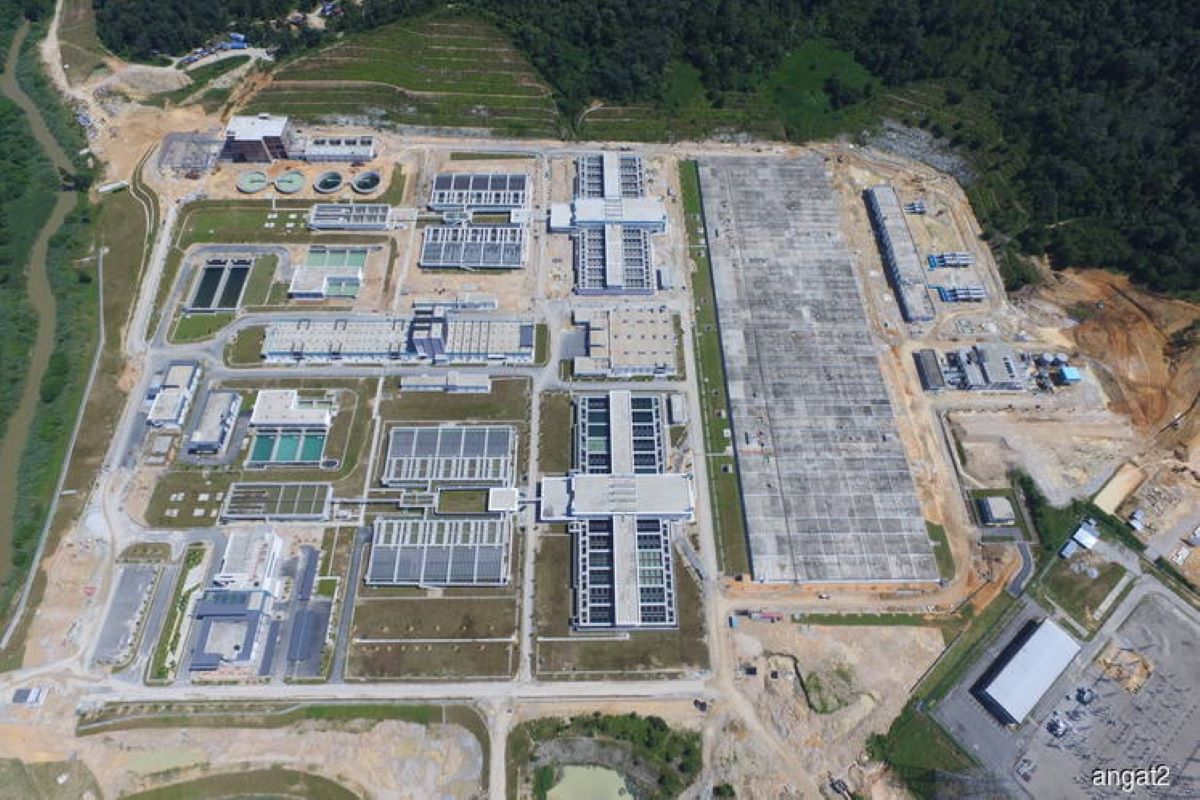
It is also expanding its water treatment capacity through projects including the Rasau Water Supply Scheme, and the Labohan Dagang Phase Two and Semenyih Phase Three water treatment plants (WTP), while discussions with Pahang on additional options are ongoing.
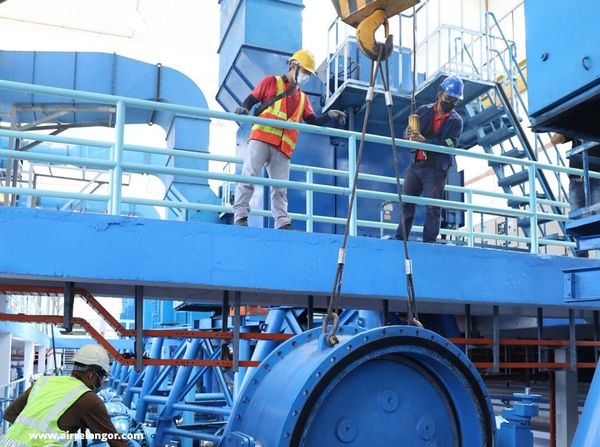
“At the same time, the capacity of the Ulu Bernam treatment plant can be increased when necessary,” Amirudin said in an interview.
The Labohan Dagang Phase Two WTP, which is scheduled for completion in 2029, is expected to add 200 million litres per day to the state’s treated water capacity.
“With all these measures, we are confident that our water reserve margin can reach more than 18 per cent by 2030, compared with around 15 per cent currently.
“Therefore, when people ask about data centres and similar developments, we are confident we can cope with the additional demand. But we will not allow every development indiscriminately,” he said.
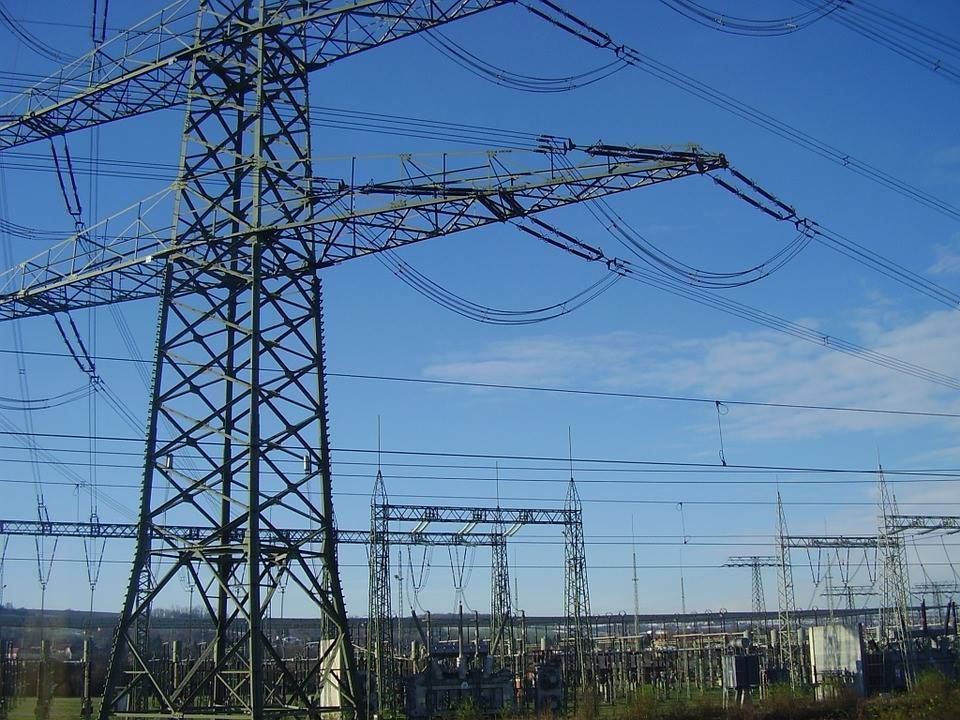
On electricity, Amirudin said Selangor remains largely dependent on Tenaga Nasional Bhd (TNB), as power supply is primarily a federal matter, although state-linked companies are also involved in power generation.
He noted that Selangor recently secured 2,000MW of large-scale solar capacity under the Large Scale Solar Five bidding round, with more than 300MW expected to be generated through solar farms and panels installed on identified water bodies and land.
“We are also exploring small-scale hydro projects. Some projects have experienced delays over the past two or three years, but the work is still progressing.
“However, power generation is only one part of the equation. All electricity generated ultimately has to go into the national grid, which is owned by TNB,” Amirudin said.
Selangor is expected to have enough power supply through 2030, supported by TNB, renewable energy initiatives, and federal support.
When asked about Selangor’s long-term energy strategy beyond 2030, the Menteri Besar said the state government is also exploring alternative energy sources, including nuclear power, as part of efforts to reduce reliance on fossil fuels.
Five students were recently sent to Harbin University in China to pursue nuclear related studies and develop expertise in the field.
“Our target is that within the next five years, we will begin preparations for nuclear power generation in Selangor.
“It is an alternative source of energy, although we have to address public perceptions and concerns arising from incidents such as Fukushima and Chernobyl,” he said.