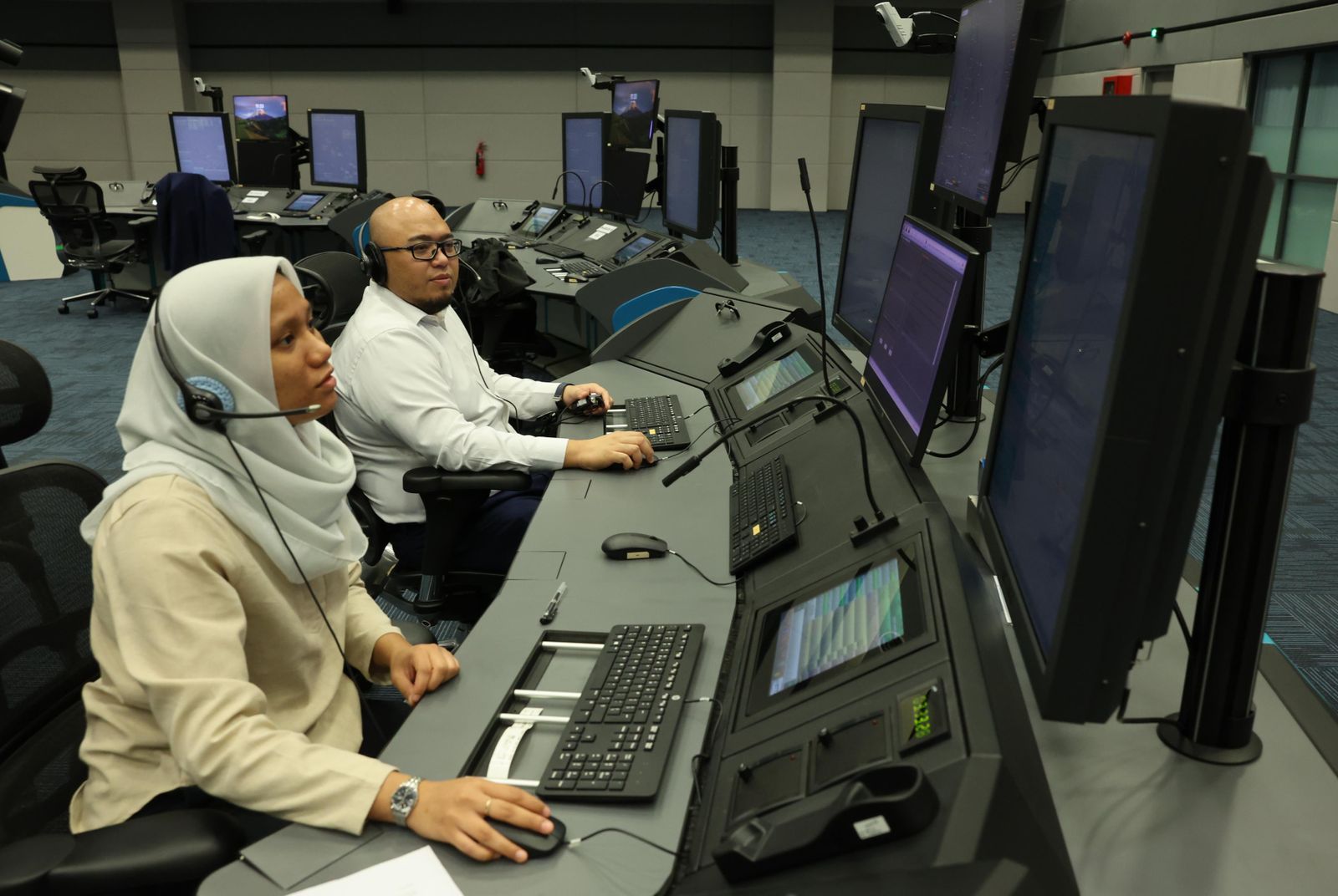


SEPANG, Sept 29 — Malaysia’s air traffic management capabilities are supported not only by investment in infrastructure and technology but also by the training of highly skilled personnel, said Civil Aviation Authority of Malaysia (CAAM) deputy chief executive officer for regulatory Mohd Radzi Mohd Alias @ Abd Majid.
CAAM’s aviation academy has trained air traffic controllers from 20 to 30 countries worldwide to date and is recognised by the International Civil Aviation Organisation as an approved training centre.
He added that Malaysian air traffic controllers are trained to meet international standards, playing a key part in ensuring the country’s air traffic management system operates safely and efficiently.
“Everyone you meet here at CAAM is highly trained to global standards. This is something we do not compromise on.
“We have also trained people from 20 to 30 countries to become air traffic controllers, not just from the region, but also from Africa and other parts of the world,” Radzi said during a media engagement session at the Kuala Lumpur Air Traffic Control Centre today.
Sustaining Malaysia’s air traffic management system requires long-term planning, coordination, and investment, including in people, capabilities and training.
He said these efforts must go hand in hand with continued investment in the infrastructure and technology needed to operate and maintain the system.
Meanwhile, Malaysian Press Institute president Datuk Yong Soo Heong said journalism plays an important role in maintaining public trust in aviation, especially when reporting on safety directives, new routes, and incidents.
He also urged local journalists to deepen their understanding of the aviation sector and work more closely with CAAM and industry players to provide greater context and clarity in their reporting.
“When a safety directive is issued, a new route is opened, an incident or accident occurs, the way journalists report it can either build trust or erode it,” Yong said.