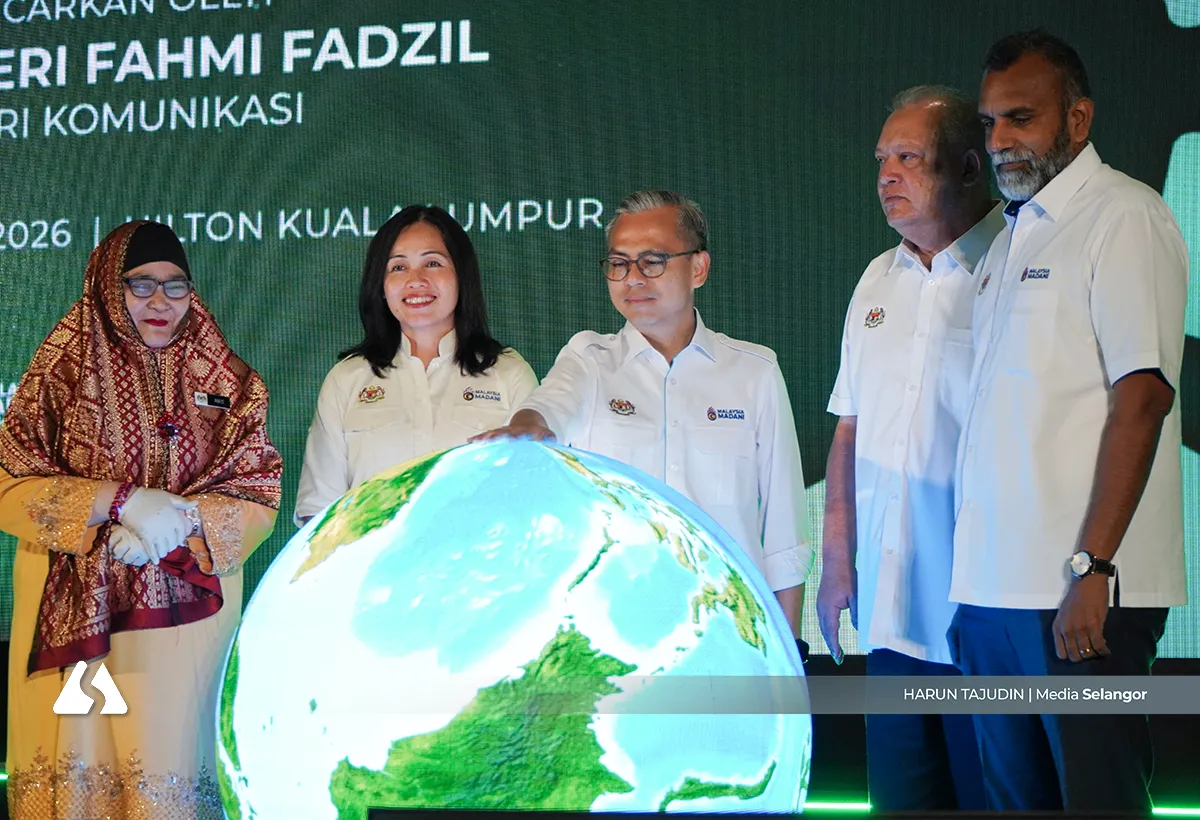
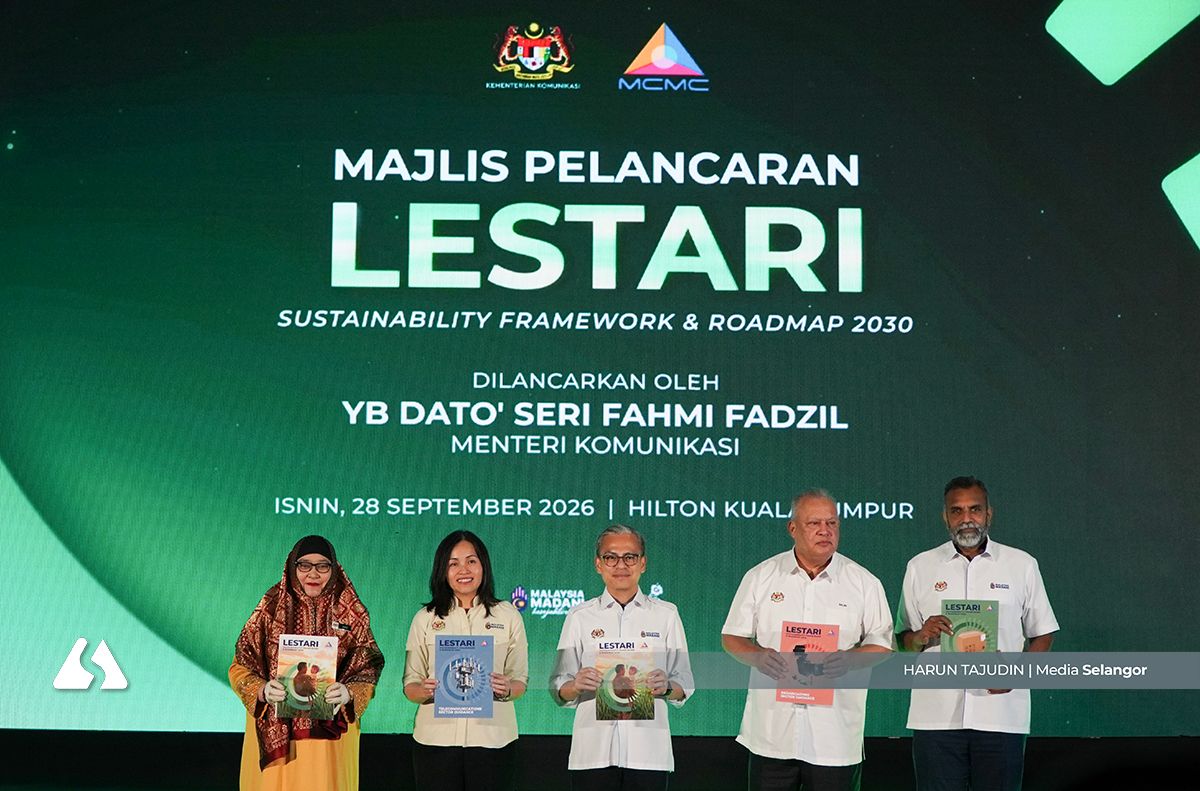
KUALA LUMPUR, Sept 28 — The Malaysian Communications and Multimedia Commission (MCMC) is inviting all industry players to share ideas or collaborate to realise LESTARI: Sustainability Framework and Roadmap 2030 (SFR2030).
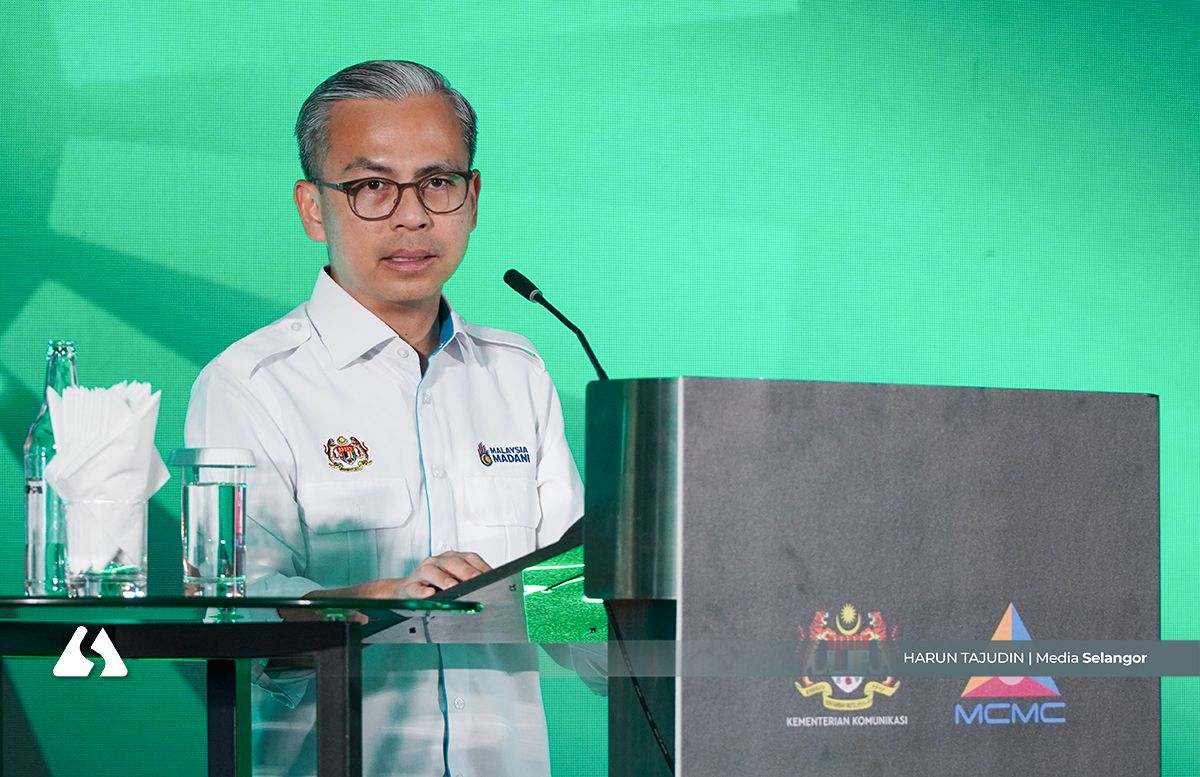
Communications Minister Datuk Seri Fahmi Fadzil said the roadmap is an initiative to drive actions capable of delivering tangible impacts for the people and the environment by 2030.
“So, I would like to open up several opportunities for the sectors and businesses involved. If you have suggestions on what we should achieve or ways to help accelerate the transition in line with the National Energy Transition Roadmap, let us work together.
“Let us work for this planet because it belongs to all of us. We need to ensure that as a country, we continue to grow while also taking care of the planet and one another,” he said in his speech during the SFR2030's launch at a hotel today.
Fahmi added that the MCMC is aware of public concerns, particularly regarding energy and water consumption in the development of data centres, which are currently expanding rapidly in several parts of the country.
Meanwhile, telecommunications towers developed in rural areas also use generator sets (gensets) that consume significant amounts of diesel.
“We may have around 60,000 towers nationwide. Can you imagine the amount of energy required to keep these 60,000 telecommunications facilities operational?
“So, we all need to think together about how we can structure the framework and introduce initiatives so that this regulatory sector can develop effectively,” he said.
Developed together with the industry through engagement sessions involving 116 participants from 47 organisations, LESTARI provides a shared direction to advance the sustainability agenda in a more structured and integrated manner based on three key pillars.
The three pillars are climate and environmental sustainability; social impact and inclusion; and technology and innovation.
By 2030, it aims to sustainably manage 15 million devices through reuse, upgrading, or replacement with more efficient technologies, as well as responsible recycling.
Besides environmental benefits through reducing e-waste and using resources more efficiently, the initiative is also expected to benefit five million people through various social impact programmes implemented by MCMC together with industry players.