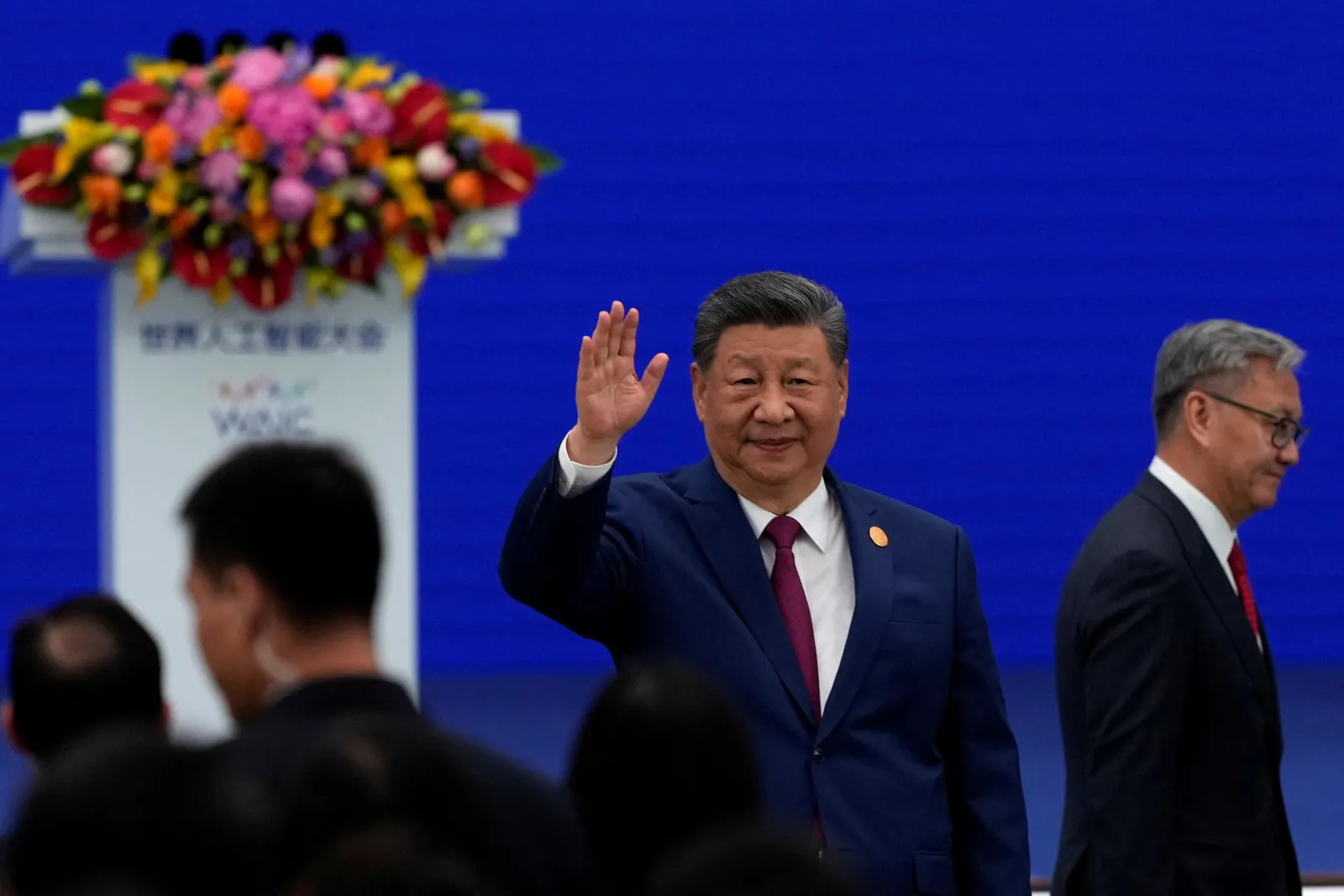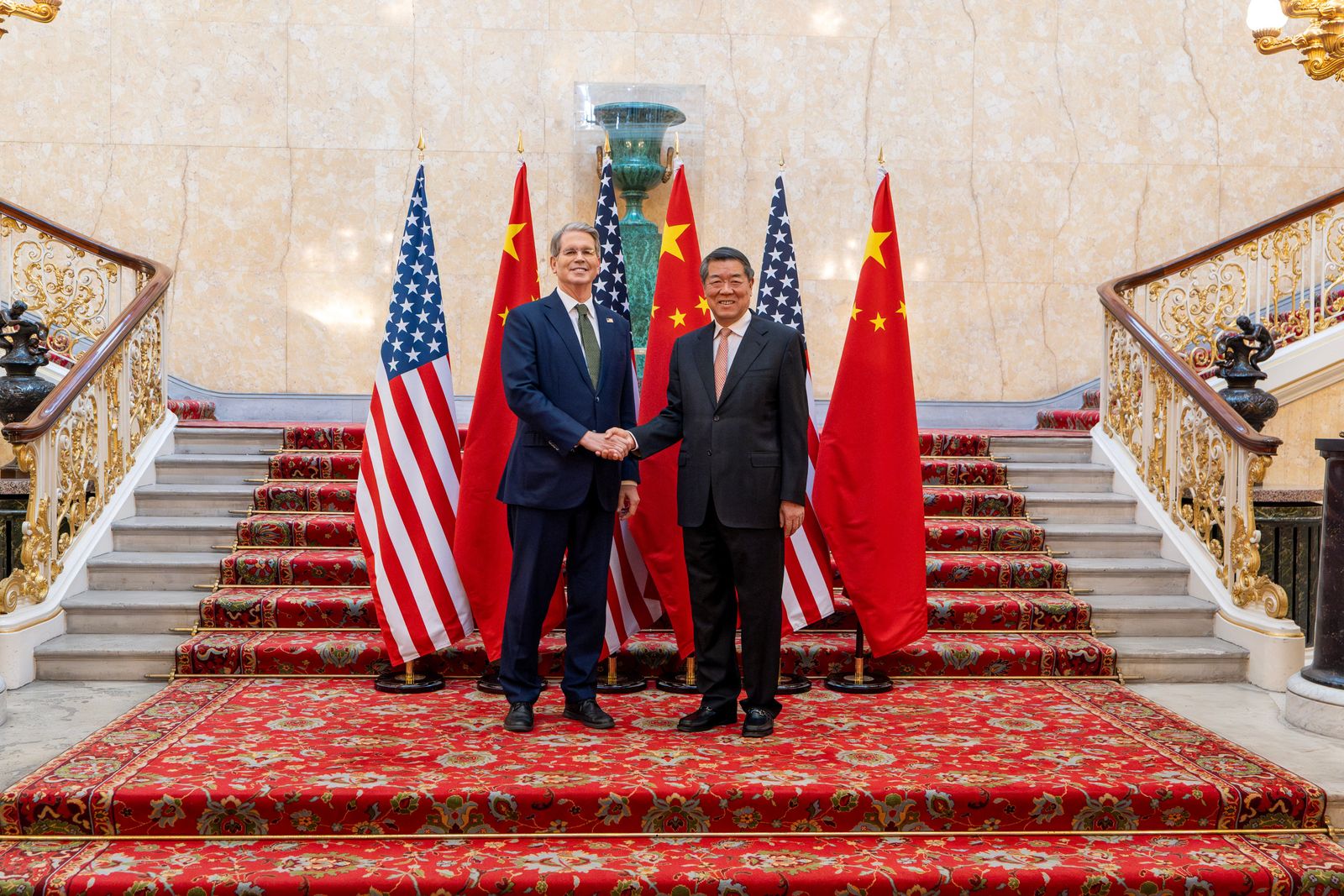
WASHINGTON, Sept 21 — United States (US) President Donald Trump has taken a less combative approach than usual ahead of his meeting with Chinese President Xi Jinping this week; a sign of Beijing's growing power thanks to critical minerals, according to China experts.
The Trump administration has not threatened to slap steep tariffs on Chinese imports or to ban exports of US technology so far, in contrast to the aggressive stances that preceded previous summits.
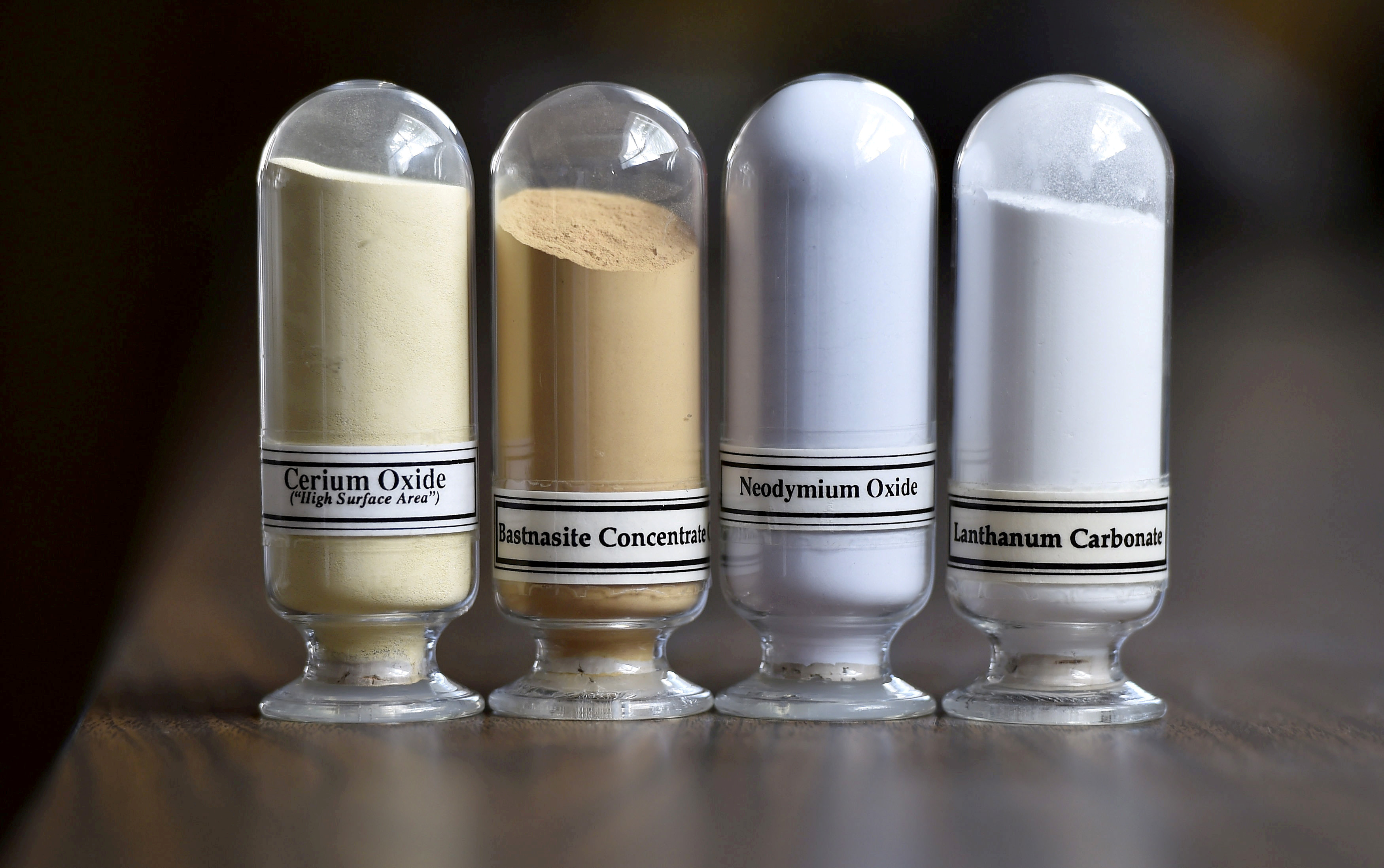
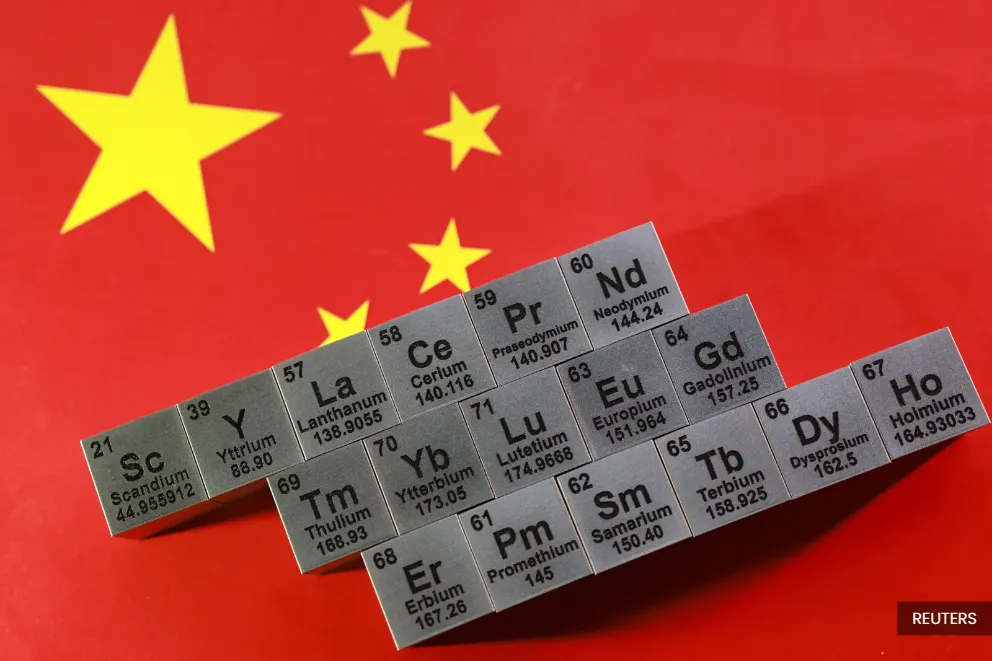
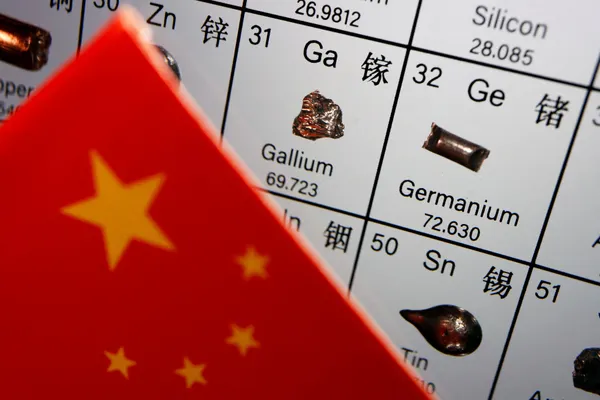
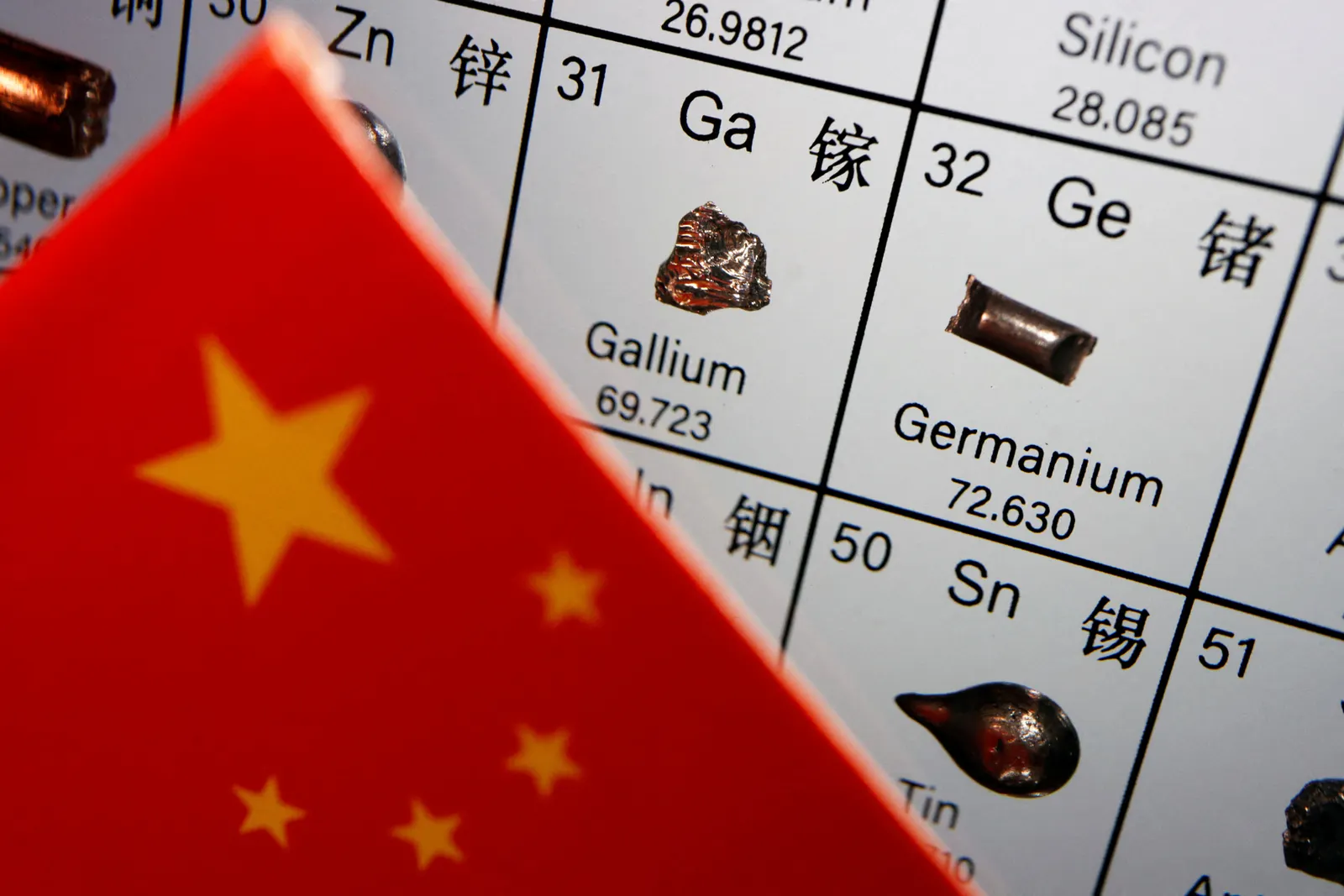
Experts believe that the reason is largely due to China's near-total control of rare earth minerals, a key input for tech and auto manufacturing. Last year, in retaliation against Trump's tariffs, China curbed rare earth exports and sent shockwaves through world markets.
The move effectively imposed a limit on how much Washington can threaten Beijing, empowering China in its years-long tech war with the US.
"The US and the Trump administration are just fundamentally in a different position with China where they cannot use that overly coercive, over-reaching approach, knowing that they are going to walk some stuff back, because of everything that happened last summer and because of the rare-earth export controls," said think tank Center for a New American Security senior fellow and former trade official Emily Kilcrease.
The White House, the Commerce Department, the US Trade Representative, and the Chinese Embassy in Washington did not immediately respond to requests for comment.
Consultancy AlixPartners reported that China controls up to 70 per cent of global rare-earth mining, 85 per cent of refining capacity, and about 90 per cent of rare-earth metal alloy and magnet production.
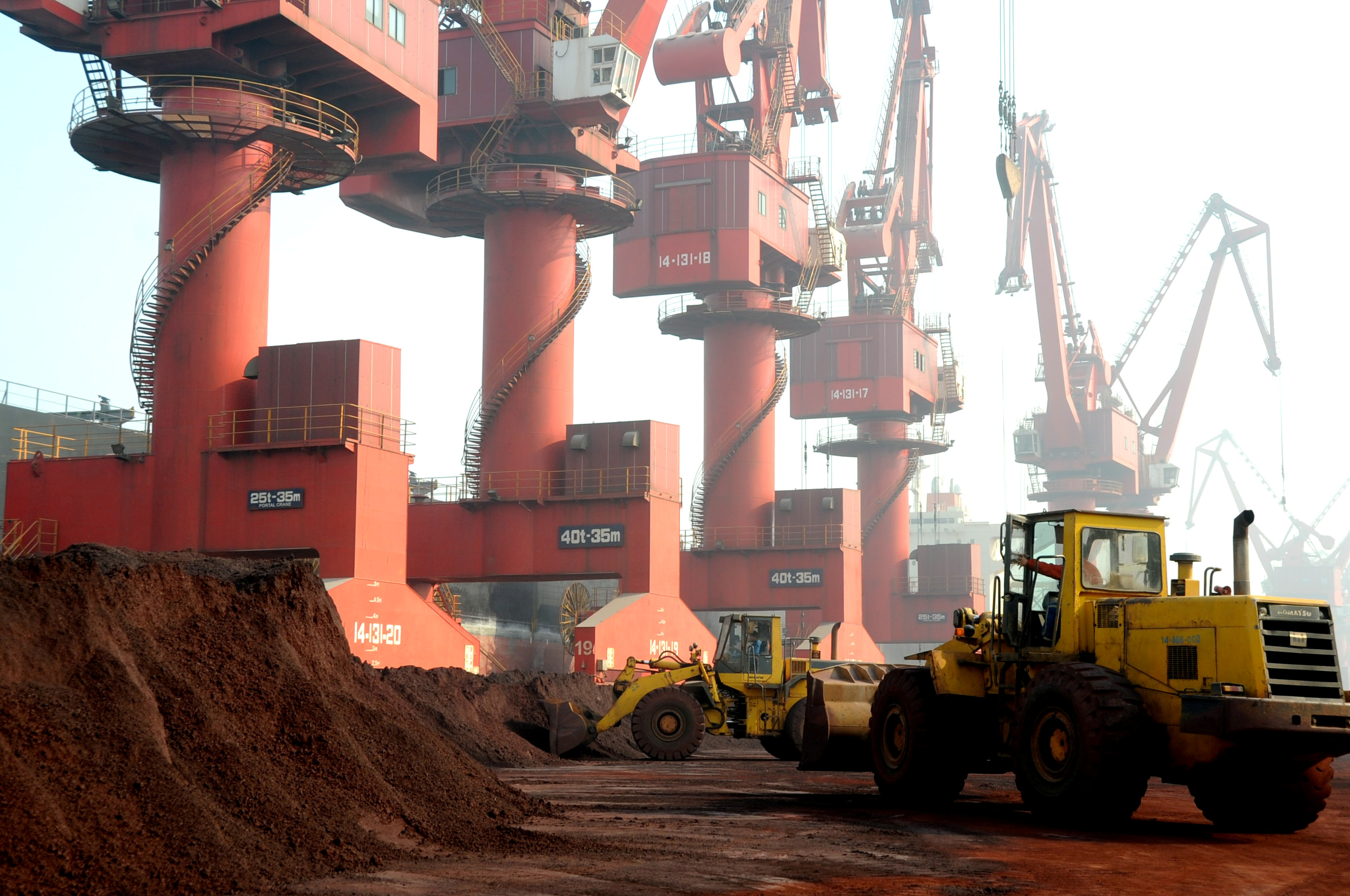
Rare earths, such as yttrium and dysprosium, underpin strategic industries such as automakers, chipmakers, and defense contractors, representing a critical chokepoint in supply chains.
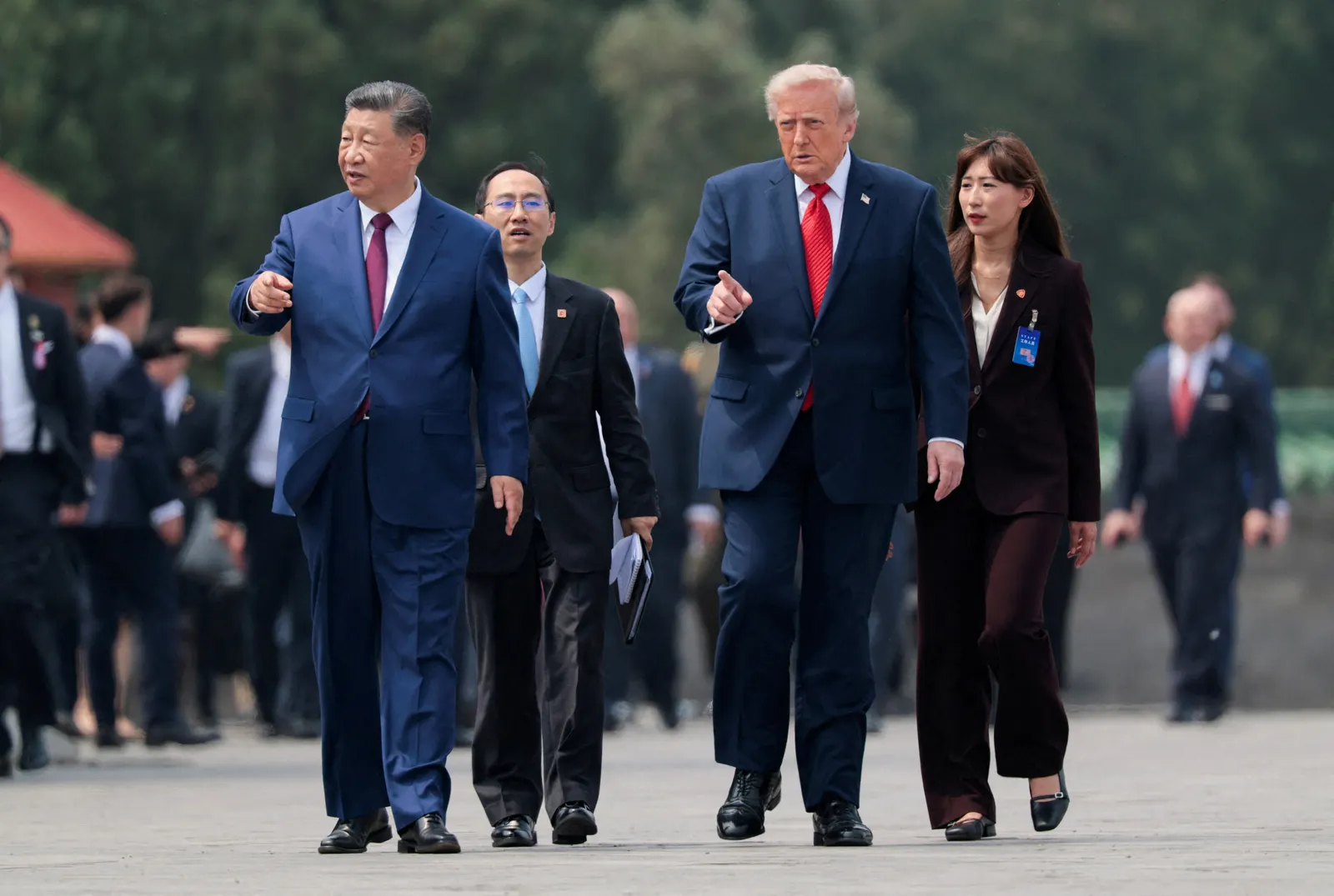
Trump and Xi are scheduled to meet at the White House on Thursday followed by a state dinner attended by key officials and chief executive officers.
The Trump administration has recently taken some actions against China, but experts said they were not as aggressive as previous threats and were unveiled months before the summit, likely to avoid antagonising Beijing.
For instance, the Pentagon accused Alibaba, BYD, and other companies in June of aiding the Chinese military. In July, US Treasury Secretary Scott Bessent threatened sanctions against any Chinese artificial intelligence (AI) company copying US AI models.
That same month, the US banned imports from 43 Chinese companies over alleged human rights abuses and imports of new foreign robots and power inverters, targeting China.
"They are keeping the boil low enough that China will not take really severe retaliatory action," said former White House official Peter Harrell, who served under former president Joe Biden.
He added that after the "rare earths blowup," the Trump administration "feels vulnerable to Chinese coercion" and is seeking "stability and secure access to critical minerals".
Trade and tech war
The US and China have been locked in a trade and tech battle since Trump's first term in office, with tensions soaring often ahead of summits and plunging immediately after.
An early example played out during Trump's 2019 meeting with Xi in Osaka, Japan, when Trump walked back threats to impose tariffs on US$300 billion (RM1.22 trillion) of Chinese goods and ease up export curbs on Chinese telecoms giant Huawei after China agreed to make an unspecified number of purchases of US agricultural goods.
Nearly a year ago, in an October 2025 meeting in Busan, Trump lowered tariffs by 10 per cent and shelved export controls on thousands of Chinese companies, when Xi agreed to suspend rare earth controls and resume purchases of US soybeans, leading both sides to declare the summit a success.
However, Trump did revert to big trade threats ahead of his meeting with Xi in Beijing this May, when he said he would impose a new 50 per cent tariff on China, following a report that Beijing was planning to deliver new air defense systems to Iran.
Republican lawmakers such as John Moolenaar, who chairs the House of Representatives China Select Committee, heralded recent actions by Washington ahead of next week's meeting.
"President Trump is heading into the summit from a position of strength," he said in a statement to Reuters.
But CrowdStrike cofounder and Washington-based geopolitical think tank Silverado Policy Accelerator chairman Dmitri Alperovitch forecasted less aggressive action from Washington until it can develop alternate supplies of critical minerals.
"Since Busan last year there is an uneasy truce that I think will be maintained," he said at an event last week about US-China competition.