SHAH ALAM, Sept 21 — Having basic first aid knowledge is not merely to assist strangers during emergencies, it is a skill that could save one’s own family members.
Management and Science University’s Faculty of Health and Life Sciences’ Professional Health Management Department head Hamdan Ibrahim said emergencies can occur at any time including at home involving a spouse, child, or parent.
“We do not learn emergency aid solely for the sake of others. Primarily, it is for our own families.
“It starts with our wives, children, husbands, or parents. Beyond that, we can also help the general public,” he said during the ‘Bicara Semasa’ programme produced by Media Selangor.
Hamdan added that the public often assumes that first aid skills are only needed when someone collapses in a public area.
In reality, emergencies can also occur at the home, where family members are likely to be the first ones with the victim.

Do not just wait for the ambulance
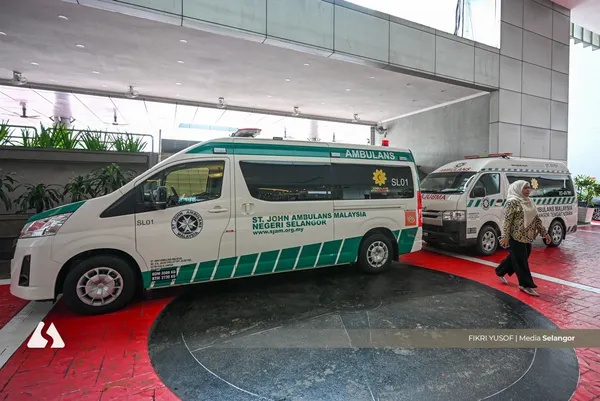
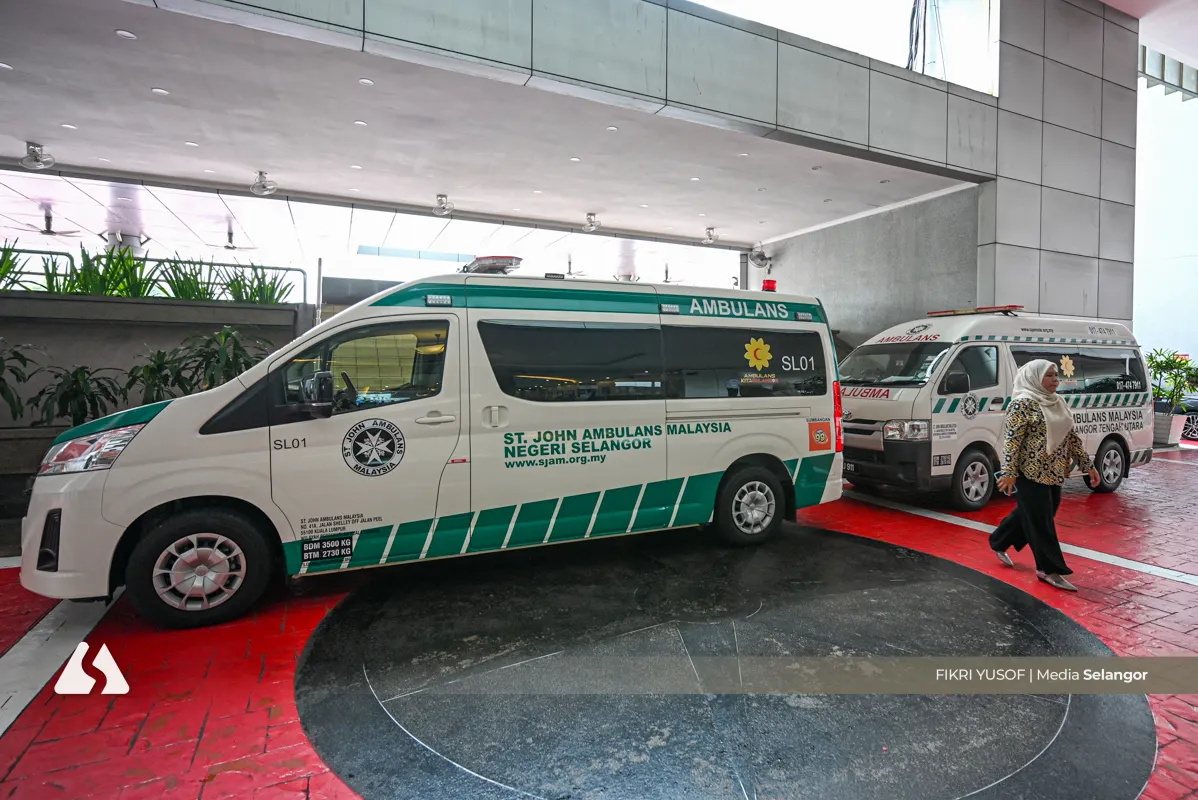
Public awareness regarding first aid still requires improvement, particularly concerning the tendency to rely entirely on hospitals or ambulances.
He said members of the public with basic knowledge can take initial action while waiting for the medical team to arrive.
“In an emergency situation, our immediate thought is to call the hospital or an ambulance. We rely so heavily on ambulances that, at times, we simply watch without doing anything.
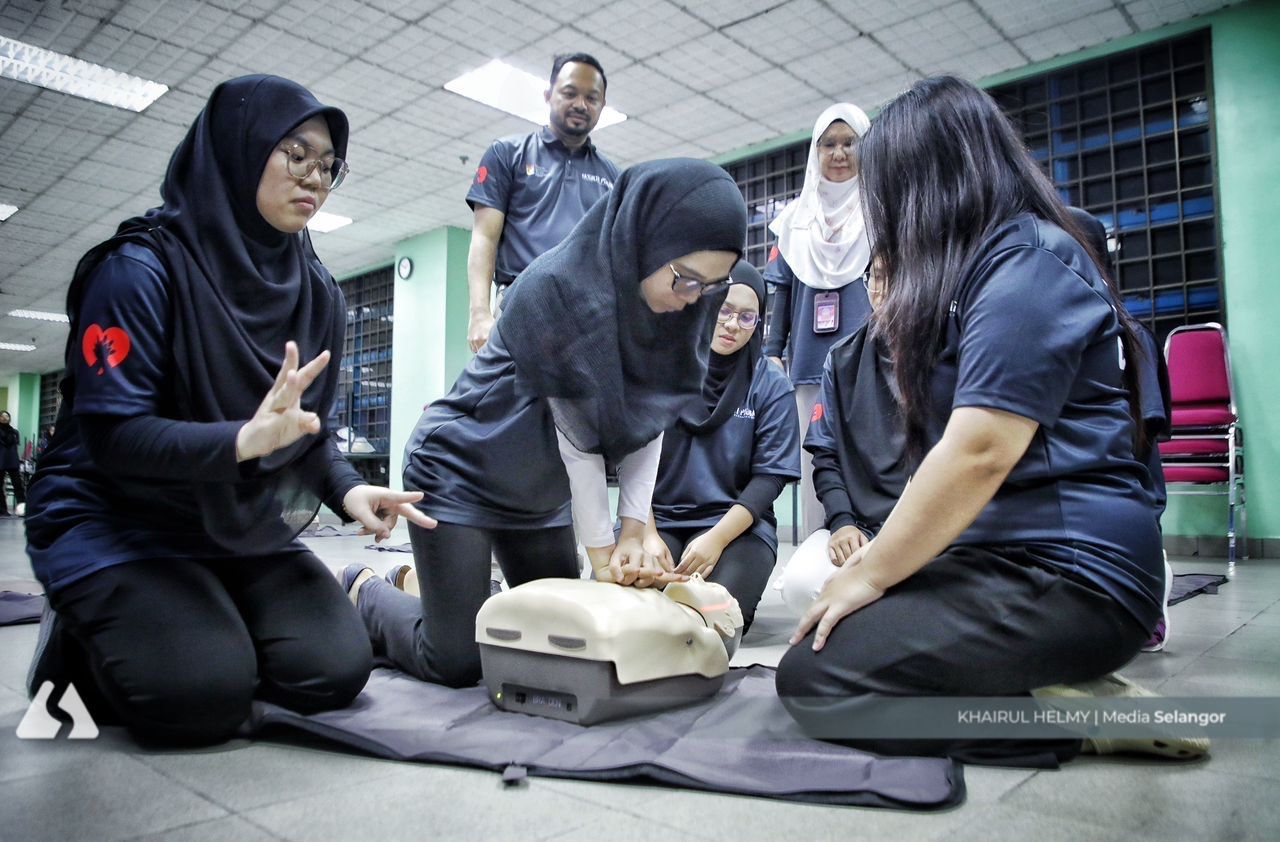
“Yet, the simplest measures such as chest compressions; can be performed while waiting for the ambulance to arrive,” Hamdan said.
He believes that awareness regarding emergency aid, including cardiopulmonary resuscitation (CPR), needs to be expanded within communities and workplaces so that more people possess the basic skills to handle unexpected situations.
Such knowledge is crucial because the first few minutes before emergency teams arrive can be a critical period for the victim.

AEDs designed for public use
In addition to CPR, Hamdan noted that the public should not be afraid to use Automated External Defibrillators (AED), which are now available at many public premises and buildings.
These devices are specifically designed to be operated by the public by following the device's voice prompts.
“AEDs are designed for the public. All you need to do is open the case, turn it on, and voice instructions will follow.
“We simply follow those instructions, including when to place the pads on the victim's body and when not to touch the victim,” he said.
Exposure to CPR and AED usage can help the public feel more confident in taking action when encountering an unconscious victim in need of emergency assistance.
Having a first aid kit at home encouraged
Hamdan also encouraged every household to have a first aid kit, especially those with children, as their daily activities, such as running and jumping, increase the likelihood of minor injuries requiring initial treatment.
“If there are many children at home running and jumping, the risk of injury exists.
“Therefore, it is encouraged to have a first aid kit at home so that, in the event of an emergency, we have the basic equipment ready for use,” he said.
Hamdan emphasised that having a first aid kit must be accompanied by knowledge of how to use the items inside so that it is truly beneficial when needed.