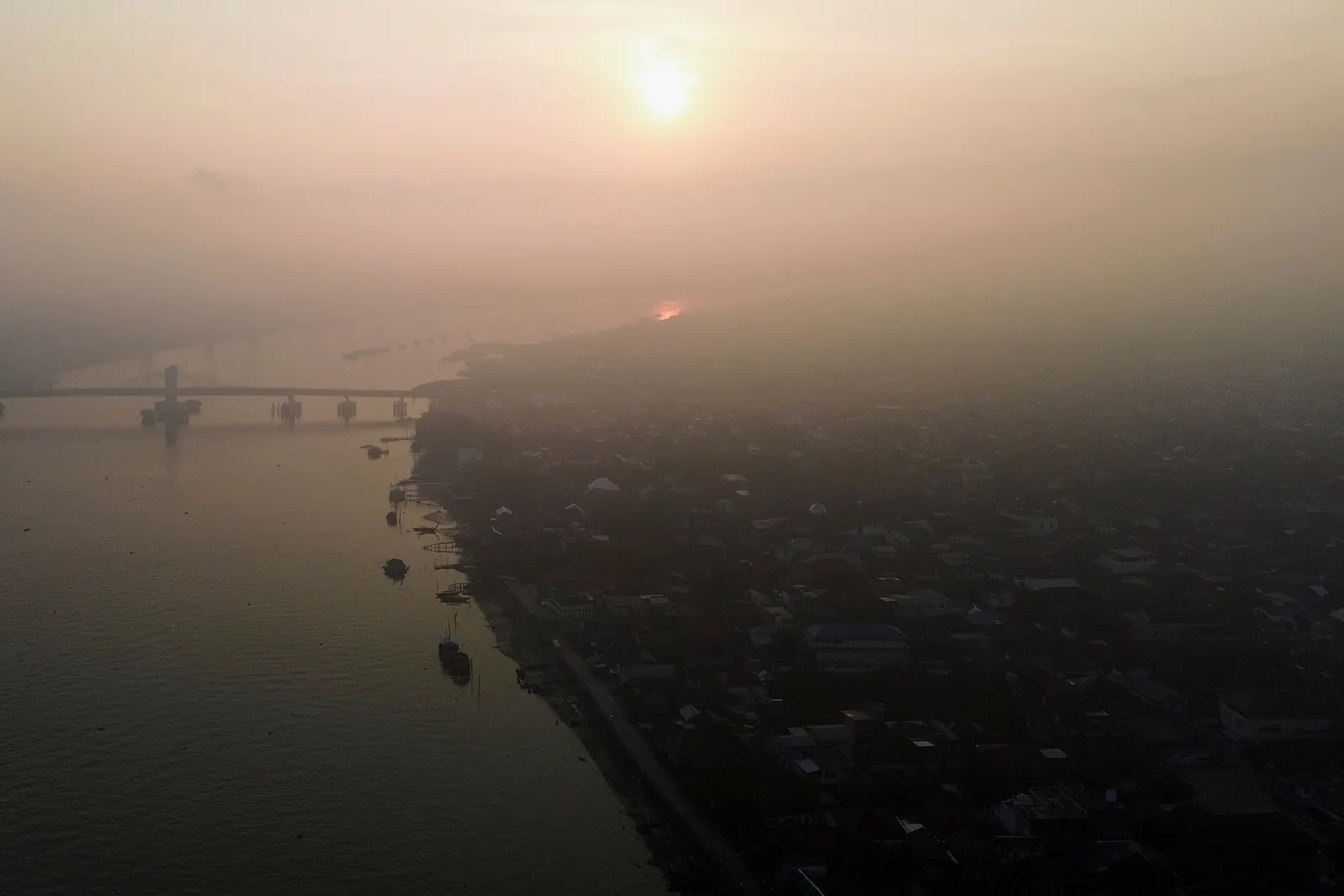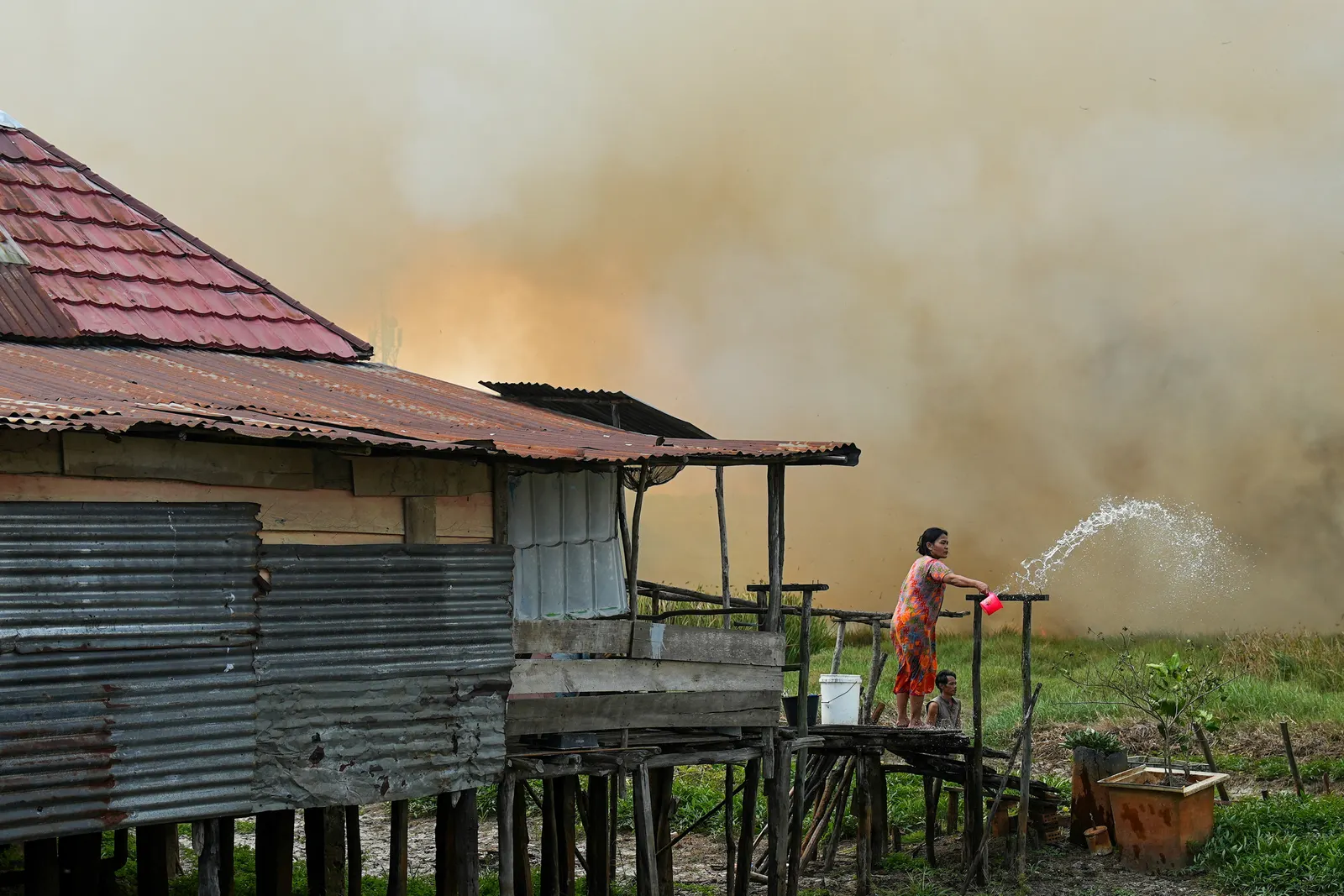
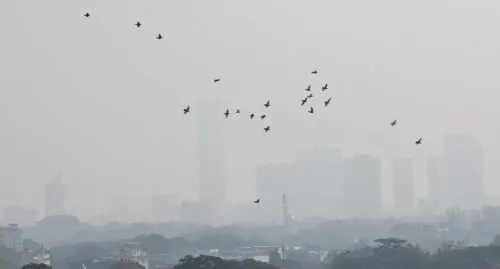
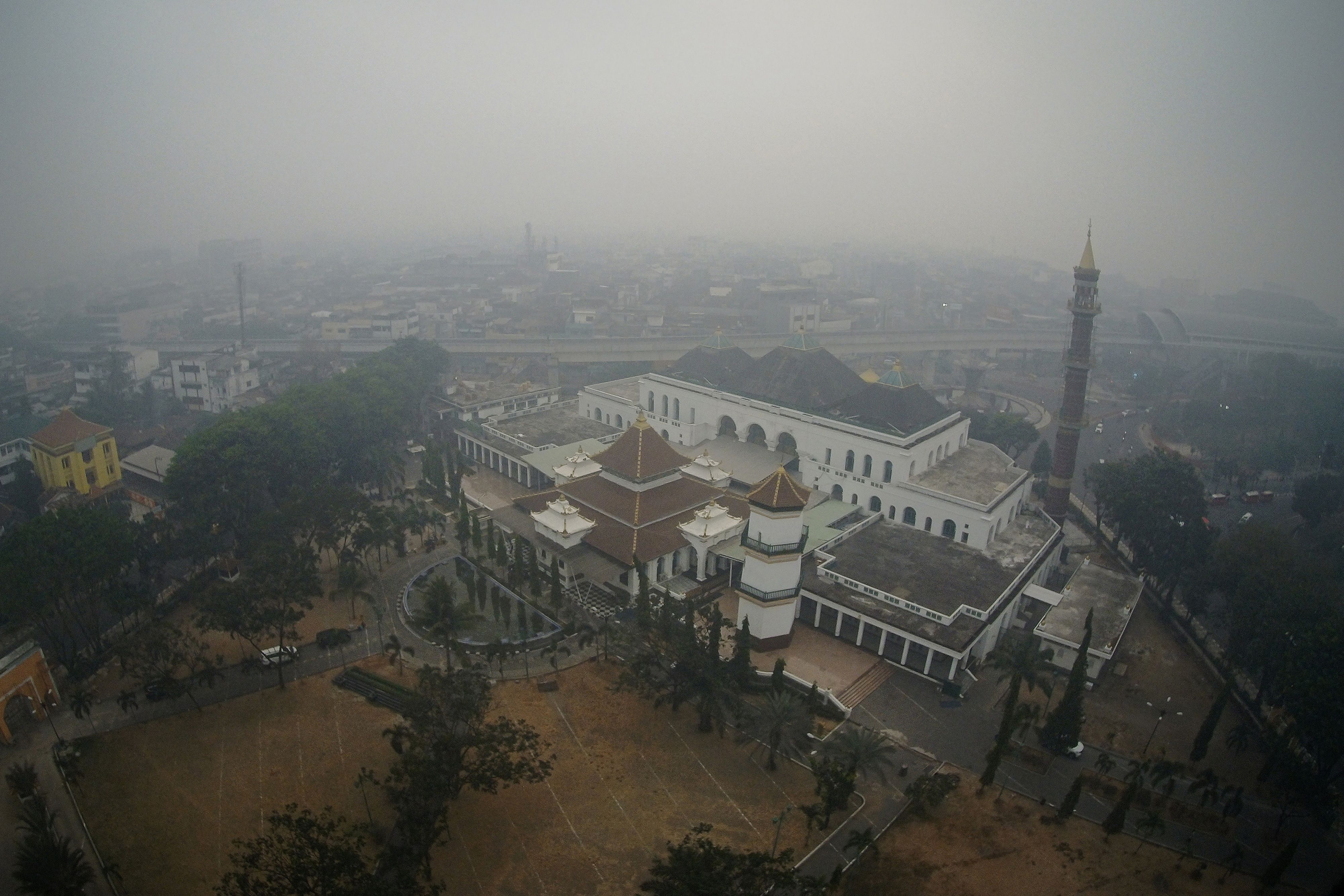
SHAH ALAM, Sept 10 — On the morning of September 4 in Serian, Sarawak, the sun disappeared behind a thick, deep-orange haze. The acrid smell of smoke filled the air, while throats burned the moment people stepped outside their homes.
In the hospital emergency department, the sight of a mother tightly cradling her child as the youngster gasped for breath during an asthma attack was enough to break anyone’s heart.
This was not merely a data graphic, satellite image or another set of statistics in the daily news. This was real human suffering on the ground, with people struggling for every breath.
The Ministry of Health recorded an alarming 259 per cent surge in asthma cases in Sarawak that day, while the Air Pollutant Index (API) reading in Serian soared to an extraordinary 519, forcing an emergency to be declared.
A total of 647 schools were immediately closed, children were forced to remain indoors and the daily routines of communities ground to a halt.
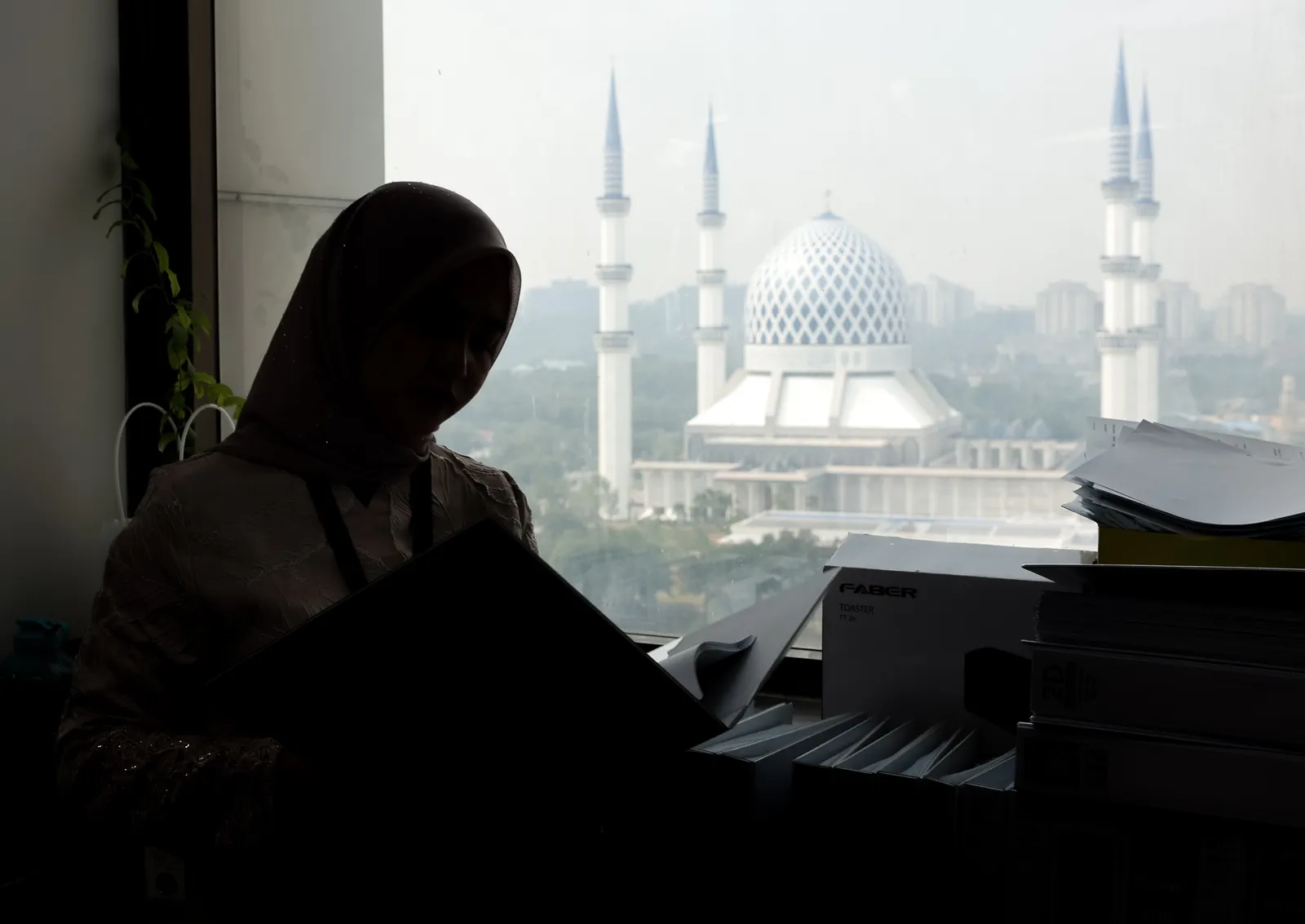
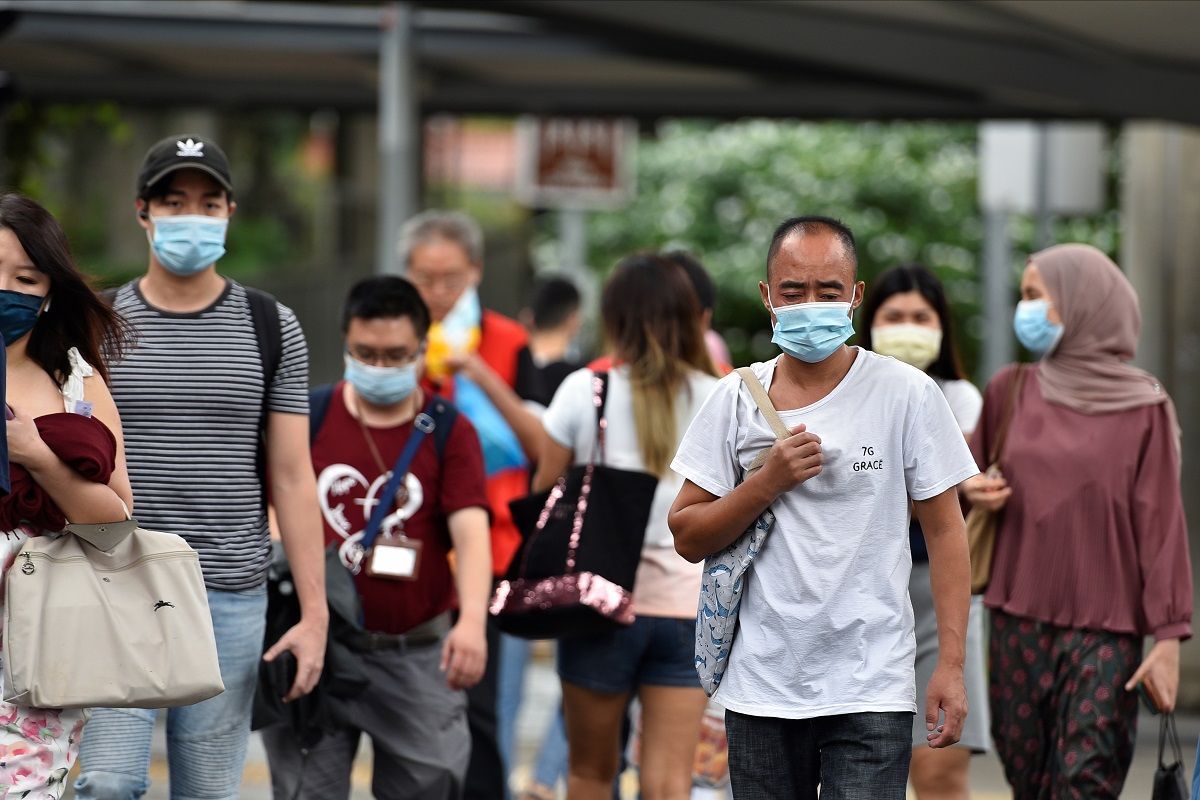
Meanwhile, millions of Malaysians across the country, including in the administrative capital Putrajaya, had once again been forced to wear N95 masks as the air they breathed became increasingly toxic.
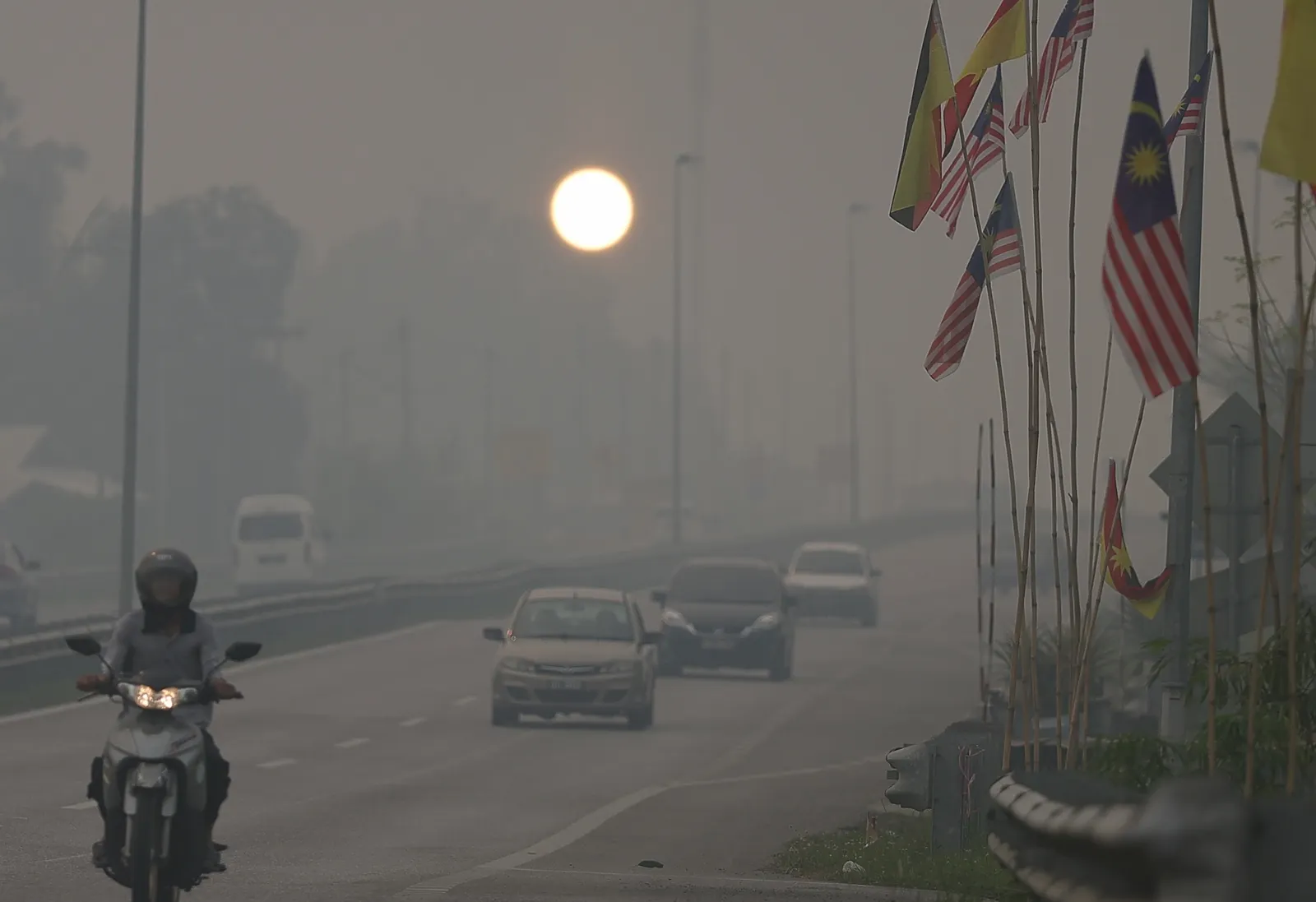
Yet the reality that weighs most heavily on our conscience is that this haze is not simply a domestic disaster of our own making. We are bearing the consequences of fires deliberately set across our borders.
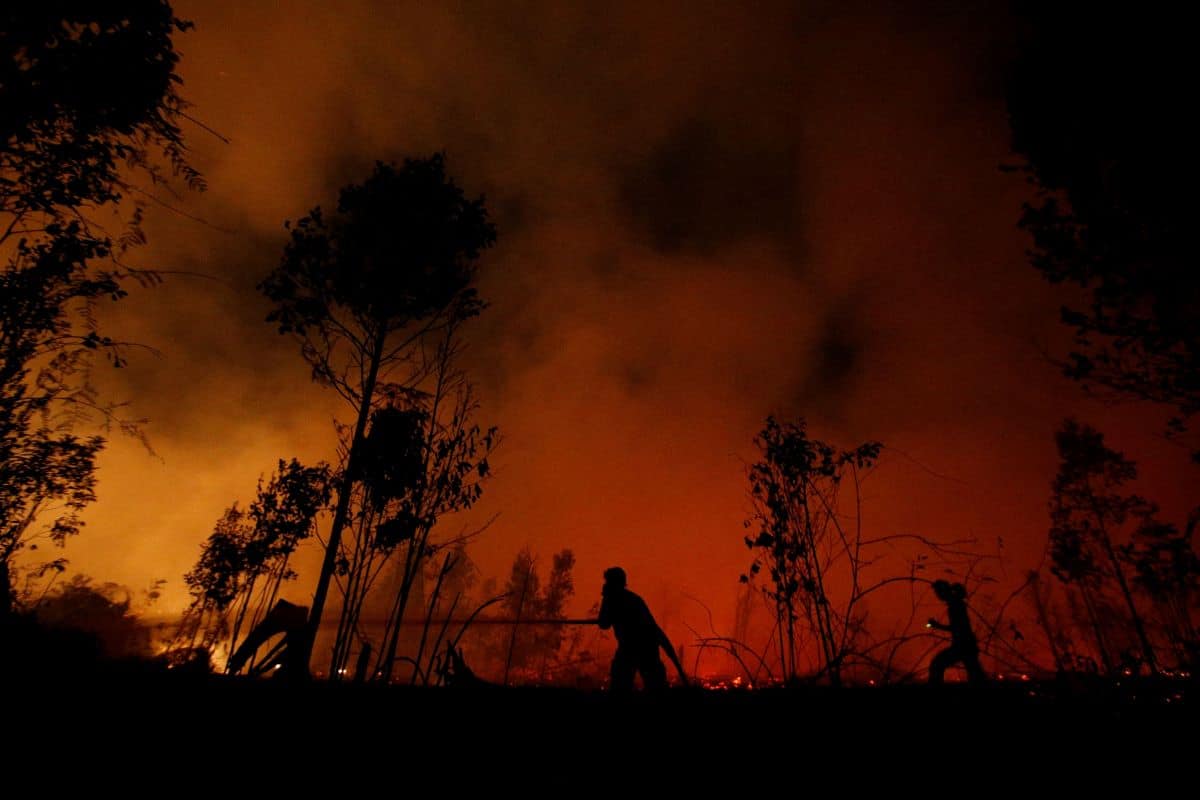
Forest and peatland fires in Kalimantan and Sumatra have destroyed more than 300,000 hectares of land, an area almost three times the size of Singapore.
The El Niño climate phenomenon undoubtedly brings extreme heat and drought, but human greed remains a major culprit. Illegal land burning as a cheap shortcut to clear land for oil palm plantations continues unabated.
When peatlands rich in organic matter catch fire, the flames can smoulder deep underground like embers that are extremely difficult to extinguish, releasing more than 23 million metric tonnes of carbon into the atmosphere. Malaysia, in turn, bears severe economic consequences.
Businesses suffer, tourism slows, labour productivity declines and public healthcare costs soar.
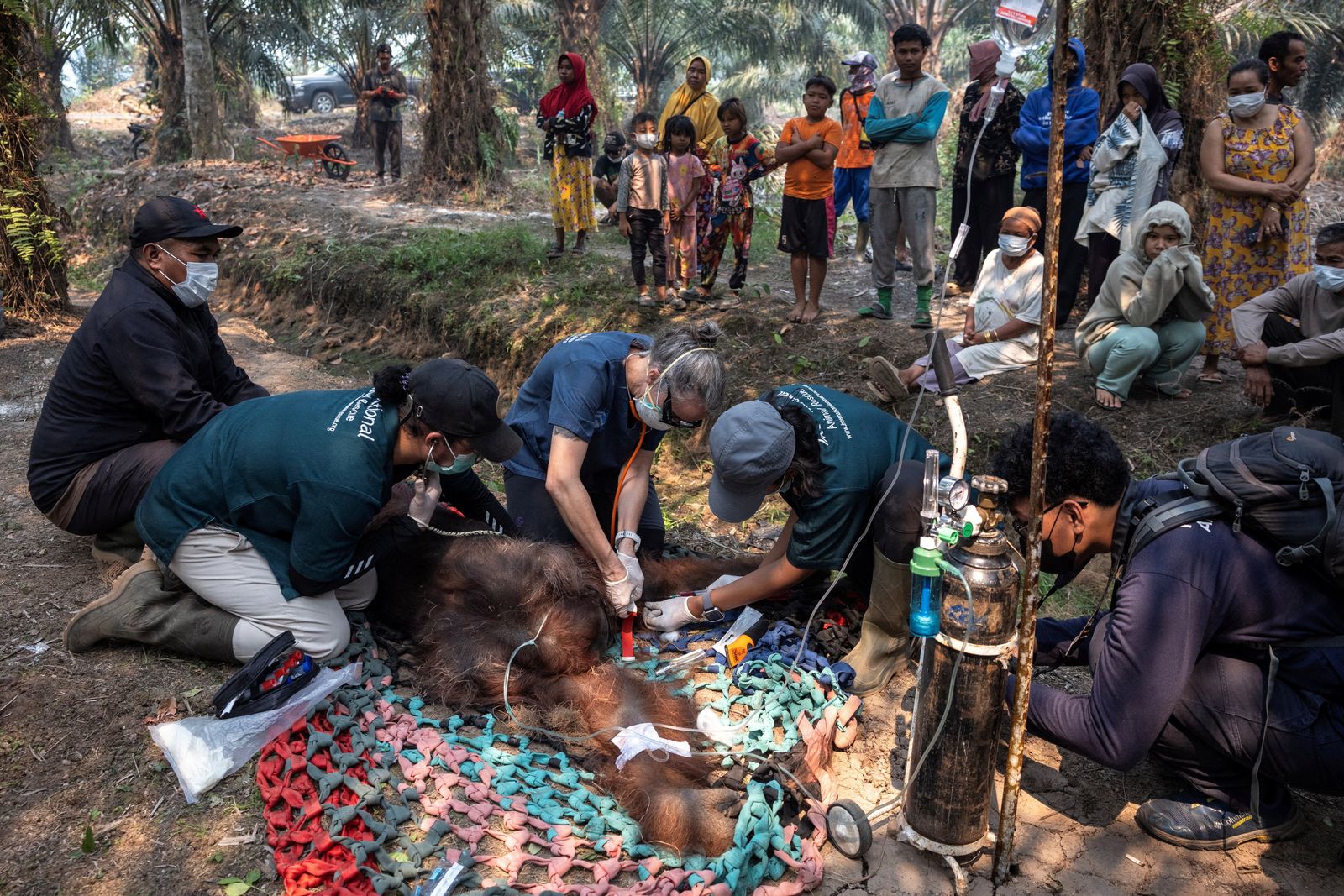
While some reap millions in profits from cheap land clearing across the border, our government and people are left to shoulder the cost of cloud-seeding operations and hospital treatment.
Amid mounting public anxiety, a bold diplomatic step was taken in Bandar Seri Begawan.
During the 27th Malaysia-Brunei Annual Leaders’ Consultation, Prime Minister Datuk Seri Anwar Ibrahim and Sultan of Brunei Sultan Hassanal Bolkiah reached a firm consensus: the haze crisis can no longer be swept under the carpet, and regional mechanisms under the ASEAN Agreement on Transboundary Haze Pollution (AATHP) must be fully mobilised.
The united voices of Anwar and the Sultan of Brunei carry significant moral and political weight for the region’s leadership. Both leaders agreed that the highest diplomatic channels, including Foreign Minister Datuk Seri Mohamad Hasan, should push for concrete and effective action at the ASEAN negotiating table.
This is more than an expression of regional concern. It is a firm reminder that transboundary pollution runs contrary to the spirit of the ASEAN Charter and the fundamental principles of the agreement itself.
The AATHP, signed in 2002 and in force since 2003, is founded on a clear principle of responsibility.
Each member state has the sovereign right to manage its own natural resources, but it also bears a responsibility to ensure that activities within its territory do not cause environmental harm or threaten the health of people in neighbouring countries.
The question is — why, more than two decades after the agreement was signed, does it still appear weak, ineffective and toothless whenever the dry season returns?
A major reason lies in ASEAN’s overly defensive diplomatic culture, trapped by an outdated doctrine of ‘non-interference’ and excessive concern about causing offence.
Regional governments continue to take a reactive rather than proactive approach. Only when skies have darkened, air pollution reaches dangerous levels and emergency departments are crowded with asthma patients does the region scramble to deploy aircraft for cloud-seeding operations.
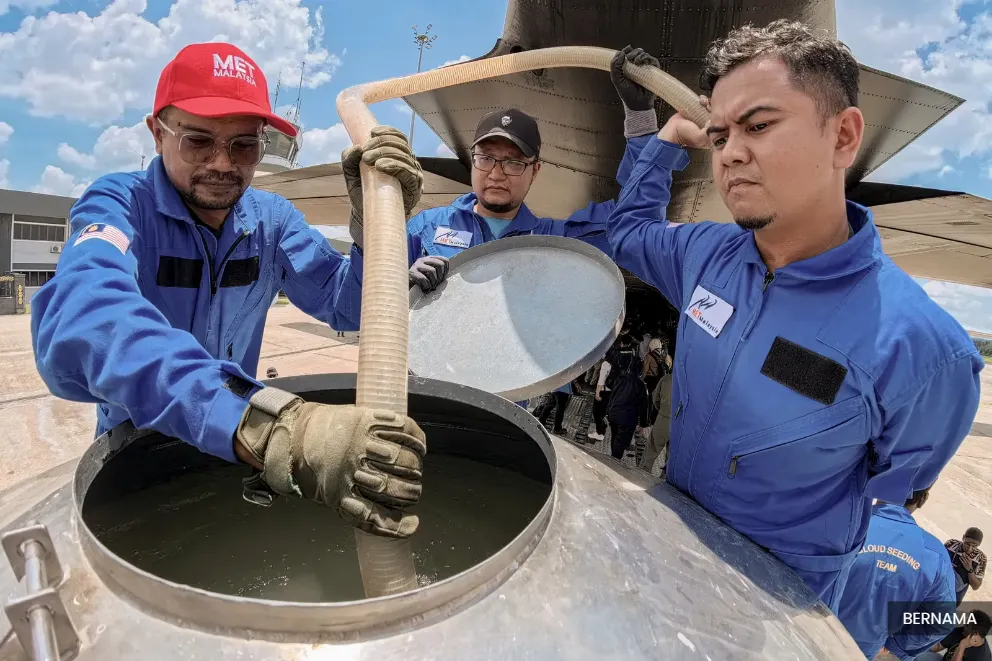
Climate experts have repeatedly warned that if the arrival of El Niño can be predicted months in advance, there is little justification for ASEAN to continue acting too late.
More disappointingly, the AATHP still lacks strong enforcement mechanisms and binding legal liability. Malaysia and Singapore have stringent laws to punish those responsible for domestic open burning, but our jurisdiction ends at the international border.
Arresting hundreds of small-time offenders on the ground will not extinguish the source of the fires as long as major plantation concession holders and corporate entities remain beyond the reach of legal action and cross-border compensation claims.
The call by Anwar and the Sultan of Brunei should therefore become a catalyst for sweeping reform of the AATHP.
The agreement needs new ‘teeth’: financial penalty provisions, an environmental arbitration tribunal, a regional corporate blacklist and transparent real-time satellite monitoring that is not constrained by narrow interpretations of national sovereignty.
Malaysians, Bruneians and other ASEAN citizens are not demanding extravagant privileges. They are asking for one of the most basic necessities of life: the right to breathe clean air without fearing that their children will fall ill.
It is time for ASEAN to prove that regional solidarity is more than rhetoric delivered in air-conditioned conference halls. It must become a genuine shield for the lives, health and dignity of its people.
This commentary was written by contributor Helme Hanafi