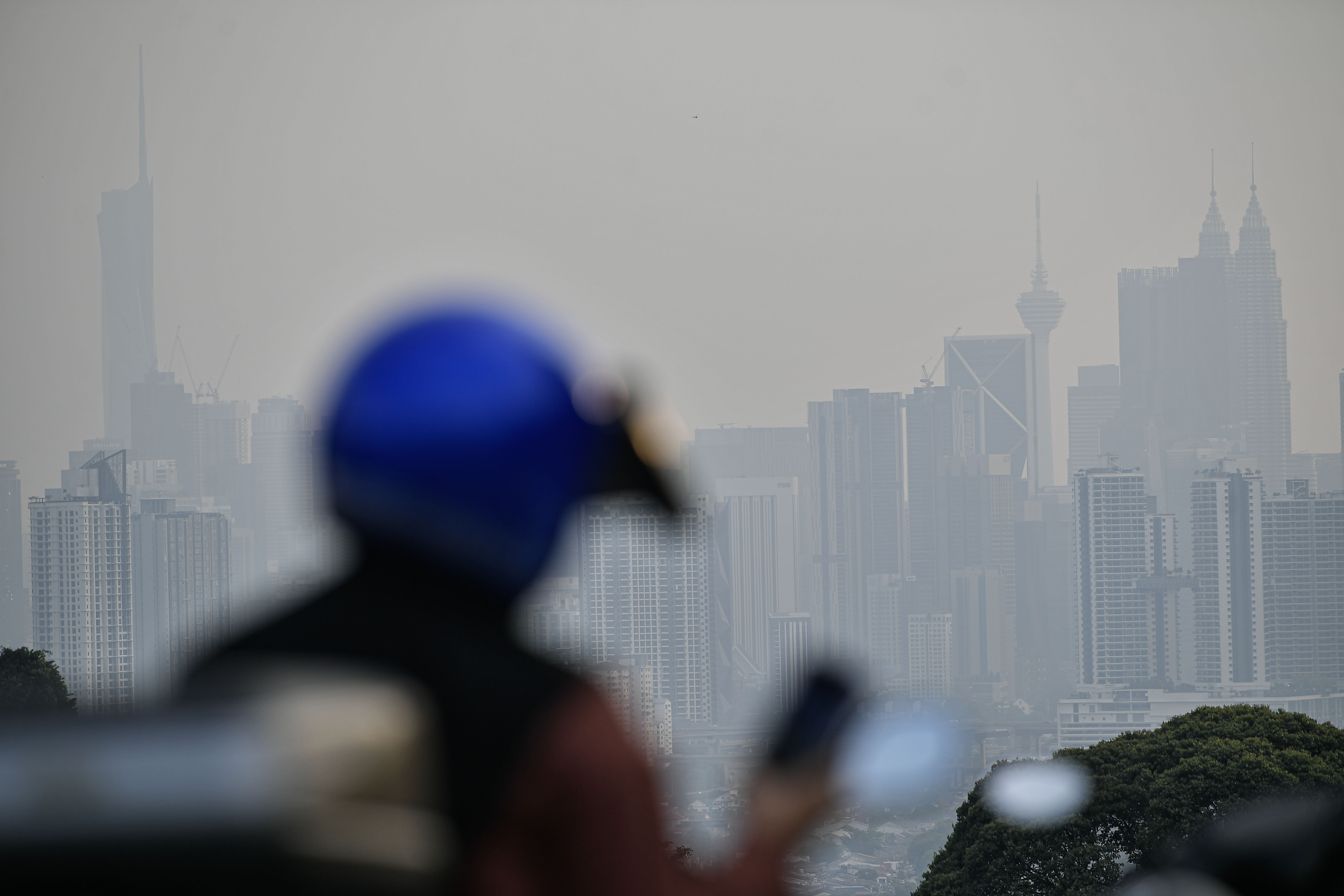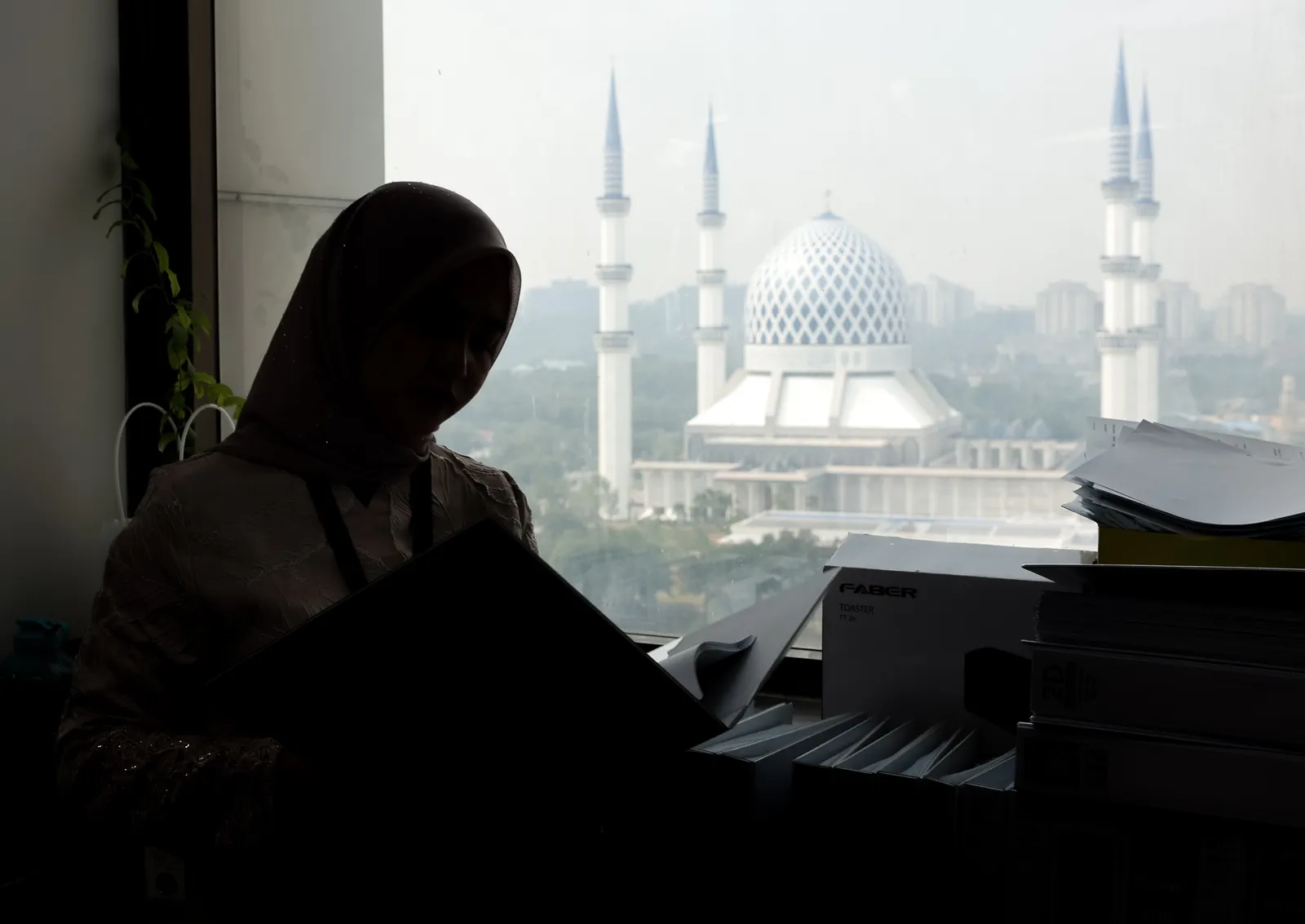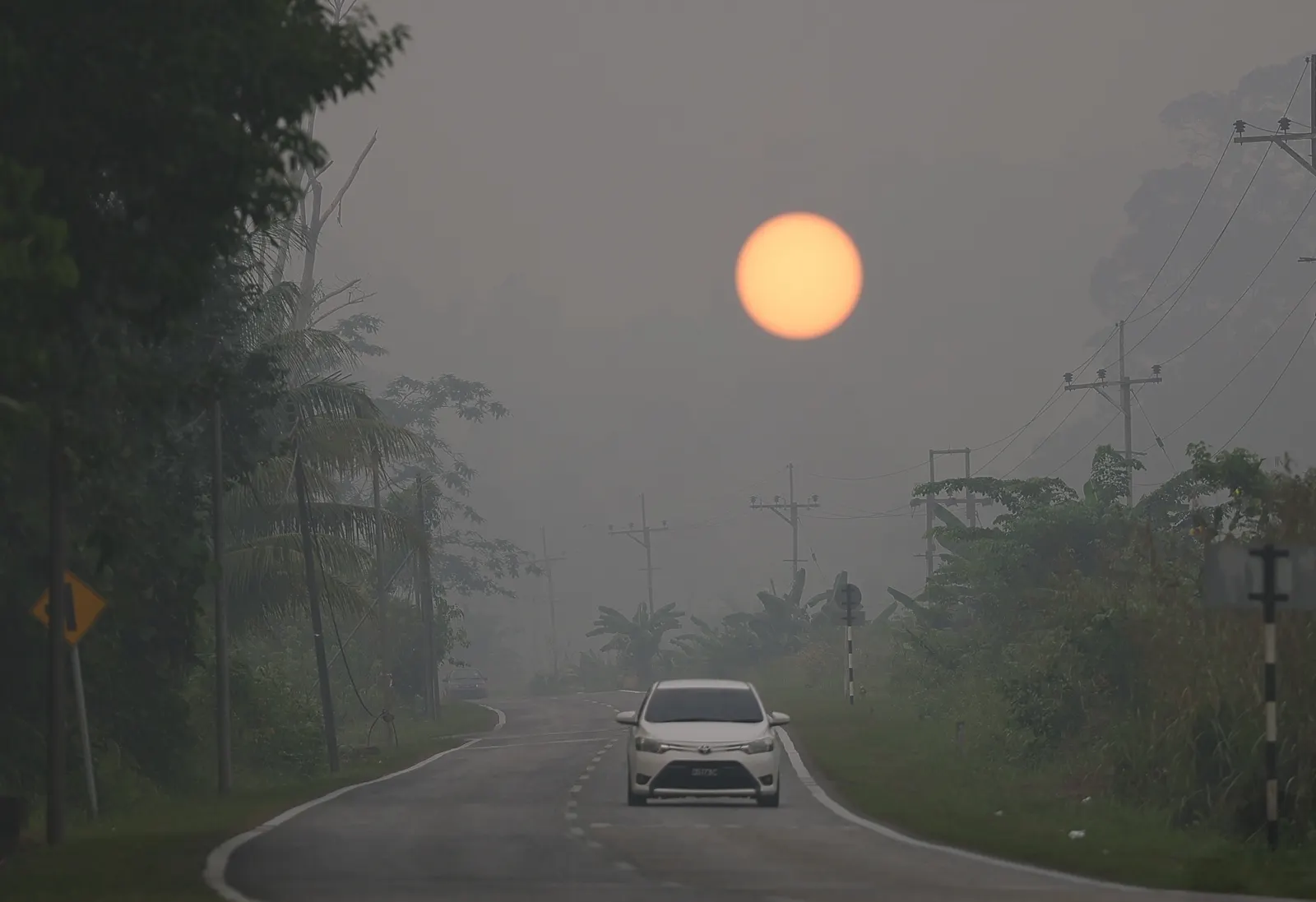

SHAH ALAM, Sept 5 — Asthma and conjunctivitis cases have increased markedly during the haze period, said public health physician Datuk Dr Zainal Ariffin Omar, due to fine particles in the smog stimulating the respiratory tract and triggering inflammation.
“The latest update revealed asthma cases have reportedly increased more than eightfold.
“URTIs (upper respiratory tract infections) also occur when haze pollutants weaken the lung’s defences, making it easier for viruses and bacteria to attack.
“Conjunctivitis also occurs because haze particles directly irritate the eyes," he said as reported by BH Online.
The Health Ministry (MOH) in a statement last week announced that 1,811 asthma cases were recorded during the 34th Epidemiological Week (EW24), an increase from 219 cases the previous week.
Conjunctivitis cases also increased to 720 cases compared with 146 cases in the EW33, while URTI cases decreased by 50 per cent from 3,674 to 1,857 cases.
According to Dr Zainal, exposure to fine particles in the haze also increases the risk of more serious complications such as respiratory congestion and lung infections (pneumonia), which could lead to hospital admissions with young children and the elderly especially at risk.
Dr Zainal said both groups are among the most vulnerable as their immune systems and lung functions are weaker.
“People with chronic diseases such as asthma, heart disease and chronic obstructive pulmonary disease (COPD) are also at risk of experiencing health complications due to exposure to the haze.
“Pregnant women and smokers must also take precautions as they face higher health risks when exposed to air pollution,” he added.