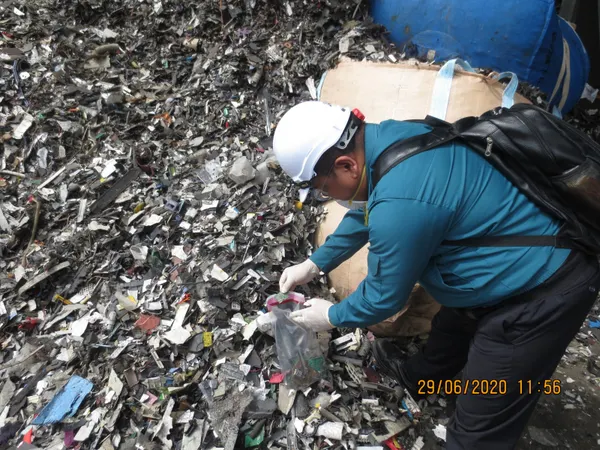
KUALA NERUS, Sept 5 — About 230 million metric tonnes of plastic waste is expected to pollute the world’s terrestrial and aquatic environments by 2040, the Natural Resources and Environmental Sustainability Ministry (NRES) revealed.
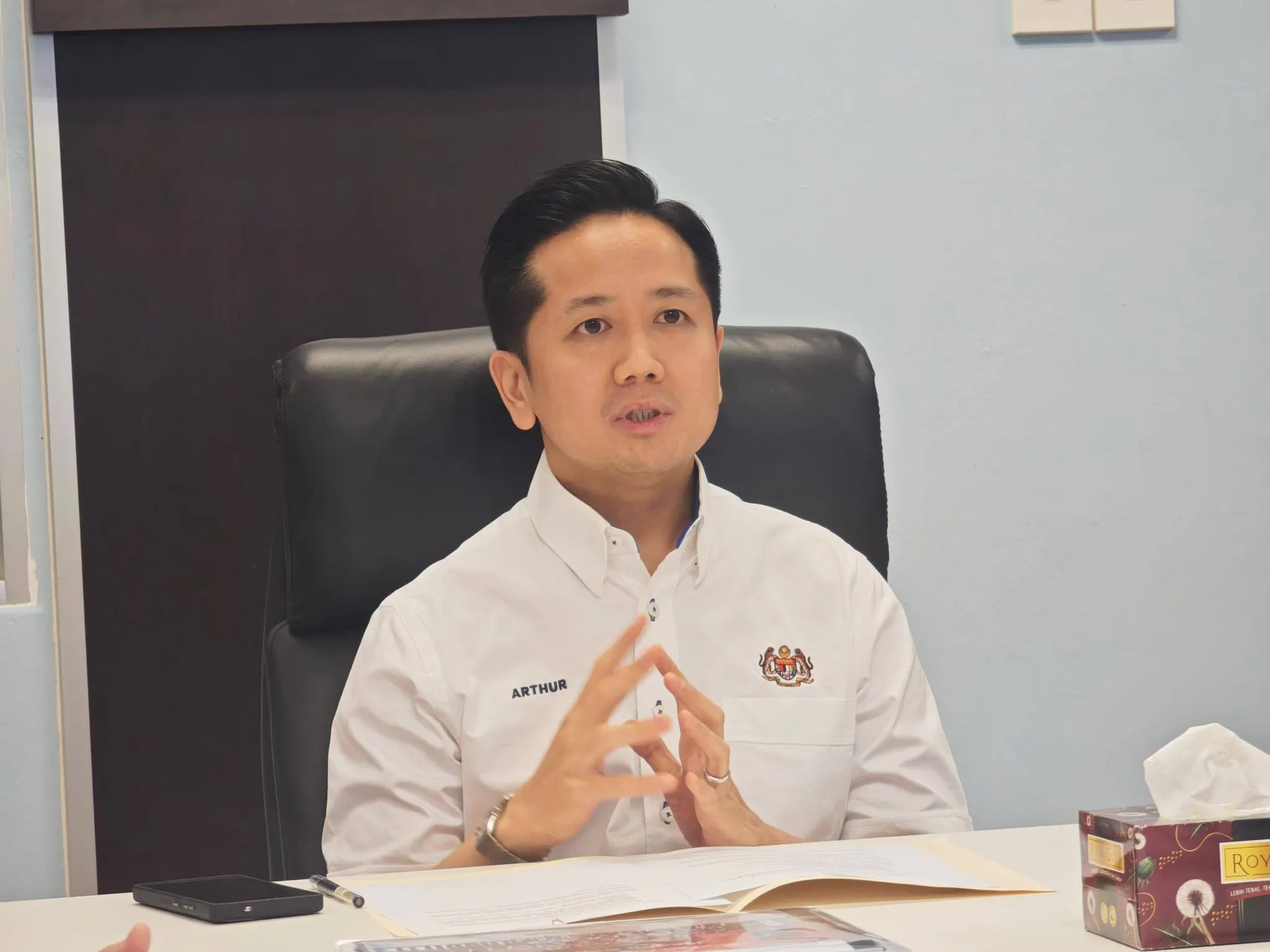
NRES deputy secretary-general (environmental sustainability) Datuk Nor Yahati Awang said around 23 million tonnes of plastic waste are discharged into waterways annually, representing a significant threat to marine ecosystems.
In response, she said NRES has formulated a range of strategies and initiatives to enhance marine waste management nationwide, including the development of a uniform monitoring framework through coastal cleanup programmes.
“These efforts include beach cleanups, systematic data collection, and monitoring. Reliable data not only facilitates evidence-based policy formulation, it also fulfils our international obligations under SDG 14: Life Below Water,” she said during the closing ceremony of the “National Citizen Science Programme: Monitoring and Cleanup of Marine Plastic Waste” event at Tanjung Gelam Beach here today.
Her address was delivered by NRES deputy secretary (natural resource management) Azrina Mohd Said.
Also present was UMT deputy vice-chancellor (research and innovation) Prof Muhammad Ikhwanuddin Abdullah.
Nor Yahati said this approach is recommended by the Coordinating Body on the Seas of East Asia (COBSEA), which emphasises that beach cleanups should be integrated with systematic scientific monitoring, uniform waste classification, quality data collection and trend analysis over time.
She stressed that prevention and reduction efforts are vital to ensure marine ecosystems, resources, and biodiversity are protected and resilient for future generations.
Meanwhile, Ikhwanuddin said 165kg of waste was collected in less than two hours by over 100 participants during today’s cleanup.
He said the joint programme involving UMT, NRES and the Geng Plastik Ija association focused on collecting and sorting marine debris such as plastic, packaging materials and fishing gear, which could impact coastal ecosystems.
The data, he added, will help researchers identify the types, volume and distribution of waste along the coastline, serving as a valuable resource to support future studies, monitoring efforts and environmental management planning.
“In addition to the cleanup, participants comprising students, volunteers, and local community members were also educated on marine waste classification, the importance of reducing plastic use, and the role of communities in protecting coastal areas.
“Kampung Tanjung Gelam was chosen for today’s programme due to its significance as a recreational area and coastal ecosystem that requires ongoing monitoring and care,” Ikhwanuddin said.