BEIJING/SINGAPORE/WASHINGTON, Sept 4 — Some Chinese rare earth suppliers are declining to ship to the United States (US) for fear of repercussions from Beijing, three sources said, underscoring how access to the materials remains an issue for the US weeks before President Xi Jinping visits Washington.
US officials have repeatedly asked China to stick to commitments made in Busan and Beijing over the past year to ensure the smooth flow of rare earth export licences. A source familiar with the work said that the persistence of the problem has put it on the US planning agenda ahead of Xi's September 24 visit.
A separate source with direct knowledge of the situation said that a handful of Chinese suppliers have refused to ship rare earths to US companies since early August, when China imposed sanctions on a US supply chain monitor, the Responsible Business Alliance (RBA).
With China deploying its own trade compliance weapons, the companies were wary of punishment from Beijing for complying with the Responsible Minerals Initiative (RMI) due diligence framework, a global mineral supply chain audit programme connected to the RBA.
Two other sources familiar with the trade said that other Chinese rare earths companies had already stopped shipments to the US to avoid entanglement in geopolitics in recent months. One cited four instances where Chinese firms declined to send material for fear it could be resold to banned users.
The sources declined to be named given the issue's sensitivity.
Reuters could not determine the total number of Chinese suppliers that refused to move shipments destined for US clients.
A US official speaking on condition of anonymity told Reuters that the administration continues to press Chinese counterparts to address China’s lack of compliance with the Busan agreement, as well as other bilateral concerns.
Tight supply
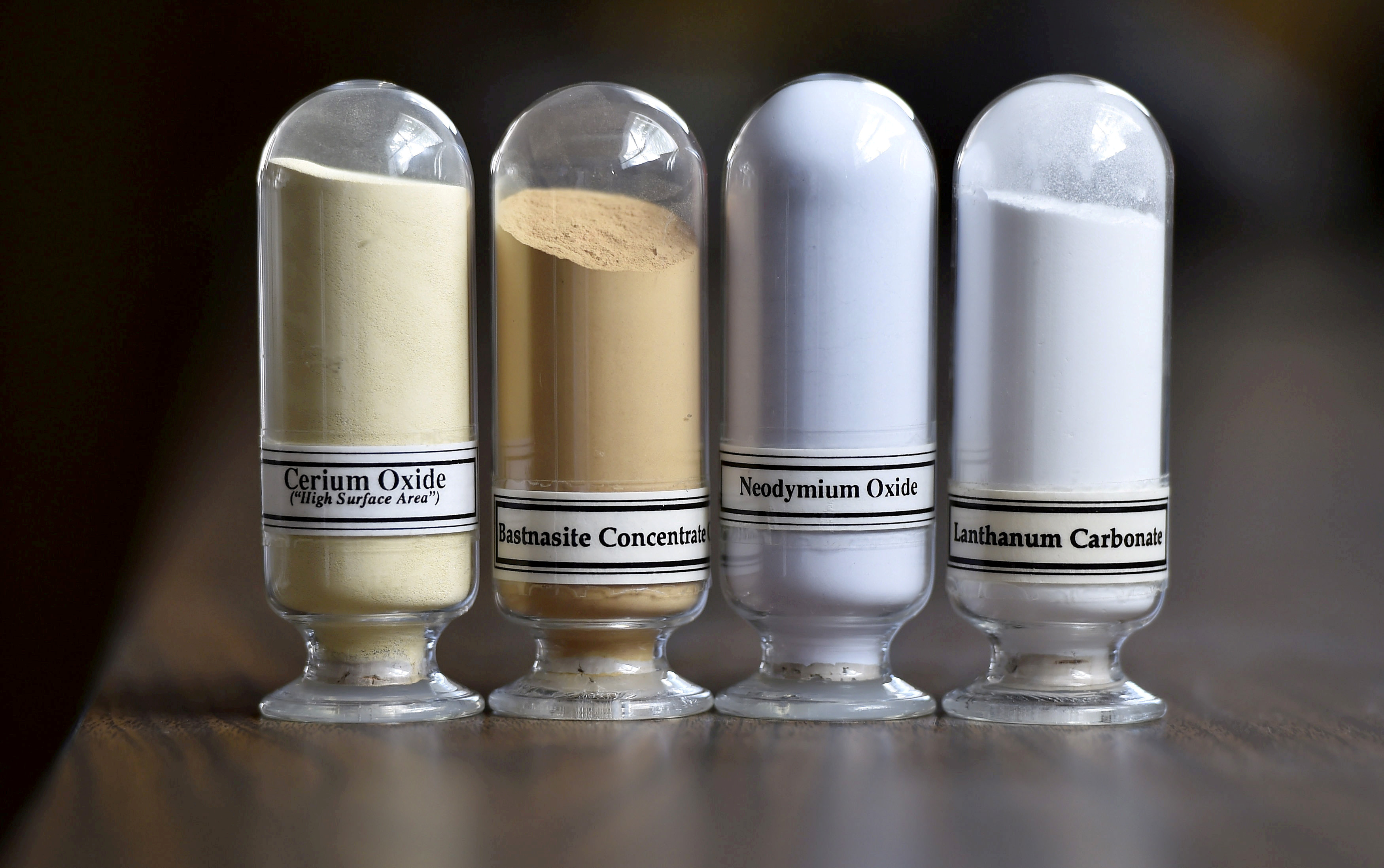
While exports of many rare earths or related magnets have rebounded since China imposed restrictions in April 2025, the prices of certain rare earths and critical materials like yttrium, indium phosphide, and tungsten that have military applications or are used in sensitive industries including aerospace or chipmaking remain near record highs with tight supply.
Other industries affected by licence delays include medical devices and energy.
Exports of yttrium to the US have risen this year but remain only about half of 2024 levels, despite large shipments to other countries, Chinese customs data shows. Two sources who declined to identify themselves said that some US companies have waited more than six months for mineral licences.
"China has been very effective in using rare earth export controls to impose restraint on the Commerce Department's Bureau of Industry and Security," said Rhodium Group geopolitical strategist Reva Goujon, referring to the US agency responsible for various restrictions targeting China.
"Supply chain chokepoints will come into focus, but I would expect Beijing to loosen up critical raw material controls a bit around the summit to deflate US allegations that Beijing is not upholding the Busan truce," she added.
The US Treasury, the US Trade Representative, the State Department, and China's Commerce Ministry did not respond to requests for comment.
China's Foreign Affairs Ministry said they are committed to maintaining global critical mineral supply chains.
Beijing said its August decision to sanction the RBA and other US auditing firms responded to a series of FCC restrictions since December last year, targeting Chinese electronics testing labs, drones, consumer routers, submarine cables, advanced robotics equipment, and power inverters.
According to one source briefed on the interaction, when US officials raised the rare earths issue in meetings, Chinese officials countered that the FCC actions violated the Busan truce.

However, after two months without yttrium exports, China sent 27 tons of the material to the US in July, the second-highest monthly shipment since January 2025.
Several US firms also reported recently receiving multiple licences after long waits, two sources said, with some firms anticipating more approvals around the summit.
Two sources familiar with the matter said that licence approvals are even more limited for Indian and Japanese buyers. One noted that Chinese suppliers are overwhelmingly refraining from shipping material to Japanese firms.
Previously, Japan's Trade Minister Ryosei Akazawa said Japanese companies have faced permit delays and prolonged customs inspections for critical minerals, including rare earths. His ministry did not immediately respond to a request for comment today.
China exported no terbium to Japan between January and August of this year, down from 20 tons over the same months last year. Chinese customs data showed that gallium shipments were 65 per cent down in the same period, while yttrium was down 98 per cent.
Gallium and terbium are used in small amounts to make high-performance rare earth magnets.
"While processes have been streamlined, our member companies still face issues with implementation. What our members would like to see is a commitment to implement a transparent and predictable application process that provides reliable access to rare earth elements," the European Chamber of Commerce in China told Reuters in a statement.