


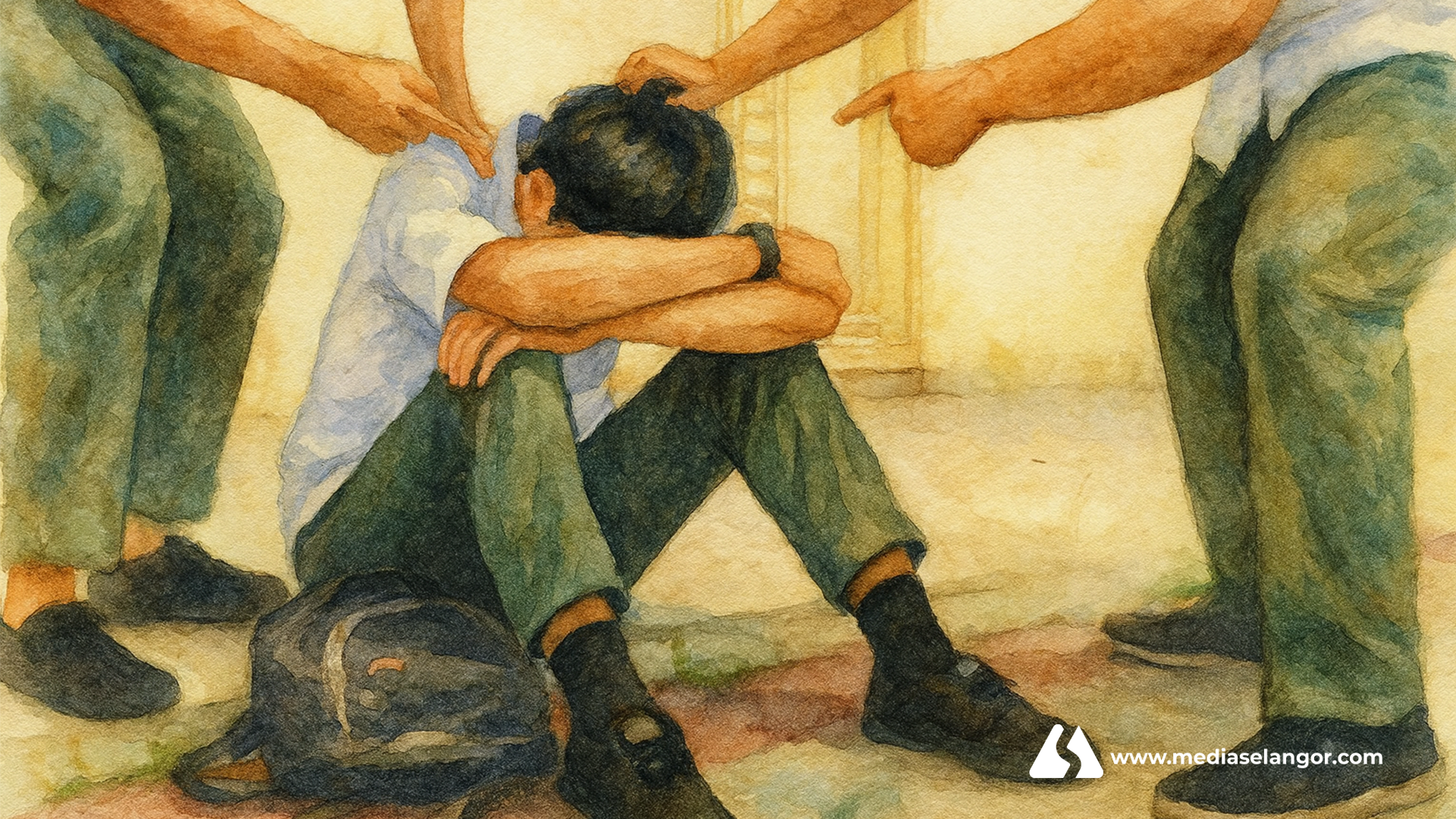
SHAH ALAM, Sep 3 — Minor disputes such as taunting and insults should not be taken lightly when they persist and lead to resentment and a desire for retaliation.
The Bukit Aman Gangsterism Prevention Unit's ASP Yusmar Yadee Salim said interpersonal conflicts were often an immediate trigger for violent incidents involving students.
Causes included disputes, relationship rivalry, insults, or prolonged conflicts.
He said the situation could worsen when students failed to control their emotions, sought support from friends, or began planning retaliation.
“Bullying can create a cycle in which victims harbour anger, seek support from friends, retaliate, and eventually the conflict becomes more violent,” Yusmar said.
He added that peer influence also played a role, as individuals could become more emboldened in a group, while some friends might record, cheer on, or encourage fights.
Therefore, parents and teachers need to watch for behavioural changes such as increased aggression, frequent threats, or talk of fighting and revenge.
More serious warning signs include showing unusual interest in weapons, talking about obtaining them, or concealing certain objects.
However, Yusmar cautioned that a single behavioural change did not mean a student would become violent.
Instead, schools should consider a combination of warning signs and an escalation in the level of threat before intervening.
He noted that if a weapon was brought to school and criminal elements were involved, school disciplinary action would not prevent the police from investigating under the law.