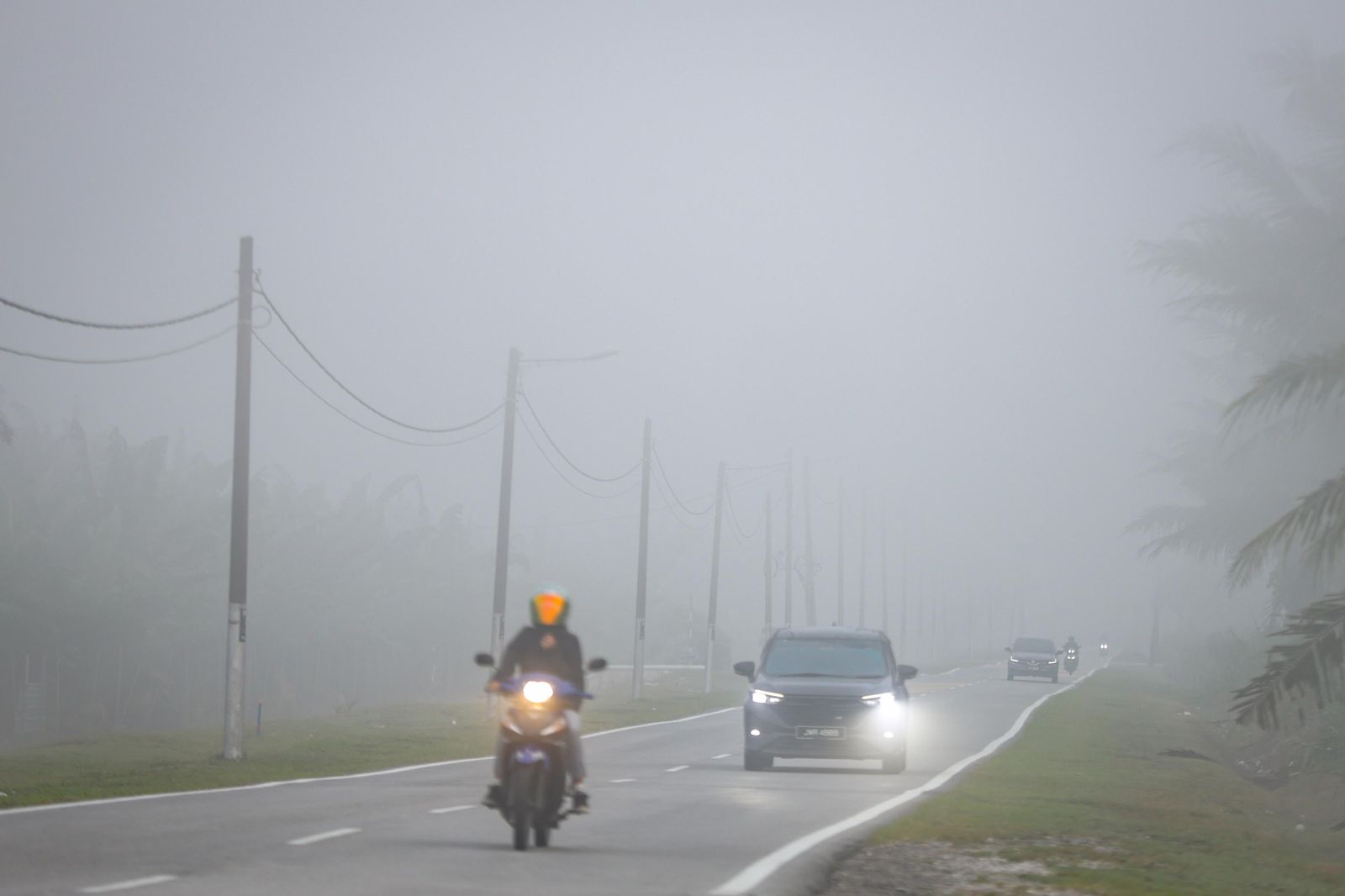
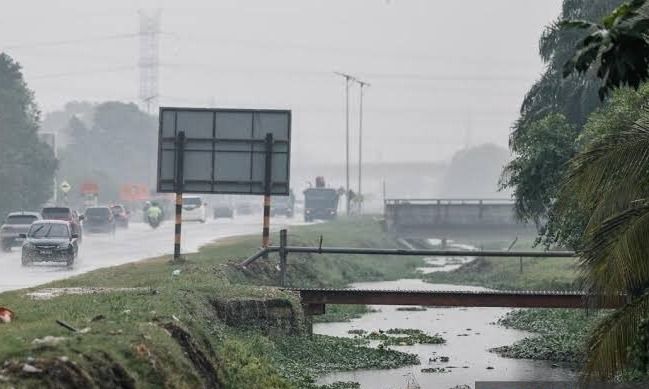
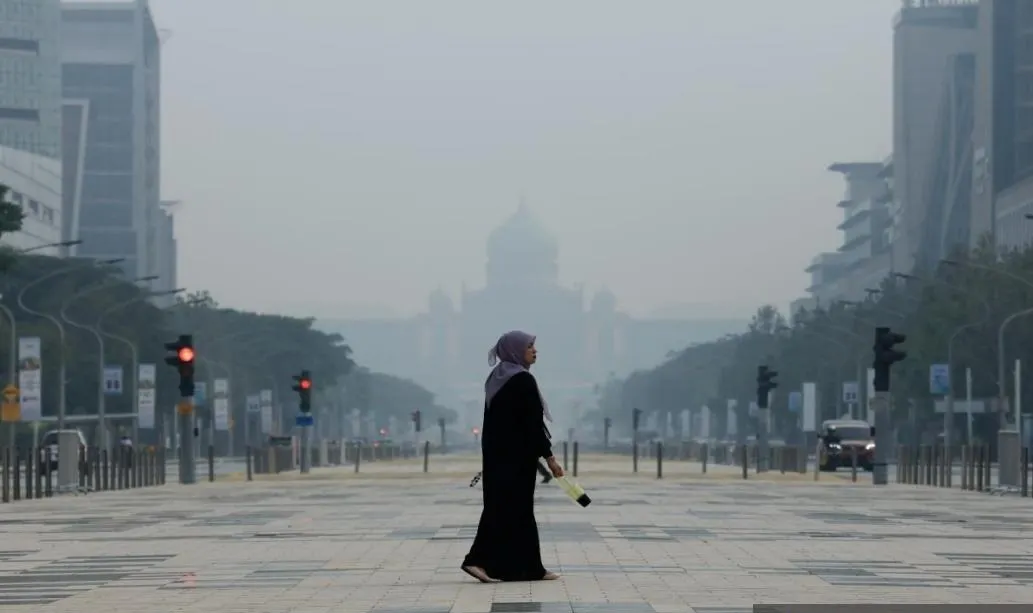
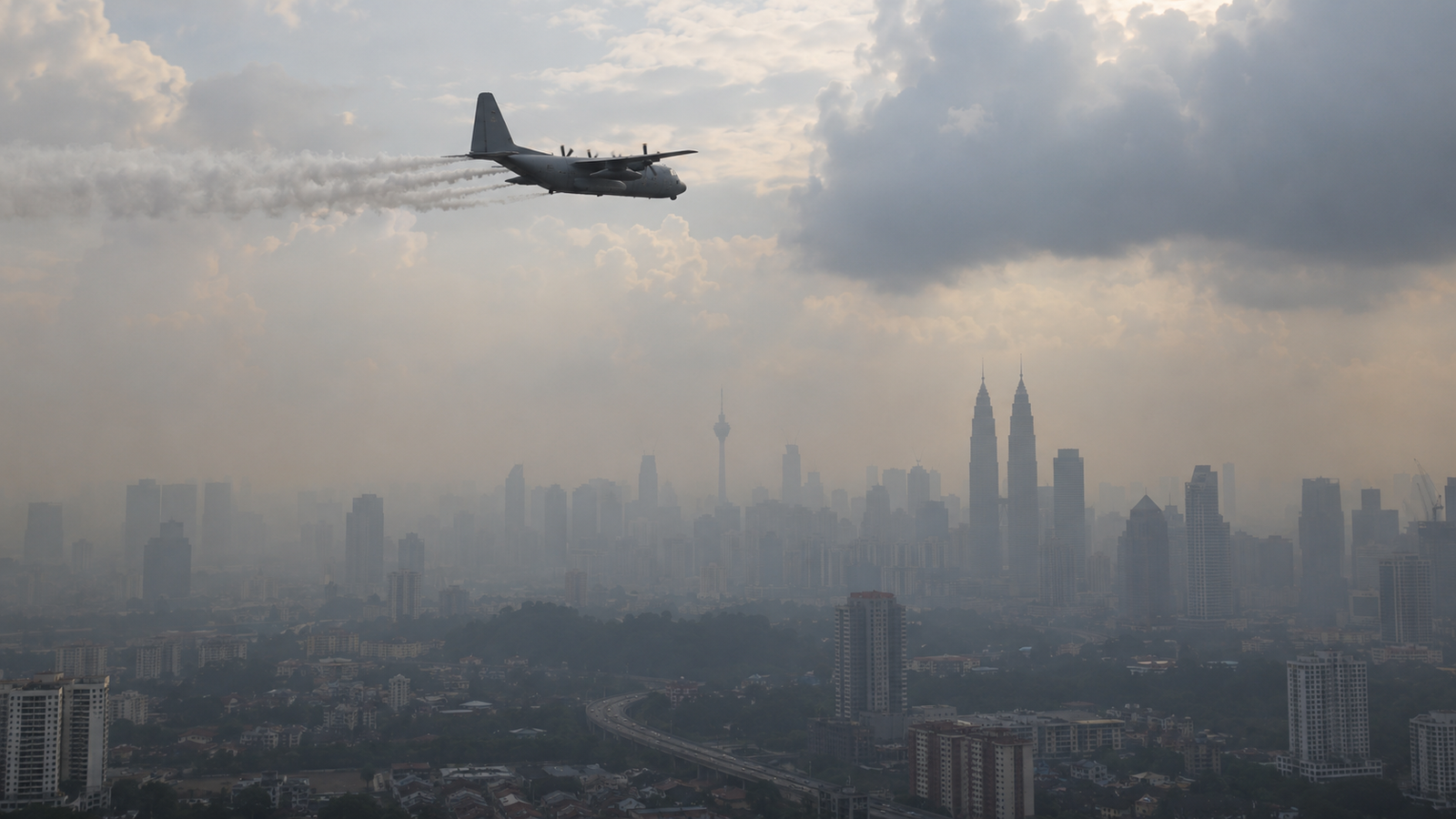
KUALA LUMPUR, Sept 3 — The Environment Department (DOE) will continue to step up monitoring to ensure that no activities occur that could potentially worsen the haze situation in the country.
Its Enforcement Division director Rosli Zul said that officers, along with authorised agencies, are constantly conducting monitoring and patrols, particularly regarding open burning, including at residences, plantations, industrial activities such as charcoal burning for energy generation, and blasting at quarries.
The DOE has also issued letters to landowners and plantation owners to ensure site owners play their part in preventing activities that contribute to an increase in the Air Pollutant Index (API).
“We also constantly monitor hotspots detected through satellite images and will continue to verify whether there are fires in the affected areas to be immediately reported to the Malaysian Fire and Rescue Department for prompt extinguishing,” he said as a guest on Bernama TV’s 'Ruang Bicara' talk show, titled "Haze: When the Air Becomes a Threat" yesterday.
Rosli added that motor vehicle movements also generally contribute to the decline in air quality.
“The actual root cause (of the haze) is forest burning from neighbouring countries, worsened by hot weather coupled with the wind direction of the southwest monsoon. That brings (the smoke from burning) into Malaysia, but we domestically also need to play our part so that the situation does not get worse.
“Among the small steps that can be taken include making full use of public transport, if possible, to reduce reliance on private vehicles,” he said.
Rosli noted that the DOE will continue to channel air quality-related information through 68 monitoring stations nationwide, and hopes it will guide the public in planning their daily activities, especially for at-risk groups such as the elderly and children.
Based on data from the Malaysian Air Pollutant Index Management System, two areas in Sarawak recorded hazardous API levels as of this afternoon, with the Serian district police headquarters recording the highest reading at 325.
Kuching also recorded a hazardous API level (309), while five areas in Sarawak recorded very unhealthy API levels: Samarahan (287), Sarikei (256), Sibu (248), Sri Aman (247), and Mukah (205).
A total of 16 stations recorded unhealthy API readings, with Bintulu, Sarawak recording the highest at 192, followed by Kapit, Sarawak (190), Kota Kinabalu Polytechnic, Sabah (178), Keningau, Sabah (175), and Kota Kinabalu, Sabah (173).
Also recording unhealthy readings were Labuan (173), Samalaju, Sarawak (172), Kimanis, Sabah (171), ILP Miri, Sarawak (170), Limbang, Sarawak (169), Miri, Sarawak (166), Johan Setia, Selangor (159), Putrajaya (151), Nilai, Negeri Sembilan (151), Sandakan, Sabah (136), and Seremban, Negeri Sembilan (109).