WASHINGTON/DUBAI, Sept 2 — The US launched a barrage of airstrikes against Iran last night, prompting Iranian retaliation in the most serious escalation in weeks in a conflict that has driven up global energy prices and weighed on President Donald Trump’s popularity at home.
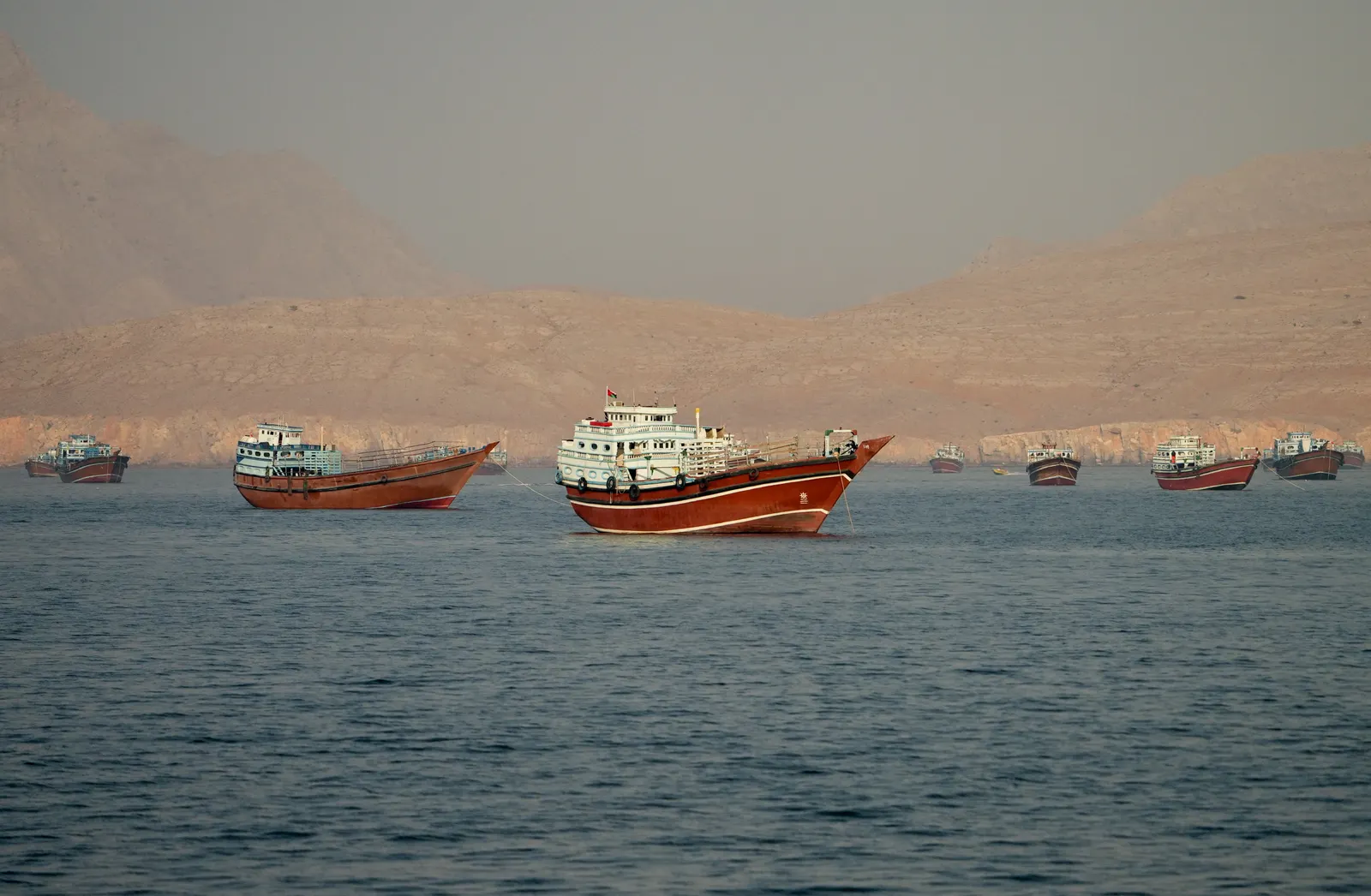
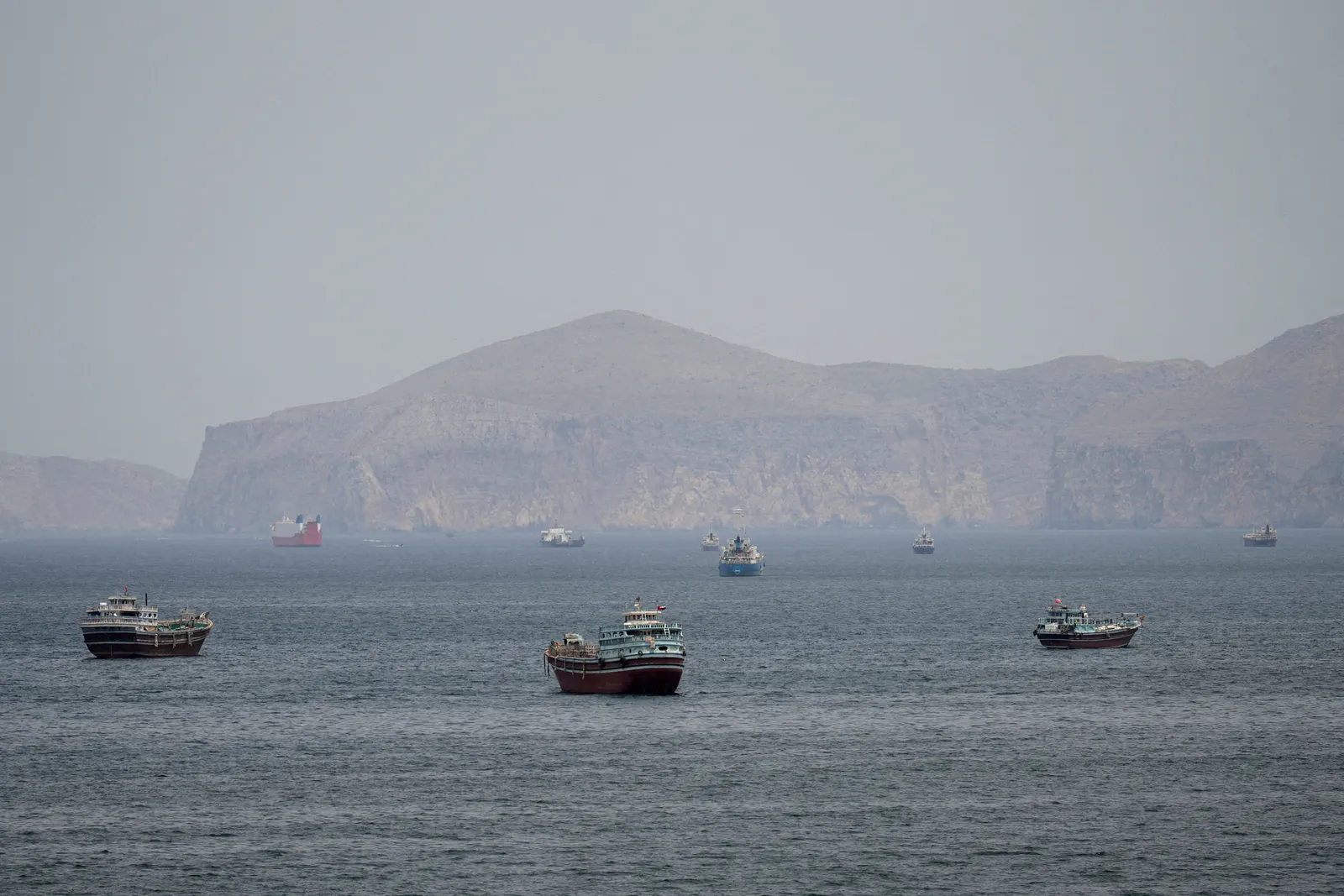
The strikes followed a weekend exchange of fire — the first since July — and attacks on Monday on two tankers leaving the Strait of Hormuz, the global oil supply waterway that Iran has effectively closed to shipping.
Global oil prices rose more than US$4 a barrel today, settling at a five-week high.
Tehran struck back at US assets in Jordan, Bahrain and Iraq and remained defiant, warning that it would prevent oil from being exported from the Gulf despite a threat by Trump to hit Iran “hard” and a warning from US Treasury Secretary Scott Bessent that Washington was about to impose new sanctions.
Five people were killed and 50 wounded at a wedding near Sirik, a coastal area on the Strait of Hormuz, the Iranian Red Crescent reported.
Mehr news agency said a four-year-old child was among those killed, while IRNA news agency, citing a provincial official, put the number of wounded at 68.
There was no immediate US reaction to the reports.
The Islamic Revolutionary Guard Corps (IRGC) said in a statement that the US attacks would “tighten the lock” on the Strait of Hormuz, which carried one in every five barrels of the world’s oil before the war.
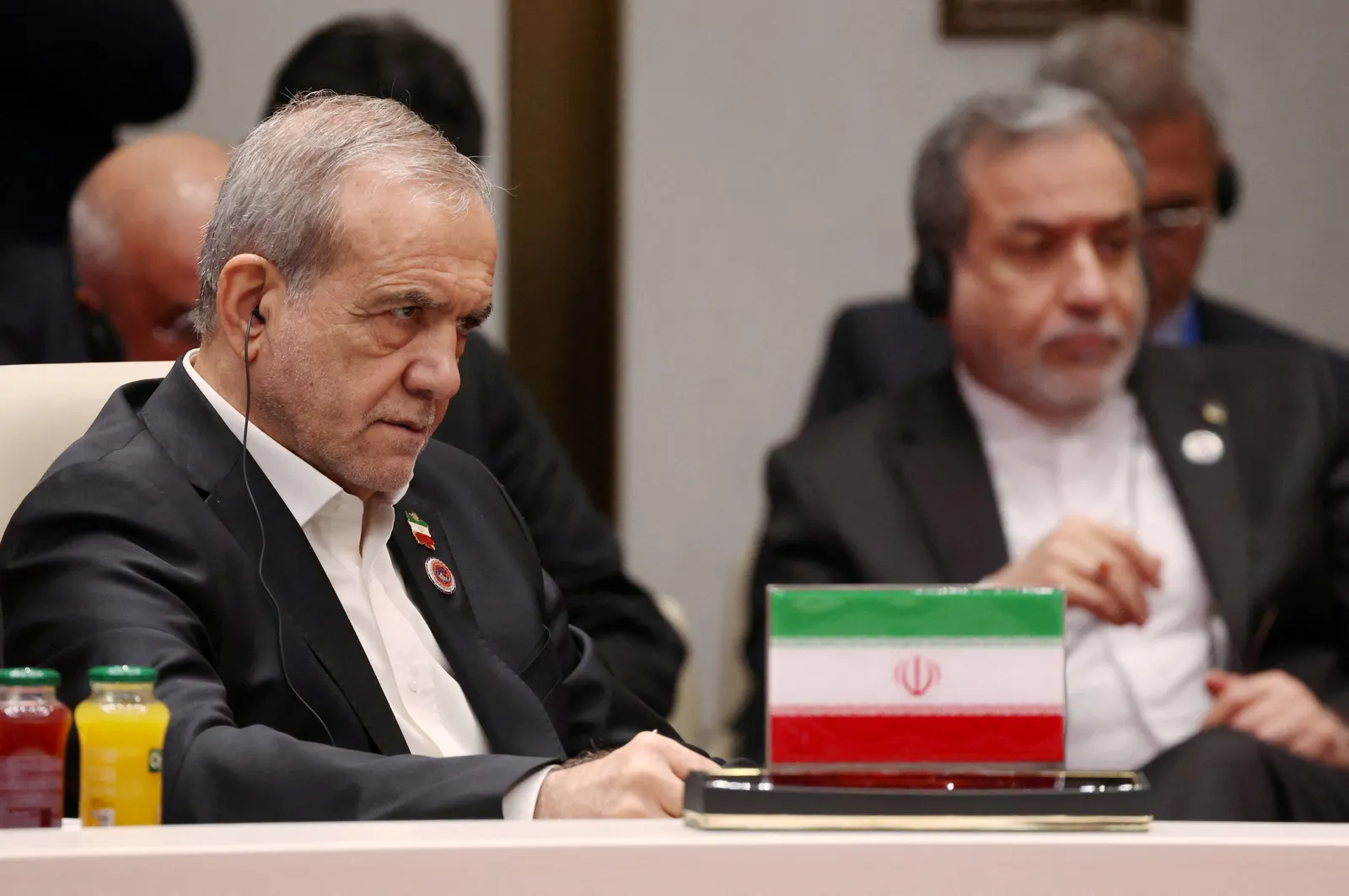
“If the enemy wants us not to export oil from the Persian Gulf, no one will be able to export oil,” Iranian parliament speaker Mohammad Baqer Qalibaf was quoted as saying by Iranian media.

Neither threats of further strikes nor new economic sanctions appear to have materially changed Tehran’s position. Iran has been under heavy economic sanctions for half a century.
The US strikes followed a month of relative calm during which Washington and Tehran mostly held their fire while exchanging hostile statements.
US Central Command said it had completed a wave of strikes against IRGC targets on Tuesday, including air defence sites, radar systems, maritime assets and facilities, mine-laying capabilities and communications sites.
Iranian media reported multiple strikes, including a US missile attack near the city of Ahvaz and another at the civilian Jiroft airport in southeastern Iran.
Explosions were also heard in the southeastern port of Chabahar, the port city of Bandar Abbas on the Strait of Hormuz and Asaluyeh, a critical gas hub on the Gulf coast.
Iran’s state broadcaster also reported explosions on Qeshm Island, on the northern side of the strait.
Iran fires back
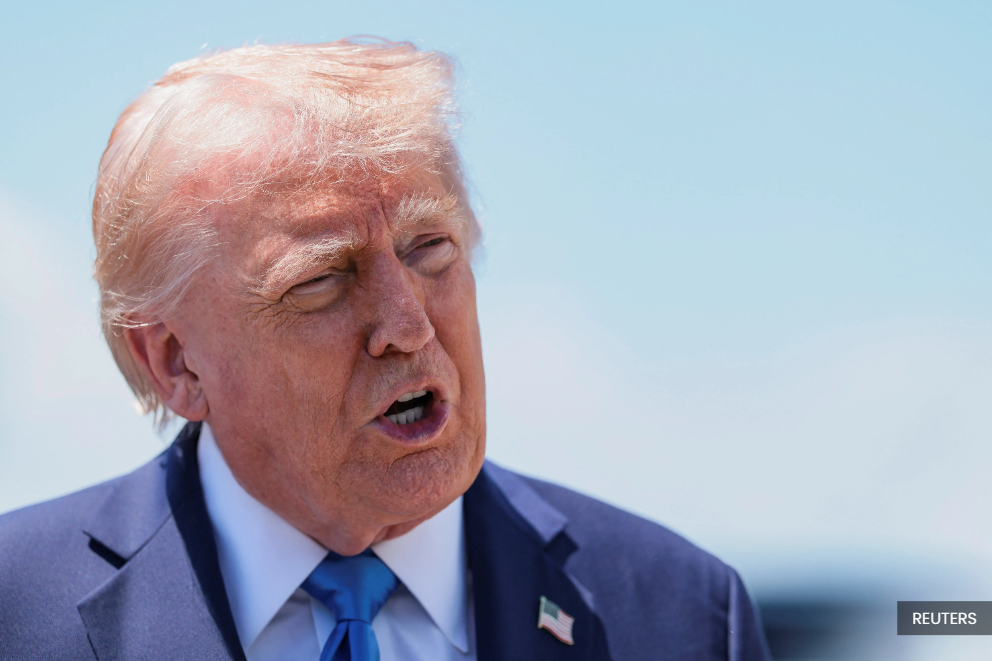
Trump warned Iran against responding to Tuesday’s assault, threatening to strike again “at a much harder and higher level”.
“But it will not be the biggest attack of them all, that is waiting in the wings and, when it is over, there will be very little left of the Islamic Republic of Iran!” Trump said in a social media post.
Despite the warning, the IRGC said it retaliated with a heavy ballistic missile attack on a base in Jordan and claimed to have “killed a large number of US forces”.
Two US officials told Reuters there had so far been no casualties from the Iranian attack on facilities in Jordan. They cautioned that the assessment was based on initial information and could change as Iranian attacks continued.
Iranian media also reported that the country’s military targeted a US base in Bahrain with a large-scale drone attack, while the Kuwaiti army said its air defences were responding to a hostile drone attack.
Since the US and Israel attacked Iran on February 28, Tehran has responded with missile and drone strikes against US allies in the region.
Jordan’s armed forces said its air defence systems dealt with 13 ballistic missiles that entered the kingdom’s airspace, intercepting 10 while three fell in remote areas.
Bahrain said Iranian drones were intercepted and destroyed.
The IRGC also said its ground forces carried out combined missile and drone attacks on US bases in Erbil in northern Iraq, destroying a repair facility, warehouses containing technical equipment and a system used to control a US surveillance balloon.
The IRGC also claimed fuel tanks were set ablaze and several US personnel were killed.
Neither Iraq nor the US had confirmed the attack.
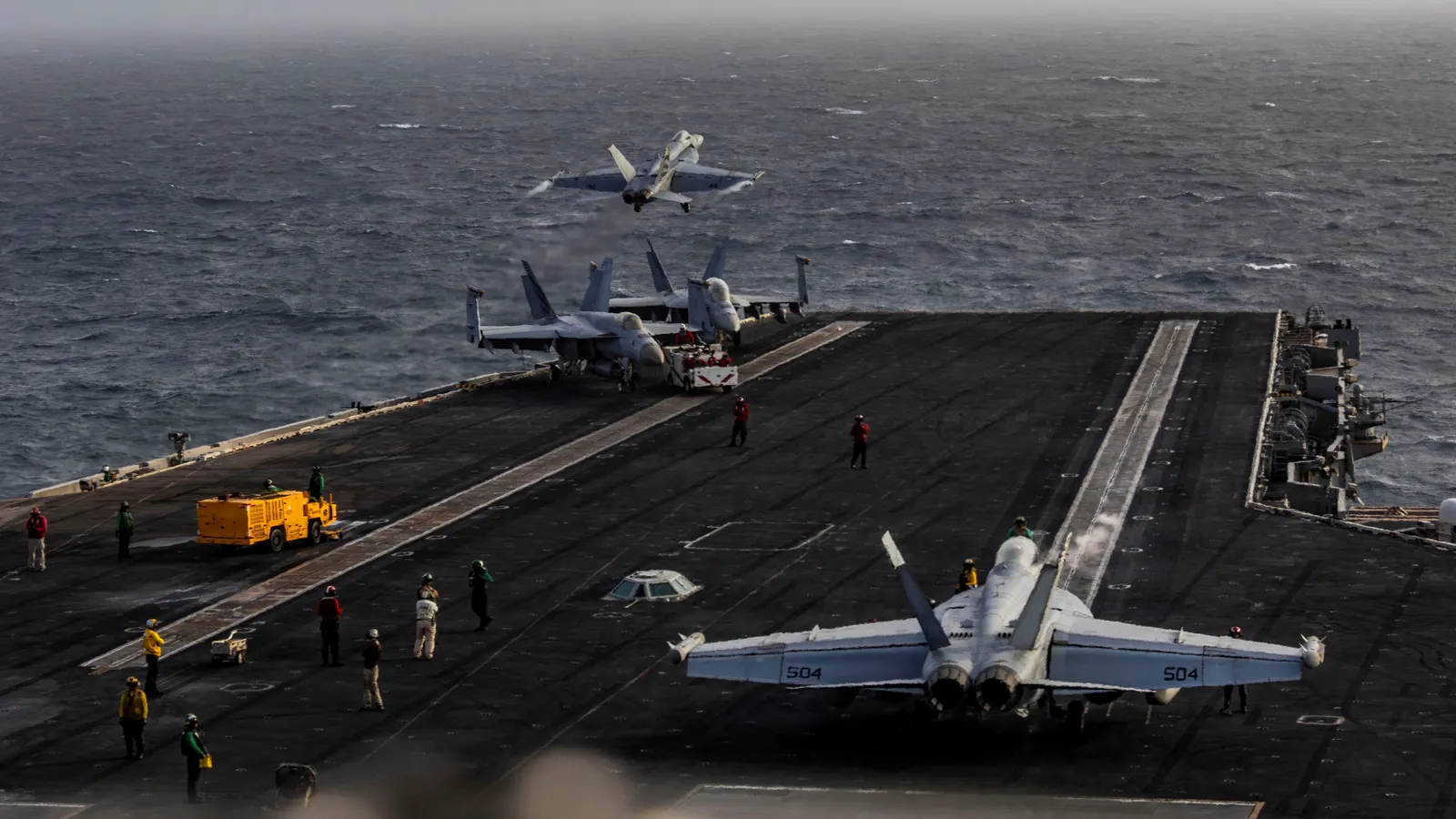
The six-month-old conflict had shifted into an economic standoff before the weekend strikes, during which US forces attacked Iran’s Larak Island on Sunday and Tehran responded by launching missiles at two US air bases in Jordan.
In an interview with Fox News, Trump played down the prospects of another ceasefire.
The US and Iran reached a deal in June that quickly fell apart, largely over differing interpretations of Iranian control of the Strait of Hormuz.
“I think an agreement with them isn’t worth the paper it’s written on. We gave them a lot of chances,” Trump told Fox News.