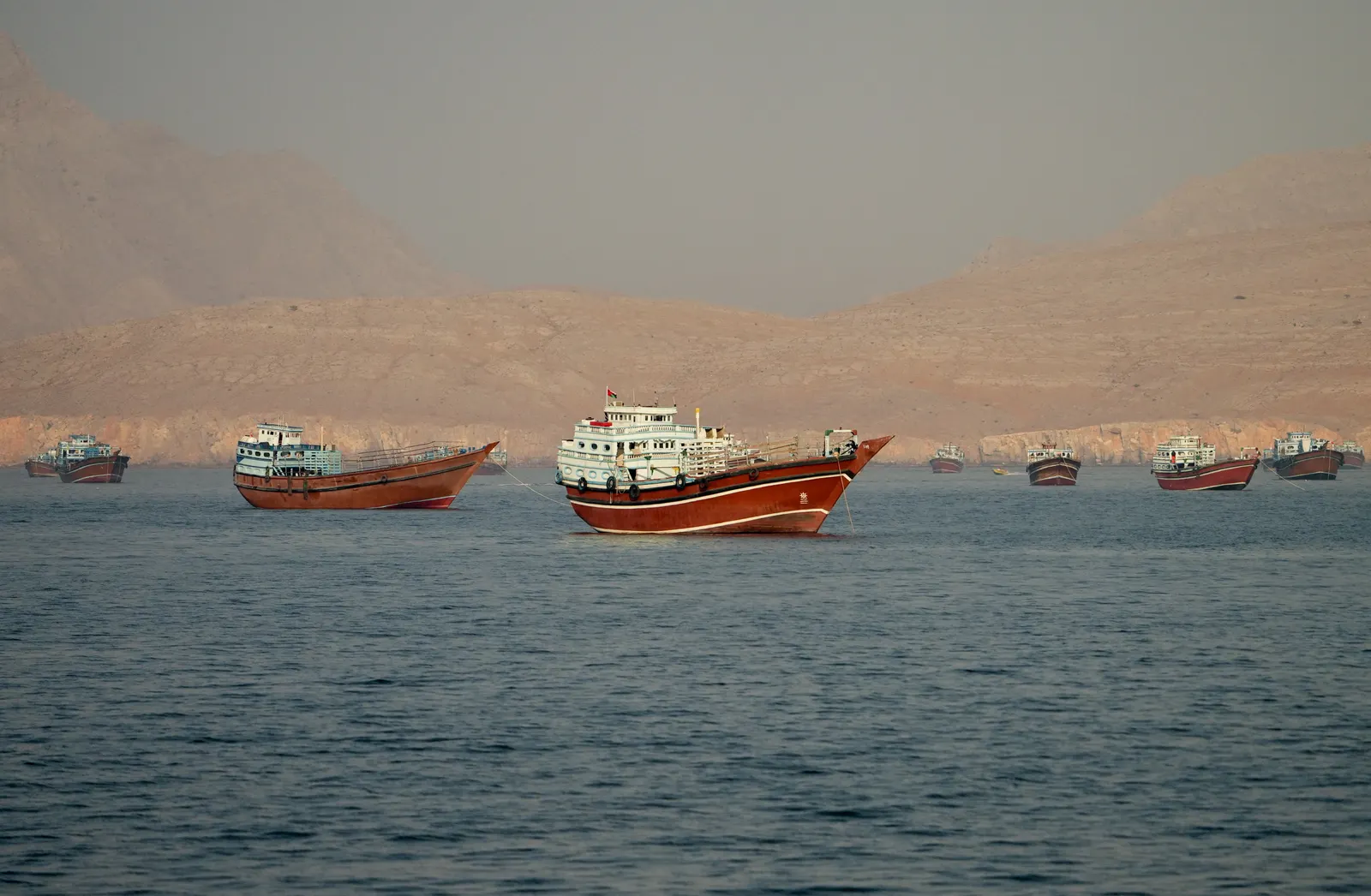
DUBAI/RIYADH, Aug 6 — A proposed deal between Iran and Oman aimed at ending five months of war between Iran and the US would give Tehran control over ships entering the Gulf through the Strait of Hormuz, a senior Iranian source and two regional officials told Reuters yesterday, marking one of the biggest concessions yet to Iran.
There was no immediate comment from the US. While President Donald Trump has said a deal to reopen the strait is imminent, US officials have repeatedly insisted they would never agree to Iran controlling access to the world's most important energy shipping route.
An agreement granting Iran authority over traffic through the strait would represent a major shift in the regional balance of power in Tehran's favour following the war launched by the US and Israel in February. Before the conflict, the strait was open to all ships without restrictions or transit fees.
As part of broader diplomatic efforts in the region, Iran and Oman have been holding bilateral talks on the Strait of Hormuz, which the two countries jointly oversee through its northern and southern channels. Iran reported "significant progress" in the negotiations and said both inbound and outbound voyages would pass through Iranian territorial waters.
Meanwhile, Iran has warned Gulf states that any fresh US attack on its territory would trigger retaliation against critical energy infrastructure across the region, according to five sources, as Tehran seeks to raise the cost of military action by threatening Washington's closest regional allies.
“The Iranian warning was unequivocal: if America targeted Iran's infrastructure, they would retaliate by striking Gulf energy facilities and other regional targets,” one Gulf source said.
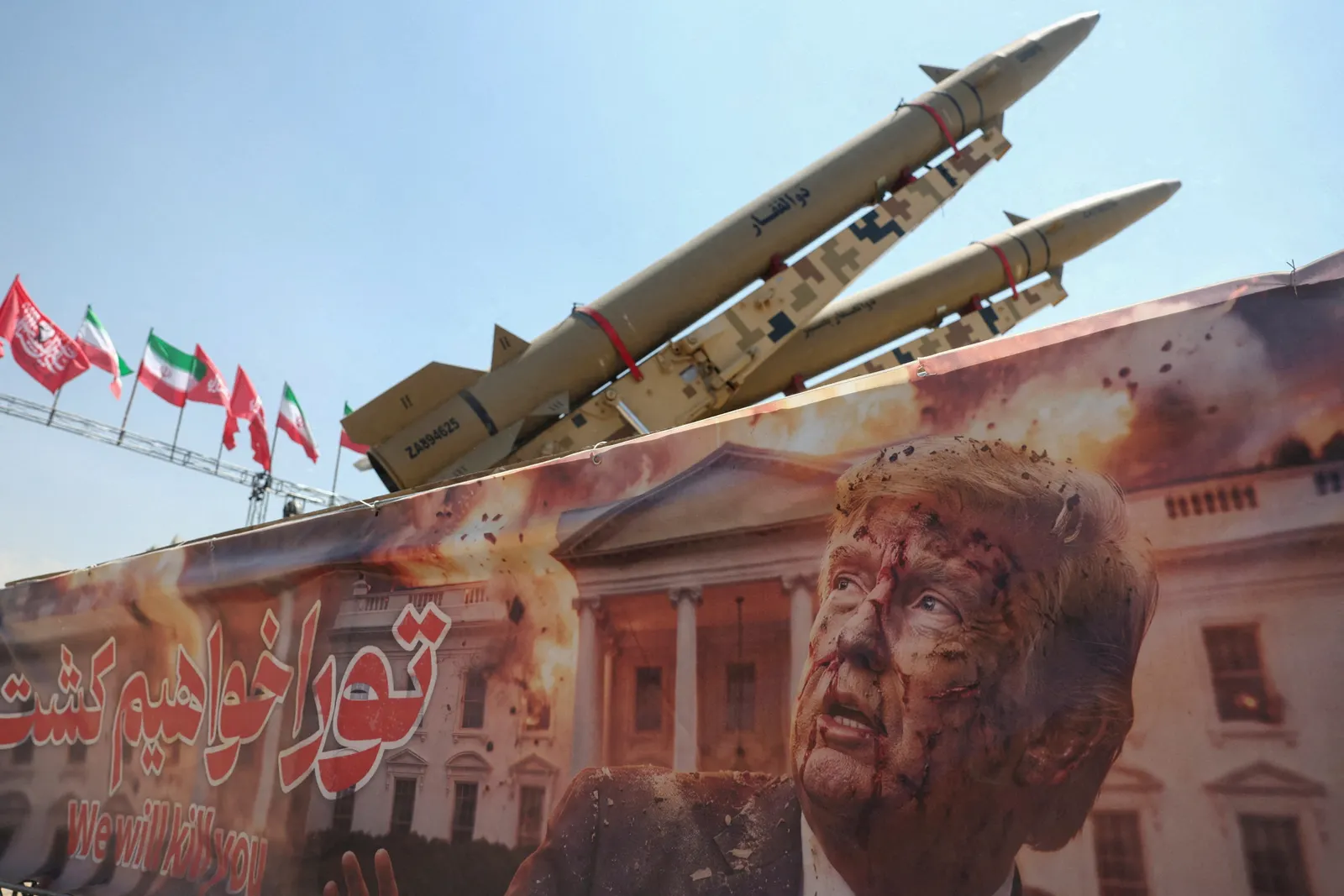
Iran has responded to the conflict by launching missiles and drones at US allies in the region while also targeting commercial ships transiting the strait without its permission.
Speaking at a rally in Las Vegas, Trump said he still preferred a diplomatic solution.
“I'd rather make a deal because I don't want to kill people. I do not want to kill people, but at some point we're gonna,” he said.
Iran has reported more than 3,400 deaths since the US and Israel launched the war on February 28, while the US has reported 18 military personnel killed.
Unresolved issues
The regional and Iranian sources who spoke to Reuters cautioned that significant issues remained unresolved and rejected Trump's suggestion that a deal to reopen the strait was imminent.
“The concession has already been made regarding some form of control over Hormuz,” one of the regional sources said.
The second regional source said negotiators had yet to determine how "control" would be defined, with Gulf states insisting regional countries should supervise ship inspections and that any payment of transit fees should remain voluntary.
According to the senior Iranian official, Tehran is seeking transit fees of between five and seven per cent of the value of cargoes carried by ships using the strait. Oman has proposed fees of about three per cent, while Washington wants no fees to be imposed.
The Iranian source said the draft agreement already envisaged Iran controlling ships entering the Gulf through the strait, with one of the remaining sticking points being Tehran's authority over vessels travelling in the opposite direction.
Speaking to Iran's official IRNA news agency, Deputy Foreign Minister Kazem Gharibabadi said the proposed arrangement was “designed in such a way that commercial ships will pass through Iranian territorial waters, both on the inbound and outbound legs”.
He said talks with Oman had “reached fundamental understandings” and added: “This progress is on the verge of being finalised.”

Gharibabadi also said Iran had received messages from the US indicating it was “fully prepared to return to its commitments” under a mid-June memorandum of understanding that provided for the immediate cessation of military operations.
He said this was a condition for reopening the strait, while adding that no talks with the US had taken place in recent days.
Trump faces voter pressure
Trump, who at the start of the war said the conflict would end with Iran's “unconditional surrender” and with him approving the country's next leader, has come under increasing pressure to find a diplomatic solution as US voters oppose the war by a two-to-one margin ahead of November's crucial midterm elections.
Months of US military operations, including a two-week bombing campaign in July, have failed to loosen Iran's grip on the strait. US commanders advised Trump in July that stocks of some munitions were running low, while Reuters reported on Tuesday that the US Army had nearly exhausted its supply of long-range precision missiles.
Crude oil prices have fallen over the past two days after Trump called off renewed attacks on Iran, citing negotiations that he said could bring the conflict to an end.