
SHAH ALAM, Aug 28 — Work-from-home (WFH) arrangements can be considered for non-essential roles if the haze persists, but the decision must be made based on both actual and operational risks, said the Malaysian Employers Federation (MEF).
MEF president Datuk Syed Hussain Syed Husman said employers must consider the severity and duration of the haze, Air Pollution Index (API) levels, and specific job requirements.
“If severe haze persists, MEF supports employers considering WFH for employees in non-essential roles where the nature of the work permits it.
“However, WFH should not be viewed as an automatic nationwide compulsory requirement,” he told Media Selangor.
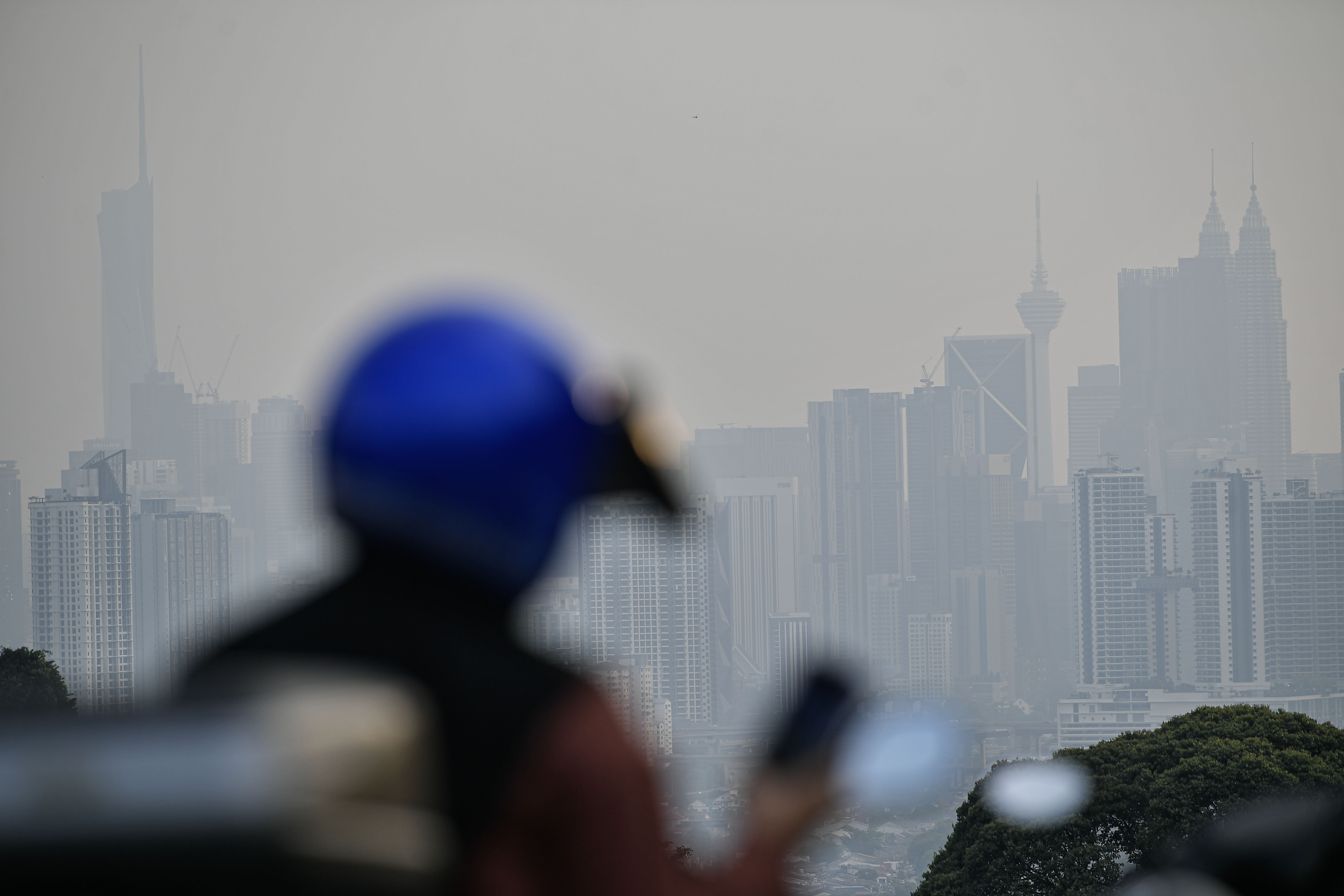
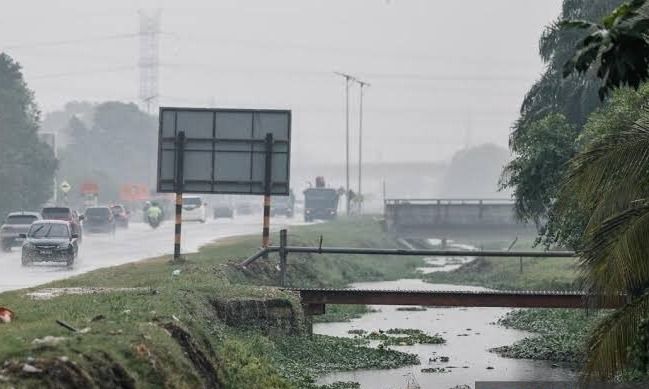
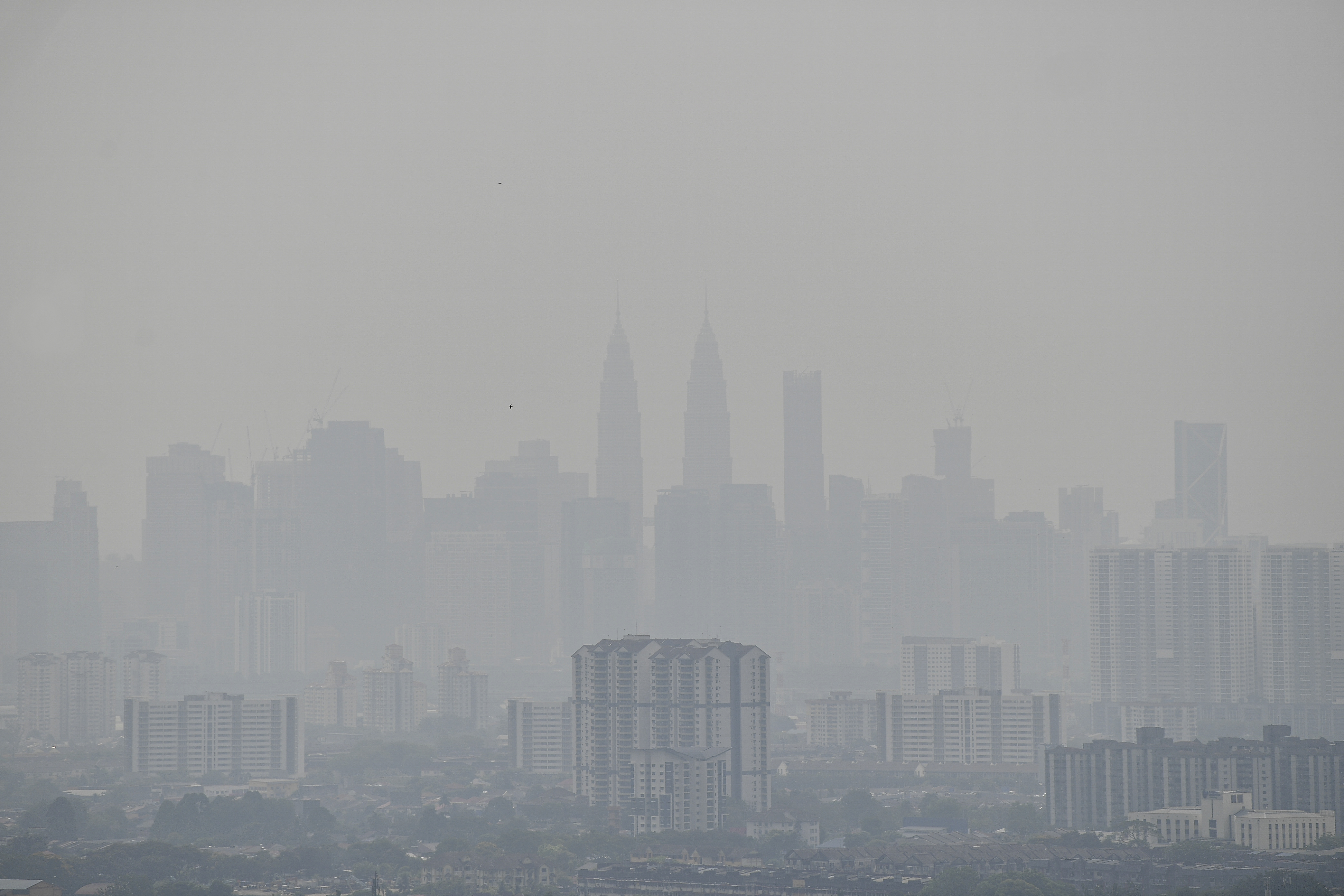
As of 7pm yesterday, the Environment Department’s (DOE) Air Pollutant Index Management System website reported 10 areas nationwide with unhealthy API readings, including Johan Setia (153) and Shah Alam (127).
On Wednesday, state executive councillor for public health and environment Jamaliah Jamaluddin said the state government had activated the National Haze Action Plan through the DOE due to deteriorating air quality in several areas across the state.
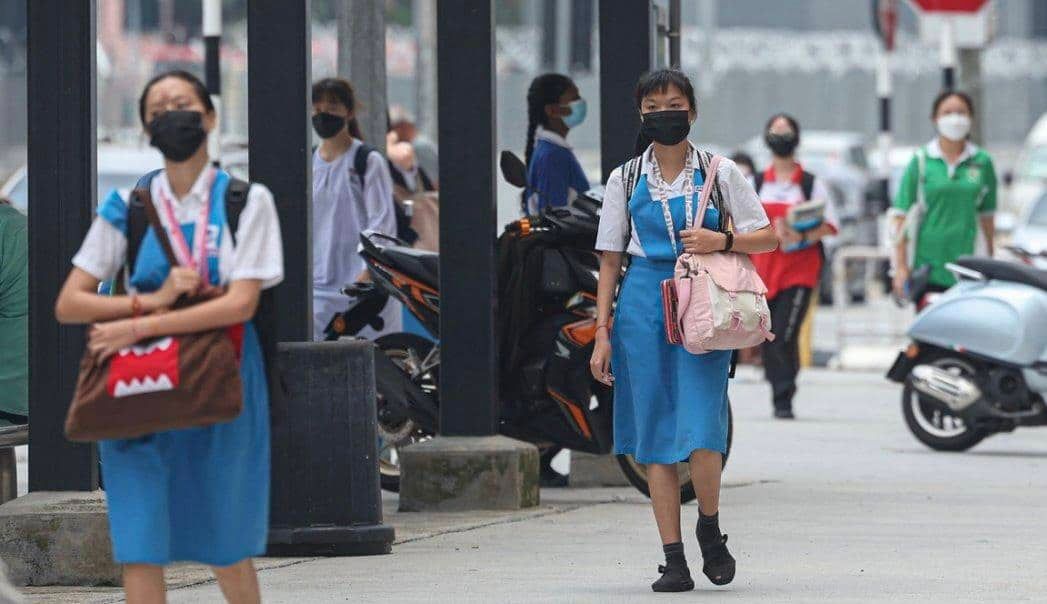
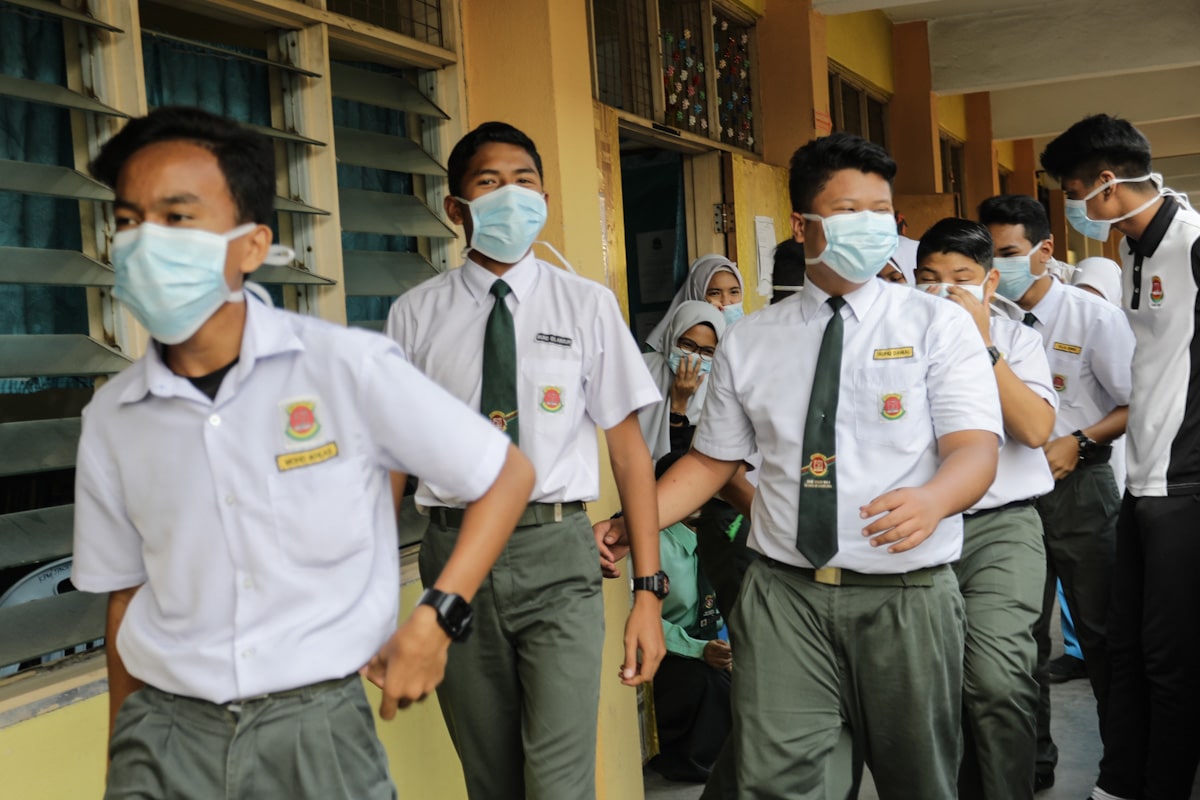
She also advised the public to limit outdoor activities unless necessary for work or school, and that schools have been issued with notices to close if the API reaches 200.
Meanwhile, Hussain said a blanket WFH imposition is impractical for industries requiring on-site operations.
“MEF does not advocate a blanket nationwide WFH requirement solely on the basis of haze. Any intervention should be targeted, temporary and proportionate to the actual severity of the situation.

“Manufacturing, construction, healthcare, logistics, retail, hospitality, and other essential or front-line activities cannot simply be transferred online,” he said.
Hussain added that micro, small, and medium enterprises could face greater difficulties due to limited digital infrastructure, fewer resources for remote-working systems, and less flexibility in reorganising work processes if the WFH is implemented.
As such, he advised employers to conduct workplace risk assessment, adjust work schedules, and provide appropriate protection for workers who must continue to work on site, particularly outdoor workers.
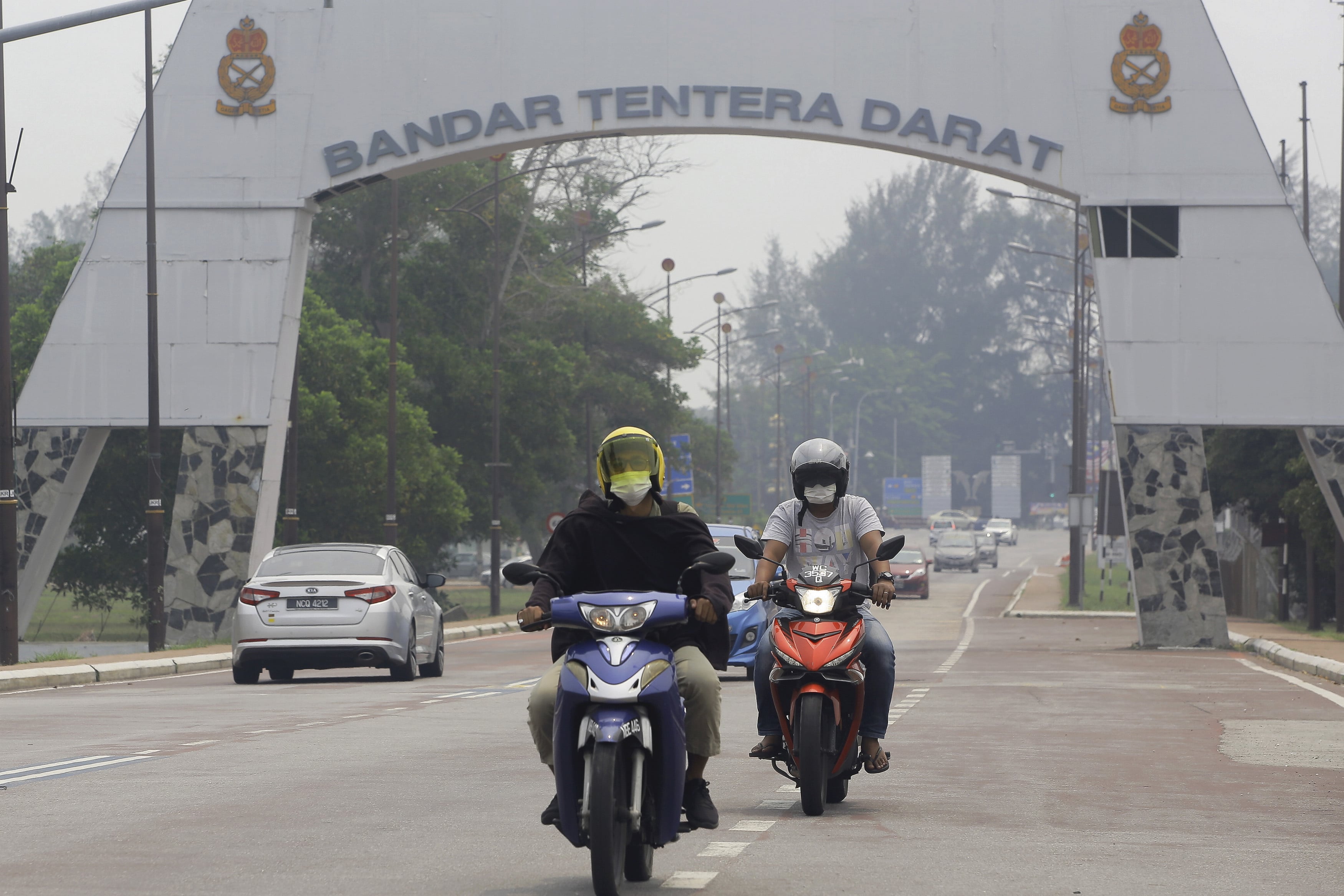
“Employers should ensure respiratory protection is properly selected, fitted, and used. Merely distributing masks without providing appropriate guidance on their use and limitations may not provide effective protection,” Hussain said.
He also emphasised that properly fitted N95-equivalent respirators should be provided where it is warranted.
Hussain urged employers not to use the current haze condition as a reason to unnecessarily disrupt operations as business continuity and employee protection must be balanced carefully.
He also called on the government to provide clear industry guidance based on API levels while giving employers flexibility to protect workers without paralysing economic activity, particularly for small businesses and essential services.