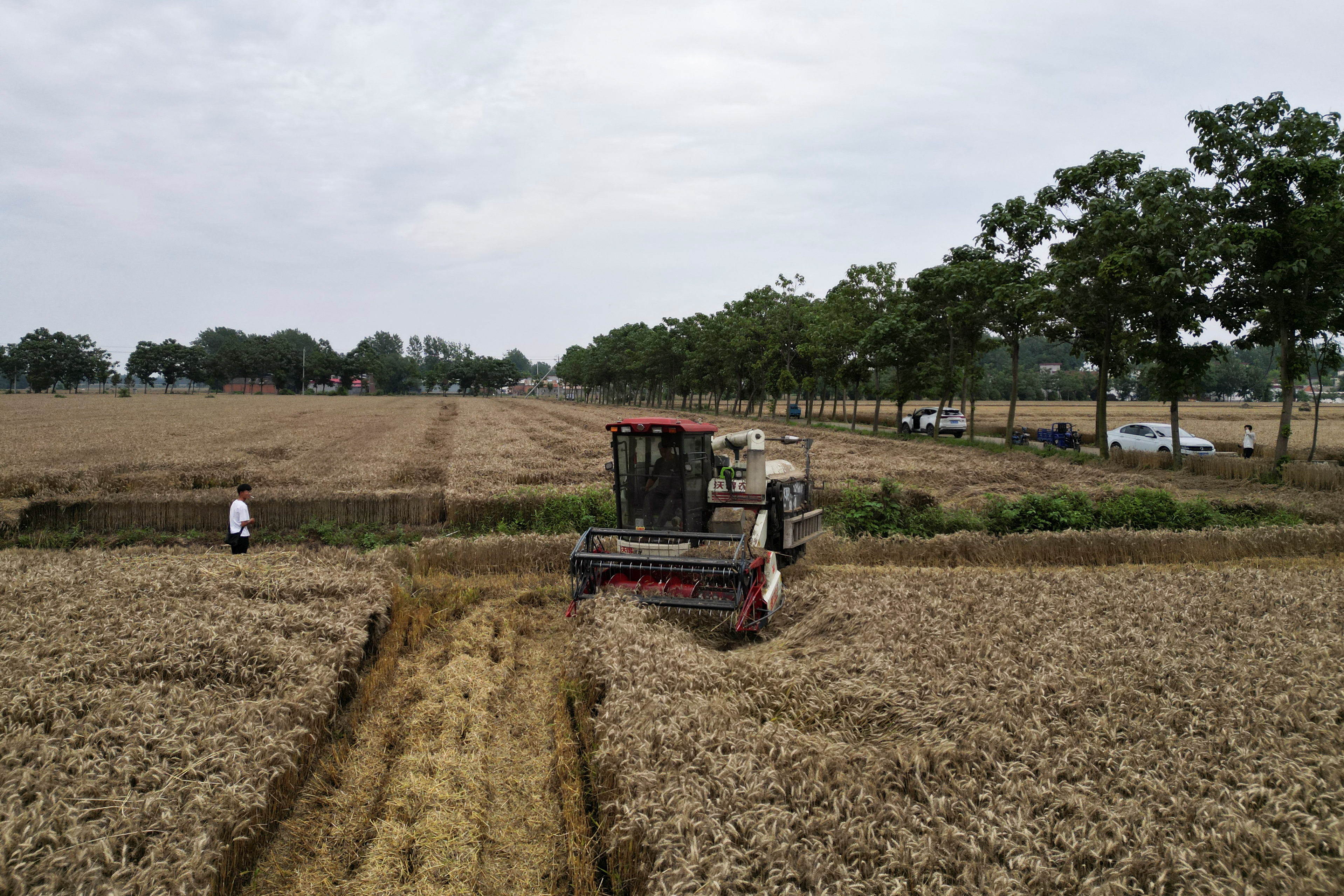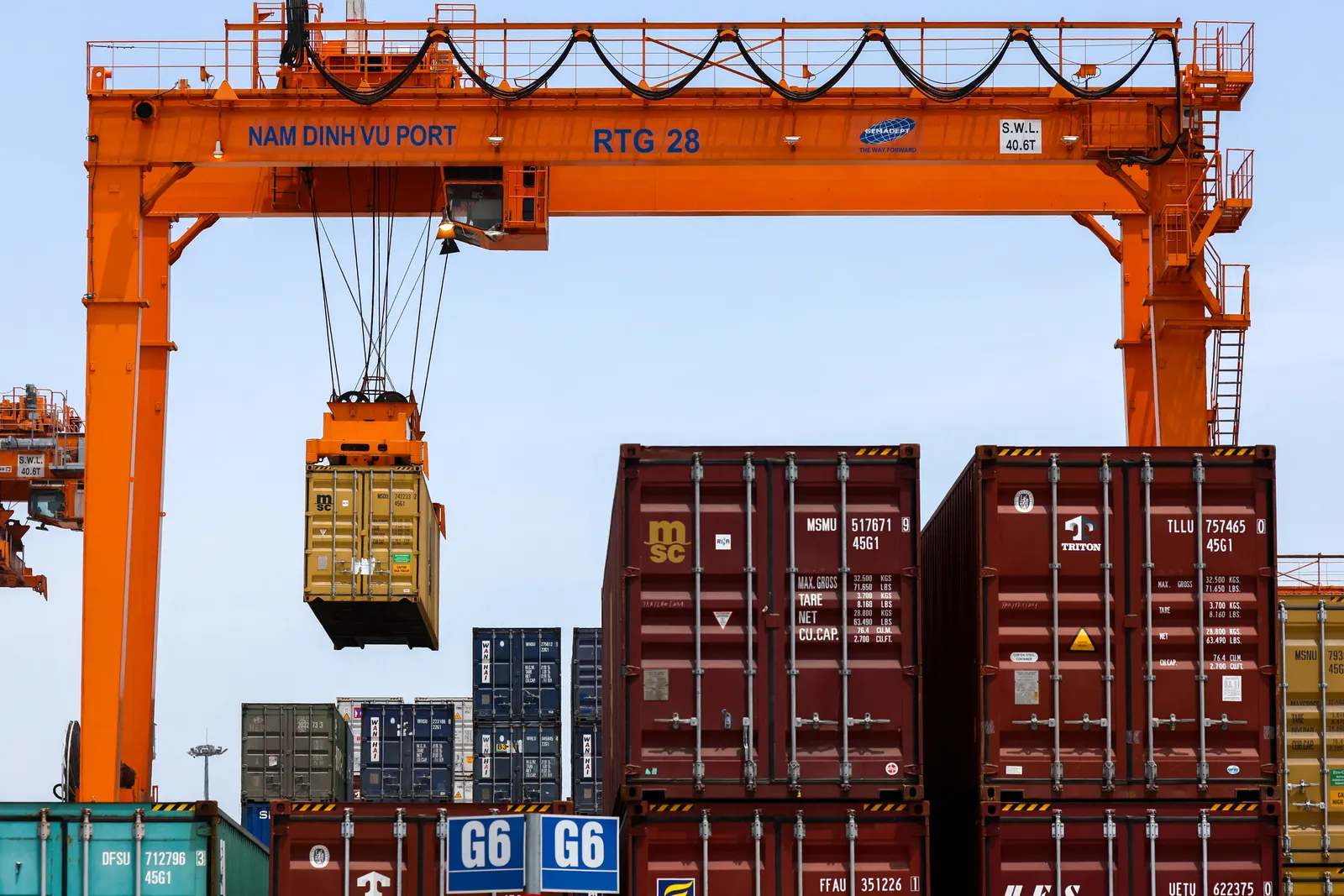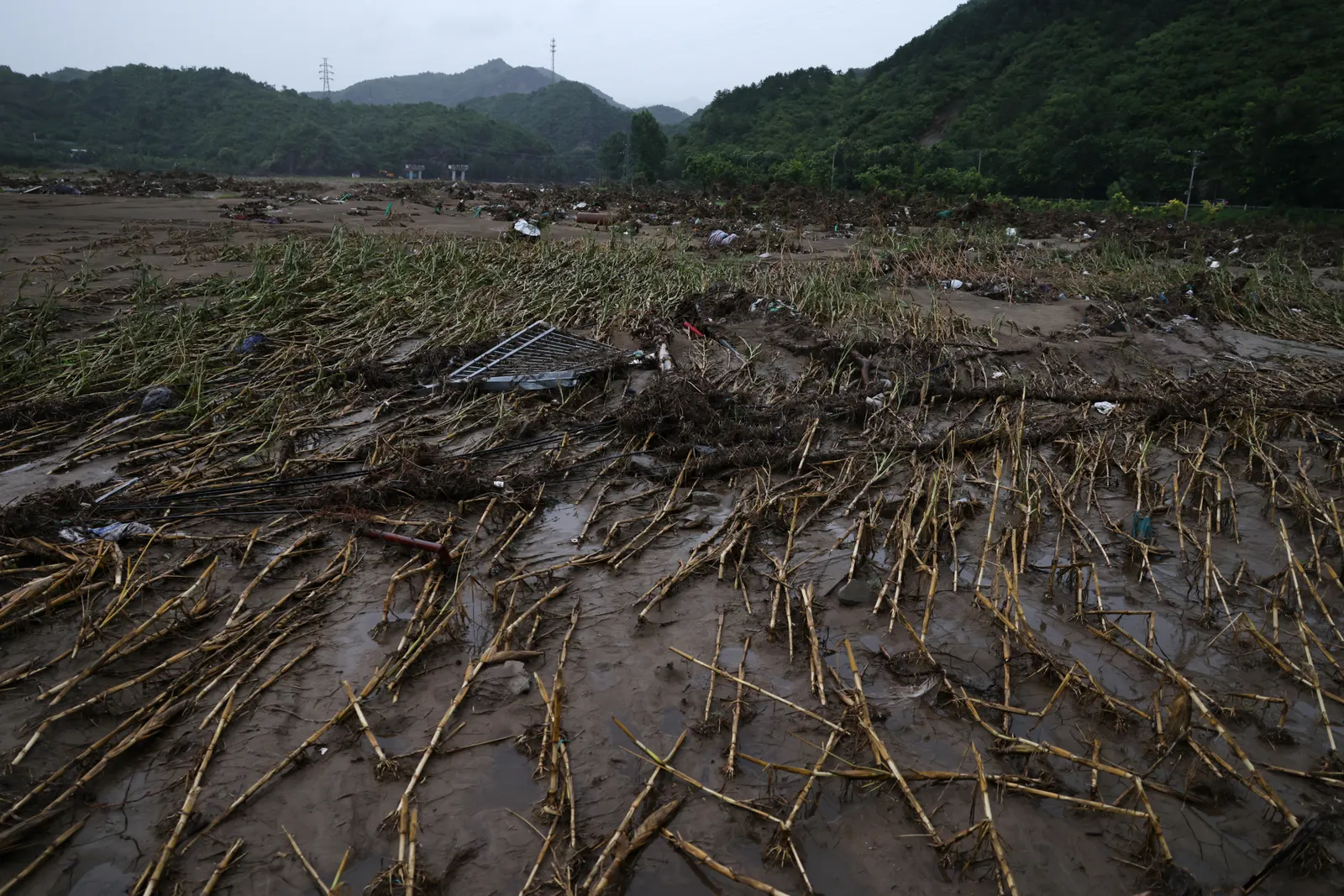
BEIJING, Aug 27 — High temperatures and heavy rain have battered China's key corn, soybean and cotton-growing regions since mid-July, threatening crop quality and yield losses that could boost imports of feed grains and cotton, including from the United States (US).
The White House said that China pledged to buy US$17 billion (RM68.56 billion) of US agricultural goods annually through 2028, excluding soybeans, under a trade-war truce.
However, Beijing has yet to make the large-scale non-soybean purchases expected following a meeting of both nations' leaders in May, as markets await news on tariff reductions.
Traders and analysts noted that if weather damage reduces output or quality, China could increase imports of corn, sorghum, and cotton, potentially bringing US supplies into focus.
Last autumn, adverse weather damaged crop quality despite a record harvest, prompting Chinese buyers to increase purchases of corn and feed-grain substitutes such as sorghum and barley.
Five analysts said that this year, heatwaves and floods have hit China's main corn and soybean regions in the northeast and the North China Plain, with corn losses and lower soybean output possible, though higher corn acreage should keep national production broadly stable.
In northwestern Xinjiang, prolonged heat and scant rainfall are expected to curb cotton yields. The region produces more than 90 per cent of China's cotton and has also become an important corn-growing area.
Corn
From mid-July to late August, temperatures at 50 weather stations, mainly in the provinces of Jilin and Liaoning, major producers of corn and soybeans, as well as Xinjiang, matched or exceeded historical records.
Earlier this week, state-run CCTV reported that Heilongjiang, China's largest corn- and soybean-producing province in the northeast, has also been hit by repeated heavy rain and historic flooding since mid-July.
Henan, a major summer corn and soybean producer in the North China Plain, faced extreme heat in July, followed by heavy rainfall from the remnants of Typhoon Dolphin in mid-August.
"Prolonged heat during corn's critical pollination stage in the North China Plain could reduce kernel set, while flooding poses risks to low-lying fields in the northeast," said Guoyuan Futures agricultural researcher Liu Jinlu.
Sitonia Consulting co-founder Darin Friedrichs said Typhoon Dolphin would likely take a toll on production in Henan, but it would be less damaging than last year's harvest rains.
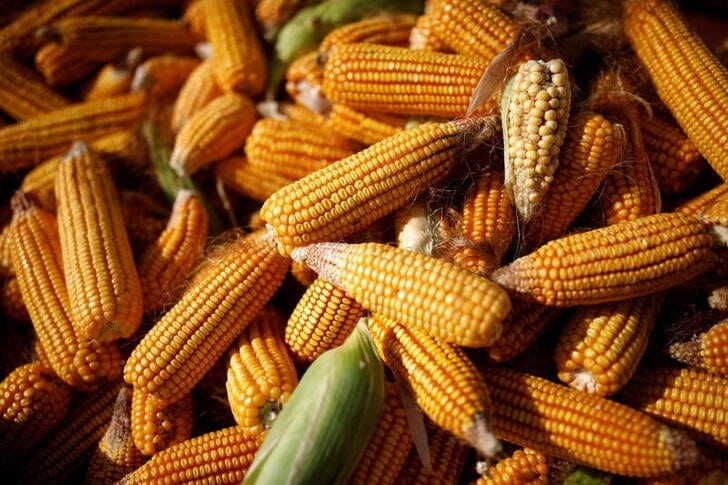
Both said higher corn acreage should largely offset localised yield losses.
China's Agriculture Ministry forecasts 2026/27 corn area at 45.13 million hectares, up 0.4 per cent from a year earlier.
Quality damage could nonetheless boost demand for imported feed grains, potentially strengthening the case for US purchases.
"The focus would have to be on corn or sorghum because those have historically been the highest dollar-value exports to China outside of soybeans," Friedrichs said.
China imported 1.36 million tons of corn from January to July, up 61.3 per cent annually. Sorghum and barley imports rose 86.2 per cent and 53.4 per cent respectively.
China bought no US corn but imported 2.98 million tons of US sorghum, almost four times its full-year 2025 purchases.
Soybeans
Sublime China Information analyst Wang Wenshen said that excessive rainfall in Heilongjiang has reduced soil temperatures and sunlight, affecting soybean quality and potentially protein content.
The Agriculture Ministry has estimated that the soybean planting area is expected to fall 0.6 per cent this year to 10.19 million hectares, as farmers shift to more profitable corn.
The impact on imports is likely to be limited because domestic non-genetically modified organism soybeans are mainly used for food, while imported GM beans are primarily crushed for feed.
Cotton
In its outlook on August 12, the Agriculture Ministry said that persistent heat and limited rainfall in Xinjiang have cut the average number of cotton bolls per plant and raised yield-loss risks in some drought-hit fields.
China imported 1.02 million tons of cotton in the first seven months of 2026, nearly matching total imports in all of 2025.
US cotton made up 114,494 tons, matching China's full-year 2025 purchases but just 13 per cent of 2024 imports.