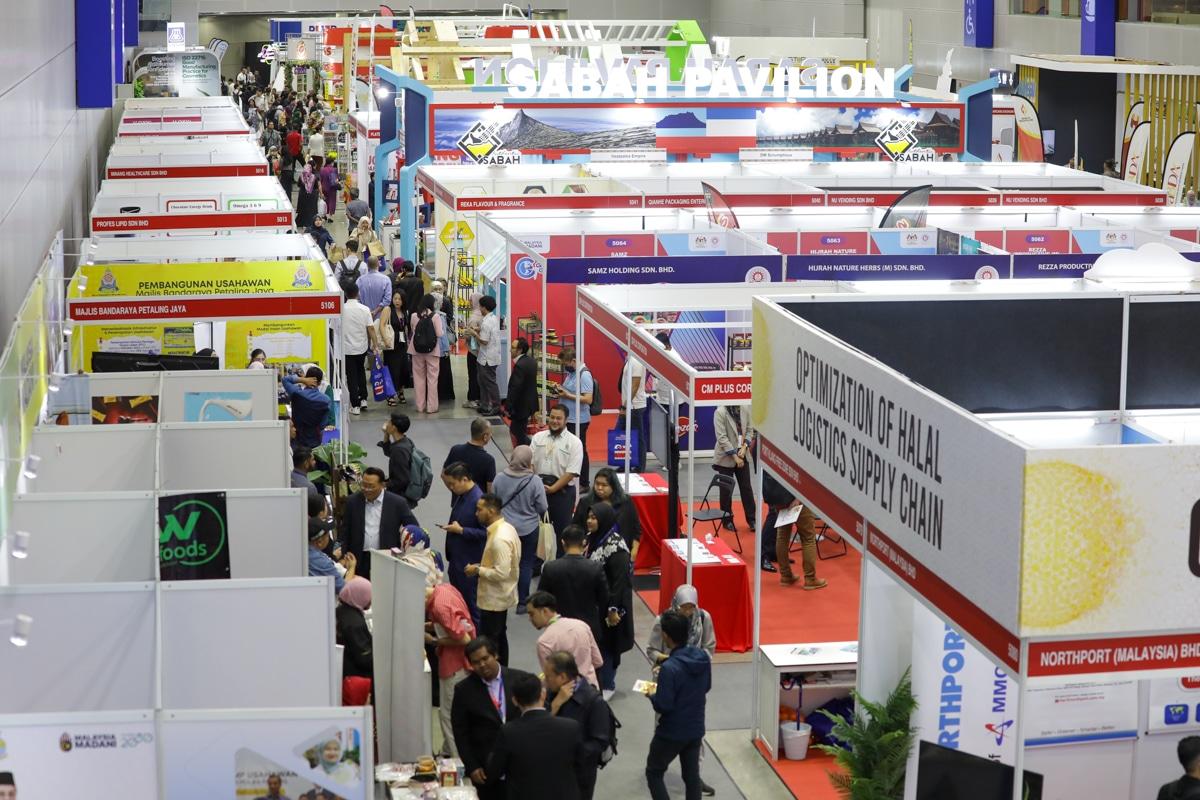


SHAH ALAM, Aug 26 — The Selangor government has been urged to leverage its existing capabilities and authority by providing suitable incentives to support local producers and manufacturers, while serving as a bridge to help more local enterprises enter industrial supply chains and production networks.
Universiti Tunku Abdul Rahman (UTAR) economics professor Dr Wong Chin Yoong said Selangor, as the country’s leading economic state, already has a well-established industrial ecosystem capable of functioning independently for both domestic and foreign investment.
“Whether in aerospace, advanced manufacturing, the creative economy or small and medium enterprises (SMEs), every sector has room to grow and can maintain its development momentum even without additional incentives.
“At this stage, rather than opening up new areas of the economy or investing more funds, it is more important for the state government to optimise existing regulations, policies and fiscal mechanisms so that the overall ecosystem can function more efficiently. This is an important pillar of industrial development,” he told Media Selangor in an interview.

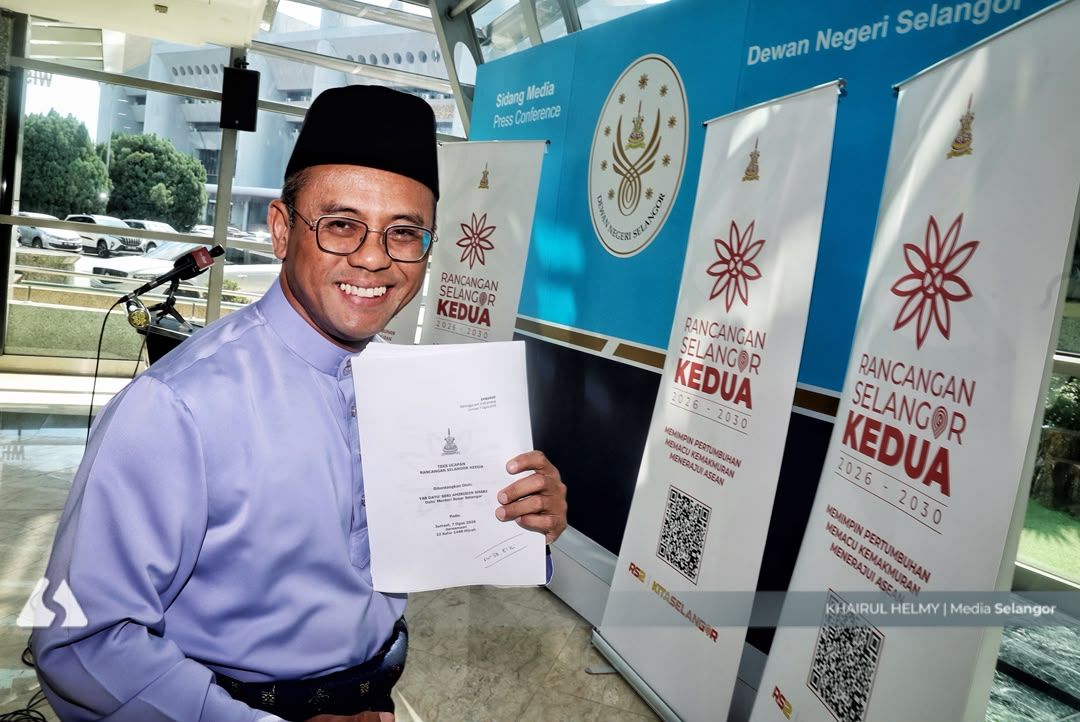
Earlier, Selangor Menteri Besar Dato’ Seri Amirudin Shari, when tabling the Second Selangor Plan (RS-2), said the state would accelerate the development of its digital and creative economies through the Selangor Digital Action Plan 2026-2030 and the Selangor Creative Economy Advancement Centre.
He said one of the state government’s key areas of focus was helping to address the challenges faced by SMEs in Selangor.
“Most of these enterprises began as micro-enterprises and startups and have since successfully grown into SMEs. However, the greater challenge is how to make the ‘great leap’ that would enable these enterprises to compete with SMEs across ASEAN and other Asian countries,” he said.
Industrial ecosystem must grow alongside professional talent
Wong said that as Selangor’s industrial ecosystem continues to “expand and deepen”, creating more complex and comprehensive industrial chains, it would naturally attract more domestic and foreign investors to establish factories, operations and production bases in the state.
“As this ecosystem develops, the issue of talent shortages will arise. Therefore, measures must be taken according to talent requirements, including attracting professional talent from abroad as well as training and developing local talent,” he said.
In May, state executive councillor for investment, trade and mobility Ng Sze Han told Media Selangor that Selangor recorded RM83.9 billion in investments in 2025, spanning various service sectors, including data centres, logistics and global business services (GBS), as well as high-technology industries.
He also said Selangor made significant gains in employment, creating about 61,000 new jobs last year.
These were not conventional jobs, but high-quality, highly skilled positions that helped attract young people to remain in Selangor, he added.