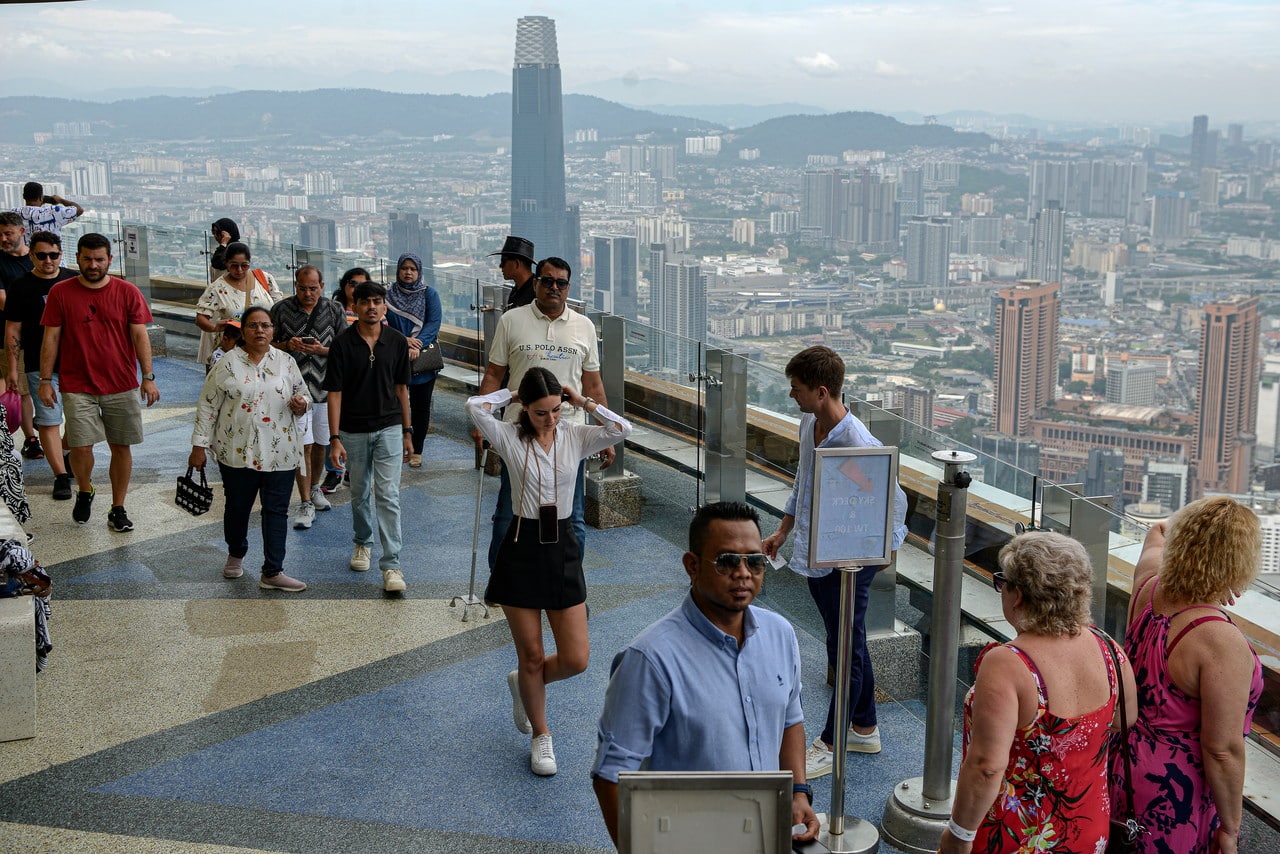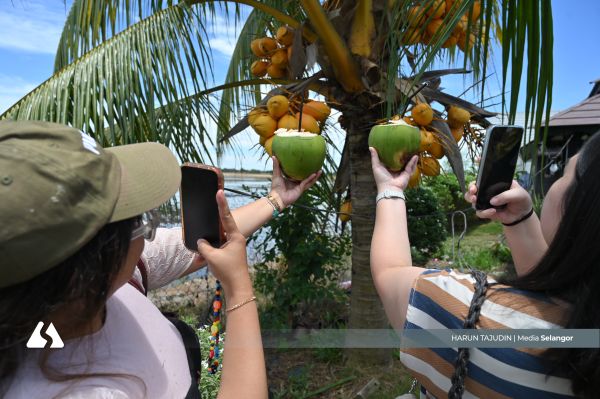


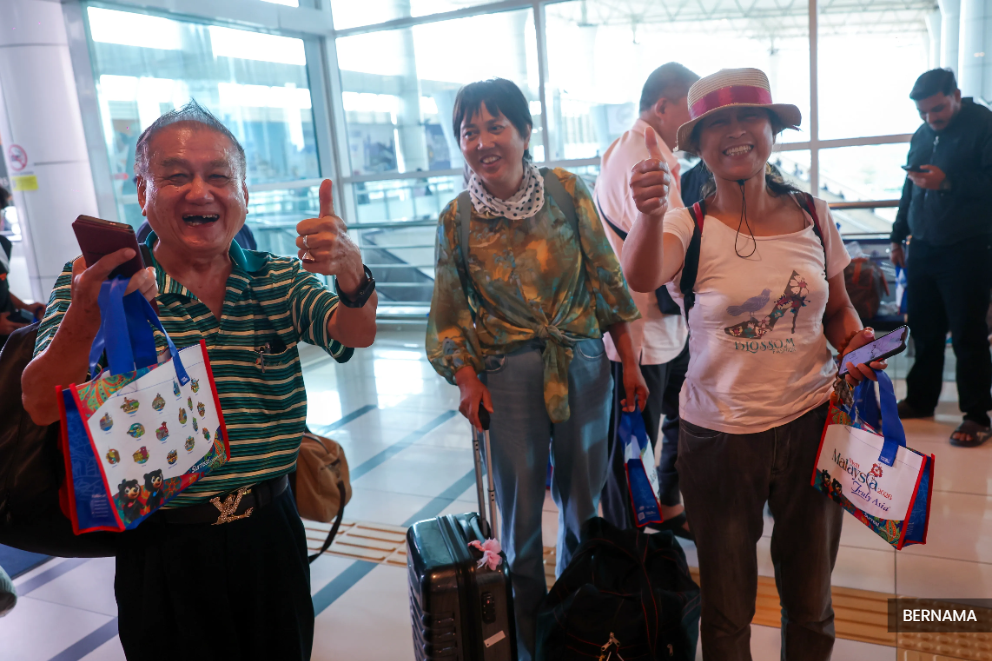
PUTRAJAYA, Aug 24 — Malaysia recorded more than 21 million international visitor arrivals in the first half of 2026, an increase of 2.5 per cent despite geopolitical tensions in West Asia that led to the cancellation of 4,111 flights to the country.
Tourism, Arts and Culture Minister Datuk Seri Tiong King Sing said data from Tourism Malaysia and the Immigration Department showed 21,118,039 arrivals between January and June, up by 514,958 or 2.5 per cent from 20,603,081 in the same period last year.
However, he said the growth rate was the lowest for the corresponding period since the post-pandemic recovery began, with arrivals from 26 of 50 key source markets registering a decline.
“This is primarily due to the impact of geopolitical tensions in West Asia on international flights, which in turn affected outbound travel markets worldwide,” he said during the presentation of the First Half 2026 Performance Report here today.
Tiong said Europe and West Asia were among the markets most affected, with arrivals from two of the three major European markets, Britain and Germany, declining, while France recorded growth.
According to him, Germany recorded negative growth for the first time since the tourism market began recovering after the pandemic, while arrivals from Türkiye, Russia, Spain and Poland increased.
He said markets such as the Netherlands, Italy, Belgium, Saudi Arabia, Oman and Egypt, however, were affected to varying degrees.
“The conflict also drove up international fuel prices, raised the cost of outbound travel, and impacted travel from other regions, including India in South Asia, as well as Chinese Taipei and South Korea in Northeast Asia,” he said.
Nevertheless, Tiong said sustained growth in arrivals from Singapore, the Philippines, China, Central Asia, Oceania and North America helped Malaysia maintain an overall growth of 2.5 per cent.
He said Malaysia received 88,058 international flights during the first six months of the year, compared with 91,486 flights originally scheduled.
Although 4,111 flights were cancelled due to the West Asia conflict, the addition of 683 flights brought the final total to just 3,428 flights, or 3.7 per cent, below the original schedule.
“The impact of the West Asia conflict is clearly reflected in flight operations. Since the conflict began in February, the number of scheduled flights cancelled each month has continued to rise,” he said.
Tiong said only nine flights were cancelled in February, but the figure rose to more than 300 in March, nearly 1,000 in April and 1,419 in June.
He said actual seat capacity stood at about 17.63 million, 3.9 per cent lower than the initial projection of 18.34 million.
Nevertheless, he noted that the figure represents a 6 per cent increase, or an additional one million seats, compared with the 16.627 million seats recorded in the same period last year.
Tiong added that Malaysia’s international flight network continued to expand, with 23 new routes, 12 new flight services to Malaysia and nine charter services introduced between January and July.
He said flights from Northeast Asia recorded the largest increase in capacity, with more than 500,000 additional seats, or an 11.9 per cent rise, followed by ASEAN countries with an increase of 376,423 seats, or 4.5 per cent.
“The most significant decline was recorded in flights from West Asia, where seating capacity fell from more than one million in the first six months of last year to 806,532 in the first half of this year.
“This includes flights from Europe that use West Asia as a transit hub, with seating capacity declining by more than 20 per cent compared with the same period last year,” he said.
Tiong said the impact of flight cancellations was also reflected in the slower growth of international visitor arrivals to Malaysia.
He added that the Tourism, Arts and Culture Ministry (MOTAC) is fortifying its marketing strategies in Asian markets, particularly Southeast Asia and Northeast Asia, in response to changing global conditions.
Tiong also said the Visit Malaysia Year campaign had been extended to 2027 to sustain the momentum of growth in the country’s tourism industry.