

MONTEVIDEO/PARIS, Aug 21 — Uruguay seemed like the perfect place for cryptocurrency giant Tether to launch a Bitcoin mining operation.
The company, which has issued nearly two-thirds of all stablecoins in circulation, chose this still largely agricultural corner of South America, which has become a hub for global fintech firms in recent years, helped by its reputation for political stability and favourable tax conditions.
In 2023, Tether said it would build two mining sites in Uruguay, part of a spending spree it said would bring economic development, new energy infrastructure, and jobs to the country.
But a Reuters review of documents and interviews with multiple people reveals that amid a dispute over how much energy it would supply for its thirsty Bitcoin mining, the plans unravelled, and the mining sites were abandoned.
Little remained of a project that one person with direct knowledge estimated likely cost around US$120 million (RM484.6 million).
Tether did not respond to requests for comment for this article.
The aborted Uruguay investment offers a rare window into Tether's often opaque operations as it seeks to expand and reinvest its vast profits into industries as varied as brain implants and soccer.
It also shows how the basic economics of Bitcoin mining — turning cheap energy into crypto profits — may no longer add up, as crypto prices drop and energy prices rise.
Northumbria University assistant professor Pete Howson said that Tether’s ability to quickly dip in and out of Uruguay is typical of the “hypermobile” nature of Bitcoin mining activity, which does not tend to create substantial long-term jobs or benefits for the host country.
“This plug-and-play infrastructure is very easy to do — literally pulling the plug and then move it to somewhere else,” he said.
'The perfect platform'
In May 2023, Tether announced the launch of Bitcoin mining operations in Uruguay, without disclosing an investment value. It called Uruguay the “perfect platform," citing its abundant renewable energy and robust grid.
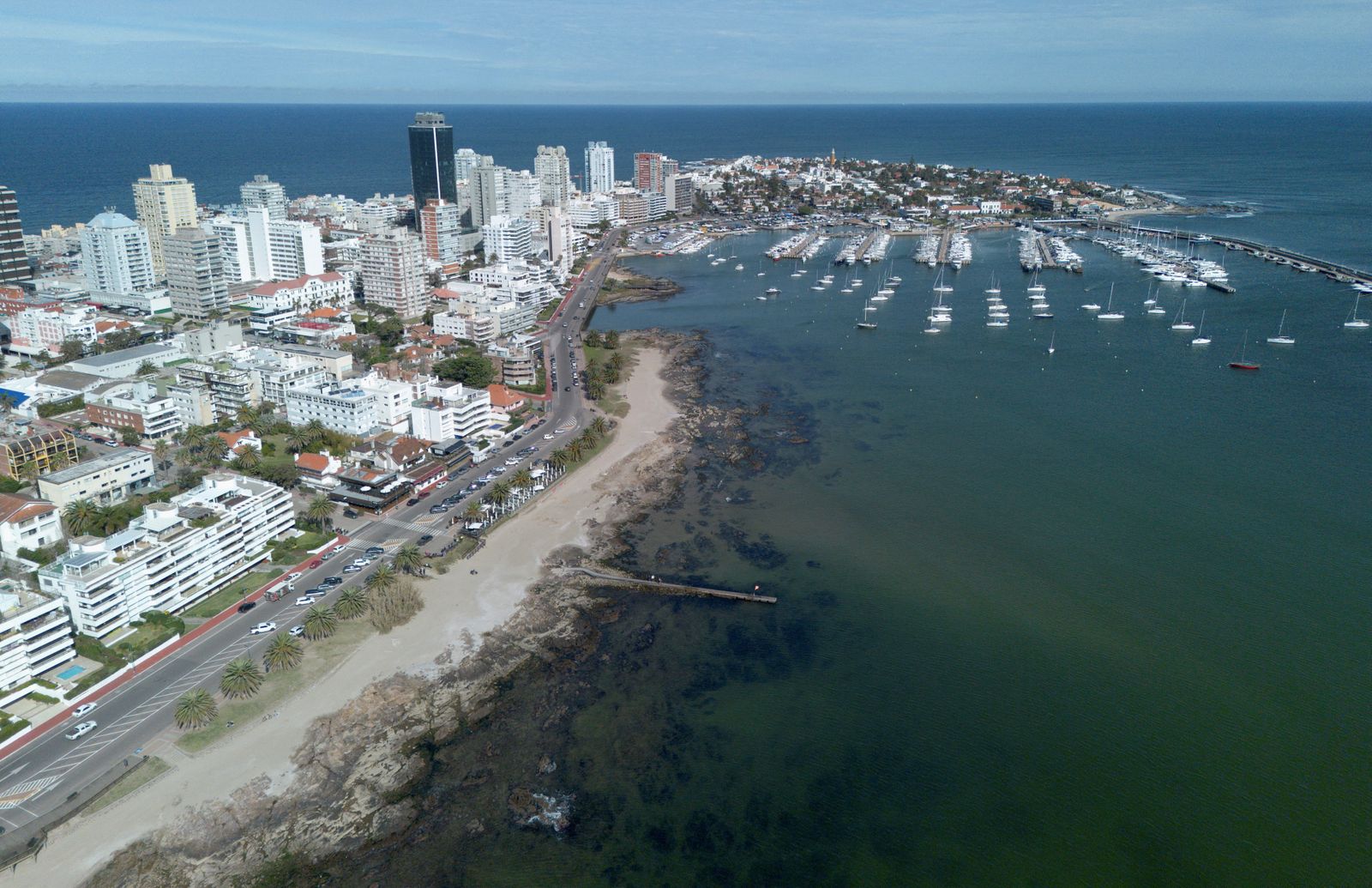
Industry sources told Reuters that its chief executive officer Paolo Ardoino and chairman Giancarlo Devasini are frequent visitors to Uruguay's booming beach resort of Punta del Este — dubbed the 'Monaco of South America' — where they host private gatherings, and where American billionaire Peter Thiel is building a US$10 million (RM40.39 million) residential compound nearby.
At the time, Tether said the plan involved “investing resources into energy production," without providing details.
Bitcoin mining, an energy-intensive process in which computers solve complex computational puzzles to earn bitcoin, is a core part of Tether’s investment plans. Last year, at an industry conference, Ardoino said the company invested more than US$2 billion (RM8.08 billion) in energy production and Bitcoin mining.
A former Tether contractor, speaking to Reuters on condition of anonymity because they are not allowed to speak to the media, said Uruguay was intended as a “first step” in Tether’s Bitcoin mining plans across South America.
Citing their own assessments of how much the company had spent, another contractor said that Tether invested roughly US$60 million (RM242.3 million) in each of two mining sites in the Department of Florida, totalling roughly US$120 million.
The project, a sizable deal for a country where annual foreign direct investment is around US$2 billion, aimed to use Uruguay as a testing ground before moving to bigger markets such as Brazil, Paraguay, and Argentina. Tether has since announced investments in Bitcoin mining and platforms in Brazil.
Based in El Salvador with just a few hundred employees globally, Tether controls around US$183 billion (RM739 billion) worth of stablecoin. Some policymakers worry that stablecoins, a type of cryptocurrency pegged to official currencies, could endanger financial stability by increasing linkages between crypto and mainstream finance.
Tether says its stablecoin is backed by an equivalent amount in real-world assets. Those assets have made it a top 20 holder of United States (US) Treasuries — earning the company billions in profits now used to build a portfolio of investments it says is worth around $20 billion.
Most of those 100-plus investments are not disclosed, but those it has include data centres, video-sharing platform Rumble, which hosts US President Donald Trump's Truth Social, a brain-chip implants business, and a stake in Italy’s Juventus football club.
Supply disagreement
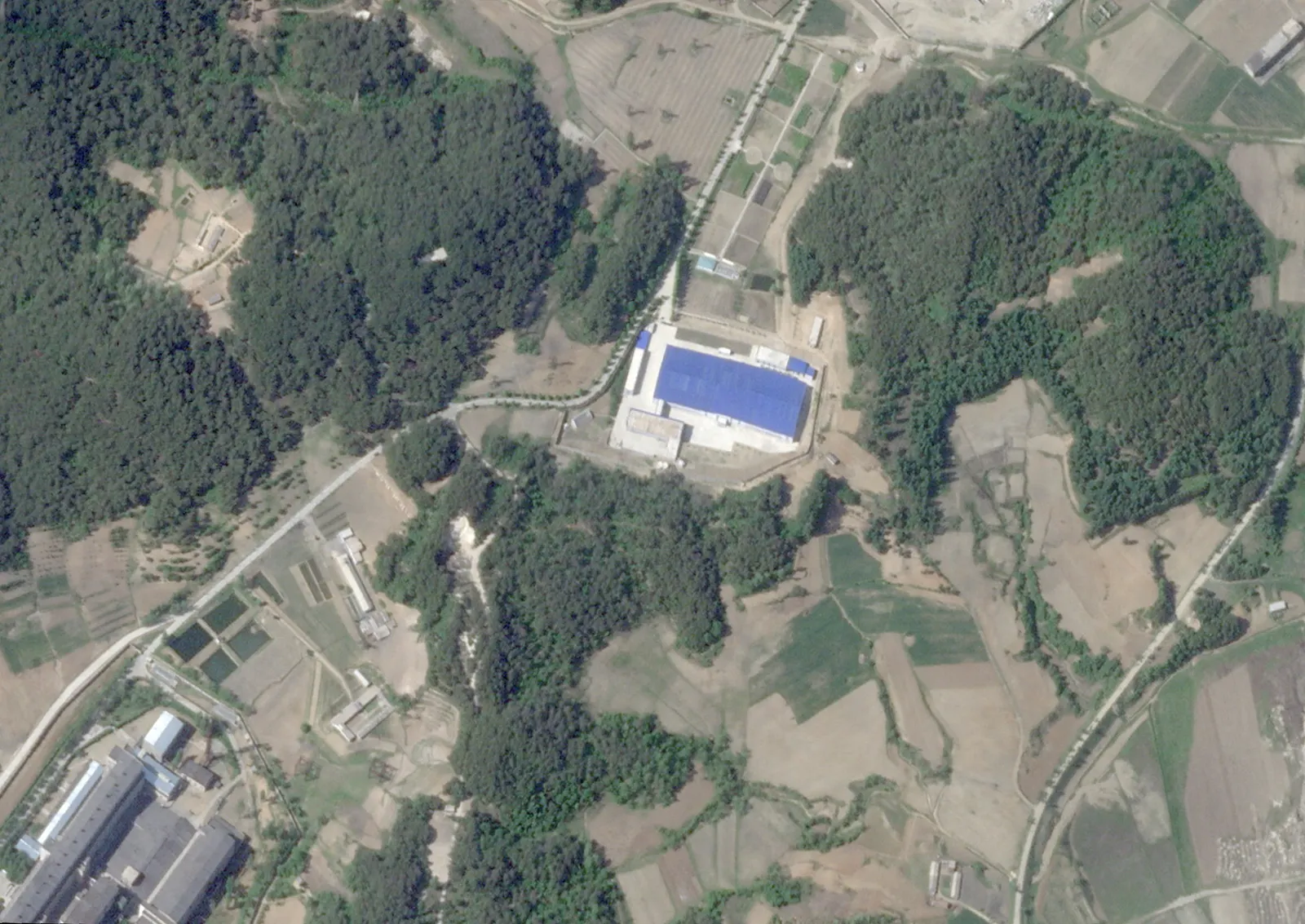
A promotional video Tether posted on X (formerly Twitter) in February 2024 of its nascent Uruguay operations showed rows of small buildings, with fans on top and computing hardware inside. Farmland surrounds the site, typical of Florida's rural departments, with wind turbines in the background.
Road signs around the buildings play on crypto jargon, such as 'Memepool Avenue' and 'Halving Street', according to the video, which Reuters verified.
The two former Tether contractors said that, initially well-run, the site's operations generated income.
They added that the project began to unravel over a fundamental disagreement with state utility UTE about electricity supply, which a UTE source also confirmed.
One contractor noted that Tether believed a clause in its contract with UTE represented a minimum level of power supply that could later be increased — but UTE viewed the contracted amount as a maximum allocation that could not be exceeded.
Sources at UTE also said the disagreement concerned how much electricity Tether’s local legal entity Microfin was entitled to.
The dispute had begun by November 2024, according to an internal briefing UTE compiled in 2025 for its own staff that Reuters reviewed.
Insufficient power was a serious problem. As demand at the mining plants rose, Tether ran short, leaving the site without sufficient electricity for days at a time.
Tether and Microfin did not respond to requests for comment on the UTE contract.
The first ex-contractor and a third source said the dispute had been compounded by a shift in Uruguay’s political landscape. A left‑leaning government took office in March 2025 and appointed new directors at UTE, after which the firm took a harder line on allowing Tether to renegotiate the energy supply contract.
The UTE document indicated that two months after the new government took office, Microfin stopped paying its electricity bills and then told UTE in June 2025 it would terminate its contracts.
UTE briefing notes show that both sides sought to salvage the deal by agreeing to a revised contract. The utility’s board approved a memorandum of understanding and revised contract texts, but Tether representatives did not attend the signing.
With the memorandum unsigned and unpaid bills, UTE cut power to the mining sites on July 25.
Local newspaper El Observador reported that on November 25, Tether told Uruguay’s labour authorities that it would cease operations and lay off most staff.
Meanwhile, UTE told Reuters that Microfin settled its outstanding debts in December.
Switch to AI
The Uruguayan deal collapsed as Tether has sought to position Bitcoin mining as a key part of its global investment portfolio.
But analysts have observed that Bitcoin mining has become less profitable, hit by a pre-programmed reduction in the Bitcoin rewards available — called the “halving” — in April 2024, as well as a sharp drop in Bitcoin’s price from a peak in 2025.
Talos senior research analyst Tanay Ved said that to stay afloat, Bitcoin miners have tried strategies including buying more efficient hardware, seeking cheaper energy, or using their computer power for artificial intelligence (AI) and high-performance computing instead.
Crypto mining expert Nicolas Ribeiro described the industry as “extremely dynamic,” with operators constantly opening, closing, and relocating.
He added that Uruguay’s strengths — a reliable power grid and Strong internet connectivity — are better suited to data centres for AI because mining hinges almost entirely on access to cheap electricity. The South American country leads in renewable energy, but its power costs are relatively high.
“Uruguay is not viable for mining — that is the reality,” Ribeiro said.