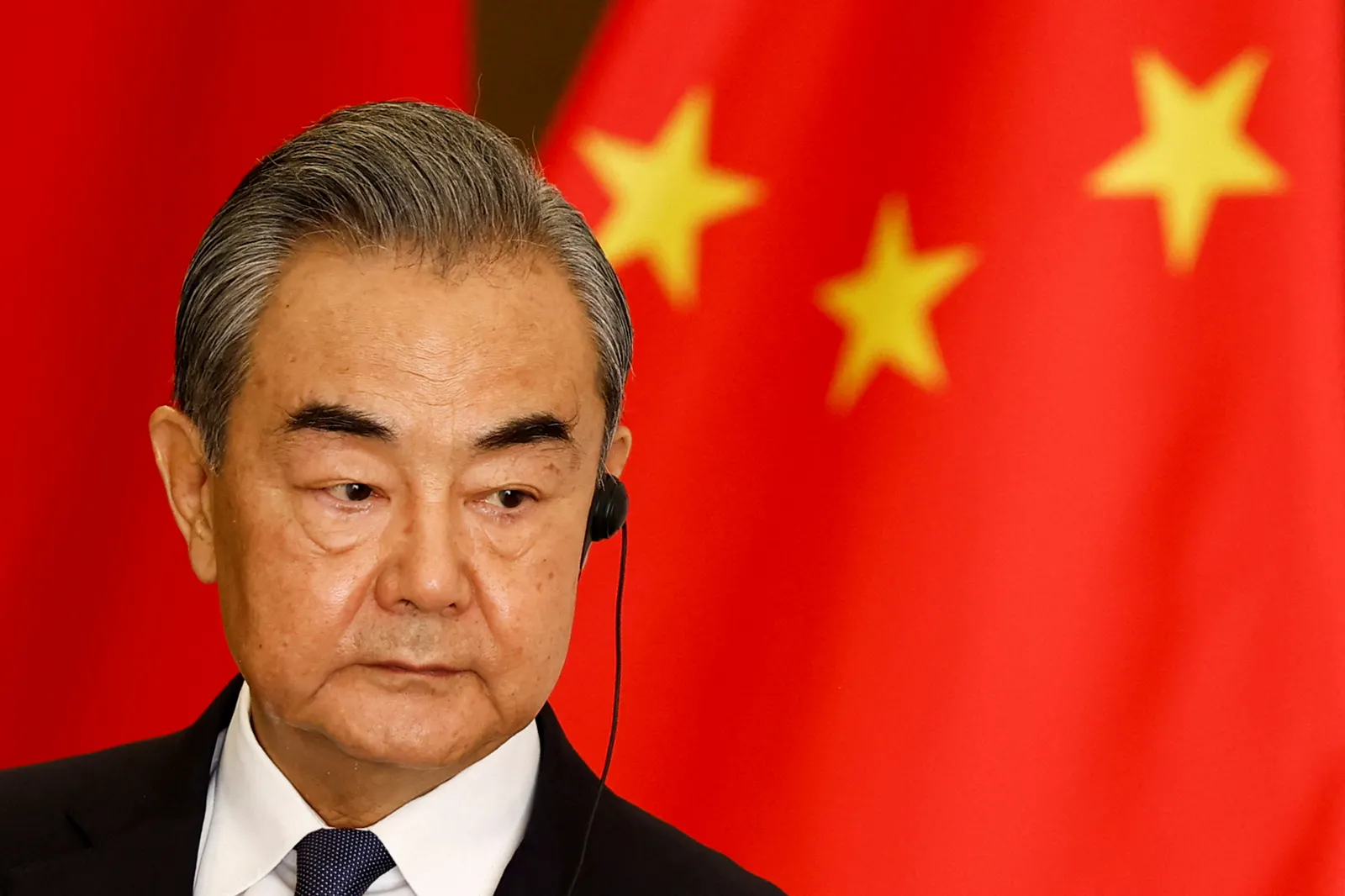

JAKARTA, Aug 21 — China's defence and foreign ministers met their Indonesian counterparts on Friday, with security, politics, and economic issues set to dominate talks, as Jakarta tries to balance ties with both Beijing and Washington amid trade battles and tensions in the South China Sea.
China's Foreign Minister Wang Yi, visiting Jakarta for the first time in two years, met Indonesian counterpart Sugiono and was due to join a "2+2" meeting with the two countries' defence ministers later.
In his opening remarks, he said that amid complex global challenges, it was timely that they were meeting under the new dialogue mechanism and that both countries should "seize the moment".
"Unilateralism and hegemonic acts bring serious impact on global cooperation and stability. China actively aims to build China-Indonesia cooperation at a high level," Wang said.
Jakarta stated that the foreign ministers were expected to focus on economic issues as well as political relations, while earlier this week, China's Foreign Ministry said political and security issues, defence cooperation, and international and regional issues would be discussed.
Higher-value cooperation
Chinese Defence Minister Dong Jun was greeted by a military honour guard as he arrived at Indonesia's Defence Ministry today, where he said both countries' militaries had scope to work together to boost their ability to protect their national interests and thwart external threats.
"The prospects for cooperation between the two militaries are broad, and that such cooperation is becoming higher in quality and more effective," Dong said.
Indonesian Defence Minister Sjafrie Sjamsoeddin said the militaries would increase defence activities, including joint exercises and officer exchanges, as well as partnerships in the defence industry.
"This is a progressive step taken in the era of building Indonesia's defence power at this moment and in the future," he said.
Valuable lesson
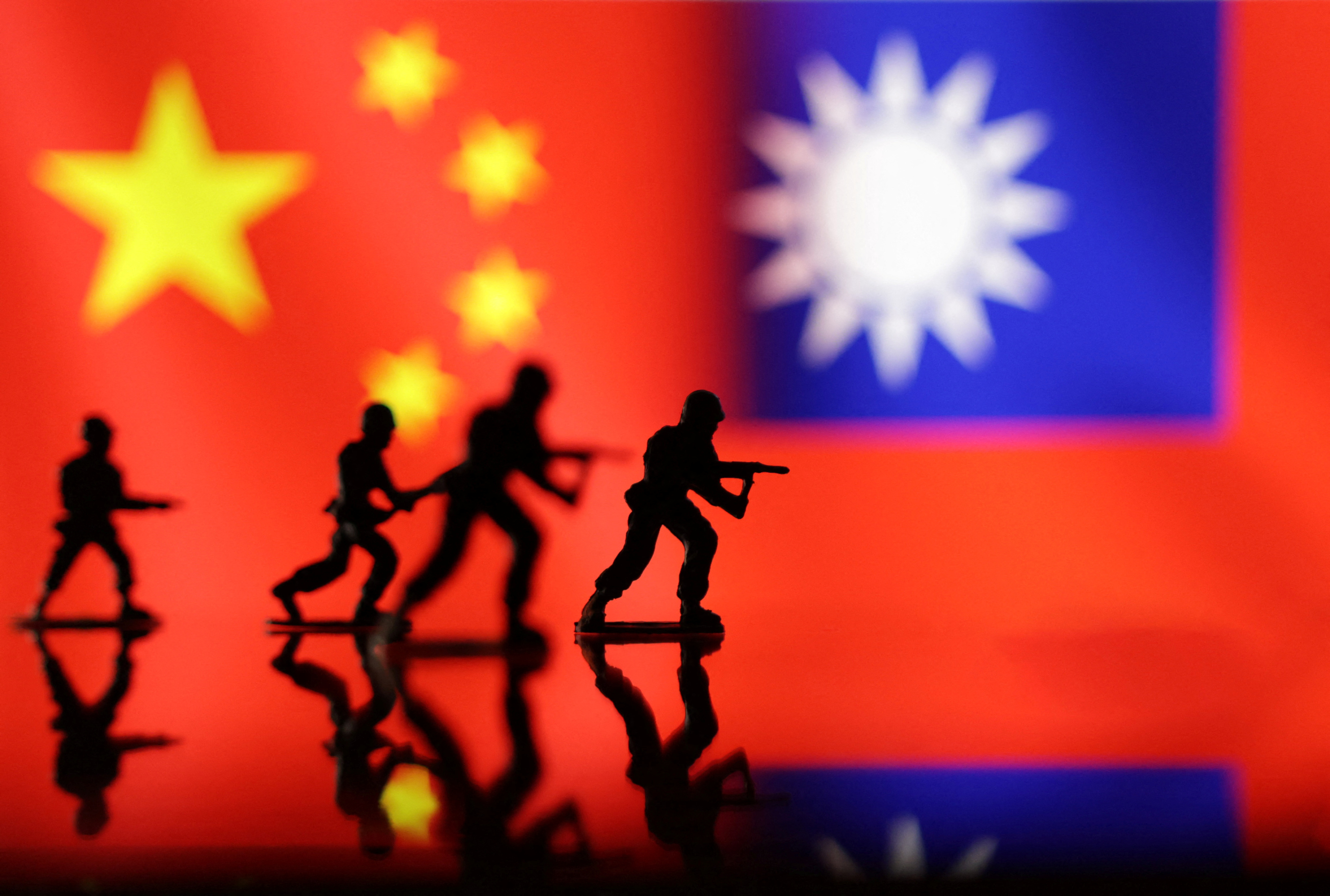
Last week, Taiwan, which China claims as its own territory, was angered by a rare joint military exercise between the Chinese and Indonesian navies that took place east of Taiwan.
Indonesia's Navy said a vessel conducted routine exercises, not only with China, but also with Japan and the United States.
Defence analyst Curie Maharani said that while Indonesia saw the exercise as routine, the location enabled China to signal a different political message.
"Indonesia learned a valuable lesson about how great powers use defence diplomacy more as an instrument of influence projection," she said.
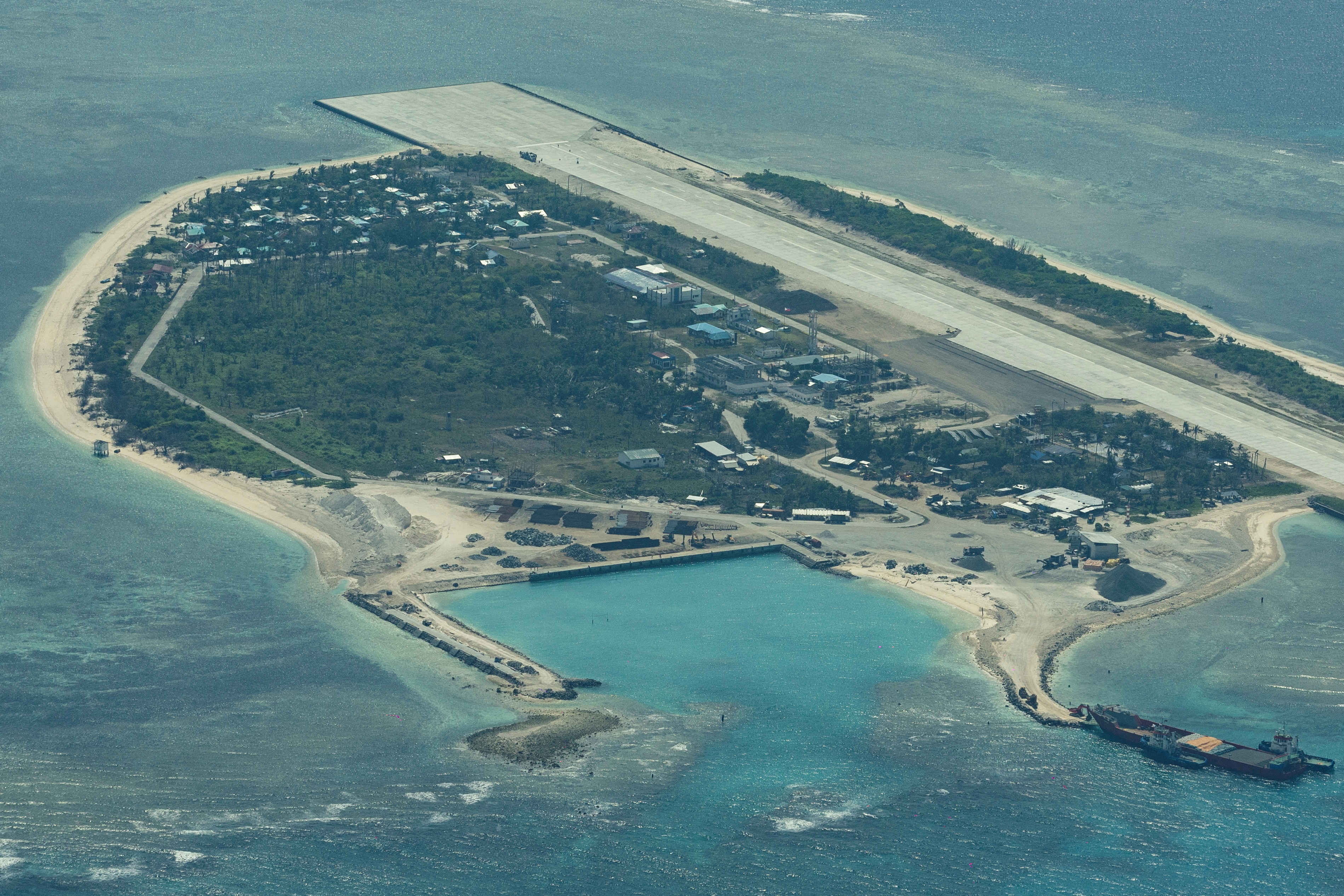
Indonesia also has its own disagreements with China over developments in the South China Sea, which Beijing claims almost entirely. However, Jakarta has been measured in its remarks, and sees itself as not being party to wider territorial disputes involving China and the Philippines, Malaysia, and Vietnam.
Indonesian President Prabowo Subianto has repeatedly said he maintains Indonesia's "free and active" foreign policy of non-alignment, vowing to befriend all countries including China and the United States.
Trade and investment
China is a major investor in Indonesia, contributing US$3.9 billion (RM15.78 billion) of foreign direct investment in the first half of 2026, according to Indonesian figures. But regulations around some of that investment have caused friction.
In May, Chinese companies operating in Indonesia urged the government to adopt more business-friendly policies, saying higher taxes and a new nickel pricing formula were driving up costs and threatening investment.
In a letter seen by Reuters, the China Chamber of Commerce in Indonesia said Chinese firms faced "excessively stringent regulation, over-enforcement", and alleged corruption and extortion by authorities.
Key investors include the world's biggest electric vehicle battery maker, Contemporary Amperex Technology, and steelmaker Tsingshan Group, which has smelters in Indonesia, home to the world's largest nickel reserves.