


BENGALURU, Aug 19 — OpenAI on Tuesday launched a version of ChatGPT tailored for minors, with parental controls and enhanced safety features, as online platforms face scrutiny over the risks of AI chatbots.
The new ‘ChatGPT for Teens’ mode will limit conversations about high-risk topics such as self-harm, violence and eating disorders, while offering educational tools that help students learn rather than simply providing answers, OpenAI said in a blog post.
It will automatically activate when a user is estimated to be under 18 or self-identifies as being between 13 and 17, and will allow parents to set ‘Quiet Hours’, manage certain settings and receive notifications when teens discuss sensitive topics.
The move brings the ChatGPT creator in line with tech giants such as Meta, which have strengthened protections for teens on their platforms amid mounting legal threats and evidence of harm to their mental health. A growing global push by countries to ban social media for teens over concerns about harm has added to the pressure.
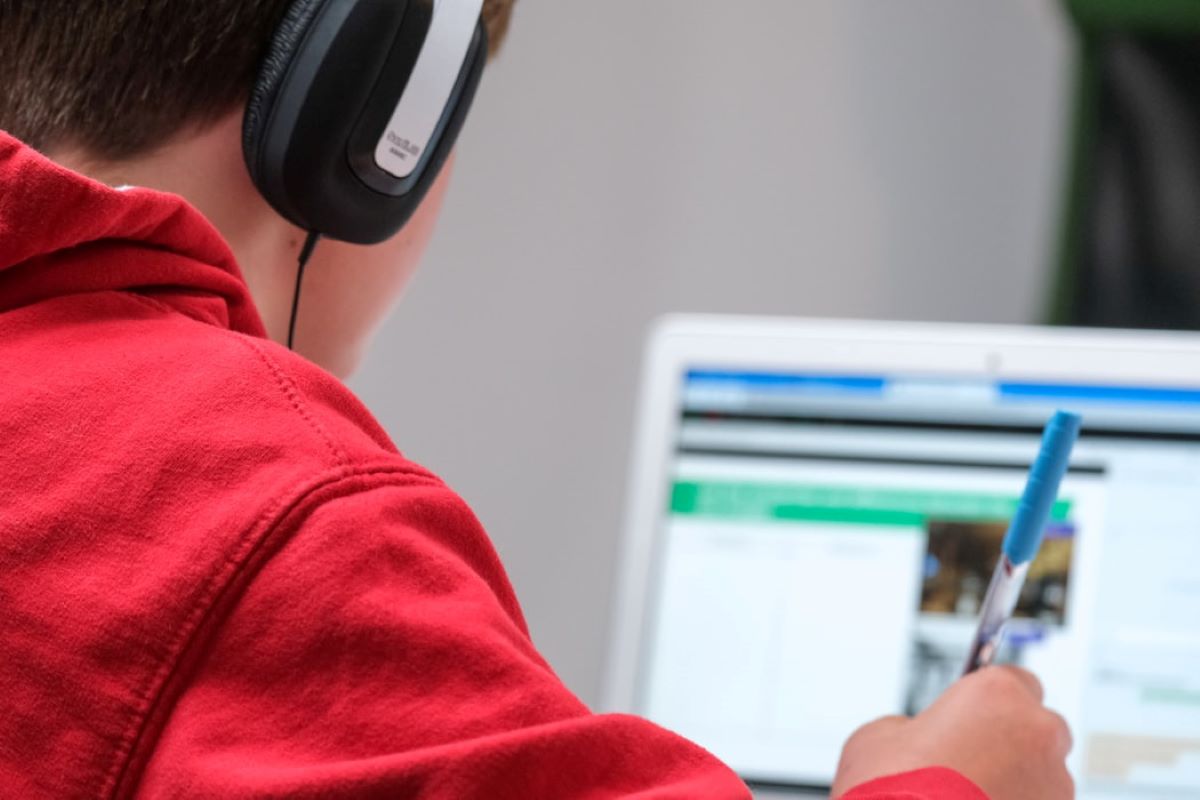
For OpenAI, which already faces multiple lawsuits alleging that ChatGPT harmed children, the challenge is compounded by the fact that chatbots capable of conversing like humans are increasingly treated as confidants offering emotional support.
Experts have warned that relying on automation for mental health advice carries risks. Families whose loved ones died allegedly after chatbot interactions have criticised the lack of safeguards, while growing AI use by students for assignments has raised concerns about the technology's impact on learning.
“We believe AI should expand educational opportunity, which is why we designed ChatGPT for Teens to support moments outside the classroom when help is not always available,” OpenAI said.
The new mode includes educational tools such as Study Mode for guided learning, homework reminders, quizzes and visualisations. OpenAI says Study Mode is designed to guide students through problems step by step rather than simply giving them answers.
The Pew Research Center found earlier this year that searching for information and getting homework help were the most common ways US teenagers used AI, followed by fun and entertainment.
OpenAI, which requires users to be at least 13 or the minimum age required in their country, said it would use a combination of self-reported age, behavioural and account signals, as well as verification, to estimate a user's age. The company said it would default to the safer setting when unsure of a user's age.