

KUALA LUMPUR, Aug 21 — Google’s water replenishment efforts in Malaysia will include the restoration of the Taman Aman lake in Section 22, Petaling Jaya, as the tech giant works towards replenishing 120 per cent of the freshwater it consumes by 2030.
Google Asia Pacific Global Infrastructure principal Ken Siah said their water strategy is centred on improving efficiency at its data centres while investing in projects that restore freshwater resources.
“For any fresh water that we do lose through evaporation, we have a commitment that by 2030 we will replenish 120 per cent of that water.
“That means every drop of water we take from that source, the watershed, we will replace the drop plus an additional 20 per cent of the drop,” he said during a recent interview with Media Selangor at its Malaysia headquarters at Axiata Tower.
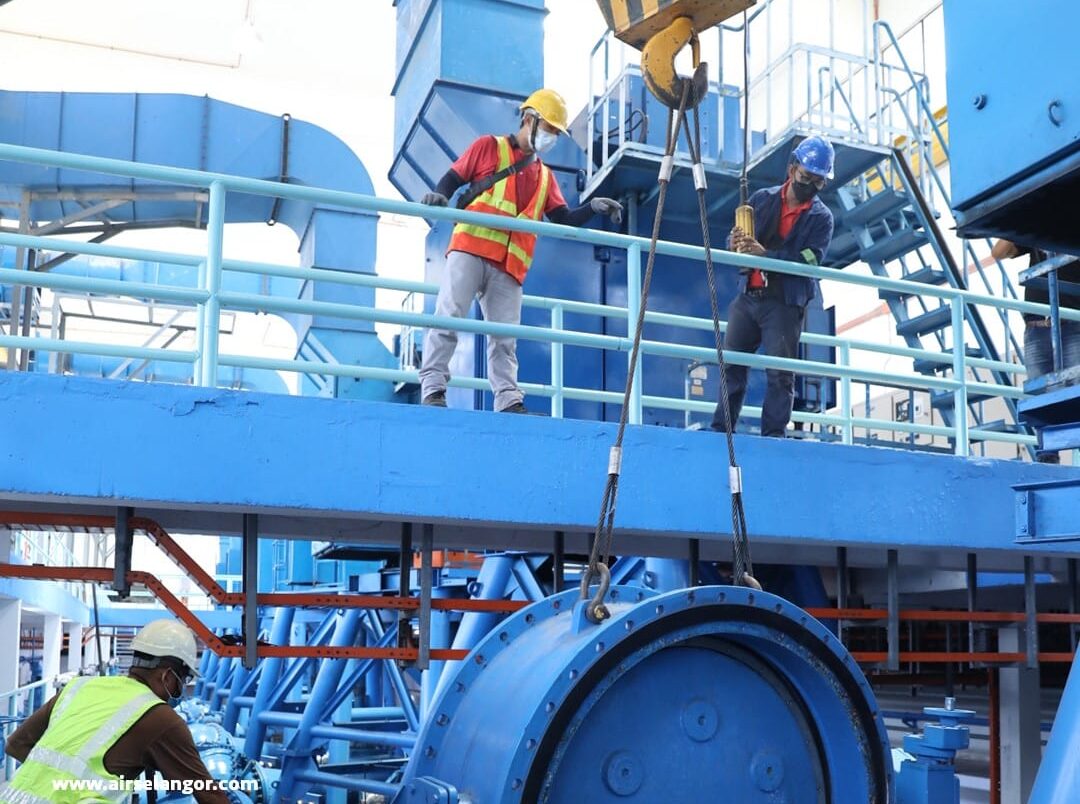
Siah added that Google has already begun its first water replenishment project in Malaysia through a partnership with the Global Environment Centre and the Petaling Jaya City Council (MBPJ) to restore the lake in Taman Aman.
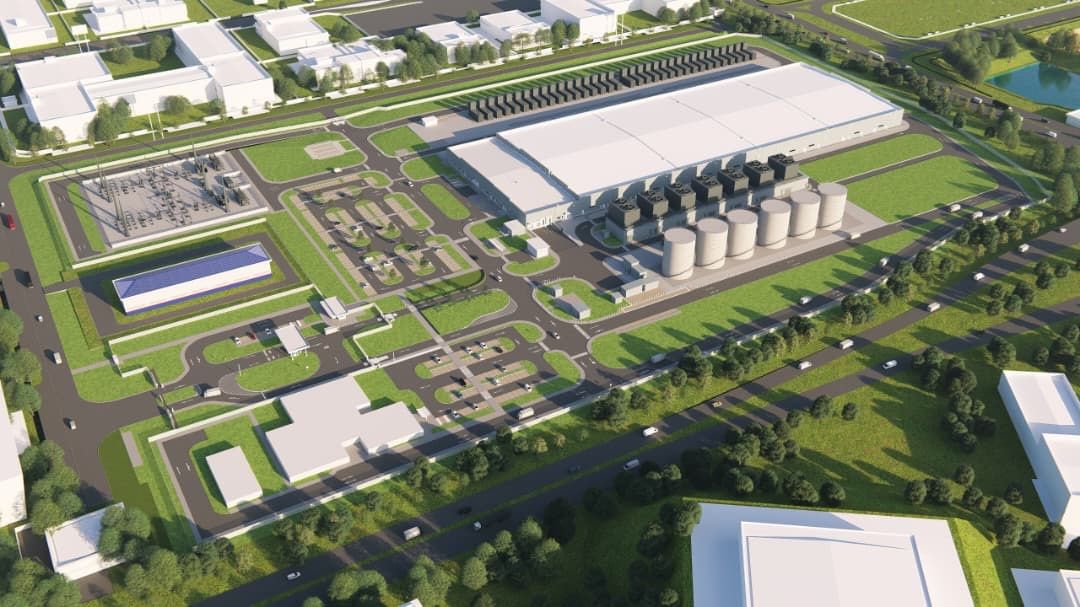
“Our data centre is not operational in Malaysia yet, so obviously we are not really using much yet. But we have started on our first project.
“This is in partnership with the Global Environment Centre and MBPJ to help to restore Taman Aman Lake which is in Petaling Jaya, which we announced in 2024,” he said.
The project is aimed at addressing the algae bloom problem affecting the lake, while also improving the amount of water flowing into it.
“Essentially that project is about this algae bloom problem in Taman Aman Lake right now, which is making the water murky. So we are going to resolve that issue through nature-based solutions.
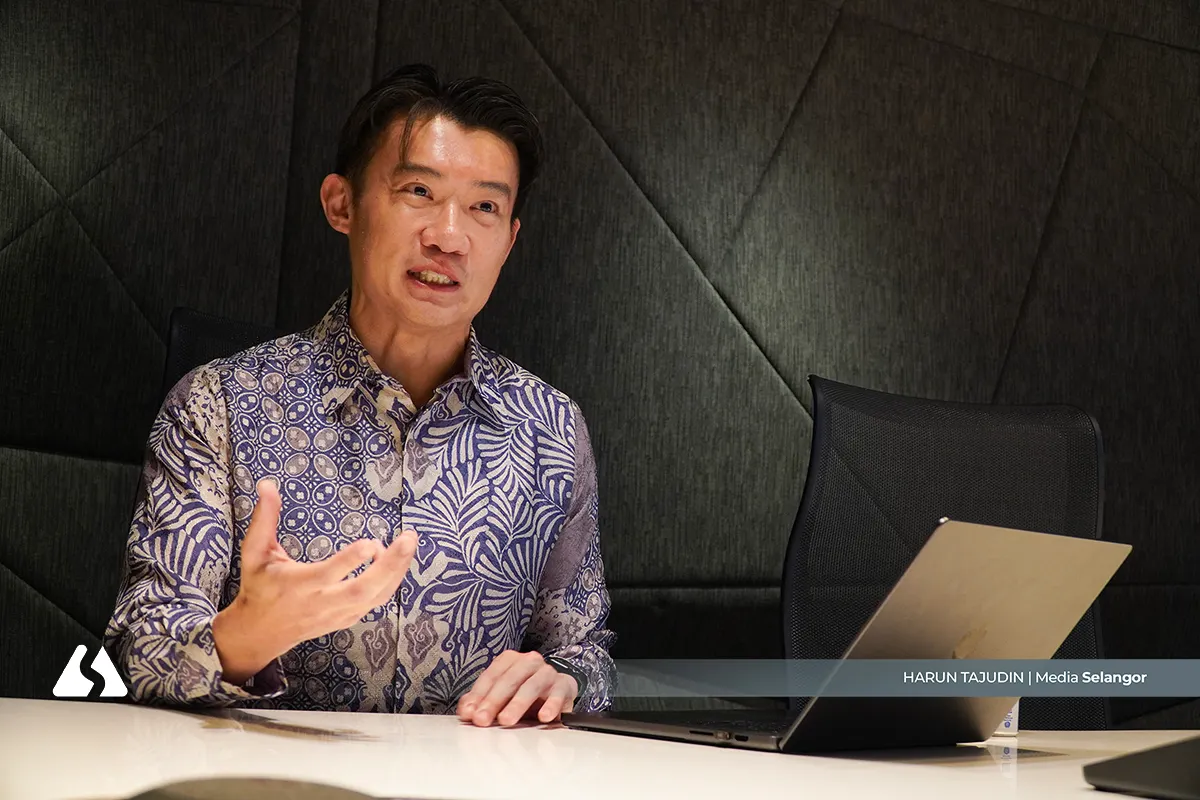
“We are also working on solutions in ensuring that more water is able to enter into Taman Aman Lake, therefore increasing the amount of water level in that lake,” Siah said.
The project is already being implemented and would serve as the first of several water replenishment initiatives as Google’s operations expand.
“So obviously as our data centre scales, we will look for more water replenishment projects.
“And the additional fresh water that is created through these projects, we count as the water that we are replenishing against our freshwater use in the data centre,” he said.
Siah emphasised that the initiatives are based on scientific measurements rather than being purely corporate social responsibility programmes, with Google assessing the increase in water volume resulting from each project.
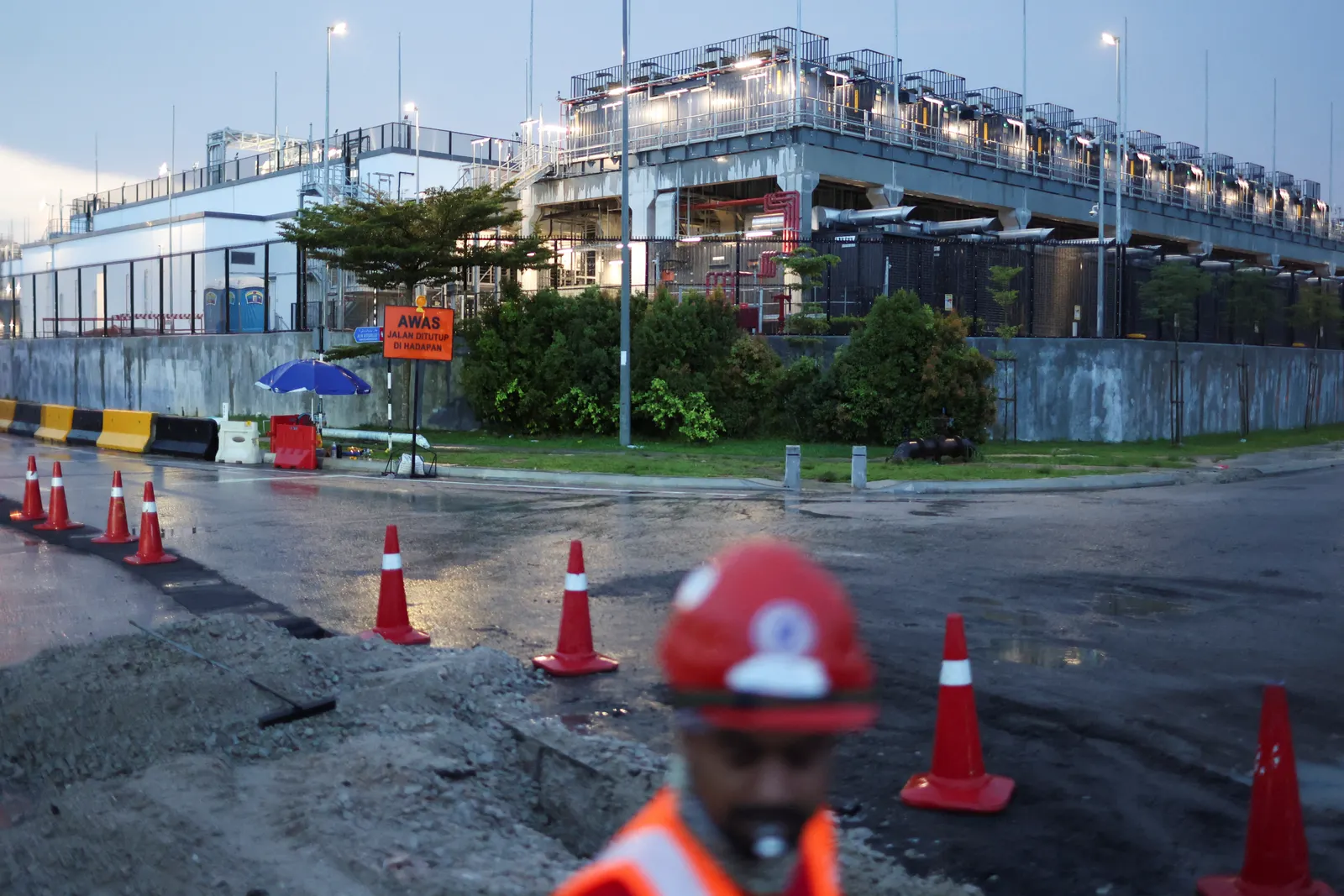
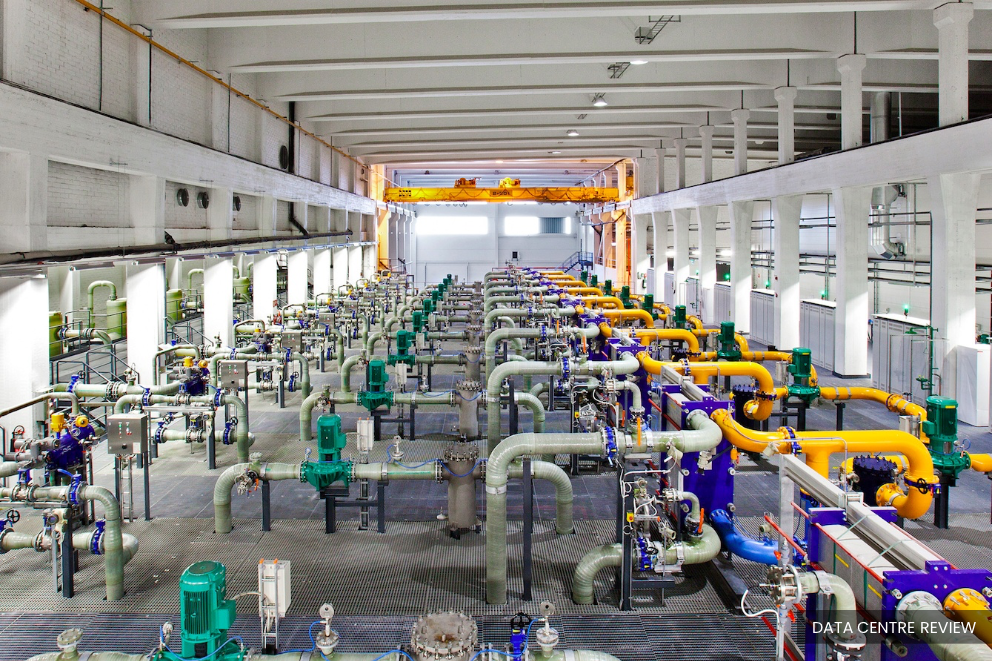
He noted that the water used in Google’s data centres for cooling is not chemically altered, with the company using an evaporative cooling system.
“The water goes into cooling the server, some of it gets evaporated, it returns to the water cycle. It goes back.
“As you know, eventually it will fall back as rain and then we top up the water as needed to continue the cooling,” Siah said.
Water discharged from the cooling system will also be recirculated several times before being released.
“So that is one step we take to try to make sure that there is water efficiency,” he said.
Water security during dry spells
When asked about how the company will address the issue of dry spells in the state, Siah said Google’s water risk assessment also takes into account the possibility of prolonged dry weather, using extensive historical data to determine whether a location can safely support data centre operations.
The assessment is based on an estimated 100 years of water data, allowing Google to take conservative approach when assessing water availability.
“Our water risk assessment actually takes into account things like 100 years of water data.
“It is very, very conservative when it comes to predicting whether or not there is a situation where we are not going to be able to use water in Selangor,” he said.
Similarly, Google has emergency procedures in place should an unexpected water shortage occur.
“And if in some situation which is very, very unexpected, we also have backup emergency procedures already in place to ensure that we can continue doing water cooling.
“This may include things like moving water from outside sources. We already have arrangements in place in order to make sure that the data centre operations remain unaffected,” Siah said.
Adding clean energy to grid
When asked about energy use, he said that Google will pay fully for the electricity consumed by its data centre and to fund any infrastructure needed to support its power demand, including transmission lines.
“We do not want the data centre to result in higher bills for the surrounding community or the consumers,” Siah said.
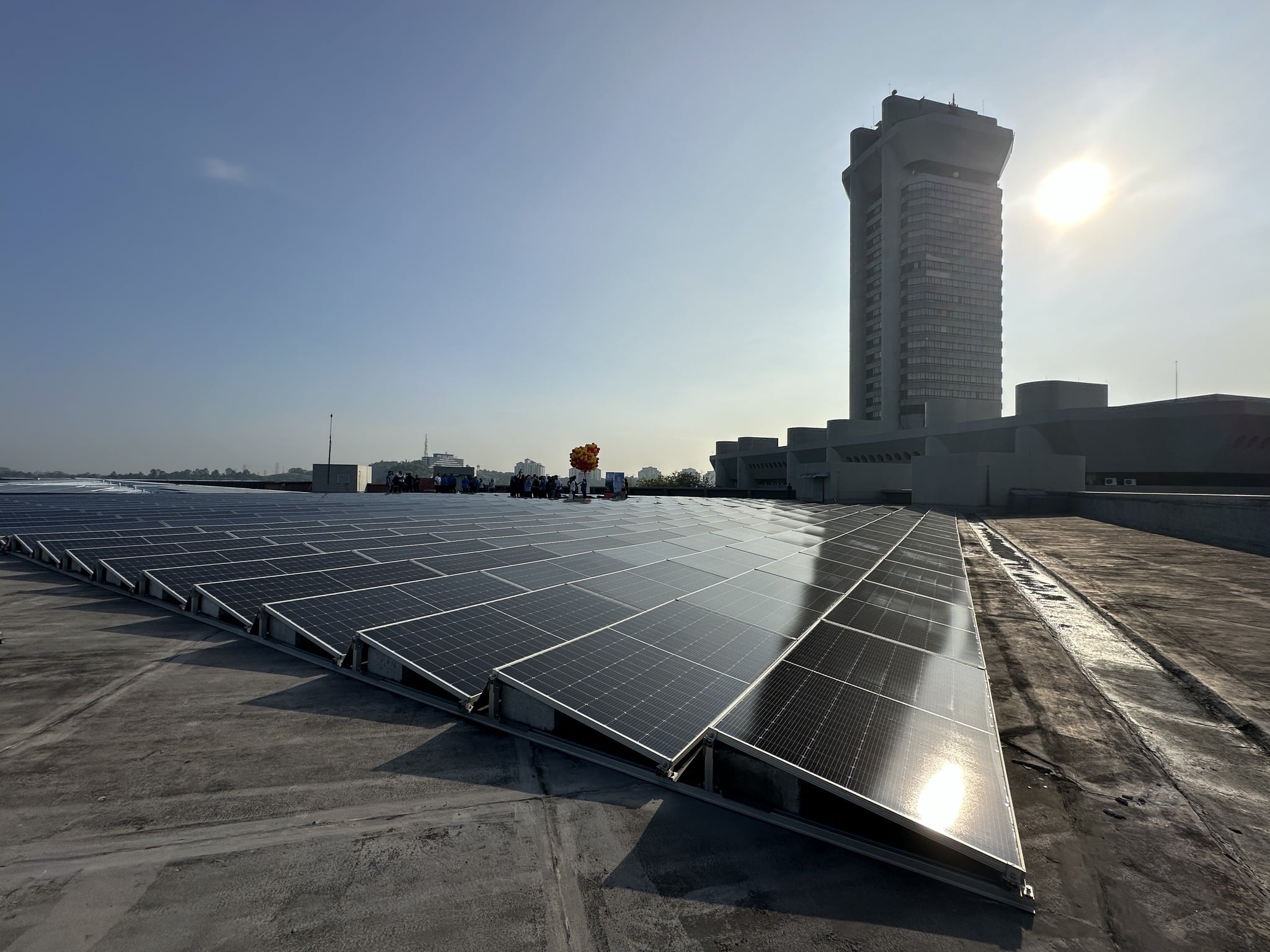
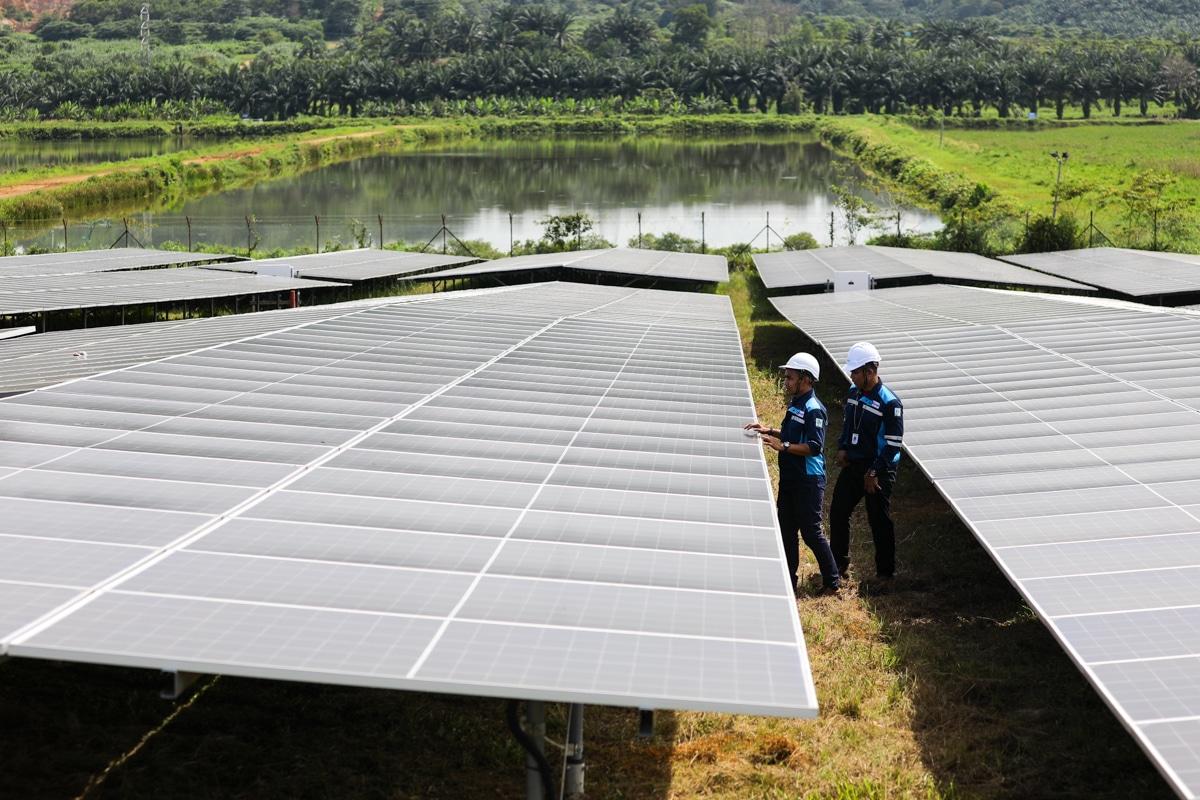
Google also aims to strengthen the grid by supporting the development of new clean energy under its goal of achieving 24/7 carbon-free energy by 2030.
In Malaysia, it has signed solar power purchase agreements with consortiums led by Shizen and TotalEnergies, involving Malaysian companies, which will add 50 megawatts of new clean energy to the grid.
“As our operations start and as our data centre scales up, we will continue to engage in more partnerships in Malaysia to enable more clean energy to be built to the grid,” he said.
Google also prioritises efficiency, with its global data centres recording an average power usage effectiveness of 1.08, while its Singapore data centre recorded 1.12.
“For us, the most sustainable energy is the energy that we do not need to use at all,” Siah said.