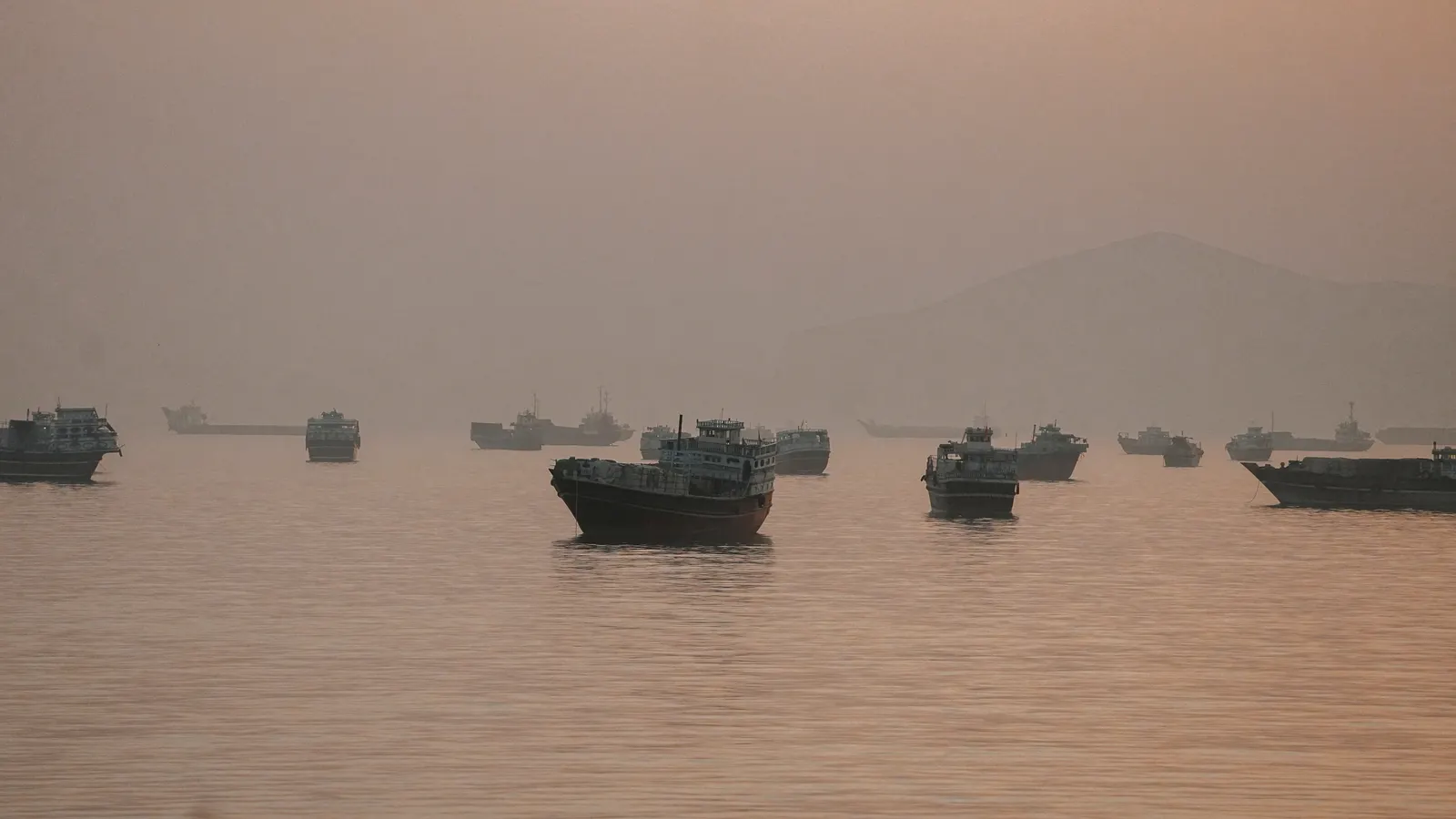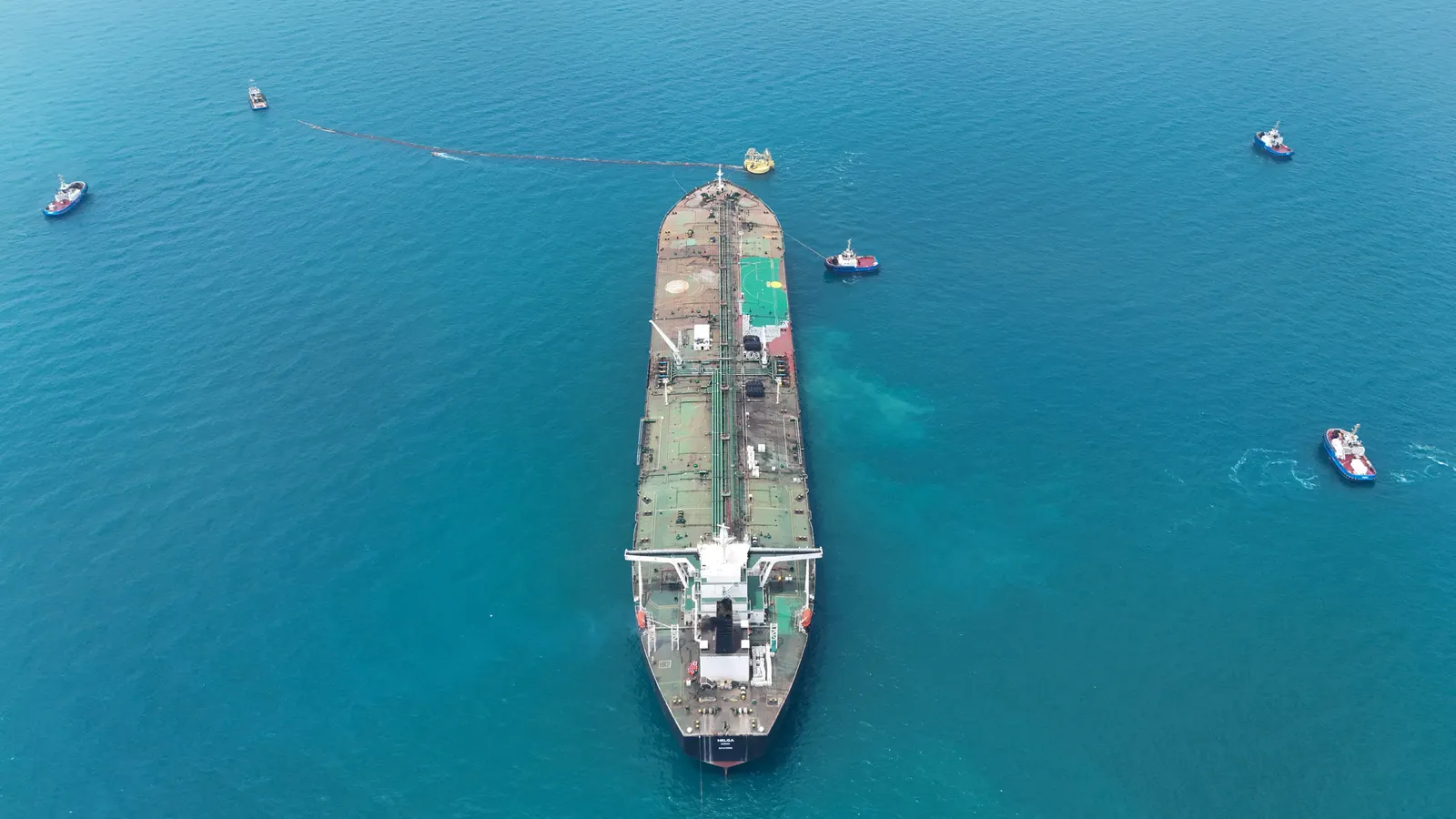
SINGAPORE, Aug 18 — Two Chinese shipping giants have stopped sending oil tankers through two Middle East chokepoints amid ongoing conflict and are instead collecting oil cargoes outside the Gulf, according to three industry executives, tanker trackers, and a ship broker.
Both tanker tracker Vortexa and a ship broker have said that state-controlled COSCO Shipping Energy Transportation and China Merchants Energy Shipping (CMES) have kept their tankers out of the Strait of Hormuz and Bab el-Mandeb since late July, with security concerns curbing oil shipments to the world's largest importer.
Yemen's Houthis declared a maritime embargo against Saudi Arabia on July 20, while the Strait of Hormuz remains largely closed after a brief United States (US)-Iran interim peace deal reached in June fell apart.
A state oil trading executive and two Chinese shipping executives with direct knowledge of the matter said that the two shippers' decision to avoid both chokepoints followed communications with central authorities. These sources and others declined to be named due to company policy.
In late July, CMES told investors that its vessels would not enter the Strait of Hormuz for the time being. It added that other shippers have avoided Bab al-Mandeb, without mentioning its own policy for the narrow passage at the southern end of the Red Sea, as revealed by a public filing.
According to shipping sources, COSCO and CMES, which together control more than 100 very large crude carriers (VLCCs) capable of carrying two million barrels of oil apiece, handled roughly half of China's crude imports from the Middle East before the Iran war began in late February.
Chinese customs data indicated that, excluding oil from US-sanctioned Iran, China's crude imports from the Middle East, shipped mostly in VLCCs, averaged 4.9 million barrels per day last year. Traders and analysts have noted that the two state shippers do not transport Iranian oil due to sanctions.
An executive at one of the state shippers said supertanker utilisation has dropped since the Iran war started, with many vessels diverted to longer routes to the Atlantic and the Americas.
"The tankers remain engaged, but (they are) sailing longer voyages, experiencing longer waiting time amid greater uncertainty," the executive said.
COSCO did not respond to a request for comment. CMES did not immediately comment.

Loading outside the Gulf
Data from ship-tracker Kpler showed a surge in ship-to-ship transfers involving China- and Hong Kong-owned vessels in the Gulf of Oman, with volumes exceeding 600,000 barrels per day (bpd) in June and July.
There was no such activity in April and May, and less than 30,000 bpd in each of the first two months of 2026.
"They are avoiding the two Straits, but sending vessels to the new STS (ship-to-ship) points outside the Gulf - low risk and good profits," said a second Chinese shipping executive, referring to waters off Omani ports and the United Arab Emirates' Fujairah, where in recent months most Gulf crude exports have been shipped and transferred to vessels bound for Asian buyers.
High freight margins
The second executive said the daily freight for the Oman-China voyage was assessed last Friday at US$140,000, translating into a per-tanker daily margin of roughly US$110,000. Before the Iran war, a VLCC tanker generated US$30,000 to US$40,000 daily profit on a similar route, with the conflict sharply boosting earnings from shipping oil out of the region.
Vortexa reported that four COSCO-run supertankers and a fifth operated by CMES loaded oil via ship-to-ship transfers at Fujairah in July.
A ship broker stated that between August and mid-September, about a dozen supertankers each controlled by COSCO and CMES are slated for loadings outside the Gulf — mostly at Fujairah and at or near Omani ports, primarily chartered by Chinese refiners.
Kpler tracking indicated that in a sign of caution, Coslucky Lake, one of the last COSCO tankers to enter the Red Sea to load oil from Saudi Arabia's Yanbu before the Houthis' blockade, changed course in early August and sailed without cargo through the Suez Canal to load Saudi oil from Egypt's Mediterranean port of Sidi Kerir.