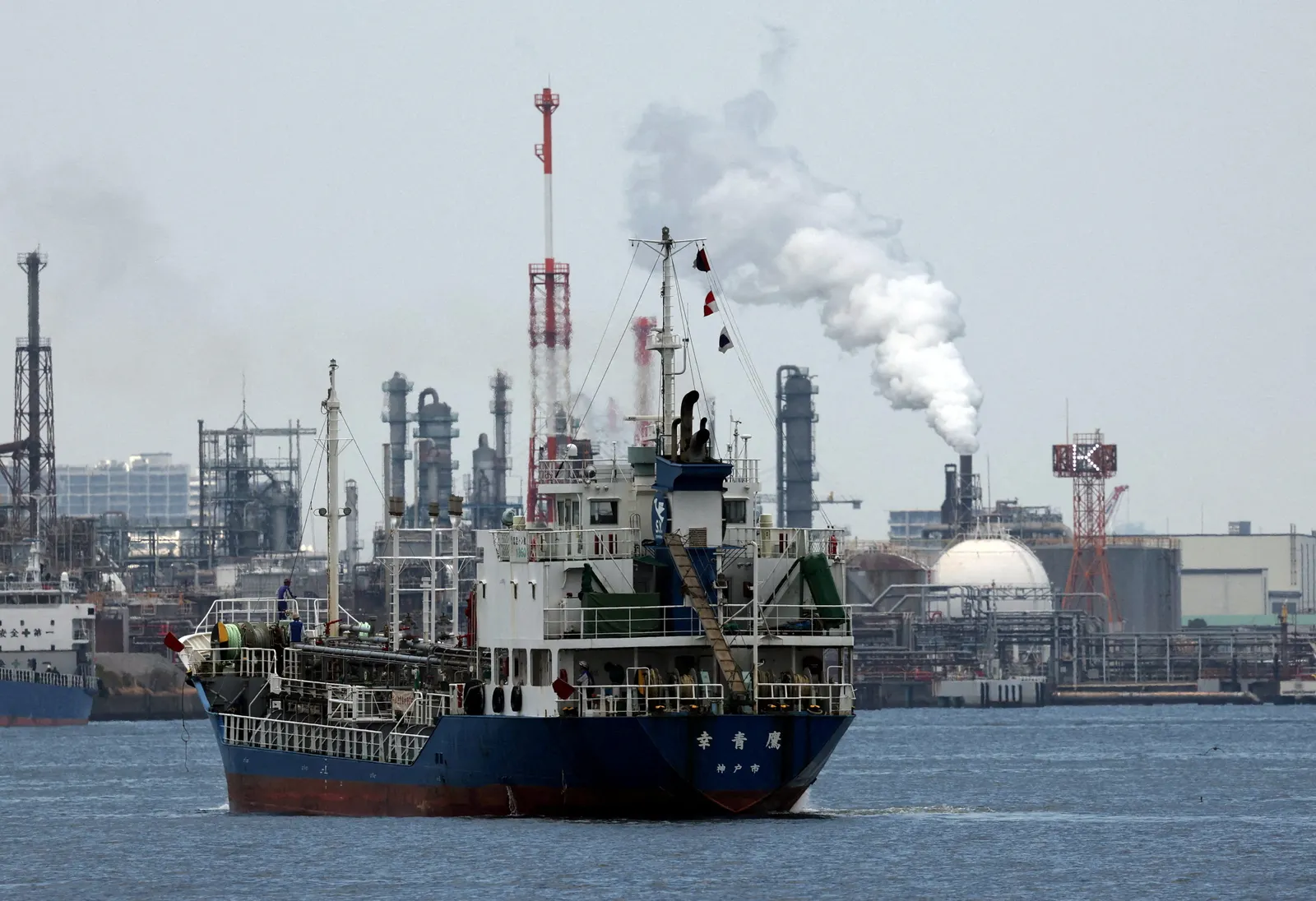
LONDON, Sept 30 — Oil prices rose on Wednesday and were on track for a big monthly gain as United States (US)-Iran talks aimed at ending their war stalled and tight fuel markets continued to underpin prices despite recovering Middle East crude supplies.
The Brent futures November contract, which expires on Wednesday, was up ¢57, or 0.6 per cent, to US$103.16 a barrel at 0944 GMT. The more active December contract was up ¢94 to US$97.10. U.S. West Texas Intermediate crude was up ¢82, or 0.9 per cent, to US$90.20.
Brent is headed for a monthly gain of around 14 per cent, its biggest since July, while WTI is on track for about a four per cent rise.
The spread between the two benchmarks also expanded to its widest in four months as traders monitored potential US plans to restrict diesel exports, which could create an oversupply in the US market and lead refiners there to process less crude.
On Tuesday, Qatar said that it hopes shuttle diplomacy between Tehran and Washington can lead to a breakthrough.
However, US President Donald Trump denied reports by Axios and CNN that cited US officials as saying he was willing to give Iran sanctions relief and release frozen Iranian funds in return for "concrete" steps by Tehran on its nuclear programme.
On Tuesday, Saudi Arabia resumed oil tanker loadings from its Red Sea port of Yanbu after restarting operations on its East-West Pipeline.
In a note on Tuesday, Goldman Sachs estimates that Gulf oil exports have recovered to 23.3 million barrels per day (bpd) over the last week, in line with its 2025 average, as exports doubled in September.
JPMorgan estimated that over the past five days, the 10-day average for total oil exports has held at 20.5 million bpd, or 89 per cent of 2025 levels.
"Recovering crude flows should temper supply-driven price pressures, although persistent product shortages and elevated freight costs are likely to keep the broader energy market tight," analysts at Japanese bank MUFG said.
According to two people familiar with the effort, the White House has urged the European Union to draw down emergency diesel inventories to lower global prices.
Trump is considering allowing sales of red-dyed diesel, instead of an export ban, to offer some price relief to consumers ahead of the November midterm elections.
On Tuesday, market sources, citing American Petroleum Institute data, said that in the US, crude oil and gasoline inventories rose while distillate stocks fell last week.
Official inventory data from the US Energy Information Administration is due at 10.30am EDT (1430 GMT). Analysts polled by Reuters expect crude and product inventories to have fallen.