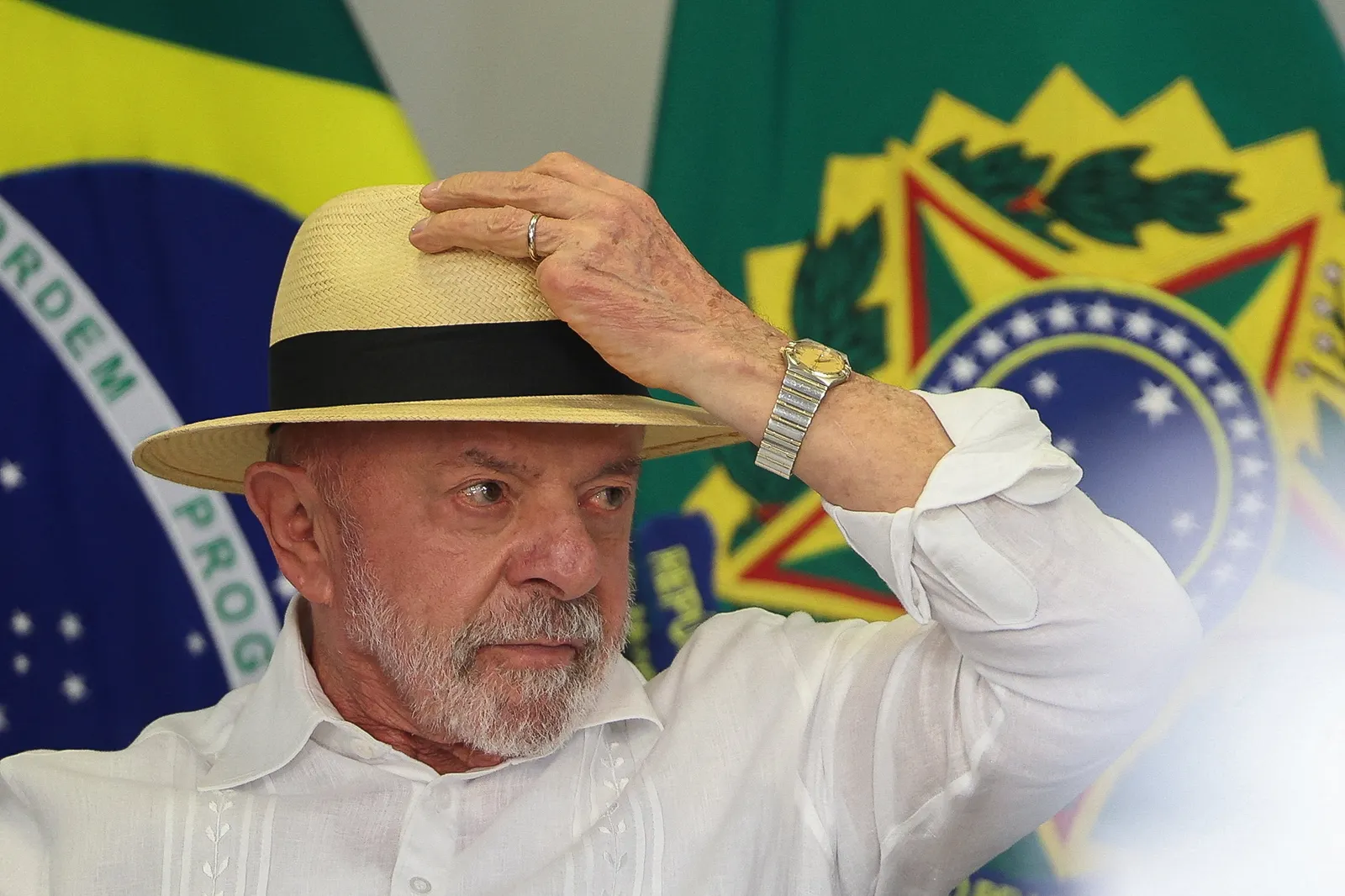
SAO BERNARDO DO CAMPO, Aug 16 — Brazilian President Luiz Inácio Lula da Silva launched his final reelection campaign today from a storied stadium where he stood on a table to address some 60,000 striking metalworkers in 1979 without a sound system.
The homecoming in the “May 1” stadium here, a once-thriving factory city on Sao Paulo’s industrial outskirts, is a tribute to the labour movement that eventually propelled Lula from factory worker to Brazil’s first working-class president.
Nearly five decades later, however, Lula is grappling with how to rally a new generation of digital app-based gig workers with little connection to the unions and factory floors that once formed the backbone of his Workers Party (PT).
“There has been a substantial change in the world of work,” Lula said after his government suffered losses in major city elections in 2024. “We need to adapt our message to the world of work that is not limited to formal, registered employment.”
Ahead of October’s vote, PT is trying to do that by backing a shorter work week and proposing new protections for app-based workers, including regulations covering pay, working conditions, social security benefits and platform algorithms.
Resistance from companies has mostly sunk efforts so far, and millions of mostly young, male app workers seem skeptical of government intervention — a constituency Lula’s main right-wing rival, Senator Flavio Bolsonaro, stands ready to court.
Gig economy
At the heart of Lula’s dilemma is a surge in jobs outside Brazil’s system of formal employment, which provides workers with a raft of labour rights and social-security benefits.
The share of workers who held formal jobs fell to 38.2 per cent in December from 46.7 per cent at the end of 2010, even as unemployment ended 2025 at a record-low 5.1 per cent.
Darlan Almeida, 27, had a formal job but now makes more deliveries for apps on his motorcycle in Sao Bernardo do Campo, where his Lula-supporting father worked in a factory. Almeida, however, identifies as apolitical and says the government’s efforts misunderstand what workers like him need.
“They don’t know what we need or how we work. They should spend a day with us on the streets,” Almeida said.
Almeida is one of the 2.1 million Brazilians working through digital platforms, a workforce that grew 170 per cent between 2015 and 2025, according to a central bank estimate using survey data from Brazil’s statistics agency.
Uber driver Eduardo Marini, 51, complains of his working conditions but says the job’s flexibility outweighs the benefits of formal employment and he fears government regulation could limit his autonomy.
Opportunities on digital platforms and fears of government meddling have pushed workers to right-wing politicians who favour lighter regulation, said Oswaldo Amaral, a public opinion researcher at the University of Campinas.
“The prevailing perception is that the state only gets in the way and collects taxes,” Amaral said.
Marini said he is on the right, as do 40 per cent of platform workers, according to a 2023 survey paid for by Uber and Brazilian partner iFood. Another 40 per cent of workers said they were centrist, while just 20 per cent identified with the left.
Identity crisis
Lula sought to regulate app-based work in 2024, but the efforts faltered as major tech companies pushed back and worker distrust mounted. His government is trying again this year, but a new bill has stalled in Congress.
The challenges reflect a party rooted in labour organising struggling to keep pace with workers increasingly detached from unions and traditional employment structures.
Brazil’s unionization rate has nearly halved over the past decade, falling to 8.9 per cent in 2024 from 15.7 per cent in 2014, according to the latest official data.
Marco Teixeira, a political science professor at the Getulio Vargas Foundation, said the Workers Party lacks a clear message for app-based workers without an identifiable boss.
The party’s president, Edinho Silva, has welcomed some soul-searching. He said unions and left-wing groups need to better understand informal workers and their working conditions.
“They aren’t talking to them, they aren’t organising them, and they aren’t present in their daily lives.”
Help wanted
After seven years driving for Uber, Rogerio do Santo, 43, is searching for a formal job again. He says low fares have eroded earnings, while the lack of organised representation leaves drivers with little leverage to press for better terms.
“We don’t have anyone from our sector to represent us and seek improvements or benefits on our behalf,” he said.
His complaints hint at PT’s path back to workers like him. Many informal workers reject the labels of employee or union member but still want more protections.
A survey commissioned by the PT in 2025 found that 65 per cent of informal workers aspire to be entrepreneurs and just 27.5 per cent prefer a formal job. Yet 56 per cent said protections like sick pay, injury benefits and a minimum wage remain “very important”.
Respondents were mixed about collective organising — nearly 40 per cent said having their own union would be beneficial, but the same share said they would not join one.