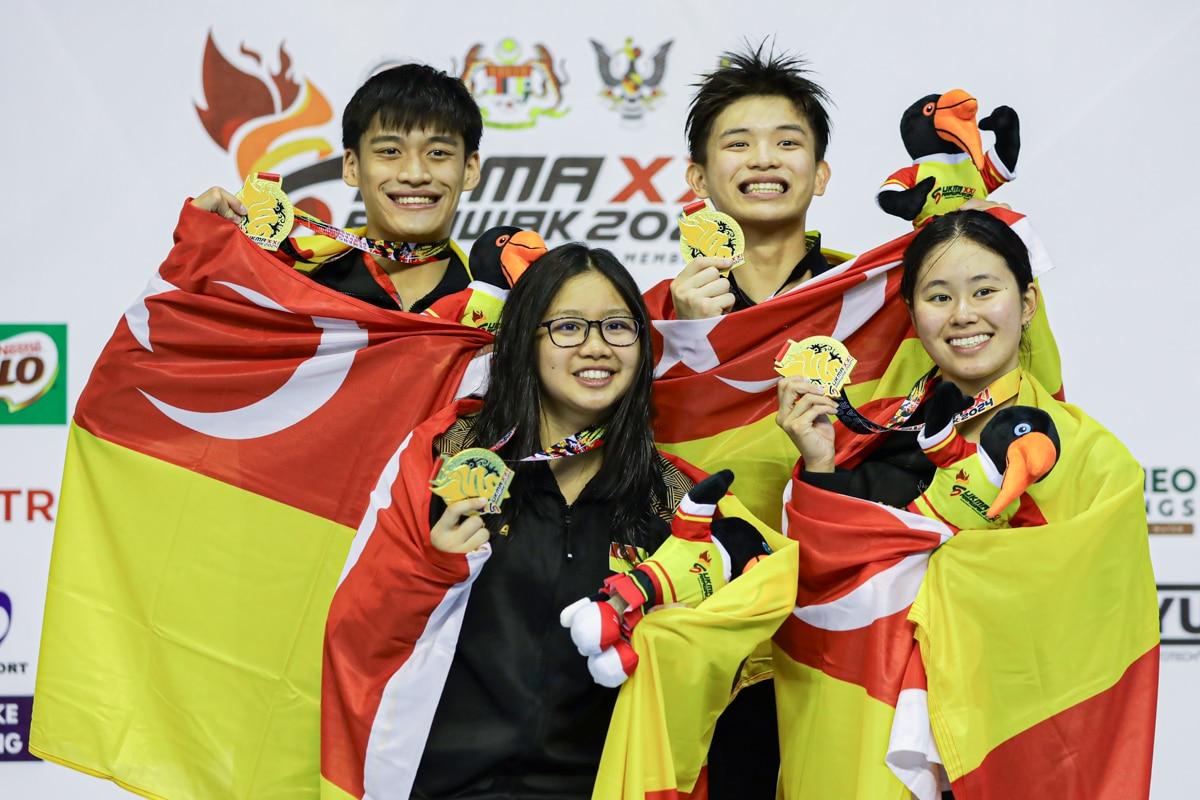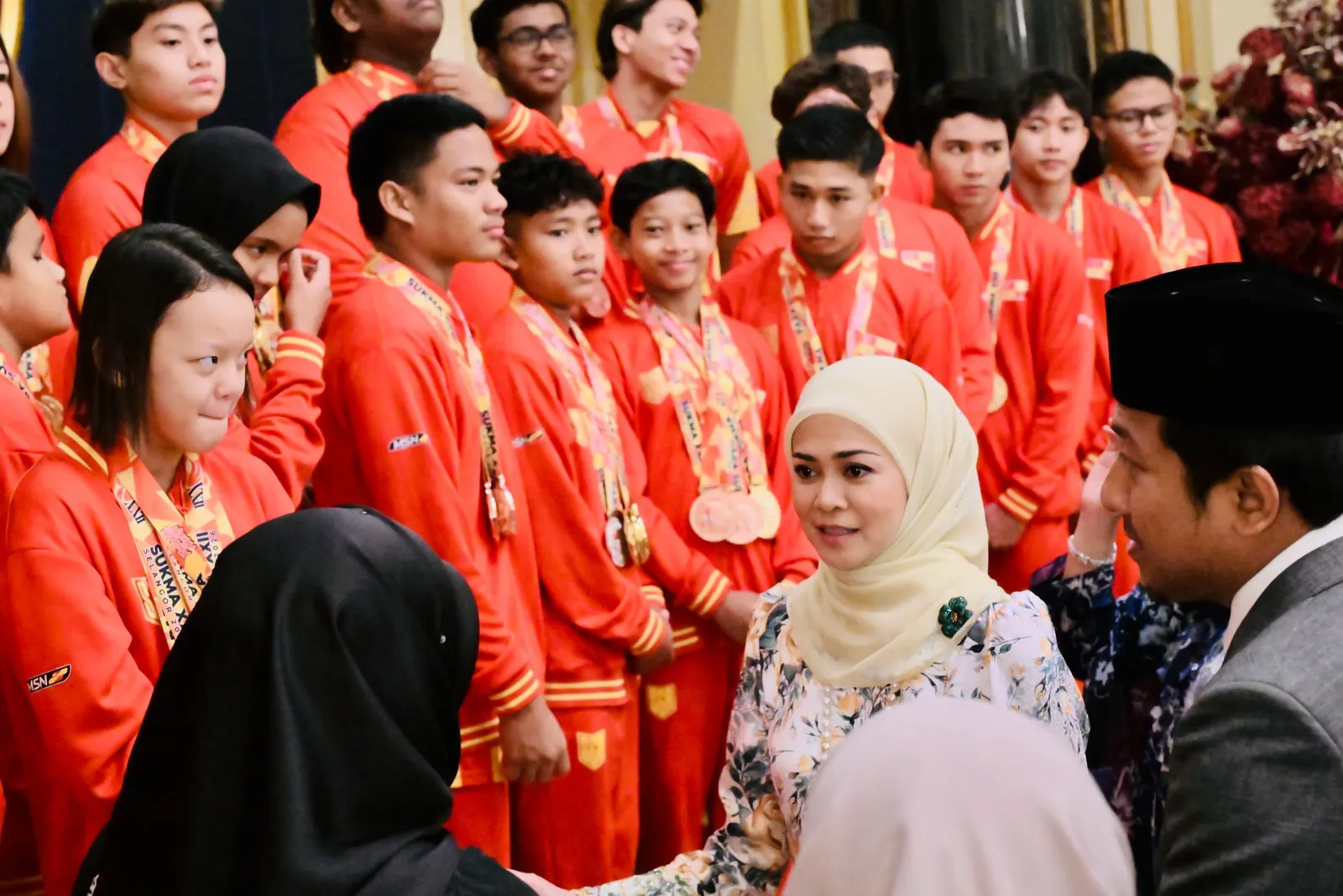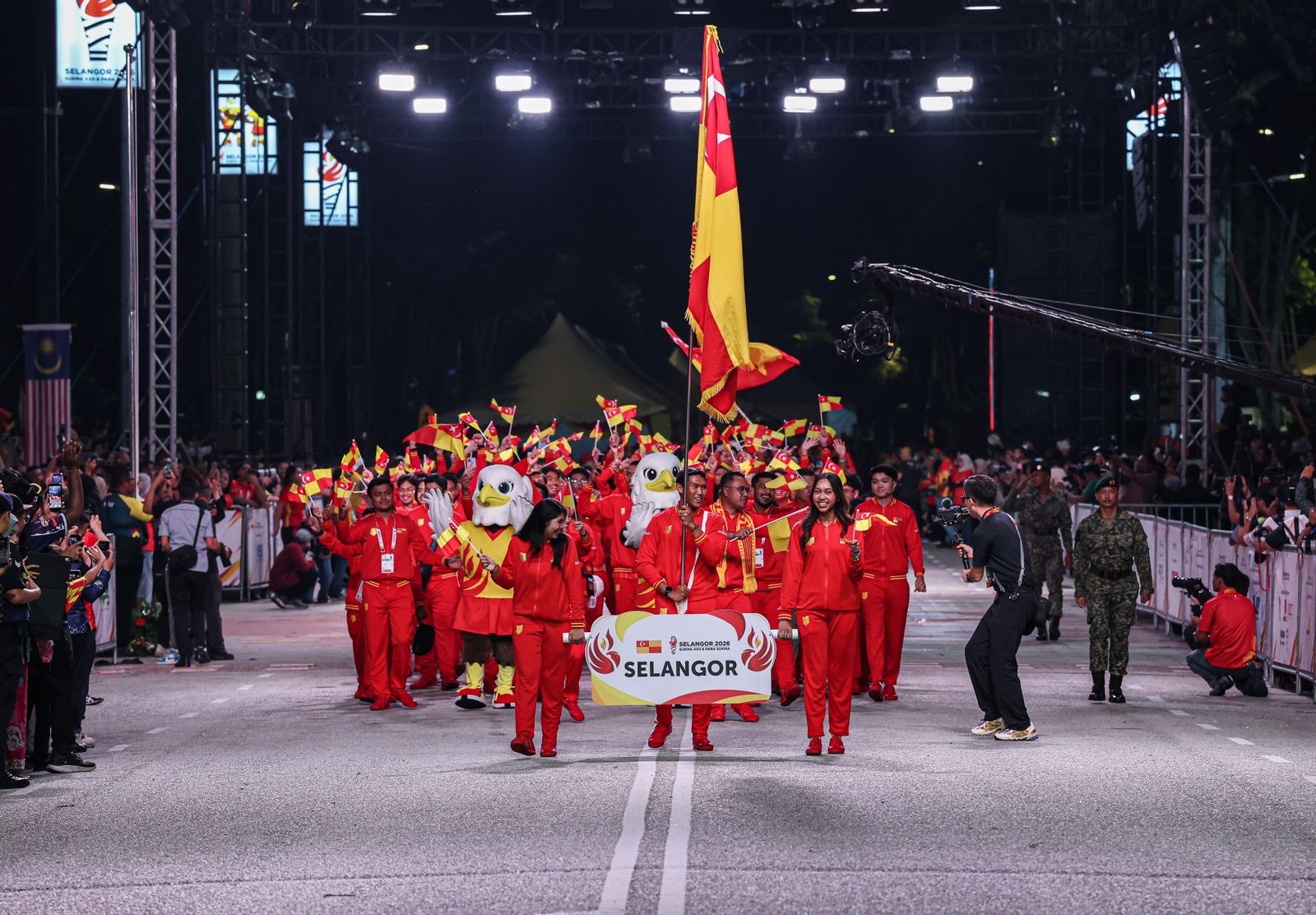

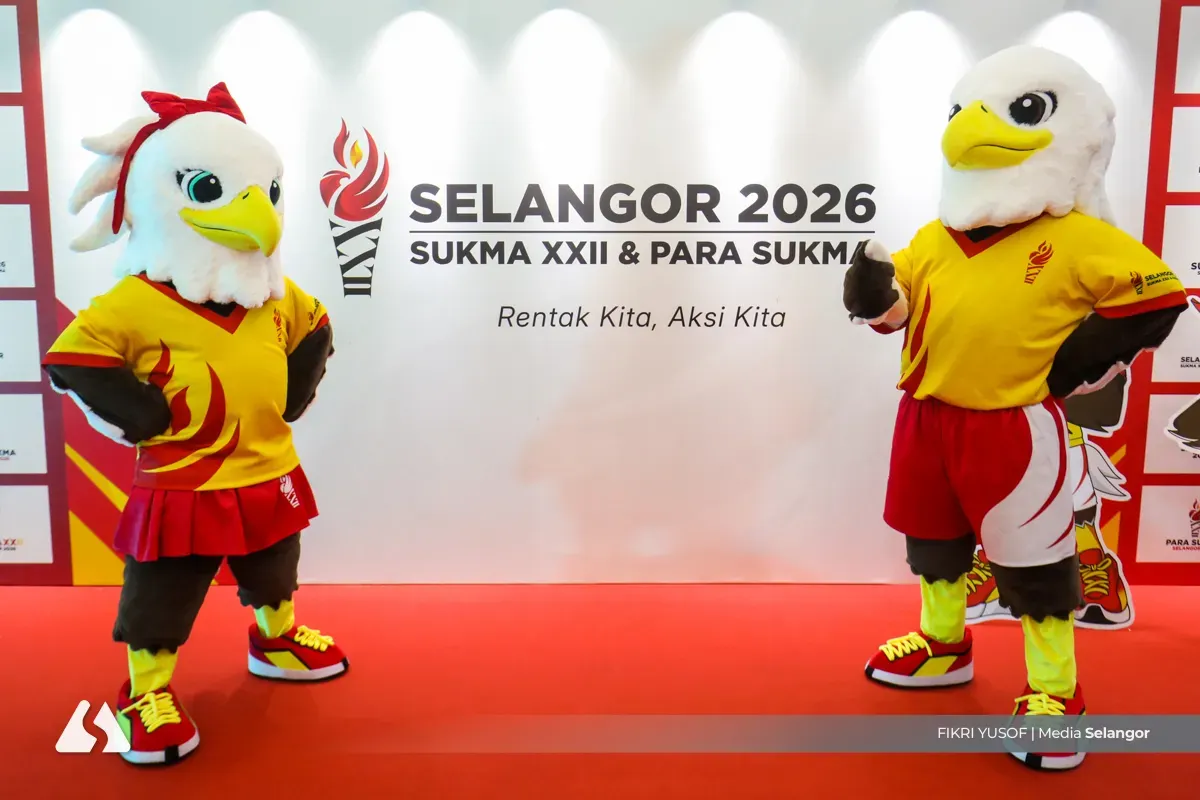

SHAH ALAM, Aug 15 — Selangor is set to host the Malaysia Games (SUKMA) for the first time in 28 years, with the country’s biggest multi-sport event expected to combine a modest setting with a vibrant atmosphere.
The 22nd edition will feature 468 events across 37 sports, the second-highest number of events in SUKMA history. A record 13,400 athletes and contingent officials will also take part.
Adding to the scale of the Games, some 10,000 trained volunteers will be deployed to support the smooth running of competitions across 52 venues in all nine districts in Selangor.
The home-state advantage could make SUKMA 2026 one of the most fiercely contested editions yet, particularly as Selangor seeks to reclaim the overall title after a decade without the crown.
The state has won the overall title nine times — more than any other state — and enjoyed an unprecedented 10-year reign from 1996 to 2006.
With the Games returning to its home ground, Selangor’s athletes will have the added boost of competing in front of passionate home supporters as they bid to restore the state’s dominance.
As Selangor SUKMA secretariat chief executive officer Dato’ Mohd Yazid Sairi put it, this year’s edition is not merely a sporting event, but a platform to continue a tradition of excellence spanning decades.
“Selangor can be regarded as the ‘Home of Champions’ of SUKMA, and no other state has won more SUKMA titles than Selangor,” he told Media Selangor recently.
Selangor has set a target of 80 gold medals for this SUKMA as it seeks to win its 10th overall title on home soil. The state last achieved the feat at SUKMA 2016 in Sarawak.
The task rests on the shoulders of 1,029 state athletes and contingent officials, who will compete against 14 other contingents from across the country, as well as Brunei as a guest contingent, from August 15 to 24.
s
The state government is also offering substantial incentives, with athletes who win gold medals set to receive between RM2,000 and RM5,000 each if Selangor emerges as the overall champions.
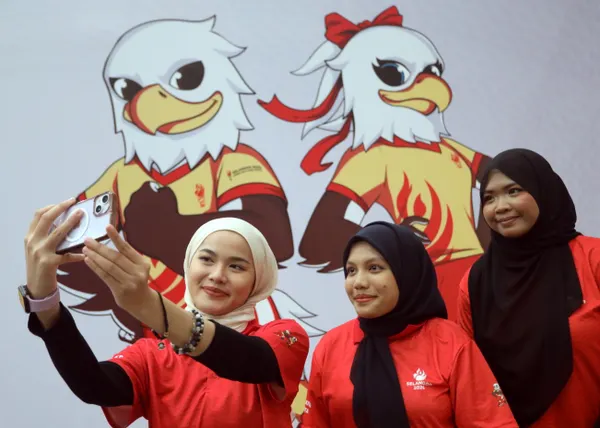
Selangor’s determination is also reflected in SUKMA’s official mascots. The male white eagle, named Sakti, symbolises strength and extraordinary power, while his partner, Seri, represents beauty and elegance.
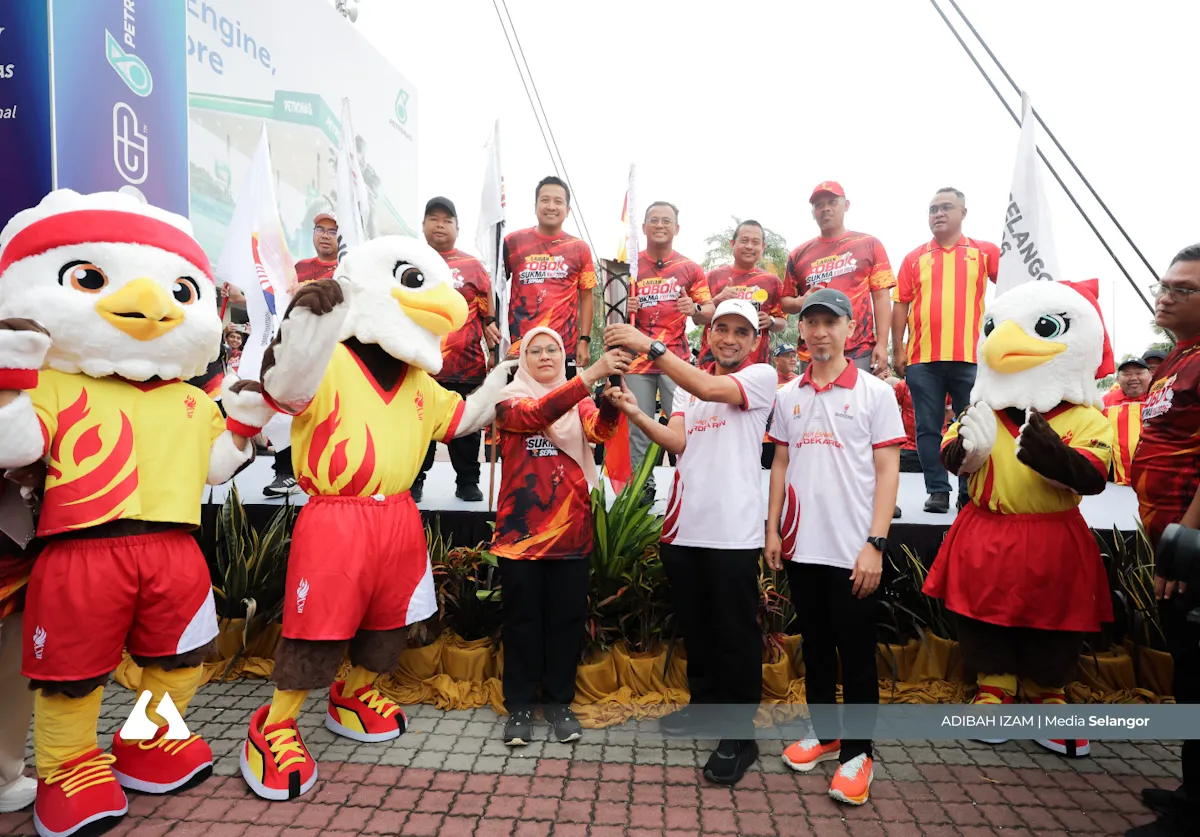
The excitement had been building well ahead of the Games, with the Torch Run kicking off on May 10 at Dataran Kemerdekaan, Shah Alam, before making its way through all 12 local authority areas across nine districts.
Thousands of participants joined the weekend fun runs before the relay concluded at D’Pulze, Cyberjaya, on August 9. The official opening ceremony at Dataran Kemerdekaan, Shah Alam, tonight will mark the formal start of the Games and the lighting of the competition flame.
Economic challenges
Although this year’s Games are being held against the backdrop of challenges such as economic repercussions from the ongoing conflict in West Asia since February, SUKMA 2026, themed “Rentak Kita, Aksi Kita” (Our Rhythm, Our Action), has been meticulously planned and organised.
Despite the Games’ initial allocation being reduced from RM100 million to between RM40 million and RM50 million due to the impact of global tensions, the quality of competition and organisation has not been compromised.
The cost-cutting measures, in line with the decree of the Sultan of Selangor, Sultan Sharafuddin Idris Shah Alhaj, are focused solely on reducing operational expenses, including logistics, allowances, equipment rental and ceremonial costs.
The Sultan had also consented to SUKMA being organised prudently, with an emphasis on cost savings, including avoiding excessive spending on the opening and closing ceremonies. As a result, almost 80 per cent of the allocation for the two ceremonies was slashed from RM10 million to less than RM2 million.
Selangor also faced the challenge of receiving no direct allocation from the Youth and Sports Ministry, unlike previous editions when host states typically received tens or even hundreds of millions of ringgit in funding.
Youth and Sports Minister Mohammed Taufiq Johari said federal support was not provided in the form of a financial allocation, following a Cabinet decision, but instead through sports facilities under KBS.
These included the National Velodrome in Nilai, Negeri Sembilan, for track cycling events. The decision was also part of broader cost-saving measures amid the economic impact of the conflict in West Asia.
Despite the absence of lavish spending, numerous sports facilities have been upgraded. Among others, the Petaling Jaya City Council (MBPJ) spent nearly RM10 million upgrading the MBPJ Stadium, hockey and BMX facilities, and tennis courts.
Local authorities collectively spent about RM100 million on upgrading existing infrastructure.
Such spending should not be viewed as wasteful, as the facilities can continue to serve local communities and athletes long after SUKMA ends. Some of the upgrades were also overdue and had simply been awaiting the right opportunity.
“Take the Selangor Aquatic Centre, for example. It was already time for us to upgrade it, and coincidentally, we are hosting SUKMA. After this, it can serve as a sports centre for the community and a training venue,” said Najwan.