
JAKARTA, Aug 14 — Indonesia's President Prabowo Subianto told Parliament that he is proposing a nearly 4.10 trillion rupiah budget for 2027 with a fiscal deficit at 2.4 per cent of gross domestic product (GDP), as he set a target to boost growth in Southeast Asia's largest economy to six per cent.
In his annual budget speech, he said the 2027 budget will remain expansive and focus on eight key programmes, including achieving food and energy self-sufficiency, building domestic industrial sectors, and education.
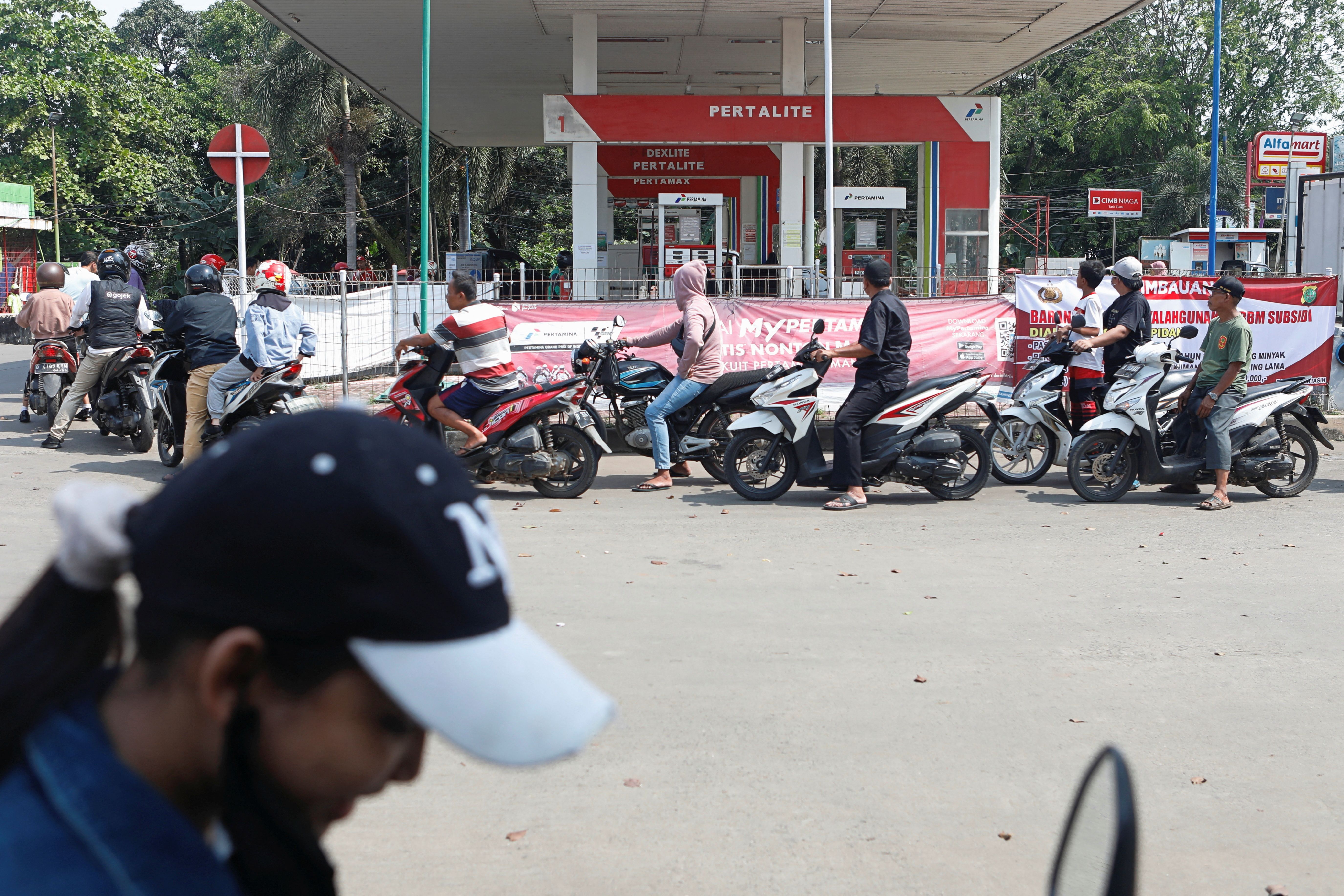
Prabowo's fiscal policies have been under scrutiny from investors since he took office in October 2024, especially after this year's increase in the government's fuel subsidy budget following a spike in global crude prices, raising questions about how his costly flagship programmes can be funded.
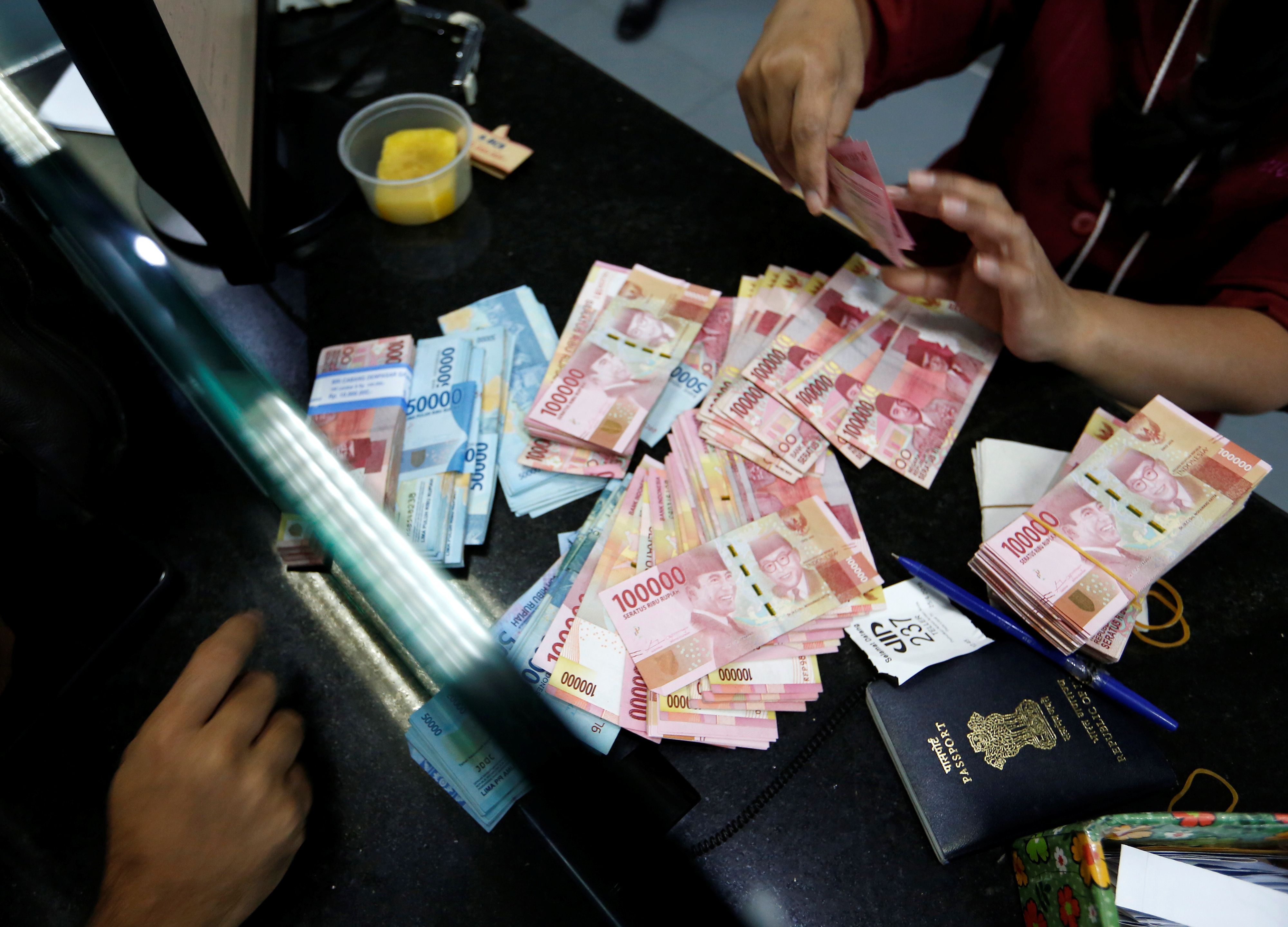
The fiscal agenda has also been complicated by the depreciation of the rupiah and large capital outflows triggered by concerns about Indonesia's fiscal health, the independence of its central bank, transparency issues in the equity market, and a controversial policy to centralise commodity exports.
Prabowo proposed to spend 4,097.2 trillion rupiah (RM939.02 billion) in 2027, up 3.9 per cent from the projected spending level for this year. Revenues are expected to reach 3.426 trillion rupiah (RM784..46 billion) next year, up 6.8 per cent from this year's estimate.
The proposed budget deficit is the smallest gap since 2024 and down from the 2.85 per cent of the GDP deficit projected for 2026. Indonesia's law limits the government's annual budget deficit to three per cent of the GDP.
The figures are based on assumptions that GDP would grow six per cent in 2027, with the inflation rate expected at 2.5 per cent, the rupiah exchange rate averaging 17,500 per dollar, and the 10-year bond yield averaging 6.9 per cent.
This year, the government's official GDP growth target is 5.4 per cent, but Prabowo said in an earlier speech today that he believes six per cent growth can be achieved.
The President has set a target to bring economic growth up to eight per cent by 2029. Growth was 5.3 per cent in the second quarter of this year.
Inflation in July stood at 2.88 per cent, comfortably within the central bank's target range, thanks to the government's fuel subsidies.