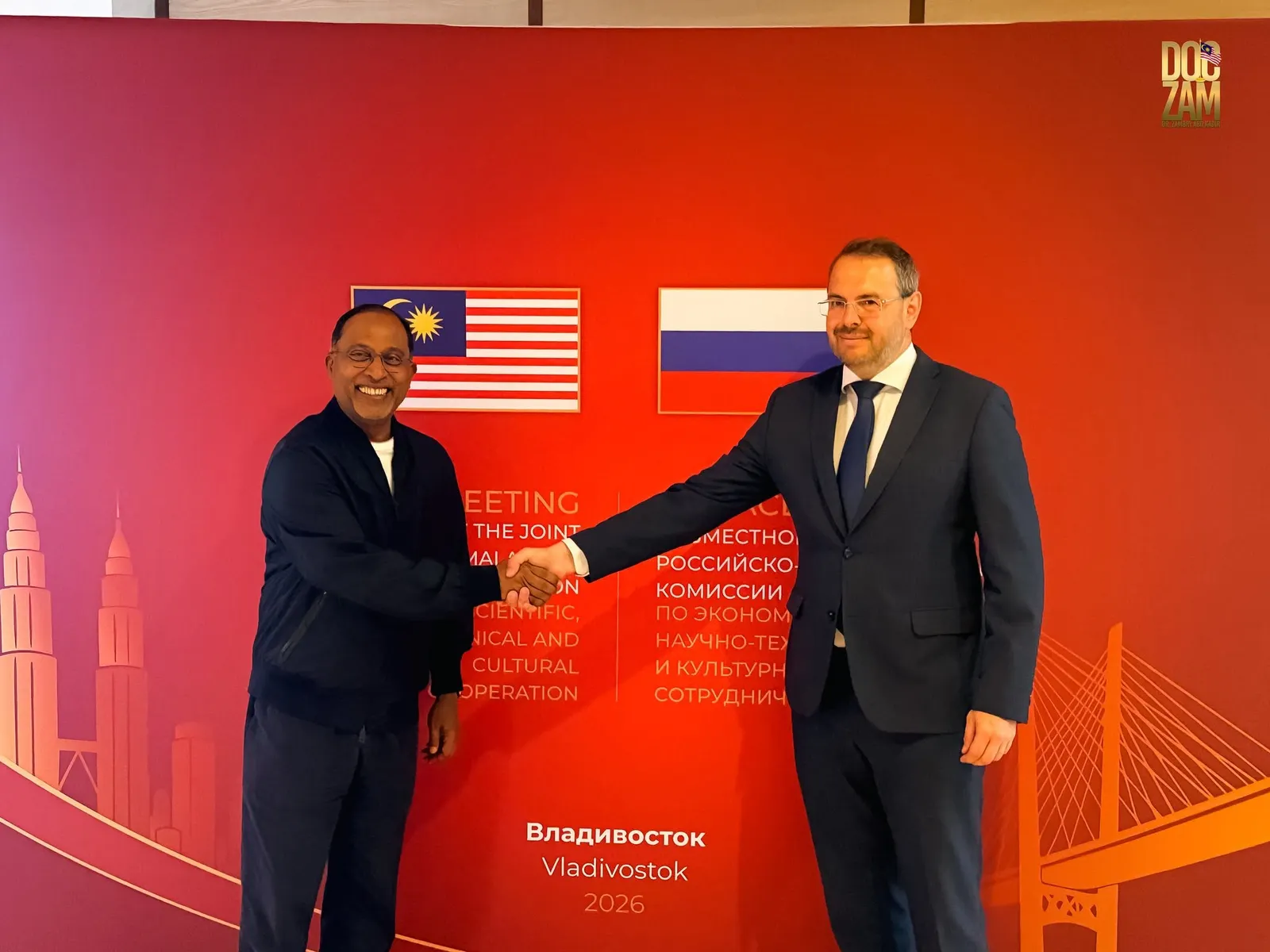
KUALA LUMPUR, Aug 13 — Malaysia and Russia have agreed to finalise the 2027 Joint Action Plan by the end of this year to ensure that cooperation between the two countries is more structured and results-oriented, said Higher Education Minister Datuk Seri Zambry Abd Kadir.
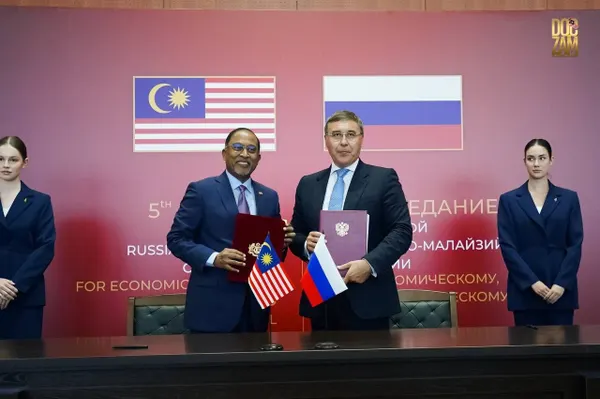
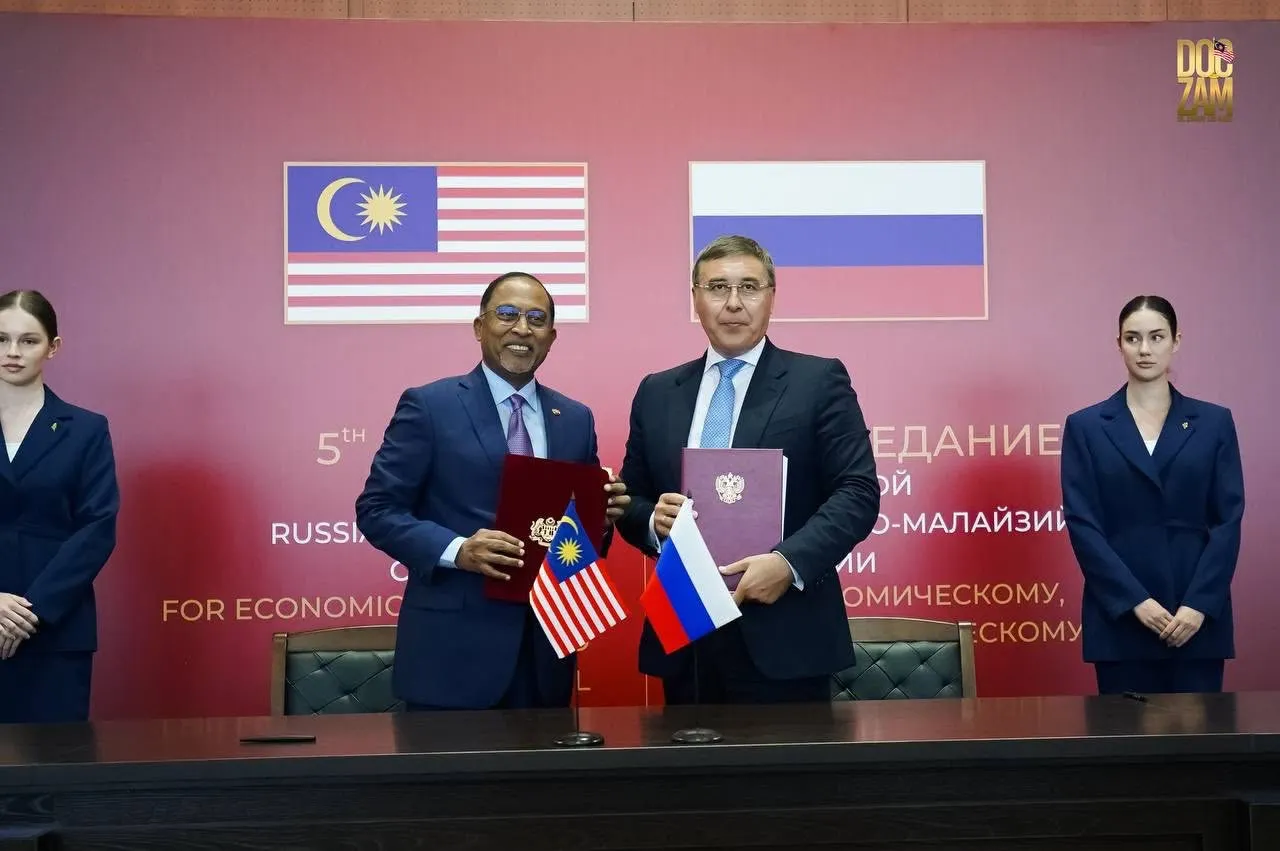
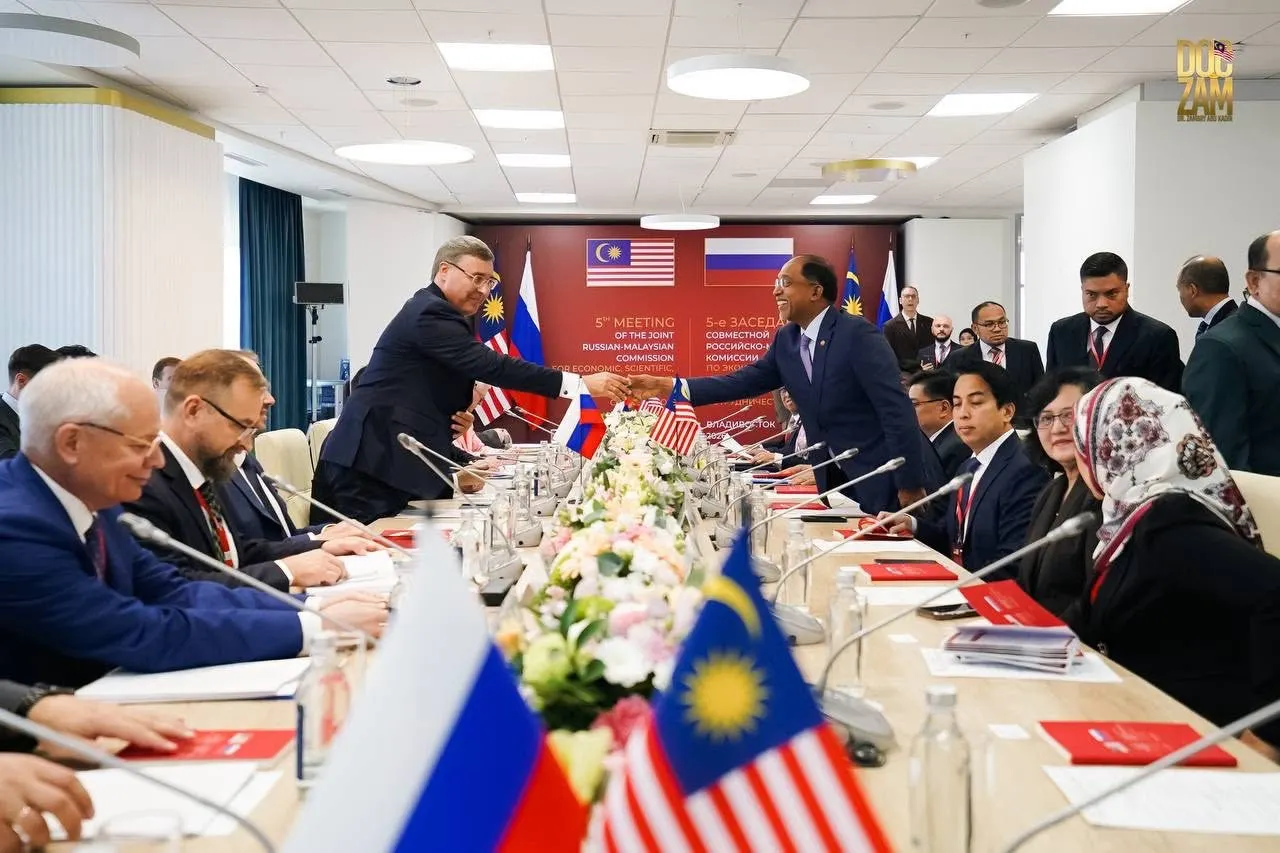
The matter was agreed upon at the Fifth Meeting of the Malaysia-Russia Joint Commission for Economic, Scientific, Technical and Cultural Cooperation (JC-ESTC), which he co-chaired with the Russian Science and Higher Education Minister Valery Falkov in Vladivostok today.
Building on the momentum of high-level ties involving His Majesty Sultan Ibrahim, the King of Malaysia, Russian President Vladimir Putin, and Prime Minister Datuk Seri Anwar Ibrahim, this year’s JC-ESTC meeting focused on efforts to translate the strong bilateral ties into more concrete cooperation.
“In higher education, science and human capital development, Russia will continue to offer 40 Russian Government scholarships annually to Malaysian students,” he said in a statement.
Zambry added that the two countries also welcomed proposals to organise the first Malaysia-Russia Rectors’ Forum in 2027, expand the MAI-UniKL Russian Aerospace Programme, establish the Russia-Malaysia Raw Materials Dialogue, and implement a youth development initiative through the Malaysia-Russia Youth Leadership Summer Camp.
All of the initiatives will create more opportunities for students, academics and researchers from both countries to build collaborative networks.
“In trade, agriculture and investment, both sides discussed efforts to expand market access, strengthen trade cooperation, and explore cooperation in the supply of fertilisers, including urea, to support Malaysia’s food security," he said.
Cooperation in strategic sectors has also been strengthened, covering artificial intelligence, digital technology, smart cities, information security, telecommunications, renewable energy, liquefied natural gas and liquefied petroleum gas, as well as exploring cooperation in the peaceful use of nuclear energy, subject to the laws and regulatory requirements of both countries.
Zambry noted that both sides have also made progress in strengthening Malaysia-Russia financial cooperation, with the involvement of Bank Negara Malaysia and the Bank of Russia, including exploring Labuan’s role as an international financial centre and gateway to ASEAN, as well as potential cooperation in Islamic finance and digital assets.
Cooperation has also been expanded to the industrial, healthcare, transport, green technology, climate change, creative economy, and space sectors.
At the meeting, both ministers also witnessed the exchange of three cooperation agreements between Malaysian and Russian higher education institutions, involving Universiti Teknologi MARA (UiTM) and National Research University Moscow Power Engineering Institute, UiTM and the Institute of Experimental Medicine, as well as Universiti Tun Hussein Onn Malaysia and the State University of Land Use Planning.
“Both countries hope that the agreements reached through the JC-ESTC can be translated into beneficial initiatives that will benefit the people of both countries. Malaysia will continue to work closely with Russia based on the principles of mutual respect and benefit,” he said.
Zambry underscored that the momentum will continue when Malaysia hosts the sixth JC-ESTC in 2027, coinciding with the 60th anniversary of Malaysia-Russia diplomatic relations.