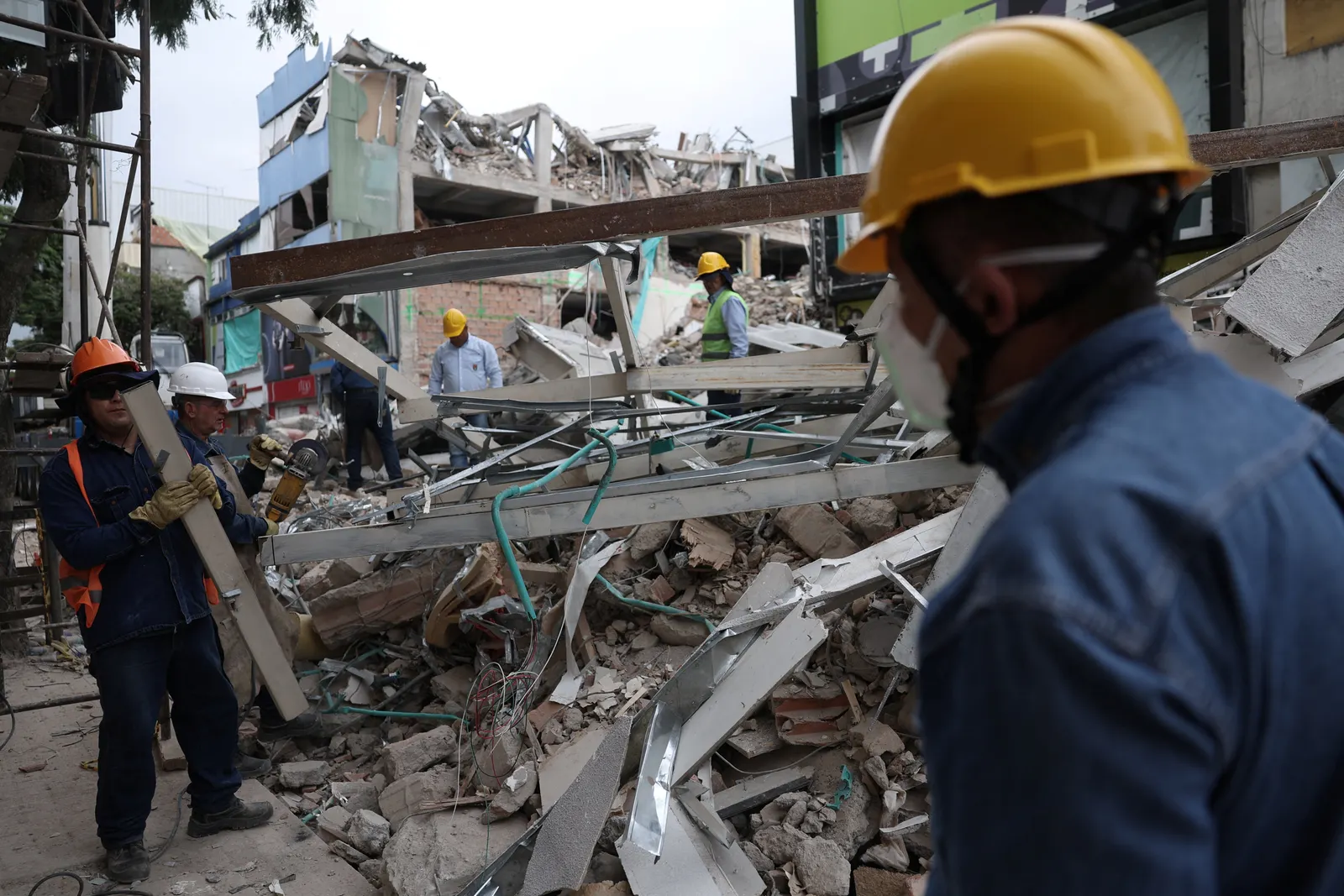
PEREIRA, Aug 12 — Rescue crews yesterday dug through mountains of rubble in western Colombia, shouting for quiet so they could listen for survivors still trapped under the buildings that collapsed in a powerful earthquake estimated to have killed at least 250 people.
The 7.4-magnitude quake, the most devastating to strike Colombia this century, tore through its coffee-growing heartland early on Monday, leaving apartment blocks, homes, schools and health centres cracked, leaning or flattened.
Separate reports from affected cities put the death toll at 254 yesterday morning, with 101 people killed in Pereira, deep in coffee country, and 95 in Cali, the country’s third-biggest city.
Many indigenous communities in the forested Pacific-facing region of Choco close to the quake epicentre are still without power or basic services, complicating rescue efforts.
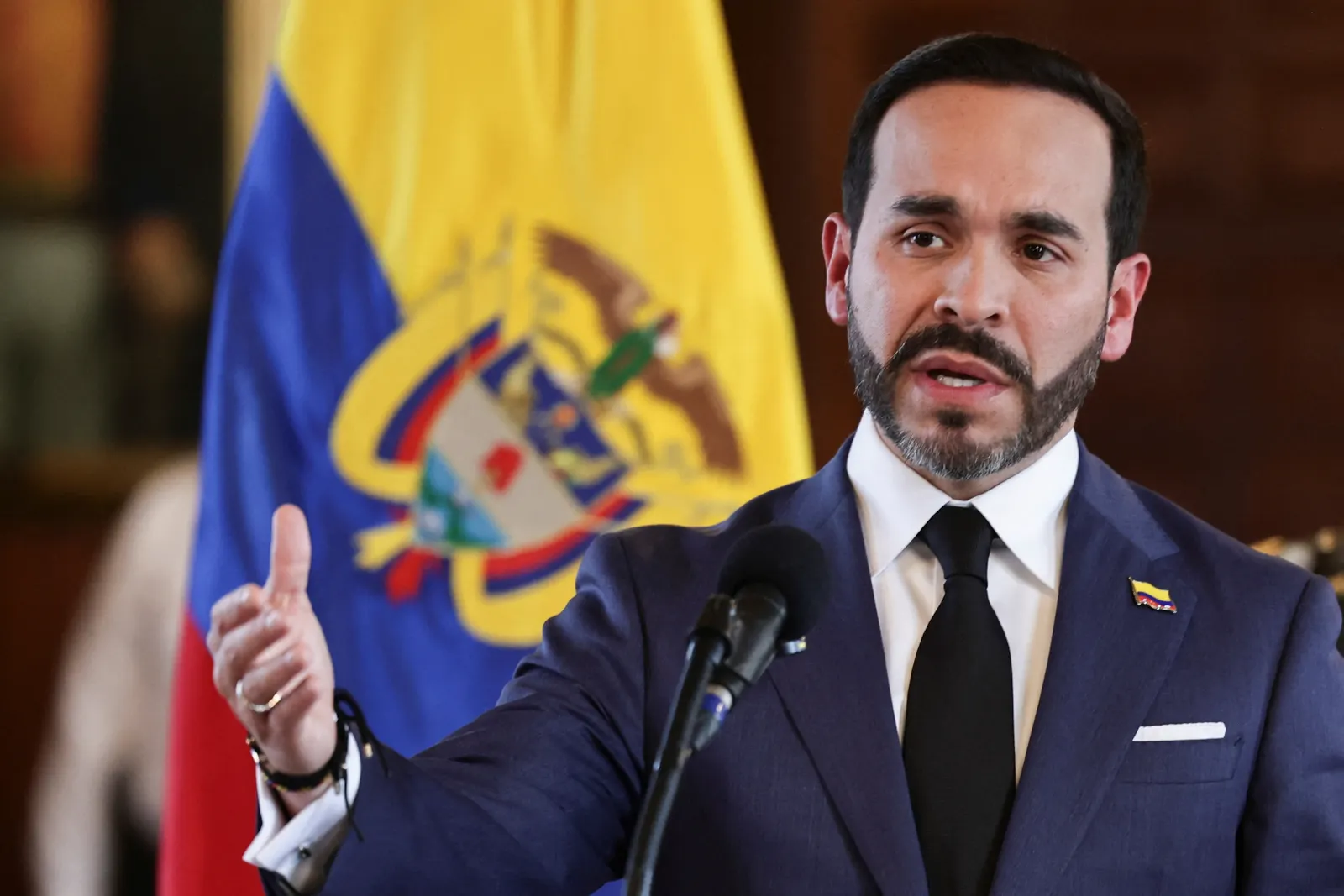
The earthquake struck just days after the inauguration of President Abelardo De La Espriella, who traveled to the affected regions and promised economic support to people who lost their homes.
The government, which announced immediate austerity measures as it came into power, is preparing to revise a more than US$180 billion (RM736 billion) budget prepared by its leftist predecessor.
The National Coffee Federation is working on the ground with families to assess damage to farms and rural infrastructure, its chief German Bahamon said on social media.
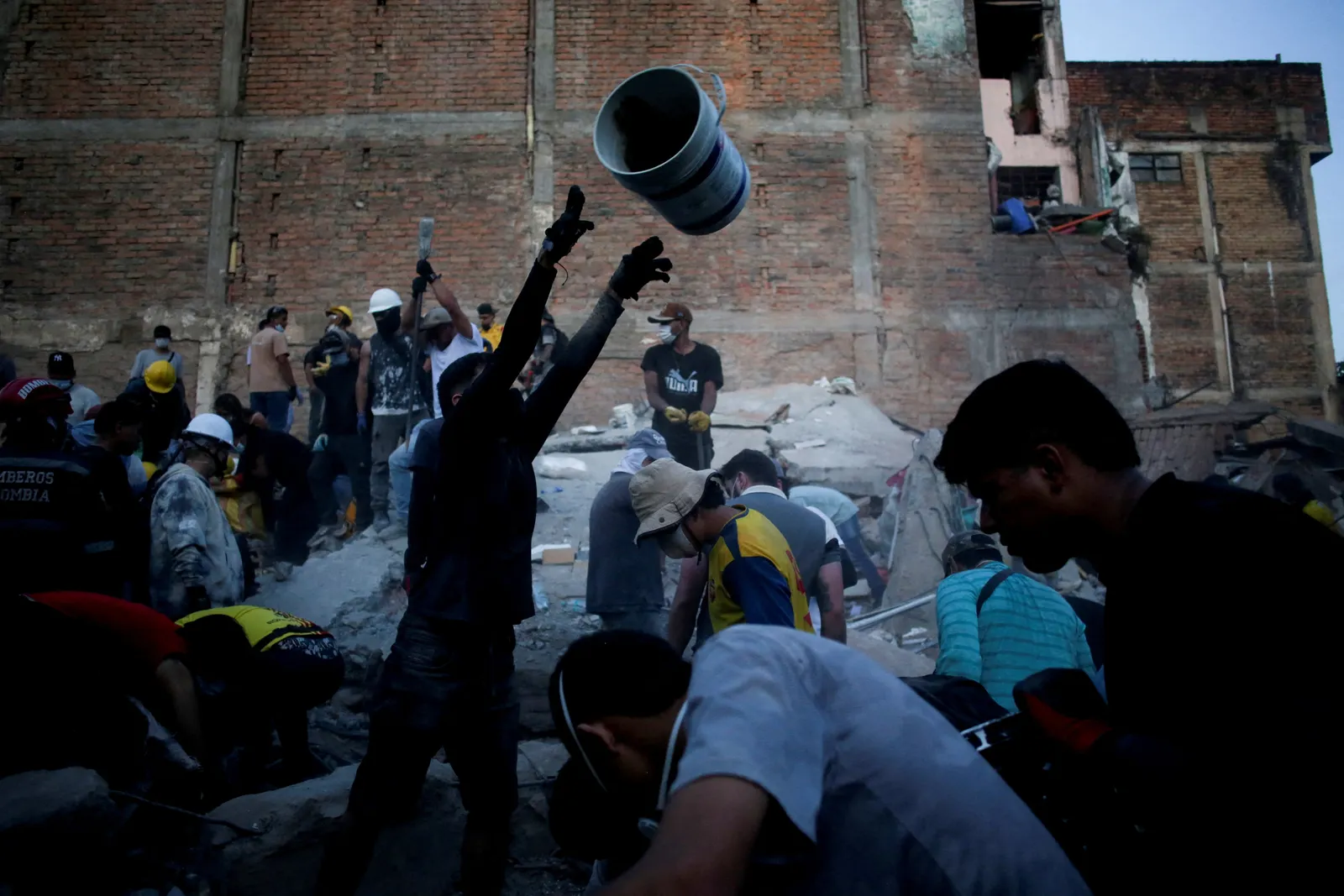
Meanwhile, rescuers worked through Monday night and yesterday with cranes, excavators and their bare hands, forming human chains and passing buckets filled with debris as they searched for people still trapped.
Nightmare scenes
Rosa Gonzalez described how she escaped the guest house she ran in Pereira with her husband and 10-month-old baby.
“The structure started creaking and just as we ran outside the building collapsed,” she said, speaking to Reuters as she stroked her cat that was rescued in the night. Though eight made it out alive, an elderly man was trapped on a terrace and she fears he may be among the people killed.
Social media influencer Jose Gallego had just arrived at Pereira airport when the earthquake struck. He recorded a live video, capturing footage of violent shaking as he crouched under a table and parts of the ceiling fell.
“There were people injured, bleeding, screaming and trying to reach their families,” he said. Unable to sleep, Gallego said he is staying in open spaces in case of aftershocks. Over 100 aftershocks were recorded as of yesterday afternoon.
“I crossed the city on foot; it took two hours and the scenes were devastating,” he told Reuters. “It was like a nightmare come to life.”
Thousands of people were left unhoused as the earthquake brought down apartment complexes and left deep cracks in homes, leaving families to await safety assessments outside.
Alberto Machado, 34, told Reuters the quake struck after he dropped off his son at school. It destroyed their Cali home, leaving his wife, mother-in-law and two young children to spend the night at a neighbour’s house, unsure of their next steps.
He spoke outside a sports centre prepared to host 60 people overnight, including 30 elderly people from a damaged nursing home.
Dog and cat shelters also put out calls for food, medicine and helping hands.
Cheers for rescues
In Cali, residents cooked on the streets and salvaged what they could from the wreckage.
Rescue workers, civilian volunteers and local officials gathered outside the destroyed Torres del Limonar apartment complex, once a pair of multi-storey towers in a genteel, tree-lined neighbourhood. Crowds cheered as rescuers pulled a woman alive from the rubble and she was taken away on a stretcher.
Others were less fortunate. Cali public health secretary German Escobar said the city’s morgue is now full and authorities are bringing more bodies off the streets.
Cali Mayor Alejandro Eder, one of several to impose militarised overnight curfews to prevent looting, was shouted out of a hard-hit neighbourhood, footage on social media showed.
In Choco, towns close to the epicentre told local outlets they have yet to receive government help.
Andres Caicedo, a community leader in Sipi, a small woodland community an 11-hour road and river journey from Choco’s capital, told Caracol TV residents are struggling in a community already ravaged by attacks from armed groups.
“We’re going up trees for scraps of internet connection,” Caicedo said. “We have children and older people who still haven’t gotten over the shock ... We don’t have a health centre or medical supplies, we’ve done what we can with our own hands.”
Yesterday, three airports remained closed and many areas — especially Choco — still lacked access to gas, water and electricity, and some major highways remained closed off.
Though De La Espriella offered a national death toll around midday on Monday and government entities said they had been ordered not to share their own, the national government has not given another, drawing criticisms from commentators and creating confusion about the number of dead.
With communications still patchy in some of the worst-hit areas, officials said the full extent of the damage and the final death toll could take days to establish.