SUVA, Aug 10 — China's test of a nuclear-capable missile last month has exposed the limits of Pacific leaders' ambition to make the region an 'Ocean of Peace', free from the crossfire of major-power rivalry.
The July launch, China's first known ballistic-missile test into the Pacific since September 2024, was fired into the Pacific just hours after Fiji and Australia signed a major defence treaty, marking Fiji's first-ever alliance.
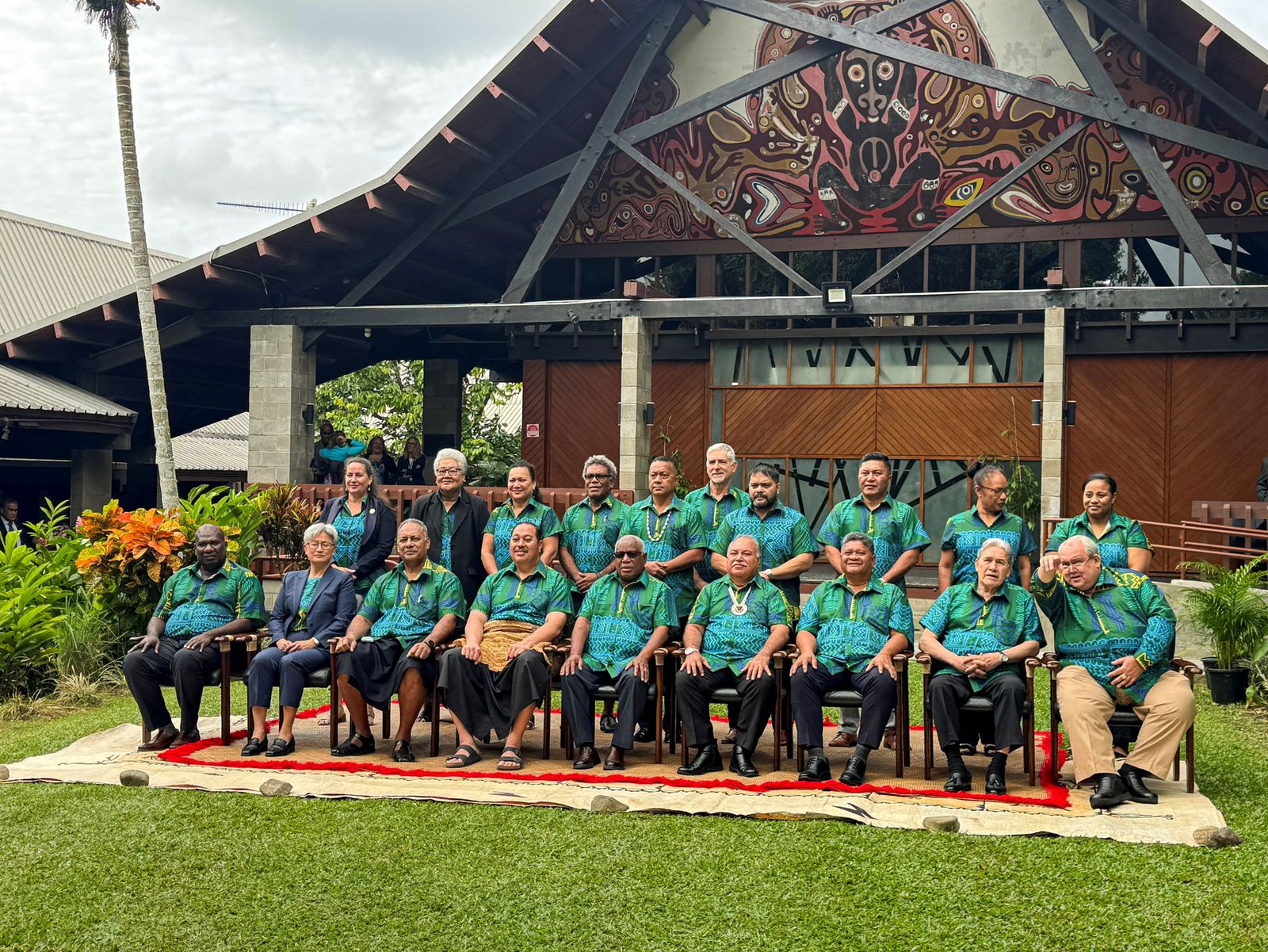
More than a month after the test, Pacific Islands foreign ministers were unable to agree on a collective statement condemning Beijing's missile test, despite individual leaders expressing alarm, publicly and privately, about militarisation of the region.
Speaking to Reuters on the sidelines of the foreign ministers' meeting in Suva last week, Papua New Guinea Foreign Minister Justin Tkatchenko said that the test was "totally inappropriate".
"China is a very close friend and ally to Papua New Guinea, but we feel this does not help at all," he said, adding that Beijing had given PNG advance notice of the launch but no details on where the missile would land.
At the time of the launch, Chinese Foreign Ministry spokesman Mao Ning said it was conducted "safely", adding: "We hope relevant countries will not over-interpret the matter."
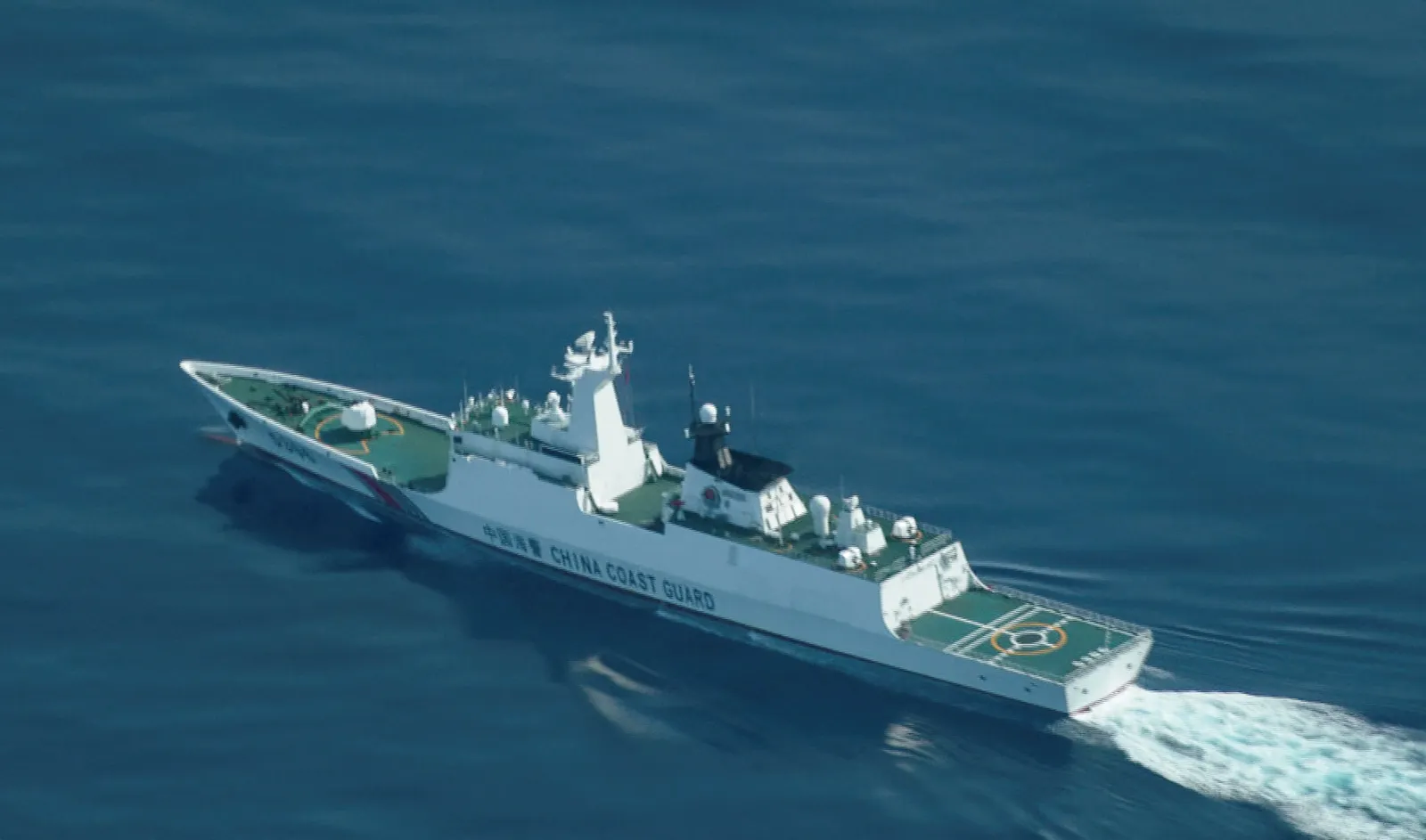
The missile launch capped a year of more visible military activity across the Pacific, which is fiercely contested between the United States (US) and China for influence. That has included Chinese naval deployments and live-fire drills in the Tasman Sea, US-allied exercises around Guam and Hawaii, and a steady flow of warship visits linked to expanding security partnerships.
Meanwhile, the US retains a substantial military presence across the region, including in Hawaii, Guam, and the Marshall Islands.
Tuvalu's Permanent Foreign Secretary Pasuna Tuaga, who was speaking in a personal capacity, was concerned about growing militarisation, not only because of the missile test but also security arrangements such as the AUKUS partnership between Australia, the United Kingdom, and the US.
United, but divided
In September 2025, Pacific Leaders endorsed the Ocean of Peace Declaration, which committed to safeguard the region, recognised the right of the people to peace, and resolved to contribute to and strengthen international peace and security.
The Australian National University's Pacific Security College's David Peebles said that Pacific countries had long resisted having peace and security defined by outside powers and their competing Indo-Pacific strategies, noting that the Ocean of Peace initiative is an attempt to reclaim that agenda.
The regional declaration inspired the defence pact signed between Australia and Fiji last month, known as the Ocean of Peace Alliance.
Australia's Foreign Affairs and Trade Department did not immediately respond to a request for comment on concerns that the growing number of regional security pacts could further militarise the Pacific.
For many governments, security partnerships bring benefits: surveillance against illegal fishing, disaster response, policing support, and access to equipment and training. But critics fear a proliferation of bilateral arrangements could leave Pacific countries with little say over how their territory, waters, and infrastructure are used.
Solomon Islands Foreign Minister Rick Houenipwela, who chaired the talks in Suva, said the region's agenda must remain "conceived by the Pacific, shaped by the Pacific and only by the Pacific."
Yet by the end of the one-day meeting, no unified statement in response to the missile test had emerged.
An official familiar with the discussions said that Kiribati and Nauru, which have deepened ties with Beijing since switching diplomatic recognition from Taiwan in 2019 and 2024 respectively, did not support the statement's wording.
New Zealand Foreign Minister Winston Peters blamed foreign influence for the failure to reach consensus, without naming a country.
The impasse illustrates the central challenge facing these small island nations, which have different economic, political, and security interests.
In the northern Pacific, where the US has maintained a military presence for decades, some governments want deeper security engagement with the US while others remain wary.
Fiji Foreign Minister Sakiasi Ditoka said Pacific governments faced an unavoidable tension.
He noted that countries wanted "to be free of all these war-making paraphernalia," but also recognised that some security capabilities helped keep them safe.
"I believe it is maintaining that balance," Ditoka said.
For the first time, Fiji participated last month in US-led war games in the Pacific known as RIMPAC.
Pacific leaders will meet in Palau in three weeks for the Pacific Islands Forum leaders meeting, where the missile test and regional unity are expected to return to the agenda.