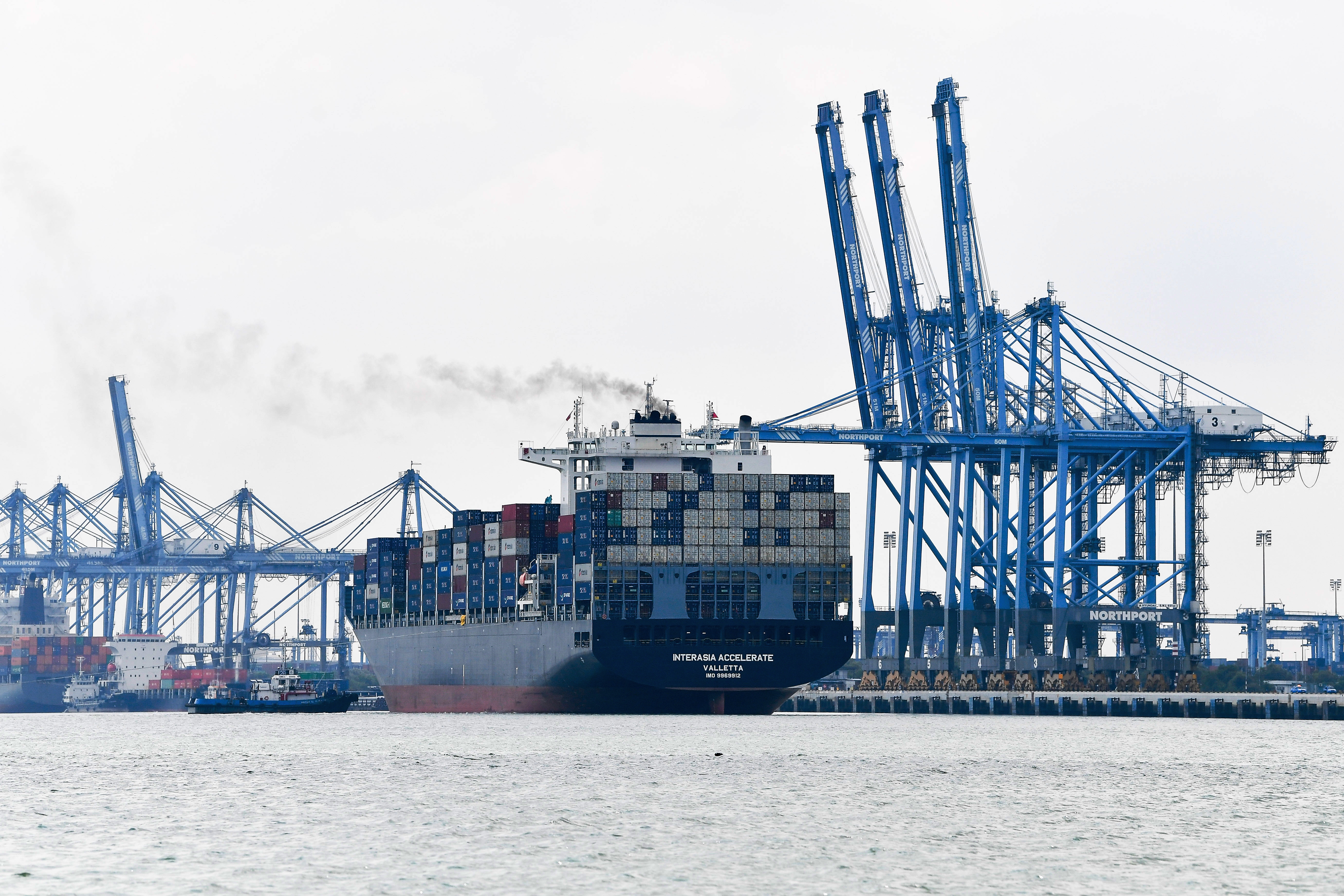

SHAH ALAM, Aug 10 — A state backbencher has proposed a business-matching programme under the Second Selangor Plan (RS-2) to connect Port Klang operators, logistics companies and industry players with local micro, small and medium enterprises (MSMEs).
Pelabuhan Klang assemblyman Azmizam Zaman Huri said the initiative would ensure growth in Port Klang’s trade and logistics ecosystem and create more opportunities for local businesses, with the state acting as a facilitator.
“The state government does not need to interfere in the commercial decisions of private companies; what it can do is play the role of a facilitator to connect local companies with opportunities available in the port and logistics sector.”
Azmizam said it would help local companies identify potential contracts, understand industry requirements and fulfil standards to become vendors for larger companies.
“When Port Klang’s economy grows, more local businesses should also have the opportunity to grow alongside it,” he said when debating the RS-2 at the Selangor State Legislative Assembly here today.
RS-2, which was tabled by Menteri Besar Dato’ Seri Amirudin Shari on August 7, is Selangor’s five-year development plan outlining its strategies from 2026 to 2030 to drive economic growth and improve its people’s well-being.
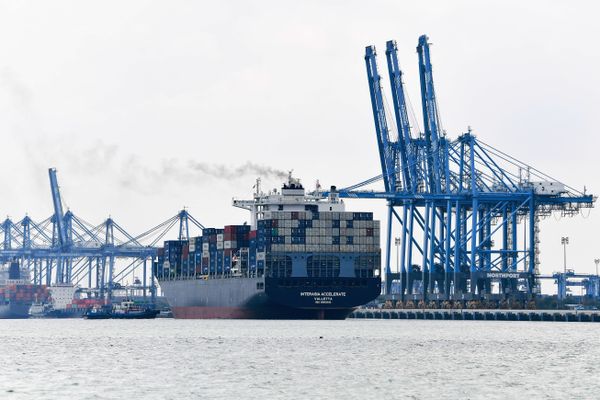
Azmizam said Port Klang, which handled 15.14 million twenty-foot equivalent units (TEUs) in 2025, should offer greater opportunities for local businesses to participate in its growing trade and logistics ecosystem.
"Port Klang ranked 10th among the world’s top 100 container ports in the 2025 Lloyd’s List ranking and accounted for about 47.7 per cent of Malaysia’s total container handling in 2024.
“We want small companies to have opportunities to become larger vendors, and more Selangor entrepreneurs to enter the logistics and maritime sectors, which will be of higher economic value in the future.”
Apart from linking port and logistics players with qualified Selangor MSMEs, the Pakatan Harapan lawmaker outlined four other proposals for the state under RS-2 — identifying port-support sectors for local companies, expanding access to financing and capacity-building programmes, measuring Port Klang’s local economic impact, and simplifying state and local authority business processes while maintaining regulatory compliance.
He also called for fair competition between local and foreign companies, stressing that all businesses must comply with legal, licensing and tax conditions.
Azmizam added that RS-2’s success should ultimately be measured by tangible improvements in people’s lives, including with the provision of more jobs, the strengthening of local businesses, and the creation of greater economic opportunities.