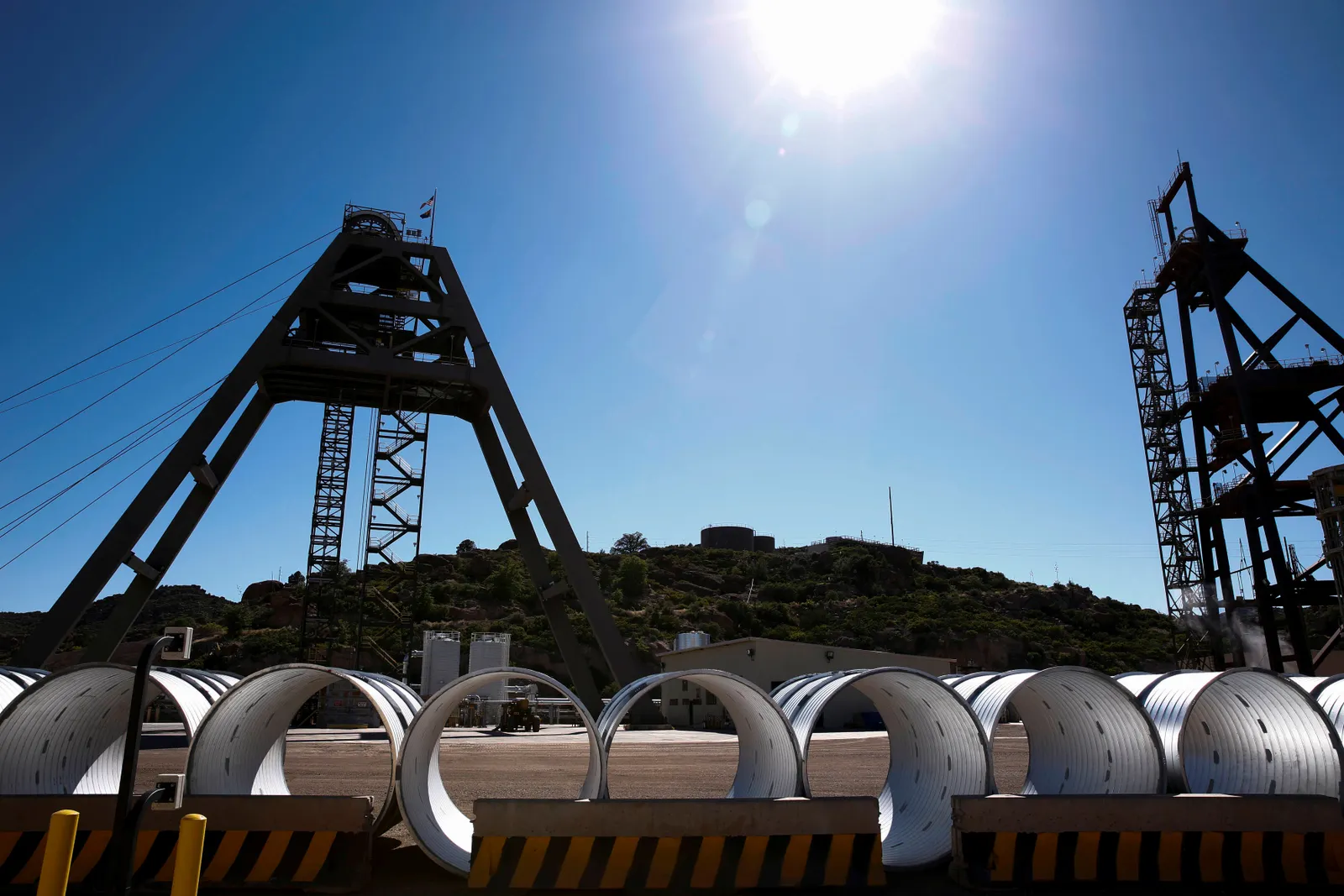
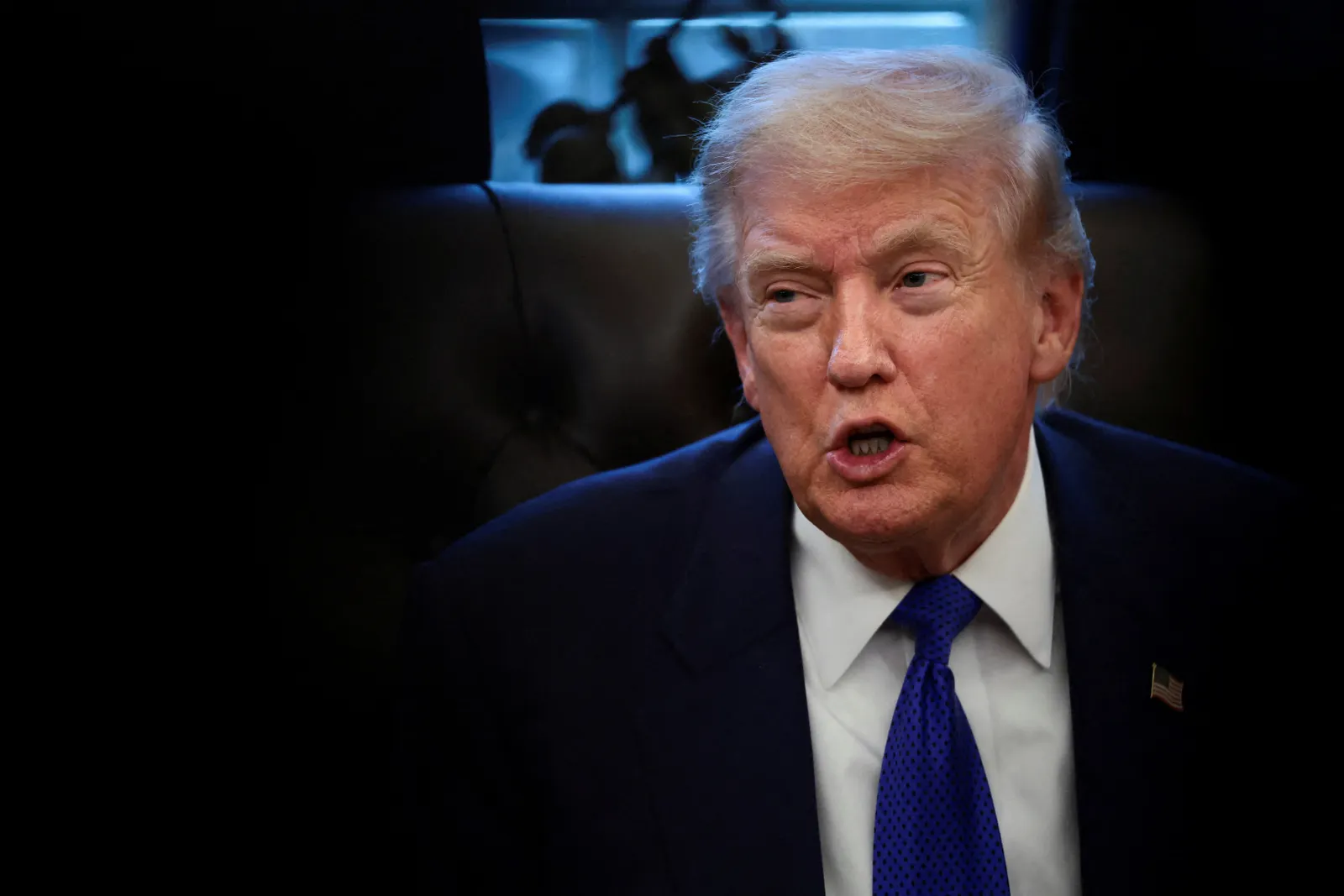
WASHINGTON, Aug 7 — United States (US) President Donald Trump said on Friday the federal government would invest US$3 billion (RM12.27 billion) into multiple critical minerals and battery projects as part of a push to increase domestic production and boost national security and industrial policy.
"We are reclaiming America's rightful place as the minerals superpower of the world," he told over 200 mining executives, educators, investors, and fellow politicians during a roundtable at the State Department aimed at supporting the industry, which he said had not received enough attention from Washington in recent years.
Trump also announced a slew of investments during his speech, including a US$1.4 billion (RM5.73 billion) conditional loan from the US Department of Defence's Office of Strategic Capital (OSC) for Sila Nanotechnologies, which makes lithium-ion battery parts.
The OSC also extended a US$400 million (RM1.63 billion) conditional loan to scandium miner Sunrise Energy Metals and a US$150 million (RM613.5 million) conditional loan to magnet developer Niron Magnetics.
On Friday, Reuters reported that the US Export-Import Bank will lend US$58 million (RM237.2 million) to Westwater Resources, Global Advanced Metals, and 5E Advanced Materials.
"Critical minerals are the raw materials of American strength that power everything from advanced weaponry to automobiles, and we want these essential products to be mined, refined and made right here in the USA," he said.
Interior Secretary Doug Burgum, Secretary of State Marco Rubio, Commerce Secretary Howard Lutnick, and National Security Council official David Copley also attended.
Weapons stockpiles drive mineral demand
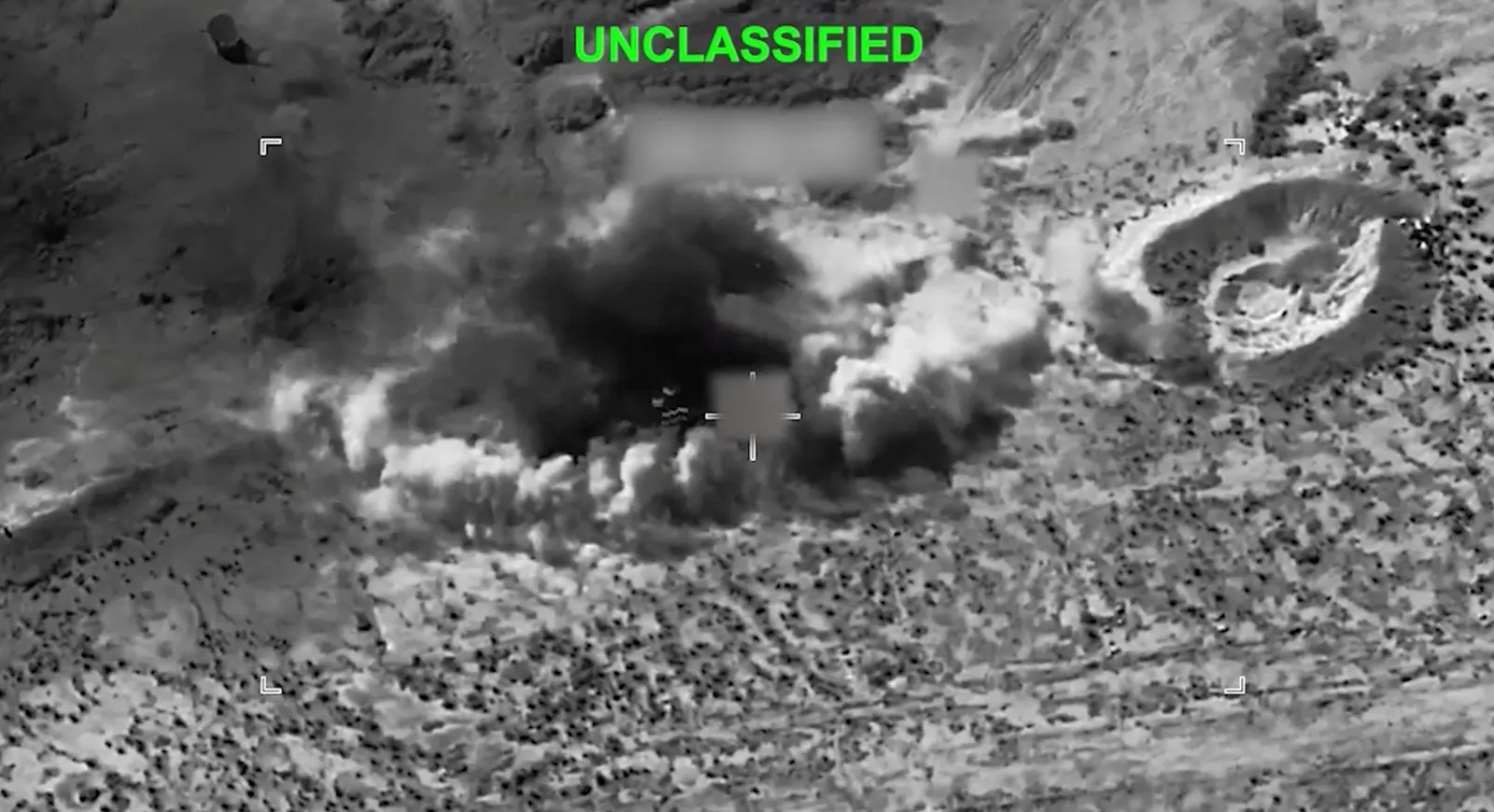
The White House needs critical minerals to replenish weapons stockpiles depleted during the Iran conflict and reduce US. dependence on Chinese supply chains.
Several executives came with gifts for Trump. Deep-sea mining firm American Ocean Minerals' chairman Tom Albanese gave the President a gold replica of a nodule the company hopes to mine from the Pacific seabed.
Last year, Trump said he may bypass the United Nations-backed International Seabed Authority and issue international seabed mining licenses.
Rare earths firm MP Materials chief executive officer Jim Litinsky, whose company is financially supported by the Pentagon, gave him magnets produced for General Motors at the company's Texas plant.
Other attendees included executives from Lithium Americas, which is building the largest US lithium mine; NioCorp, which is building a scandium mine to supply defence contractor Lockheed Martin; and Energy Fuels, which received a US$725 million (RM2.96 billion) OSC conditional loan in June.
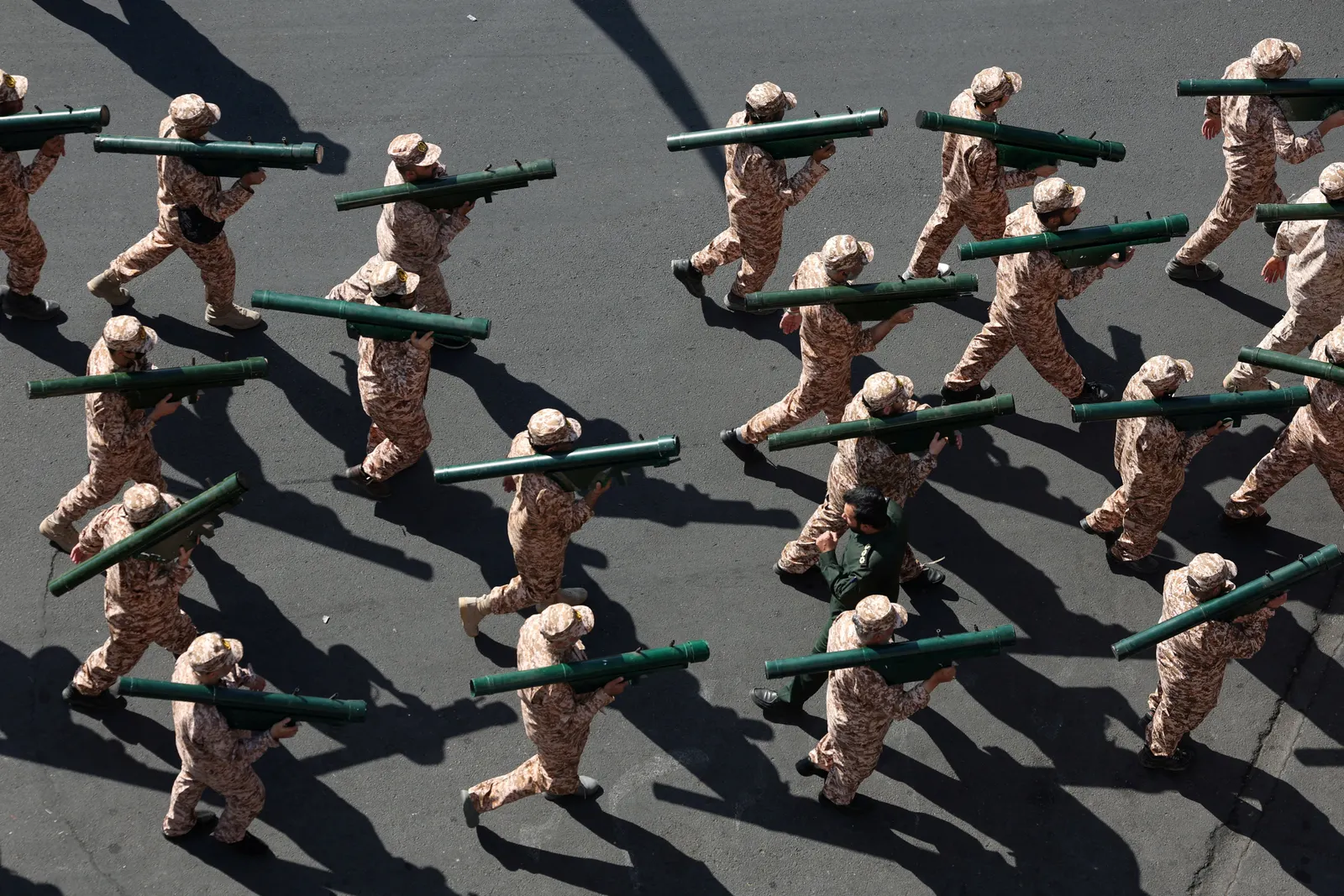
US forces have burned through large numbers of precision-guided missiles and air-defence interceptors during the five-month-long Iran war. Defence officials and lawmakers have warned that replenishing some inventories could take years given existing production constraints, even as the Trump administration has disputed reports of significant shortages.
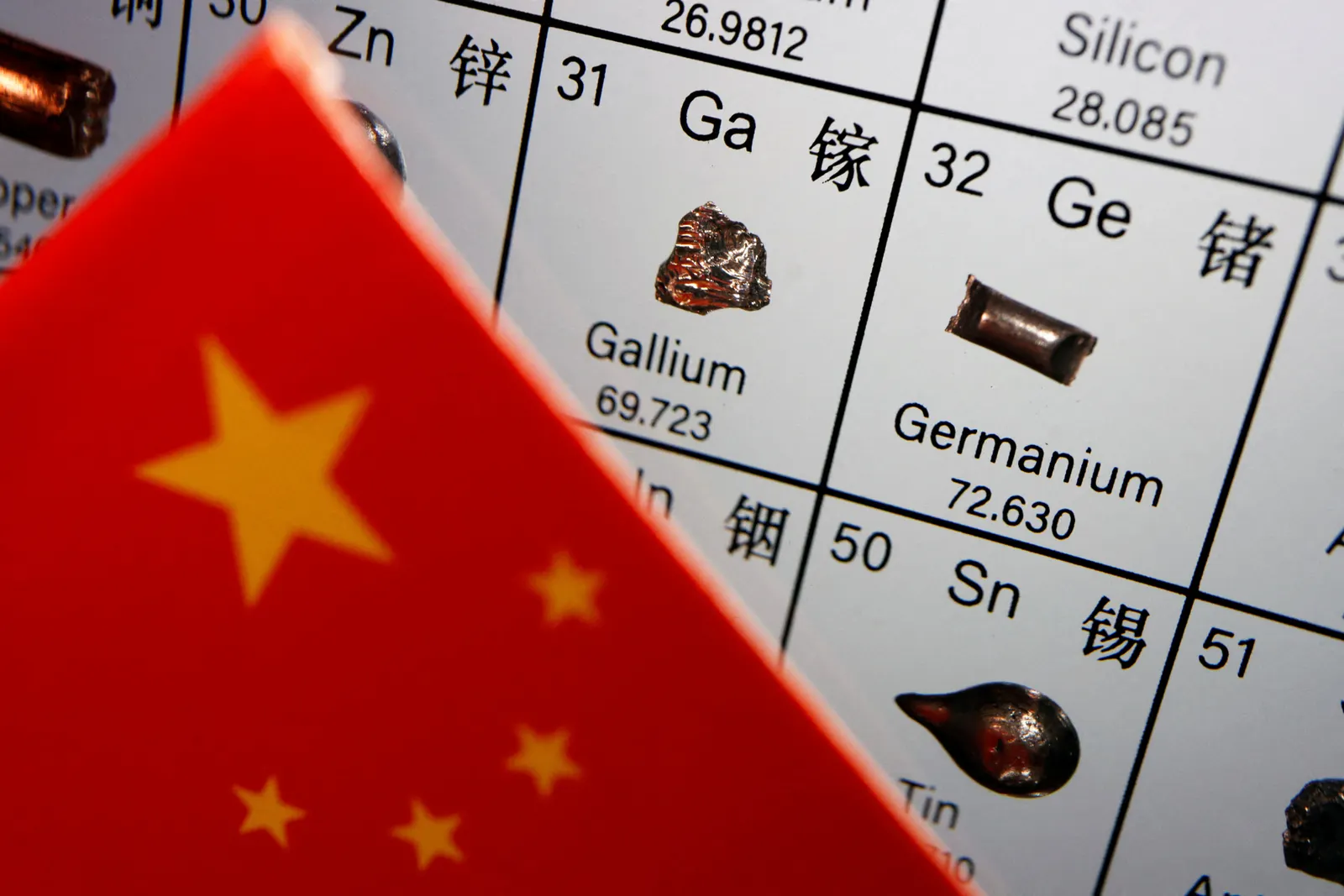
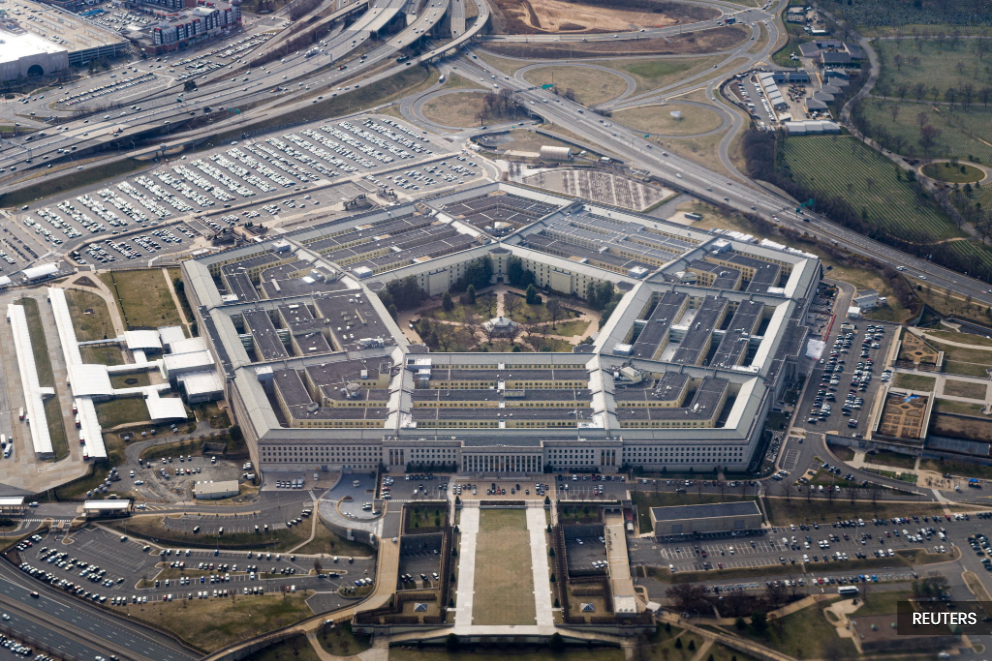
Pentagon officials and defence companies have stated that supplies of minerals, including rare earths, tungsten, germanium, and scandium, are essential for manufacturing precision-guided missiles, fighter aircraft, armoured vehicles, infrared sensors, and other advanced weapons systems.
Mining schools receive funding boost
Similarly, on Friday, the Department of Energy hosted representatives from all 14 accredited US mining schools to promote careers in mining and encourage more students to enter the field.
The department announced US$100 million (RM409 million) in grants to help boost educational programmes and set a goal of doubling the number of mining-related graduates at the nation's universities within two years.
"We need to work on some systemic changes to how we as a nation want to offer our brightest students an opportunity to participate in this industry," said Assistant Energy Secretary Audrey Robertson.
The Pentagon also said it would fund US$80 million (RM327.2 million) in projects at three US mining schools.
Officials have pointed to China's extensive network of mining universities as a key advantage in its dominance of global mineral production.
Since returning to office, Trump has launched a US$12 billion (RM49.08 billion) strategic minerals stockpile, backed equity investments in companies developing US mines and processing facilities, and sought to limit defence contractors' reliance on supplies from China.
The administration says government support is needed to counter decades of Chinese investment that left Beijing dominant in the mining and processing of many strategic minerals.