LONDON, Aug 7 — Oil prices edged higher on Friday on further concerns surrounding the reopening of the Strait of Hormuz and potential Iranian bans and fines on vessels it deems hostile or in violation of proposed rules.
Brent crude futures were up ¢75, or 0.9 per cent, at US$83.24 a barrel by 0815 GMT. U.S. West Texas Intermediate futures rose ¢42, or 0.5 per cent, to US$77.71.
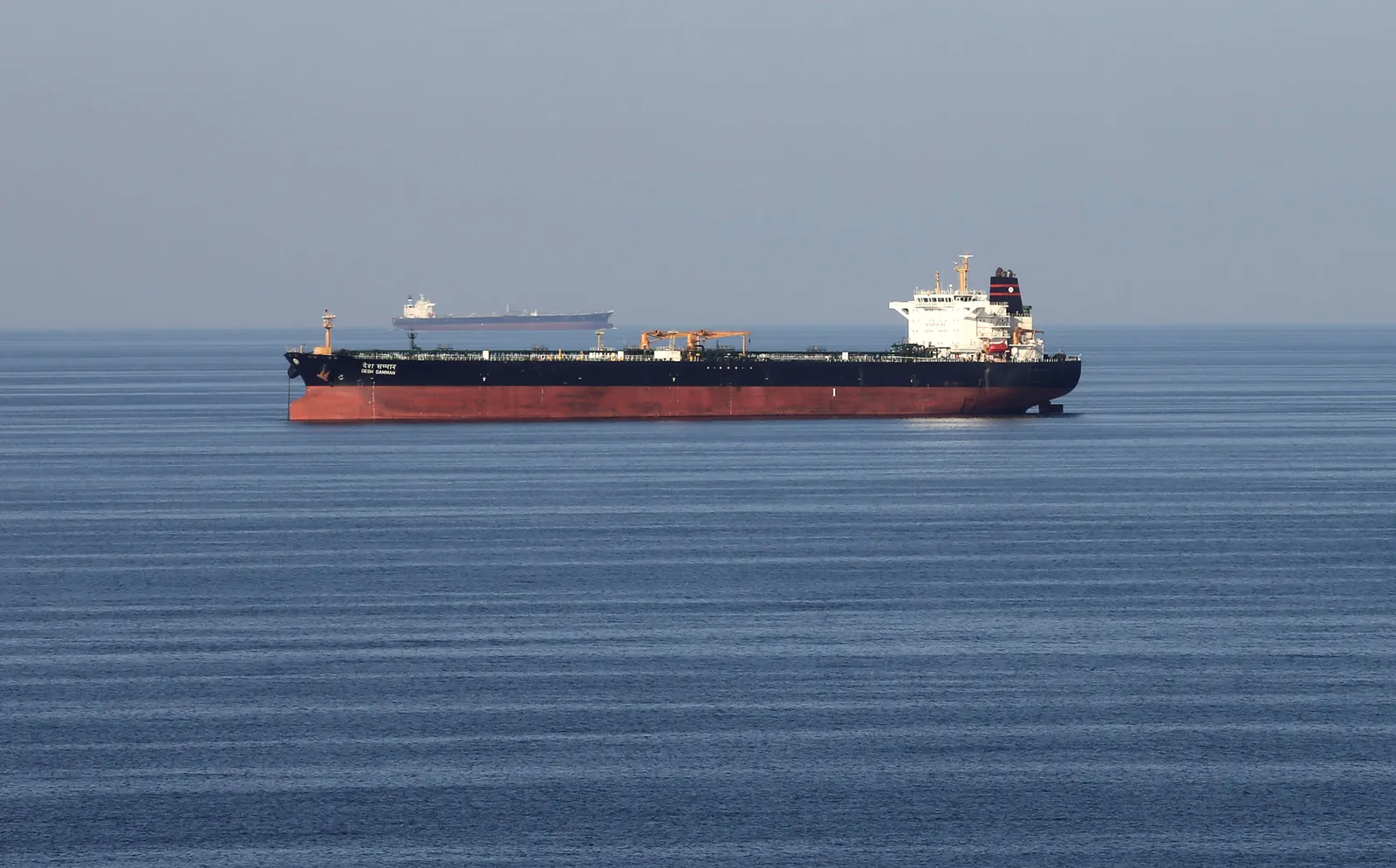
Oil futures settled more than US$3 a barrel higher on Thursday as Iran reviewed a bill to ban U.S. and Israeli vessels from the Strait of Hormuz, through which roughly a fifth of the world’s oil and liquefied natural gas normally passed before the war began at the end of February.
Prices fell earlier in the week as a possible solution to the conflict looked more likely, and both benchmarks were on course for a weekly loss of about eight per cent.
Analysts said that this week's developments have signalled that hostilities between Iran and the United States (US) are not yet over.
Rystad Energy analyst Lin Ye noted that oil prices are reacting to Iran's published draft plan for Hormuz transit conditions.
"That is not the market pricing in a bad deal, it is pricing in confirmation that whatever emerges is a managed/conditional corridor, not a restoration of normal flow," she said.
A senior Iranian official said that Tehran is seeking fees of between five per cent and seven per cent of cargo prices from ships using the Strait. Meanwhile, Oman is discussing fees of about three per cent, while Washington wants no fees at all.
Four industry sources have said the proposed deal is not readily workable due to US sanctions and restrictive insurance clauses on any payments.
Oil market analysis provider Vanda Insights' founder Vandana Hari said that while this week's signals on a potential deal have driven a roller-coaster ride in market sentiment, the market remains in the dark as to what needs to happen for the agreement to be clinched
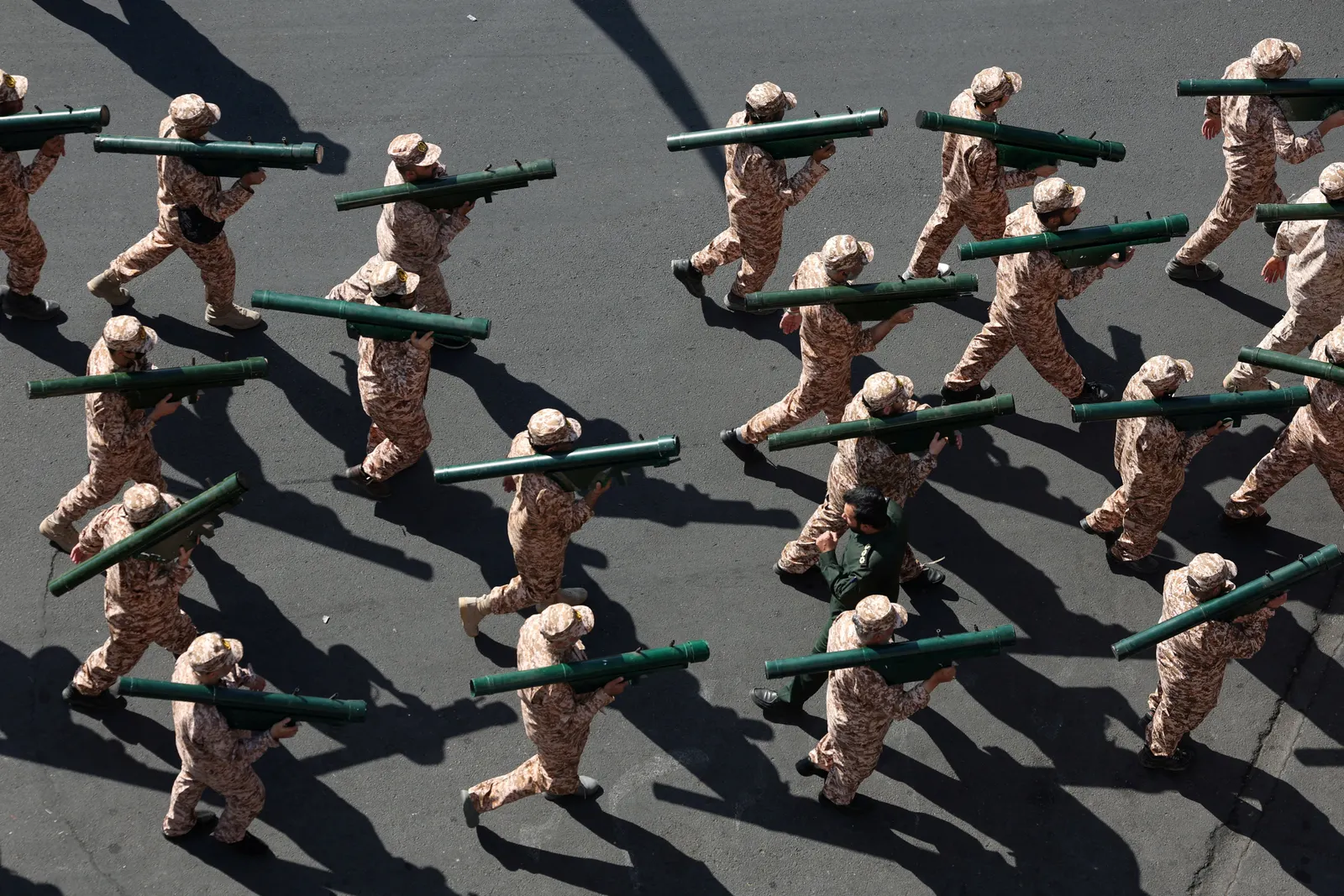
Meanwhile, Yemen's Houthis said they carried out missile and drone attacks on Saudi deployments in Marib and Hadramout in Yemen on Thursday.
US President Donald Trump told the media on Thursday that he believed that the war would be over soon.
Investors are awaiting US payrolls data later on Friday, which could offer a steer on US Federal Reserve's thinking on interest rates. Higher interest rates raise consumer costs, which can reduce economic growth and oil demand.