
SHAH ALAM, Aug 5 — Act 672 refers to the Solid Waste and Public Cleansing Management Act 2007, a federal law that regulates solid waste management and public cleansing services in states that adopt it.
The legislation was introduced to standardise waste collection, waste disposal, law enforcement and public cleansing services while raising cleanliness standards across Malaysia.
Its main objectives are to standardise solid waste and public cleansing management, improve the efficiency of waste collection and disposal, and encourage waste separation at source, reuse and recycling.
The Act also provides clearer enforcement powers to agencies such as the National Solid Waste Management Department (JPSPN) and the Solid Waste Management and Public Cleansing Corporation (SWCorp).
According to the Ministry of Housing and Local Government (KPKT), key provisions under Act 672 include requiring only licensed operators to provide waste management services, implementing waste separation at source, reducing waste generation, promoting reuse and recycling, and introducing take-back systems and deposit refund schemes for selected materials.
The Act was gazetted on August 30, 2007 to establish a uniform legal framework for solid waste management and public cleansing.
It came into force on September 1, 2011 in most states in Peninsular Malaysia and the Federal Territories, except Labuan.
At the time, several states, including Selangor, Penang, Perak, Terengganu and Kelantan, did not adopt the legislation.
Why is Act 672 important for Selangor?
Act 672 is considered important for Selangor because of the state's high population density, rapid urbanisation and large volume of solid waste generated daily. Its implementation is expected to strengthen waste management and improve public cleanliness.
The Act is also expected to standardise waste management across the state. At present, each local authority (PBT) in Selangor adopts different approaches and has varying financial capabilities. Act 672 would enable solid waste management and public cleansing services to be coordinated under a more uniform system statewide.
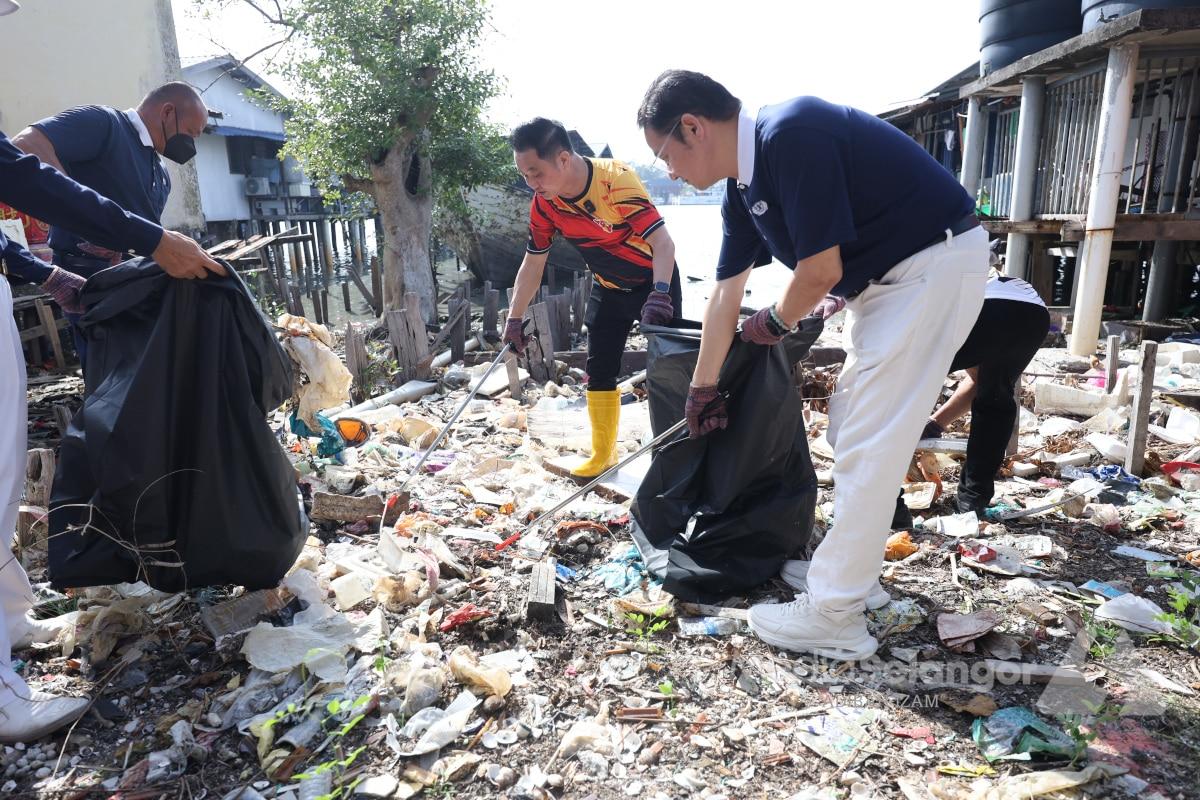
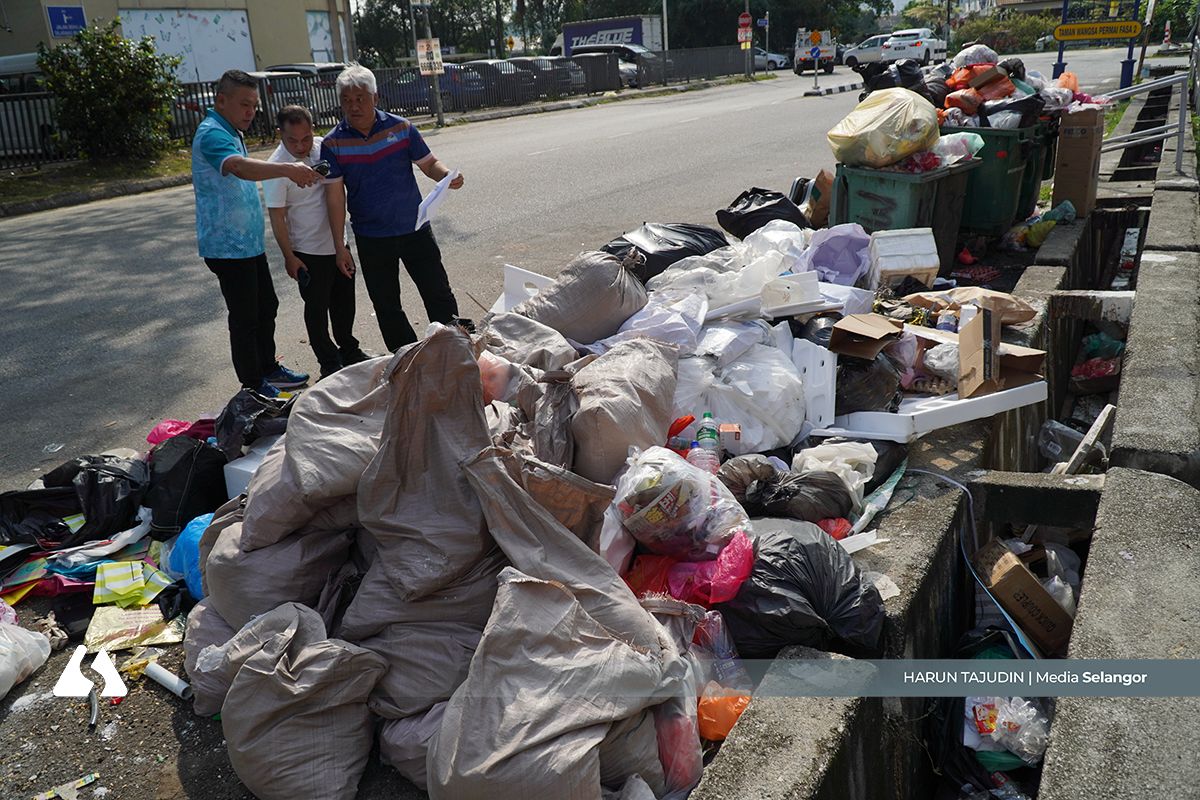
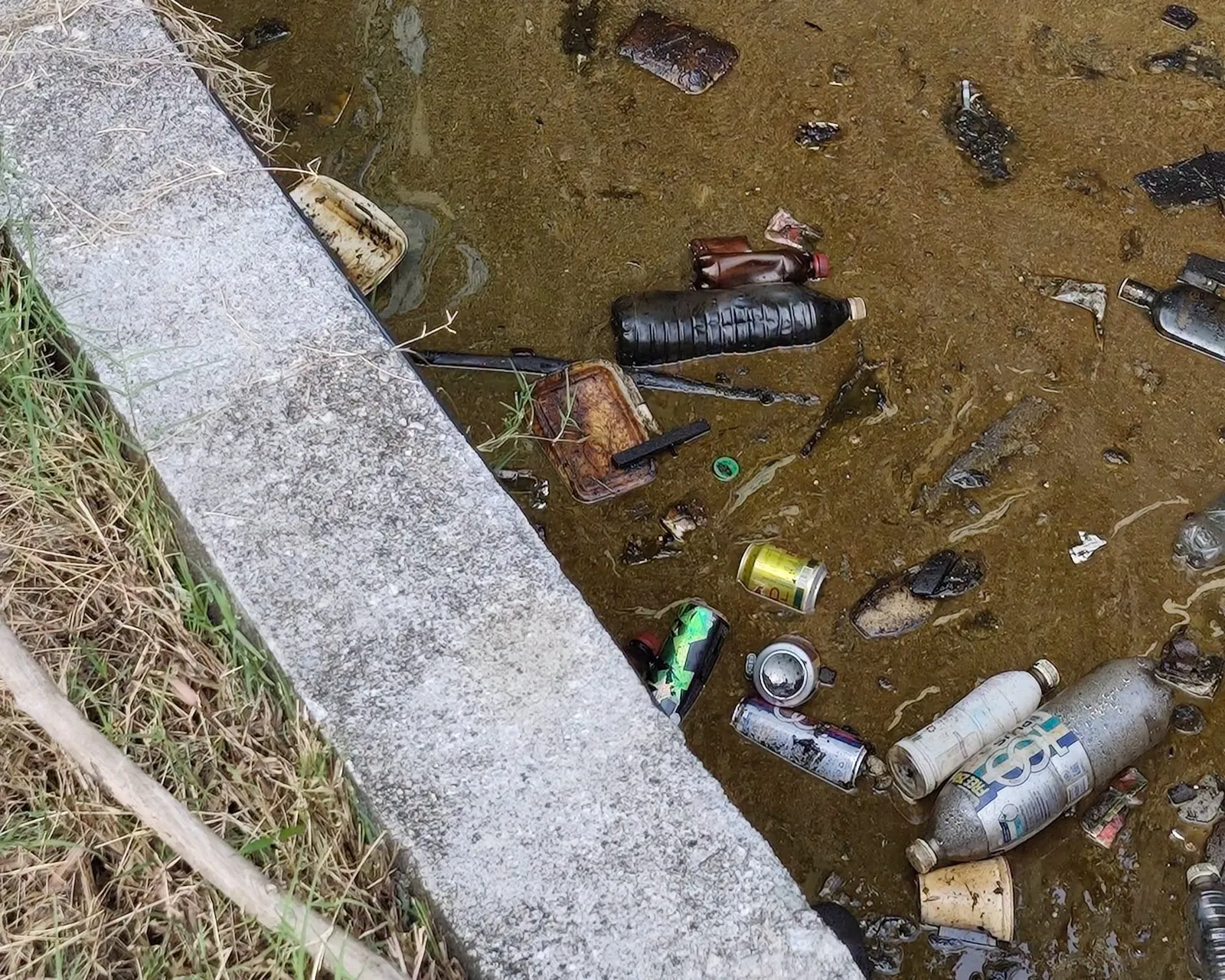
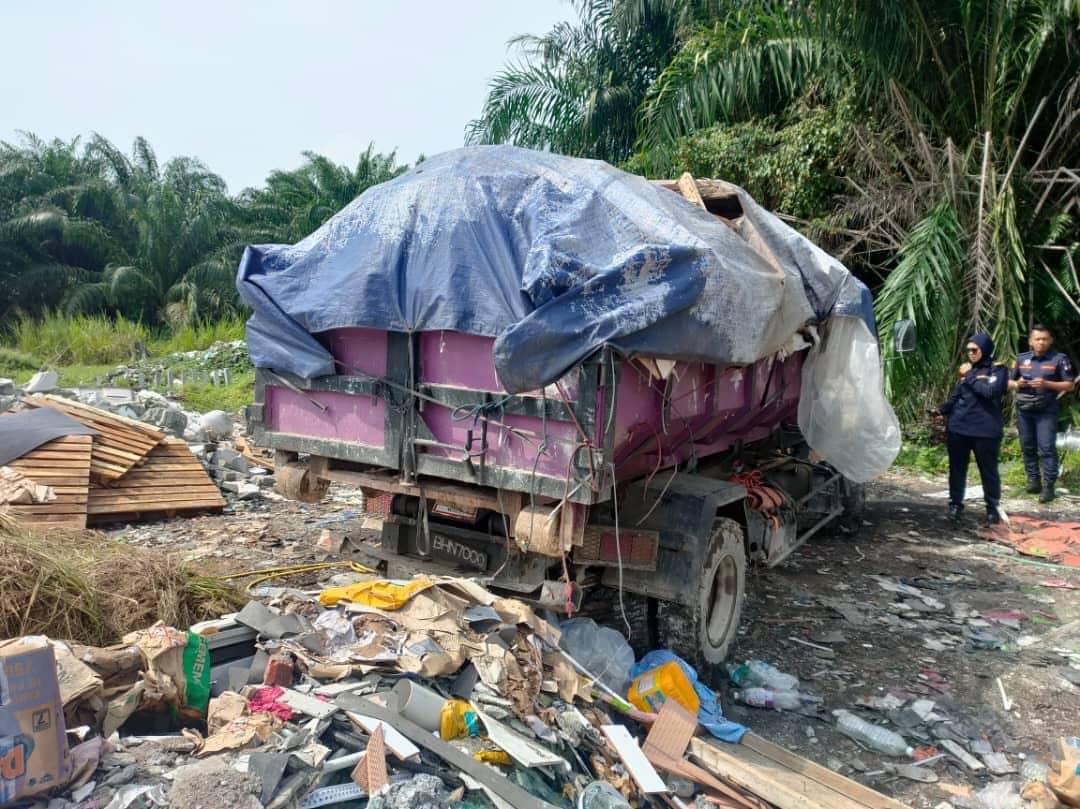
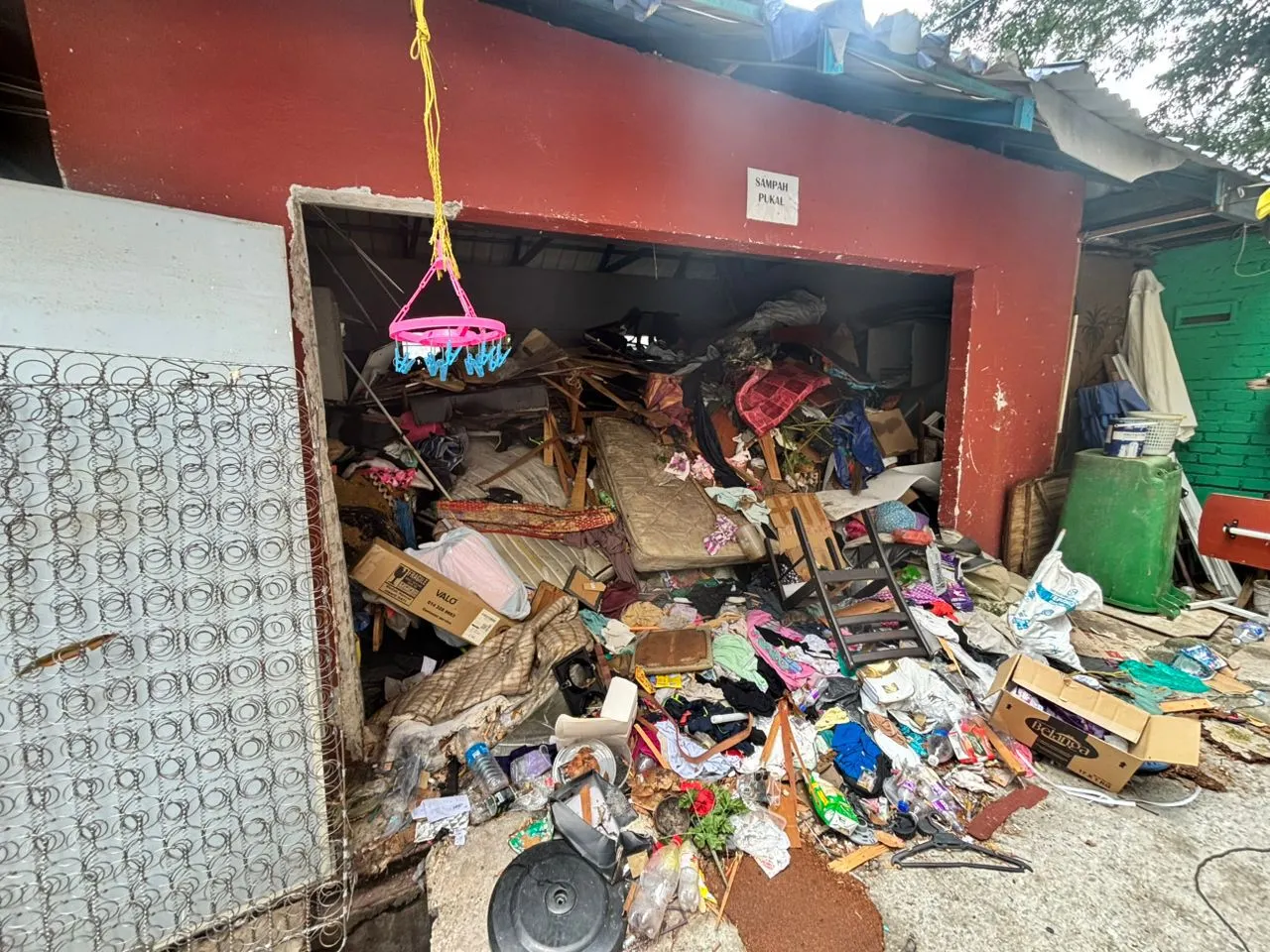
The legislation also introduces stricter enforcement by imposing heavier penalties for offences such as illegal dumping.
For certain offences, offenders may face fines of up to RM100,000, imprisonment of up to five years, or both, compared with lighter penalties under the Local Government Act 1976 (Act 171).
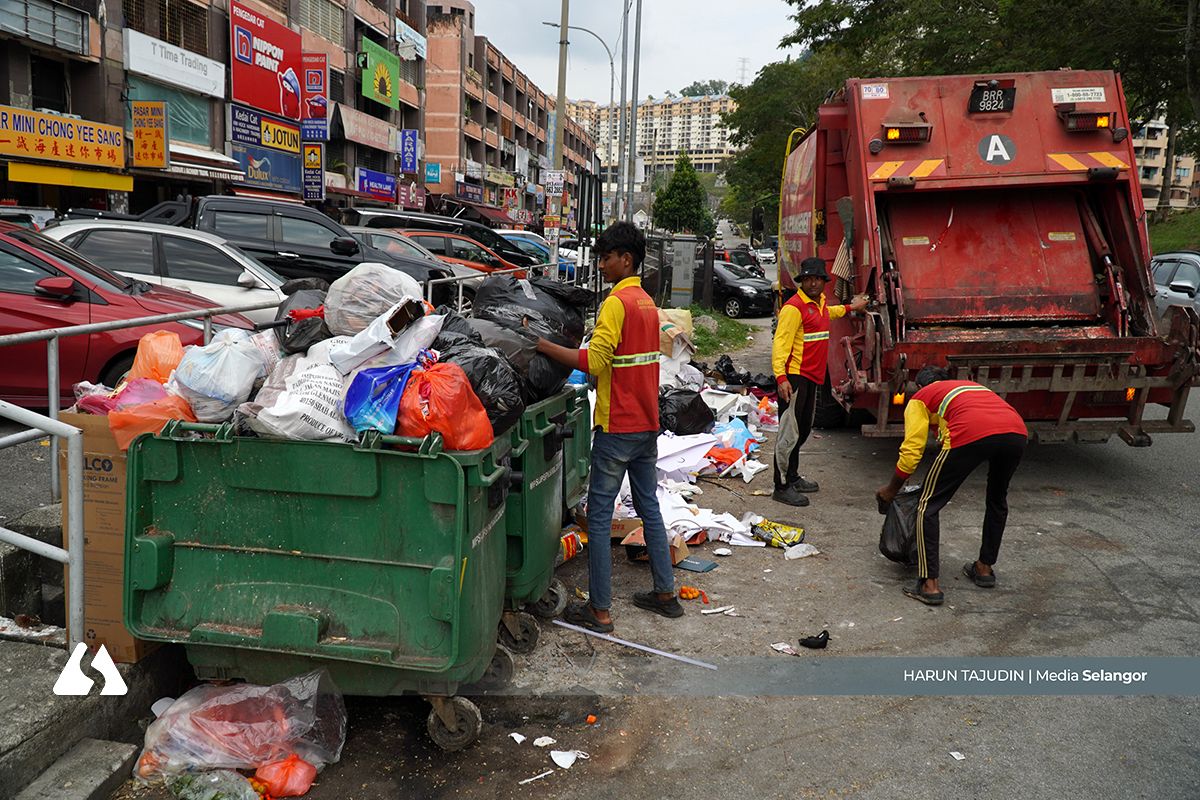
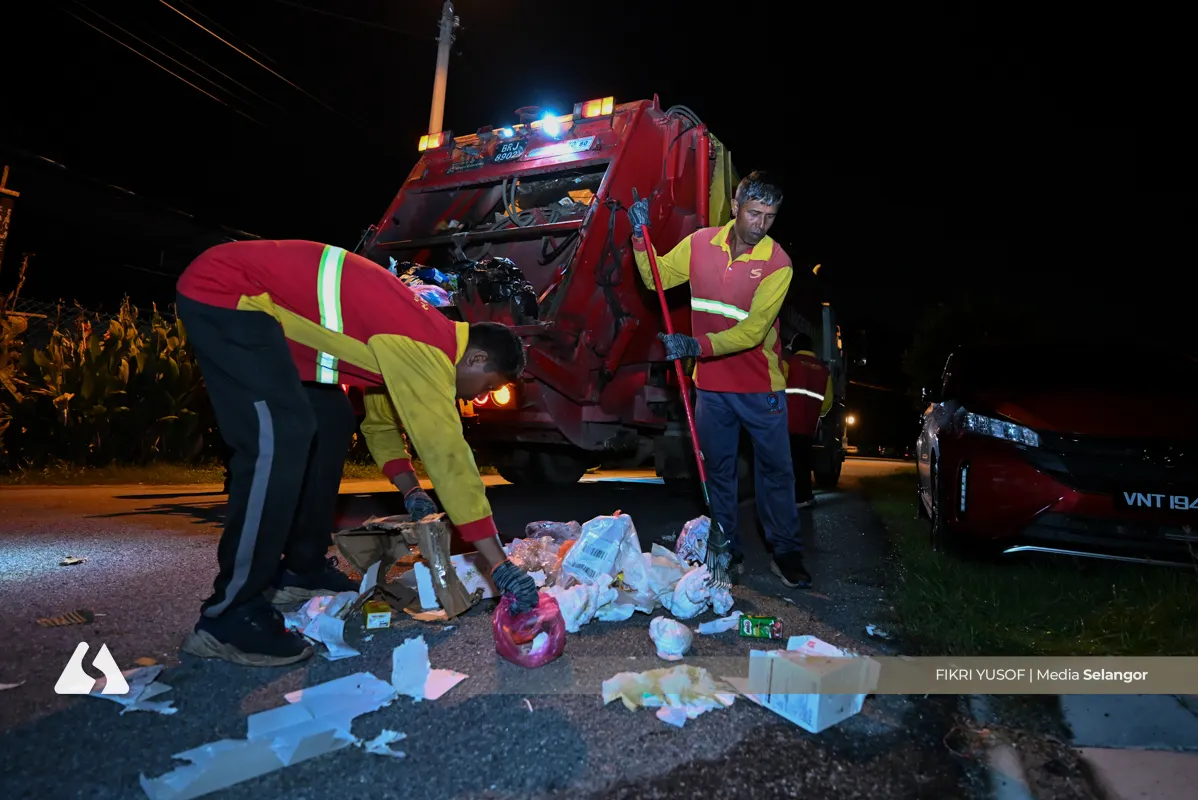
The Act is also expected to improve service quality. The federal government is anticipated to bear the additional cost of waste collection, allowing for the use of more modern machinery, lorries and facilities while improving collection efficiency.
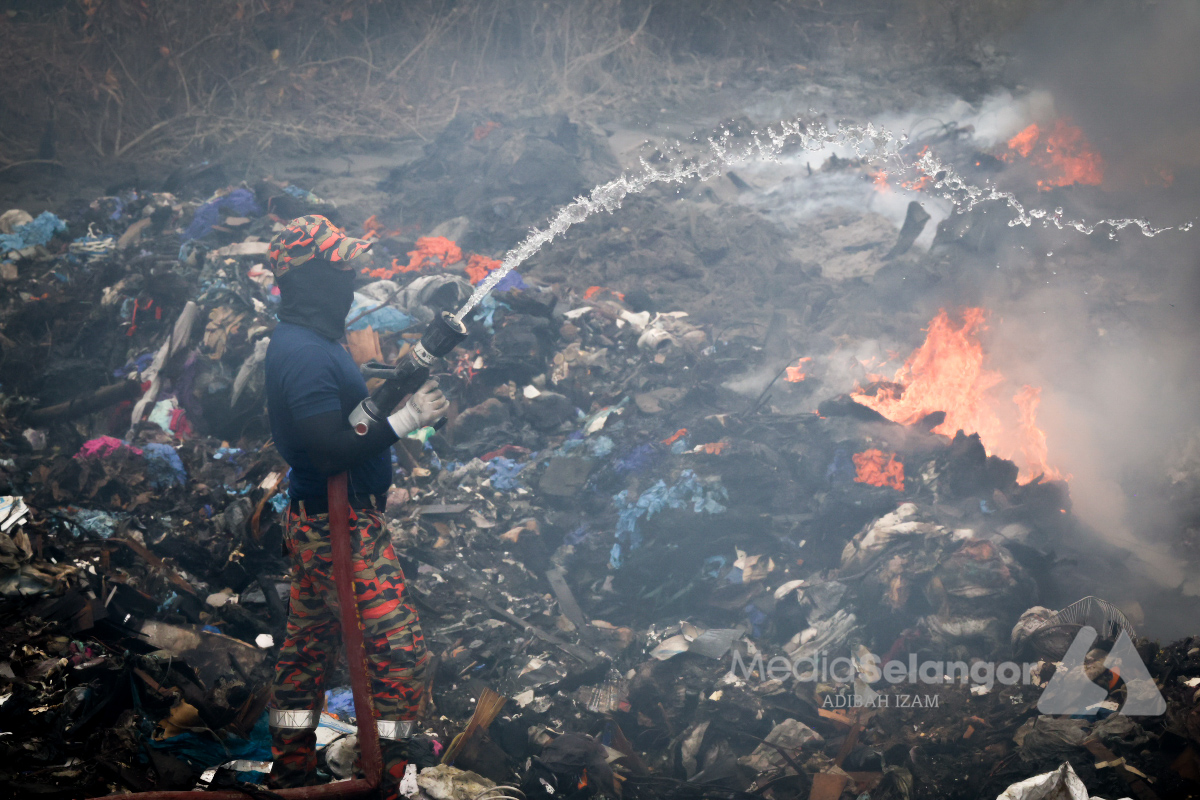
Act 672 is also expected to help curb illegal dumping through stronger enforcement and better coordination of operations, contributing to a cleaner environment.
In addition, the legislation promotes the circular economy by encouraging waste separation at source, reuse and recycling, in line with efforts to reduce the amount of waste sent to landfills.
It is also expected to ease the burden on local authorities, with certain waste management responsibilities to be coordinated under the federal system, allowing councils to focus on delivering other public services.
Timeline of Act 672 implementation in Selangor
On March 16, 2023, then local government executive councillor Ng Sze Han said the Selangor government was considering adopting Act 672 as a long-term solution to illegal dumping.
He said enforcement and monitoring of waste management would be carried out by SWCorp if the Act was adopted.
In March 2024, the Menteri Besar said the state government had submitted a Letter of Intent following its decision to adopt the Solid Waste and Public Cleansing Management Act 2007 (Act 672).
Dato' Seri Amirudin Shari said the letter was submitted to KPKT to facilitate implementation of the Act under federal provisions.
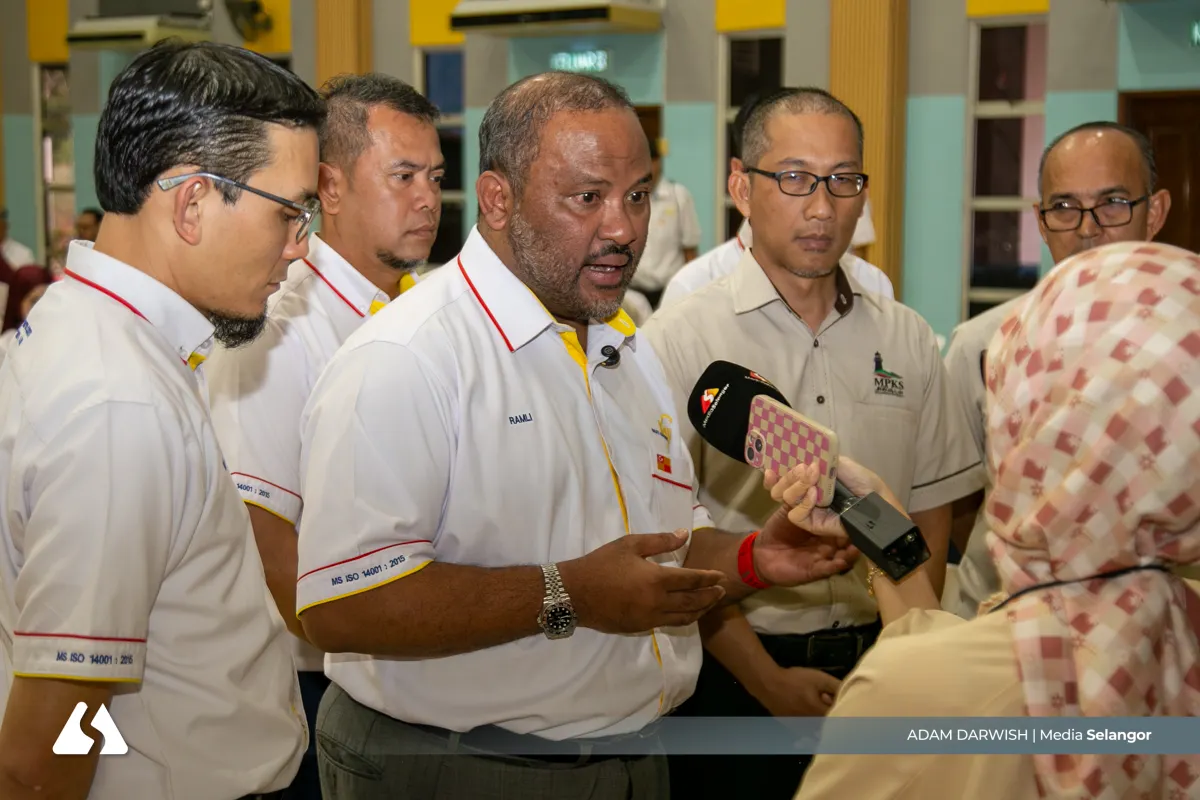
In June 2024, local government executive councillor Dato' Ng Suee Lim said the state administration was in the process of adopting Act 672 through KDEB Waste Management (KDEBWM).
He added that KPKT would review the penalties under the Act from time to time to ensure they remained effective against illegal dumping syndicates.
In November 2024, Amirudin said discussions with KPKT were ongoing to ensure Selangor's interests were protected.
He added that implementing Act 672 was expected to reduce the state's financial burden, particularly in relation to solid waste collection tariffs.
In February 2025, Ng said offenders involved in illegal dumping would face fines of up to RM100,000 and imprisonment of up to five years once Selangor implemented Act 672.
He added that negotiations with the federal government were still ongoing to ensure a better waste management system in the future.
In November 2025, Ng said KDEBWM would remain Selangor's lead waste management operator even after Act 672 reshaped the national waste management framework.
He said safeguarding the state's interests remained a priority in discussions on the new policy, including the standardisation of systems under SWCorp.
In December 2025, Ng said the Selangor government was targeting the formalisation of Act 672 with the federal government by September 2026, after all documents and local authority inventories had been submitted.
He said the Act would allow tougher action against offenders, including fines of up to RM100,000 or imprisonment of up to five years.
According to him, the current maximum fine of RM1,000 under local authority by-laws no longer served as an effective deterrent.
He added that the move also followed a decree by His Royal Highness the Sultan of Selangor, Sultan Sharafuddin Idris Shah Alhaj, who had expressed firm concern over waste management and public cleanliness in the state.
Status of Act 672 implementation in Selangor
On July 29, Minister of Housing and Local Government Nga Kor Ming said Act 672 would be implemented in Selangor in phases to combat illegal dumping.
He said the Cabinet had approved the move and established a special task force to coordinate implementation with the Selangor government and its 12 local authorities.
Nga said the initiative formed part of the public cleansing reform framework under the 13th Malaysia Plan (13MP) to ensure cleanliness standards in Selangor matched international benchmarks.
On August 1, Ng said the phased implementation of Act 672 in Selangor was expected to begin with city councils.
He said the state was now in the final stage of discussions with the federal government on implementing the legislation.