GENEVA, Aug 4 — Testing of experimental treatments, preventive medicines and vaccines for the Bundibugyo strain of Ebola behind the Democratic Republic of Congo's ongoing outbreak is advancing rapidly, said the United Nations' World Health Organisation (WHO).
The epidemic — the second-largest and fastest-spreading on record — was caused by the rare Bundibugyo strain of the virus, for which there are no approved vaccines or treatments.
But WHO's R&D Blueprint programme acting head Vasee Moorthy told the media in Switzerland that research protocols developed before the epidemic's onset have helped speed up testing of new treatments.
"If you compare this outbreak to previous Ebola outbreaks, we have been able to start trials more quickly. It is true that the preclinical data that we're seeing is promising," he said on Tuesday.
However, Vasee cautioned that only clinical trials could determine whether treatments and vaccines are effective.
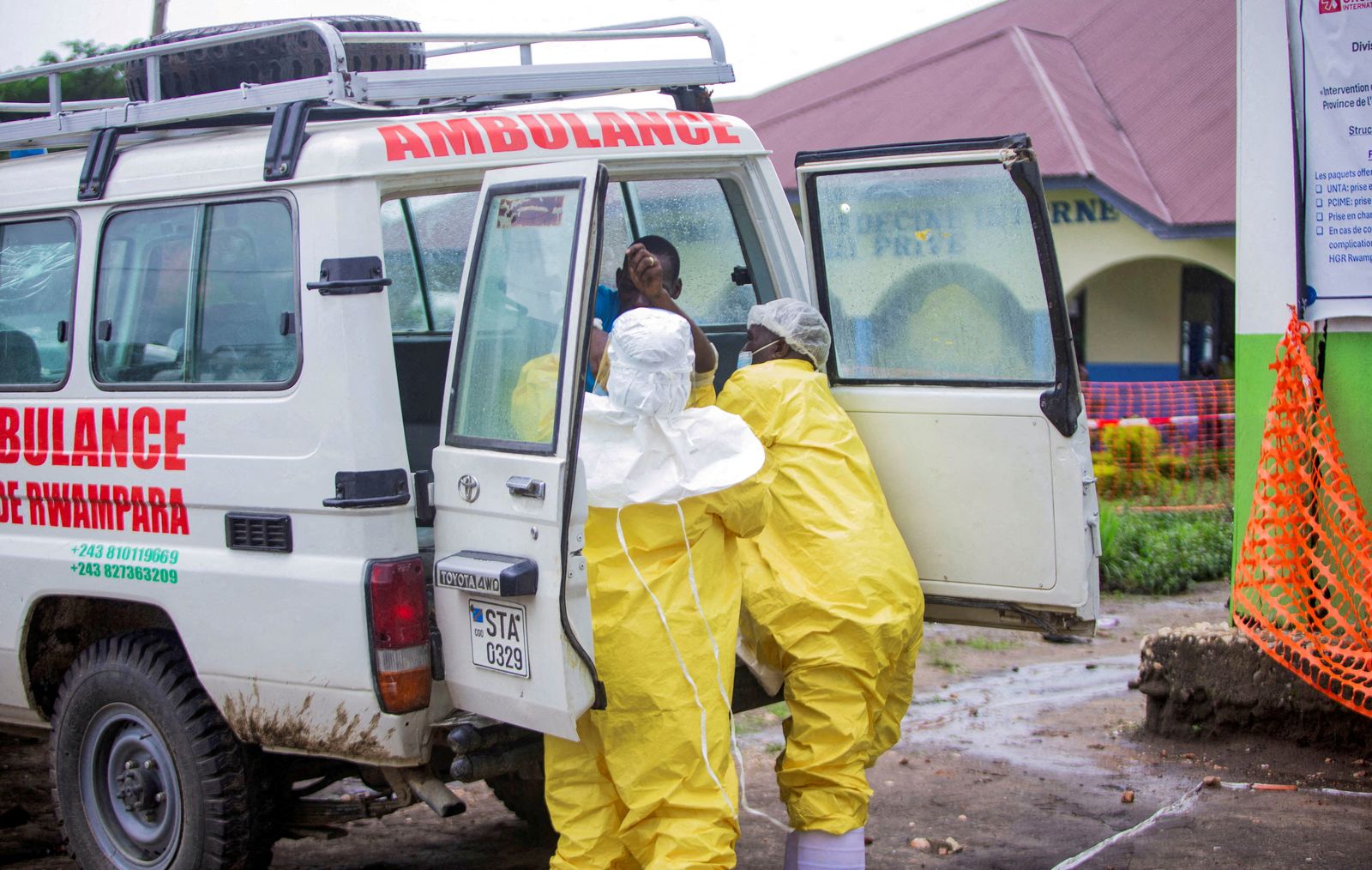
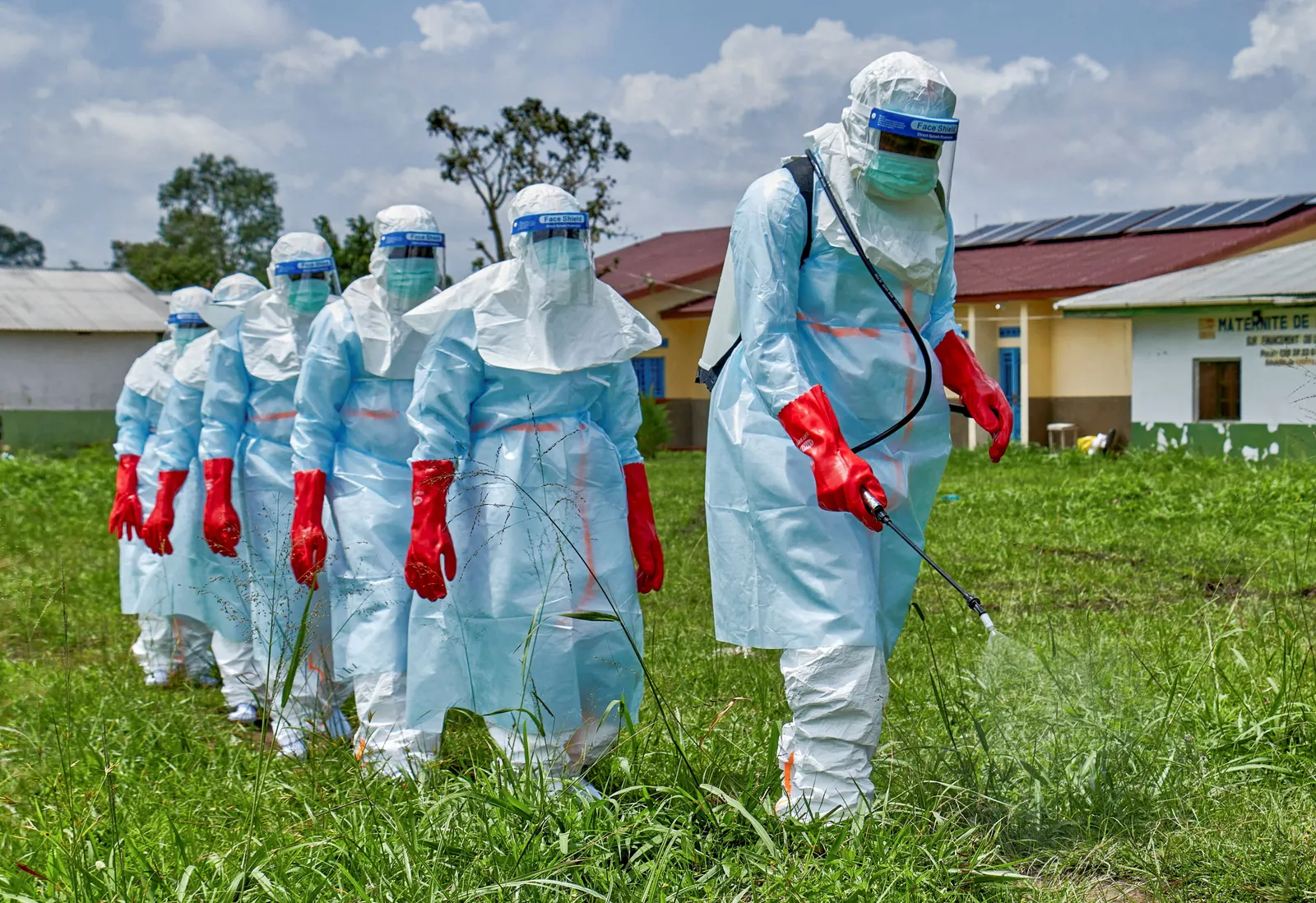
The epidemic in Congo has so far defied health workers' efforts to contain it.
Per WHO data, as of August 1, the country had recorded 3,748 confirmed cases and 1,657 confirmed deaths across 49 health zones in five provinces. About 17,000 contacts are under monitoring, with roughly 80 per cent checked daily.