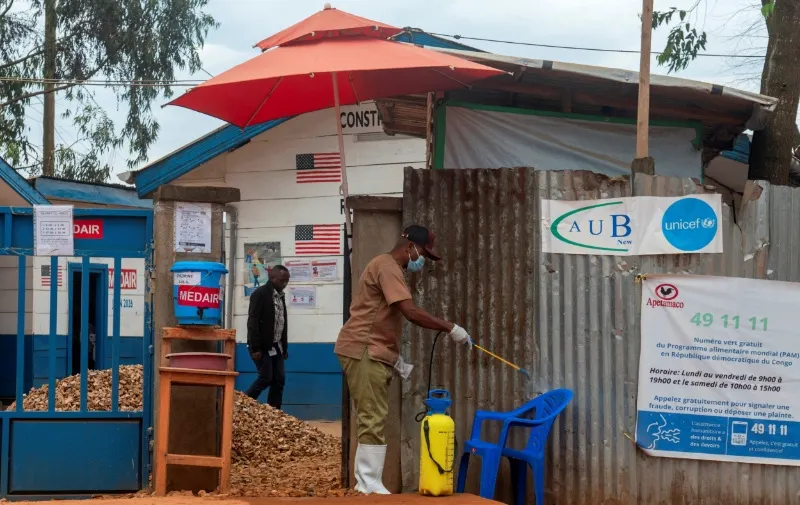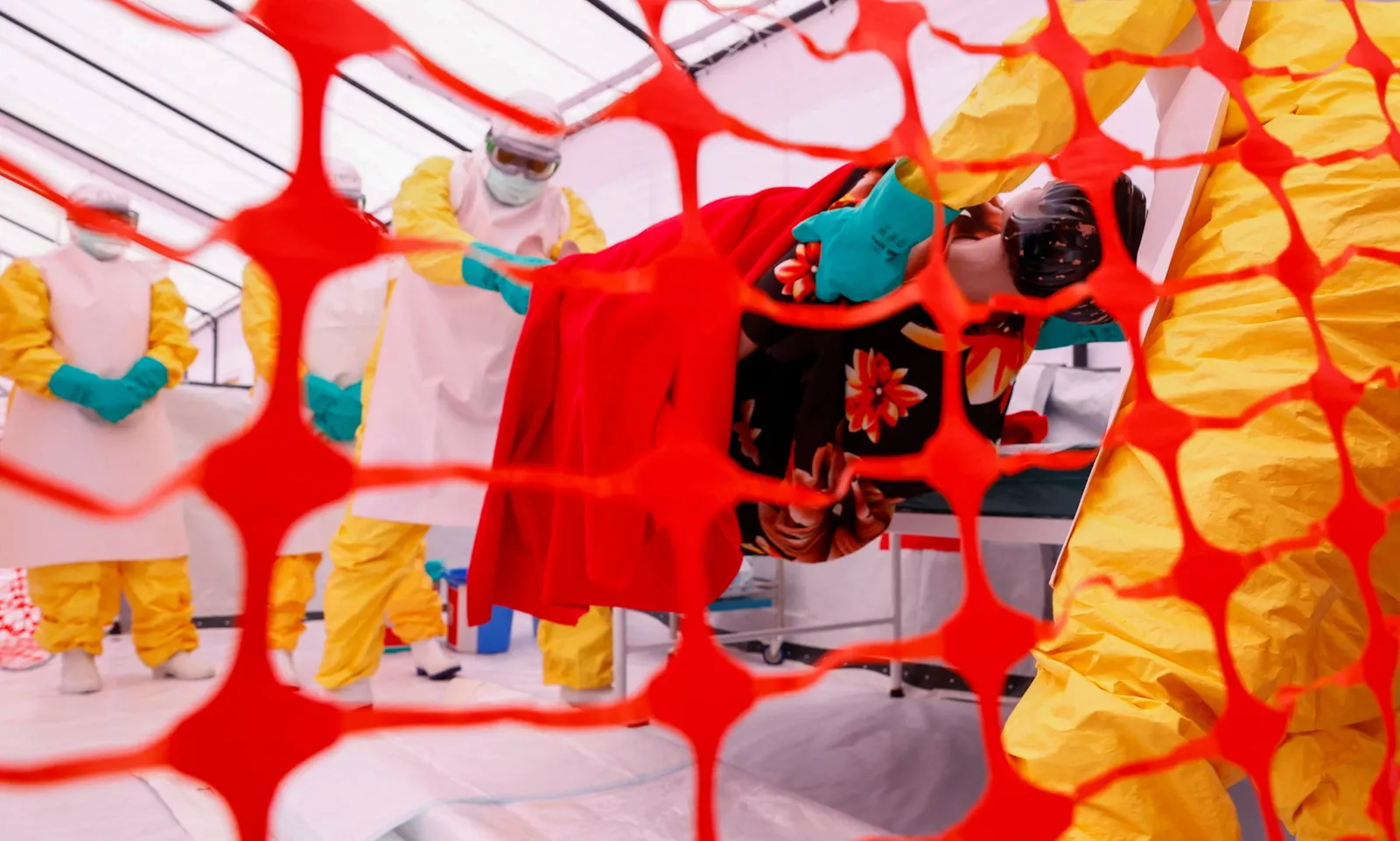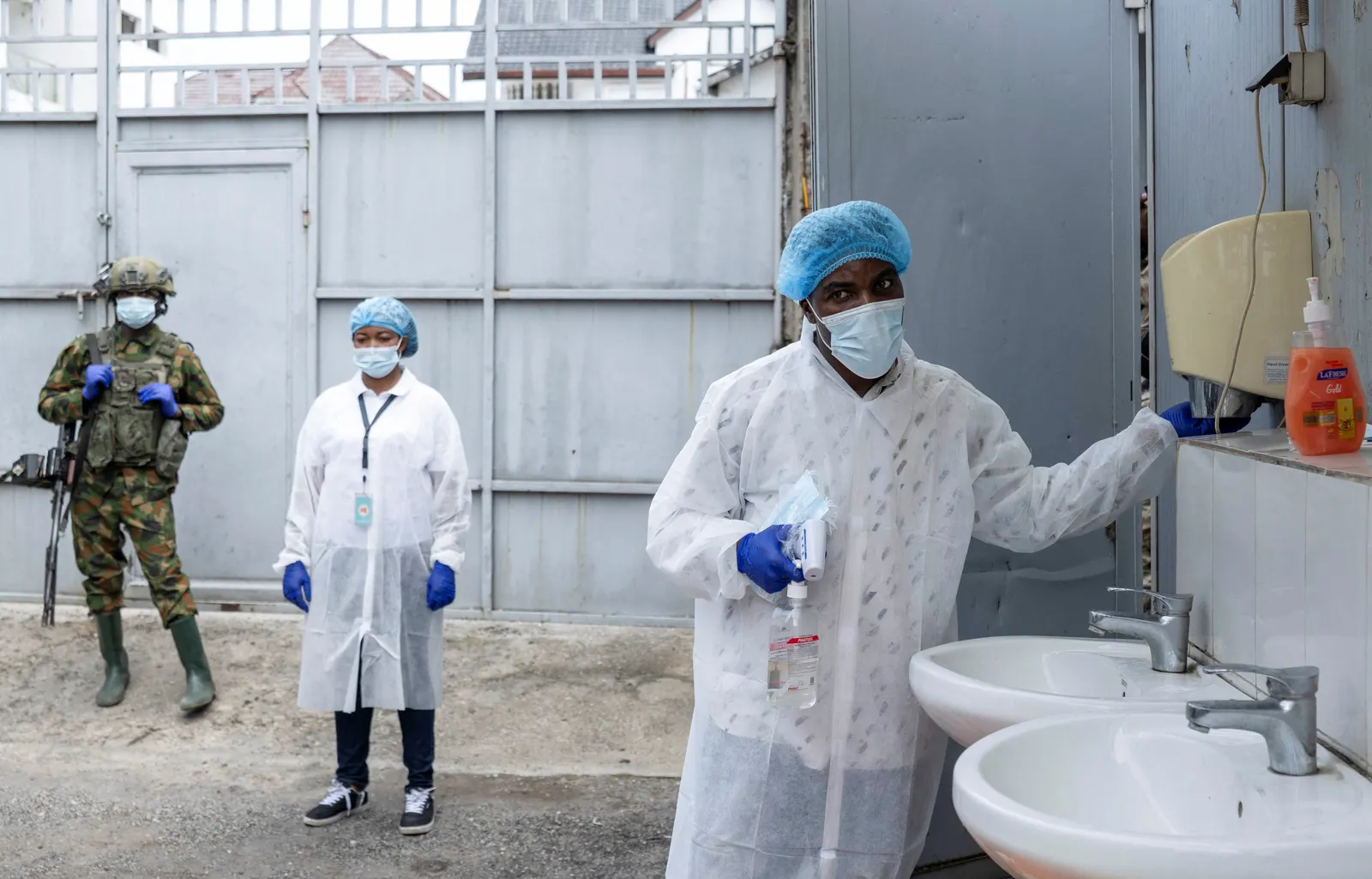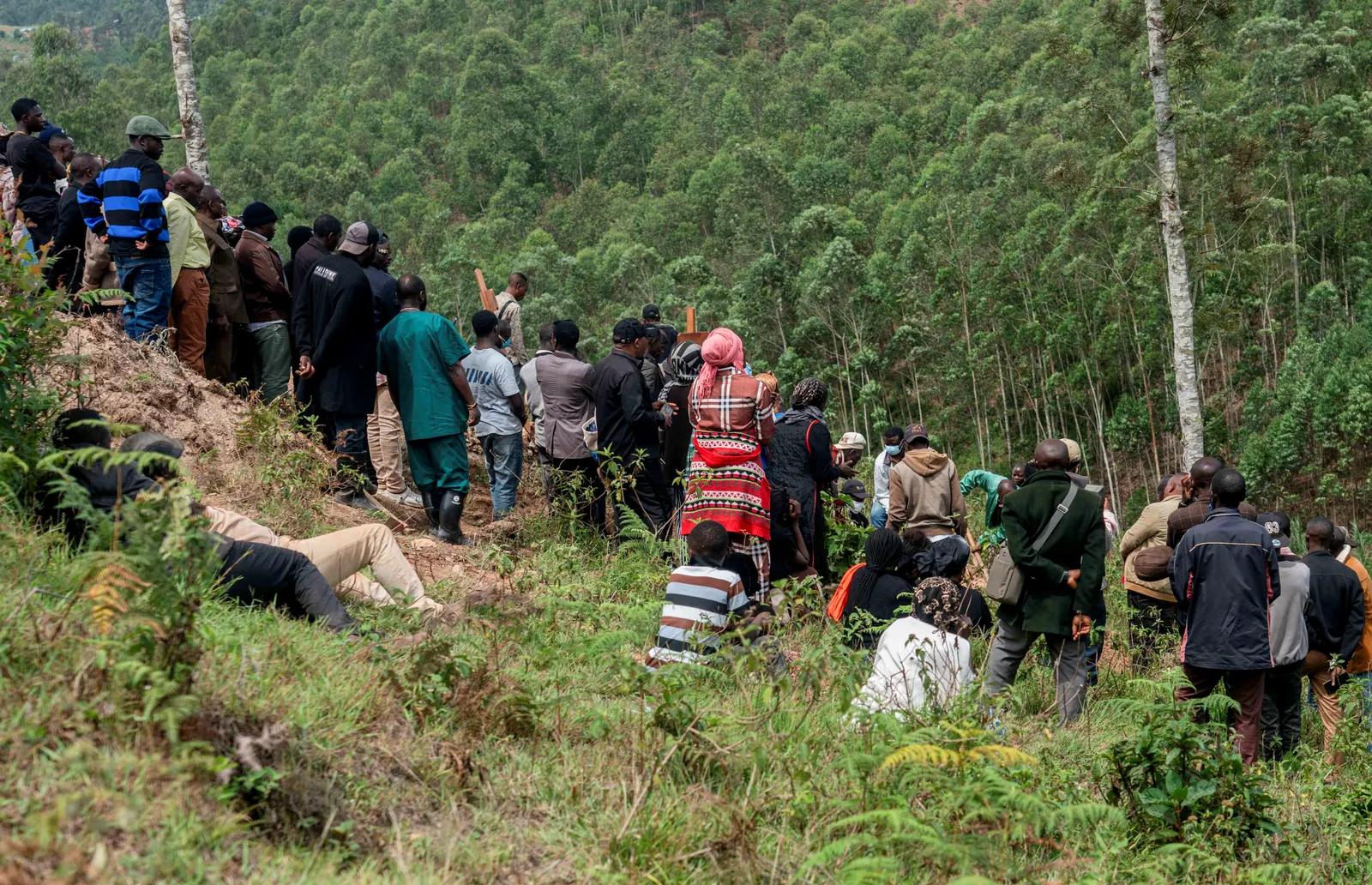
BUTEMBO, Oct 14 — The fear of Ebola is keeping women and children from seeking healthcare in eastern Congo, health workers and aid agencies say, contributing to soaring maternal deaths and falling childhood immunisation rates that could strain the healthcare system for years to come.
Health workers say misplaced anxiety about contact with Ebola is the primary reason women are forgoing crucial prenatal care and opting to give birth at home, and dying more often in the event of complications.
There is still limited data available but figures for Ituri province are raising alarm. United Nations figures show that maternal deaths in Ituri province soared nearly 70 per cent between May and July compared with a year earlier, a troubling indicator of the impact of the Ebola outbreak — currently Congo’s worst on record — on the primary healthcare system.
Steep international aid cuts have also led to shortages of some life-saving medications.
In eastern Butembo city, nurses at the Masiki healthcare centre told Reuters that births have fallen sharply at their maternity ward since the Ebola outbreak was declared in May. Just one mother was resting with her newborn during a recent visit, among rows of empty beds.
“They think the medicines we give them contain the Ebola virus,” head nurse Liliane Adronga told Reuters, highlighting just one of many unfounded suspicions circulating about the virus and healthcare.
Adronga described how women often avoid seeking care until it is too late, recalling a recent case where a woman was believed to have lost her baby while suffering from untreated malaria.
The UN Population Fund (UNFPA) has reported a more than 30 per cent drop in hospital deliveries and 50 per cent drop in treatment for obstetric complications for the May to July period since the outbreak began.
Children missing routine jabs
The Ebola outbreak has spread across seven provinces, infecting more than 8,000 people and killing over 4,000. Officials say it is far from being contained, although infections have slowed in parts of the country.
Routine data collection is a growing challenge but aid agencies say data for the first three months of the outbreak shows a sharp fall in routine childhood vaccinations and paediatric visits.
UN Children’s Fund (UNICEF) warned in August that routine vaccinations fell by more than half across Ebola hot spots in Ituri between April and June. In Mongbwalu, first-dose measles vaccinations declined by 69 per cent.
“We should be concerned not only about the direct impact of Ebola, but also its indirect effects on health, nutrition, child protection and insecurity,” said Raoul Kamadjeu, a public health emergencies expert at UNICEF. “The longer an epidemic persists, the greater the risks.”
Congo has long struggled with recurring measles outbreaks for example, with tens of thousands of cases recorded every year, and 126,000 cases so far in 2026, according to data by Congo’s health ministry.
UNICEF says that across the province, health facilities administered 23,000 fewer routine vaccine doses in May and June than in April.
Misinformation, superstition adding to concerns
For some parents, concerns about Ebola overshadowed the benefits of vaccination.
“We didn’t want to bring our children to health facilities for fear of being referred to an Ebola treatment centre, because once you end up there, you can die,” said Masika Furaha, a mother of three in Butembo. She did in the end have her youngest child vaccinated after seeing that children who received the shots remained healthy.
Dr Mupenzi Mumbere, a paediatrician in Butembo, said misinformation is contributing to the fears among parents with sometimes tragic consequences. He described an episode in which a mother burst into tears when he referred her son to the main hospital for an X-ray because she believed staff would take him and kill him with Ebola.
Many parents first try self-medication or seek help from traditional healers before eventually turning to hospitals, he said, often with devastating consequences.
“That’s when I realised how great the misunderstanding was,” said Mumbere. “In the worst cases, children arrive in such poor condition that there is little left to do but watch them die.”