KUMAMOTO, Japan, July 31 — The 7.1-magnitude quake that struck southern Japan this week has brought many car and semiconductor factories in the area to a halt, but hopes are high that disruptions will be less severe than those from a similarly sized temblor that rocked the region a decade ago.
Given Japan's proneness to natural disasters, manufacturers have for decades sought to strengthen the resilience of parts supply, and this latest quake, which has claimed the lives of 34 people, will be a test of how robust their efforts have been.
Aisin, an auto supplier that makes doors, engines and other parts at a factory near the epicentre of Tuesday's (July 28) jolt, is a case in point, appearing to have suffered less than in 2016.
Back then, its plant was severely damaged, causing shortages of a key door component used by Toyota that forced it to halt production at assembly plants nationwide.
Aisin chief financial officer Daisuke Kondo said that earthquake resistance measures introduced at the site since 2016 had helped limit damage despite more intense shaking this time.
The plant had suffered no major structural or equipment damage, though some water pipes were impacted. Nearly 200 people, including staff from some of its customers, were helping with recovery at the site but gave no timeline for resuming operations.
"Once we confirm that safety and quality are okay, we will resume production as appropriate...this will differ from product to product," he told the media today.
Toyota has suspended production at three factories in the region, one of which makes Lexus luxury models, while the other two produce hybrid cars and engines, through to Wednesday (August 5).
A separate car assembly plant in Aichi, central Japan, more than 600km from the disaster site, will also be idled next week. A Toyota spokesman cited safety and supplier considerations.
Nissan has partially suspended production at its two Kyushu vehicle plants until Wednesday due to delays in parts deliveries, while Mitsubishi Motors said it was halting some production at a plant in Okayama, western Japan.
Too early to tell
Mizuho Bank strategist Masayuki Nakajima said Japanese manufacturers have learnt much from their frequent exposure to earthquakes and from the COVID-19 pandemic.
"It can be argued that the resilience of the supply chain is strengthened due to the diversification of suppliers," he said.
Nonetheless, he noted that Tuesday's quake had the potential to significantly affect the country's manufacturing ecosystem, given the high concentration of chip and chip-related plants in the region, known as 'Japan's Silicon Valley'.
"Semiconductors are used in a wide range of products, so the possible ripple effect could be huge," Nakajima said.
Potentially compounding the problems, there is also a severe global shortage of memory chips due to relentless investment in AI data centres.
TSMC, the world's largest contract chipmaker, has a sprawling plant in Kumamoto. A few hours after the quake, the Taiwanese company said it had begun resuming operations but later cautioned that it would take time to complete all related inspections and calibrations due to the jolt's high force.
It did not respond to a Reuters request today for an update on the situation.
Chipmaker Renesas said it would only be able to resume operations at one of its Kumamoto plants, which had fallen ceiling panels, cracks in walls, and some water leaks, in phases on Wednesday.
Sony, which also has a semiconductor plant in Kumamoto, said it would resume operations there starting Tuesday (August 4) and expects to return to pre-earthquake operating levels by mid-month.
Tokyo Electron, a key producer of chip-making equipment, said it was moving to restart production at its factory in the area next week.
While the death toll from the earthquake has been far lower than the more than 260 that died in 2016, nearly half of the deaths occurred in commercial facilities.
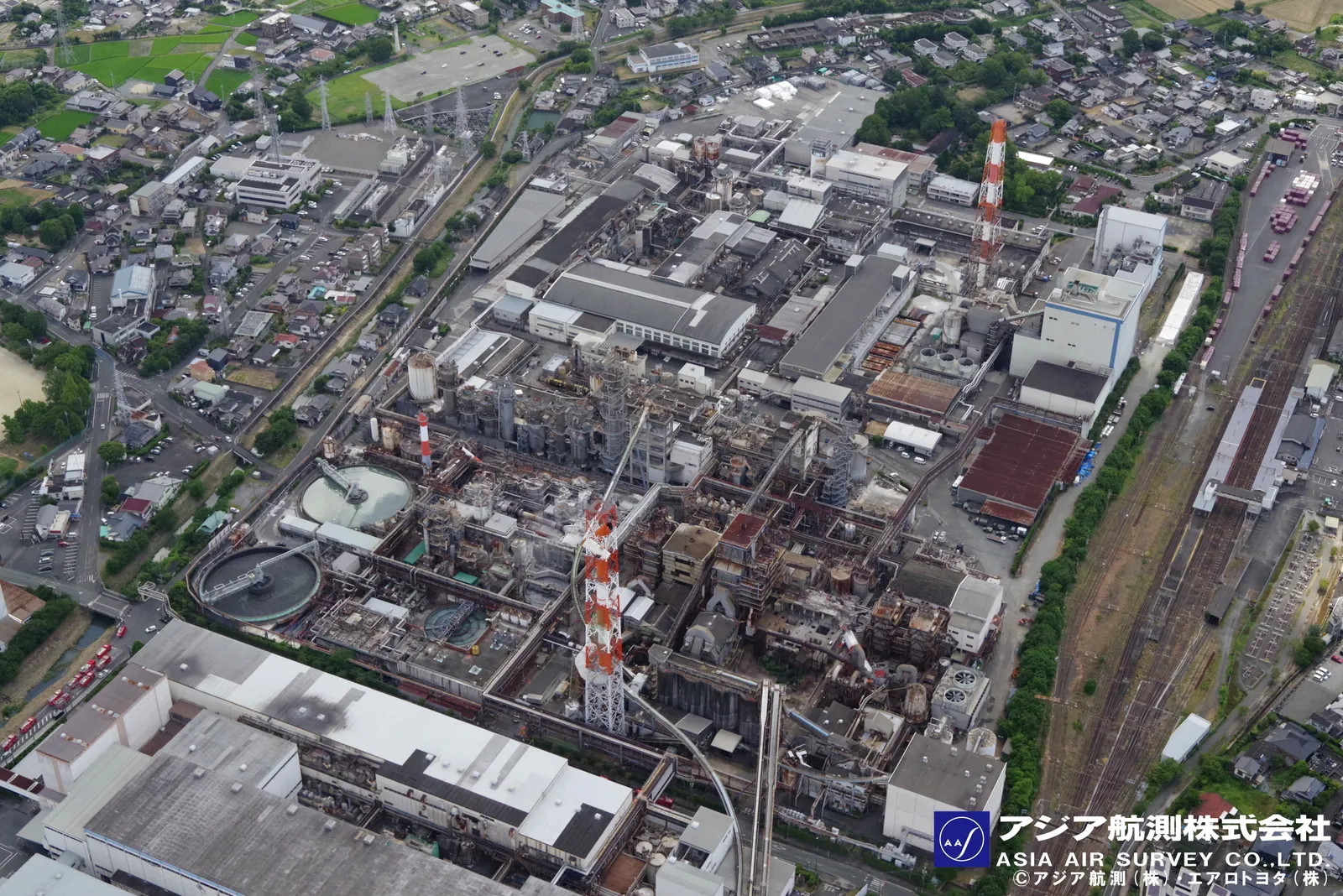
Nine people were killed at Nippon Paper Industries' paper mill near the epicentre, which suffered major structural damage that saw its smokestack topple over.
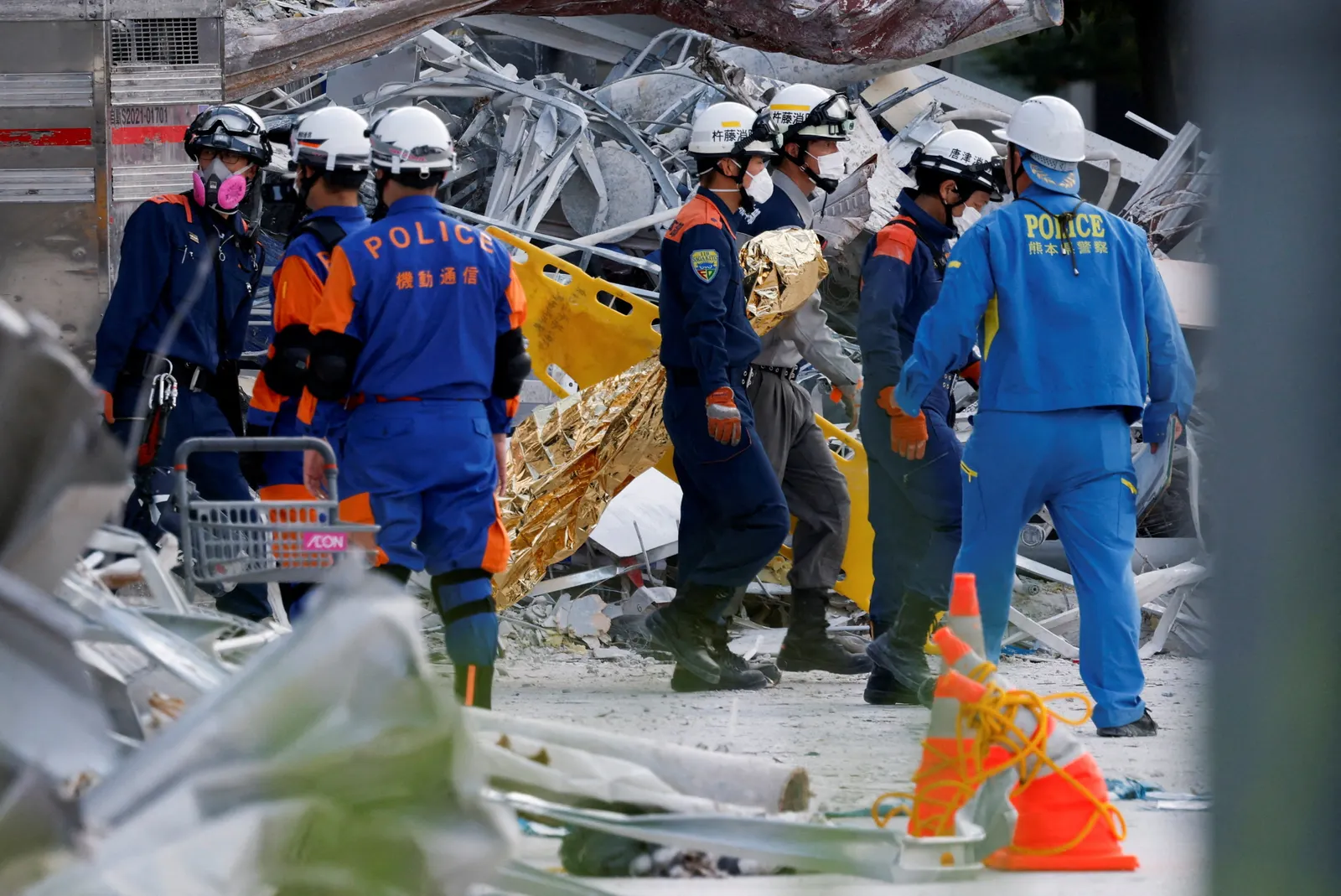
A further seven died at Aeon's shopping mall, the biggest in the prefecture, where a possible gas explosion occurred more than an hour after the initial quake.
The police and other authorities are investigating the exact cause of the blast. Earlier today, the Trade Ministry said it had instructed gas operators in earthquake-affected areas to promptly inspect and confirm the soundness of gas-related equipment while remaining alert to aftershocks.