

NEW DELHI, July 30 — India has taken enforcement action against about 90 per cent of inspected pharmaceutical facilities identified as high-risk under a nationwide quality drive, as authorities step up oversight following global scrutiny of Indian-made drugs.
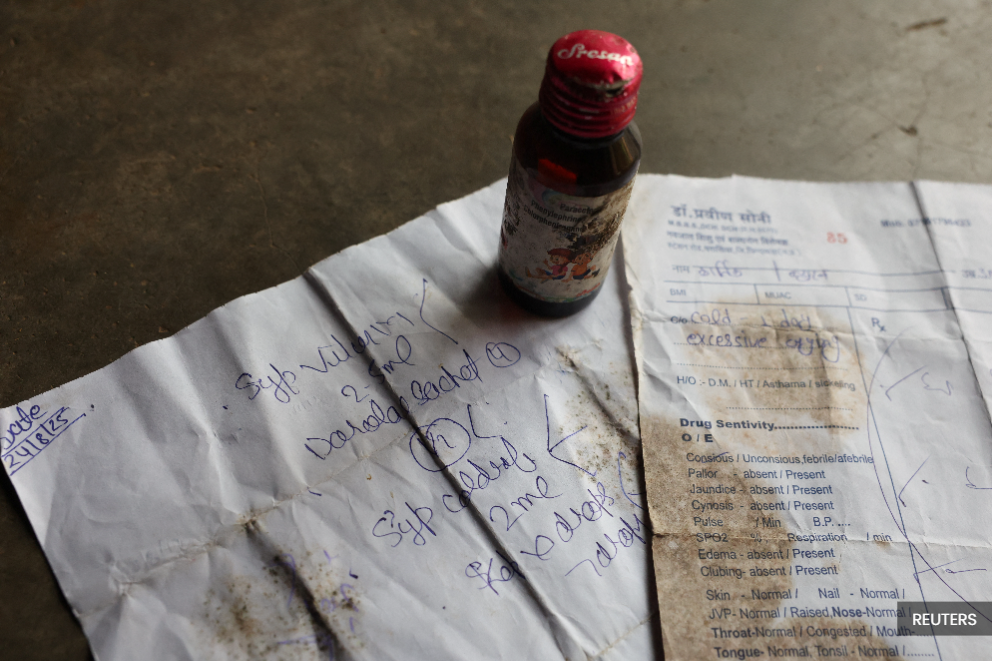
The crackdown is part of a broader effort to strengthen quality standards in India, often called the "pharmacy of the world", after Indian-made cough syrups were linked by global health authorities to child deaths in countries including Gambia, Uzbekistan, and Cameroon.
Since late 2022, regulators have conducted more than 960 risk-based inspections and audits. The Drugs Controller General of India Rajeev Raghuvanshi said that around 860 resulted in enforcement action, ranging from stop-production orders and licence suspensions to cancellations in the most serious cases.
"We identify gaps, inform manufacturers, and give them time depending on the kind of issues and the severity of the impact on medicine quality," he said during the Global Drug Regulatory Conclave in New Delhi today.
The inspections were conducted under India's risk-based inspection framework that assesses facilities such as manufacturing sites and testing labs based on the risks they may pose to patients and product quality. The inspections account for compliance histories, quality failures, recalls, and complaints.
Raghuvanshi added that the regulator has also required drug manufacturers to align with World Health Organisation standards as part of a wider effort to improve quality systems, infrastructure, and regulatory compliance. The deadline for that ended on December 31 last year
The enforcement comes as regulators oversee more than 10,000 manufacturing facilities and about one million pharmacies, despite manpower constraints, and are increasing reliance on risk-based inspections and digital monitoring.
He said that over 99 per cent of processes at the Central Drugs Standard Control Organisation (CDSCO) have been digitised, helping improve transparency, monitoring, and approval timelines.
The CDSCO is also piloting artificial intelligence tools that provide support, such as generating pre-inspection checklists, recommending regulatory actions, drafting inspection reports, and classifying manufacturing facilities by risk level.
Raghuvanshi noted that AI is also being used to generate reports related to serious adverse events.