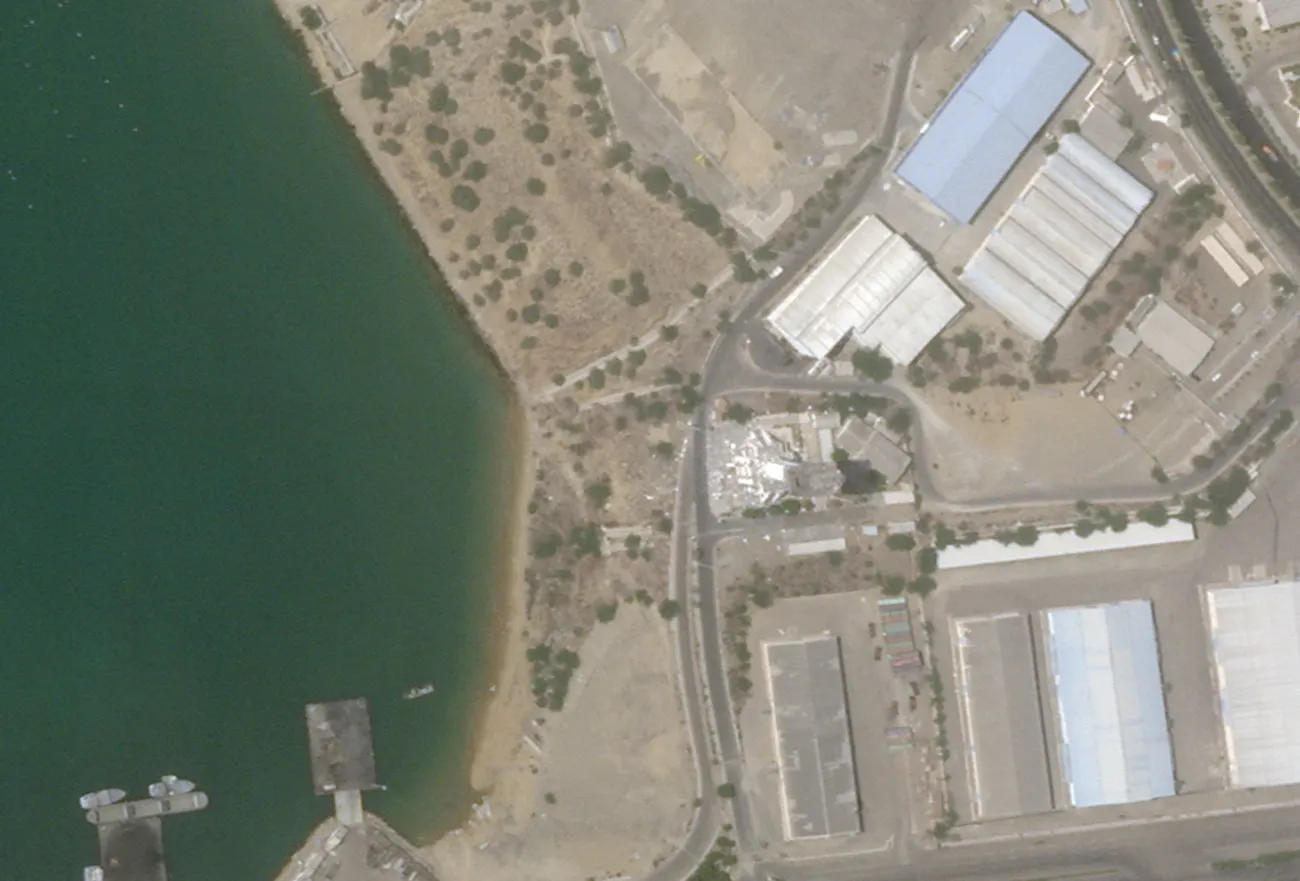
DUBAI/CAIRO, July 29 — The United States (US) and Saudi Arabia launched strikes on Iran-backed groups in Iraq on Wednesday, saying they were responsible for drone attacks on Saudi oil facilities, prompting Iran to warn that blaming it for such attacks was a "major miscalculation".
The strikes on targets inside Iraq come as Oman proposed a new regional deal aimed at resolving the conflict over the critical Strait of Hormuz, through which about a fifth of global oil and liquefied natural gas flowed before the war.
However, a senior Iranian official told Reuters on Wednesday that Tehran ruled out Oman's proposal for regional joint management of the strait, saying that it had no chance of success.
The official added that the US and Saudi Arabia are trying to pressure Oman to advance their "unrealistic plans" regarding the strategic Strait.
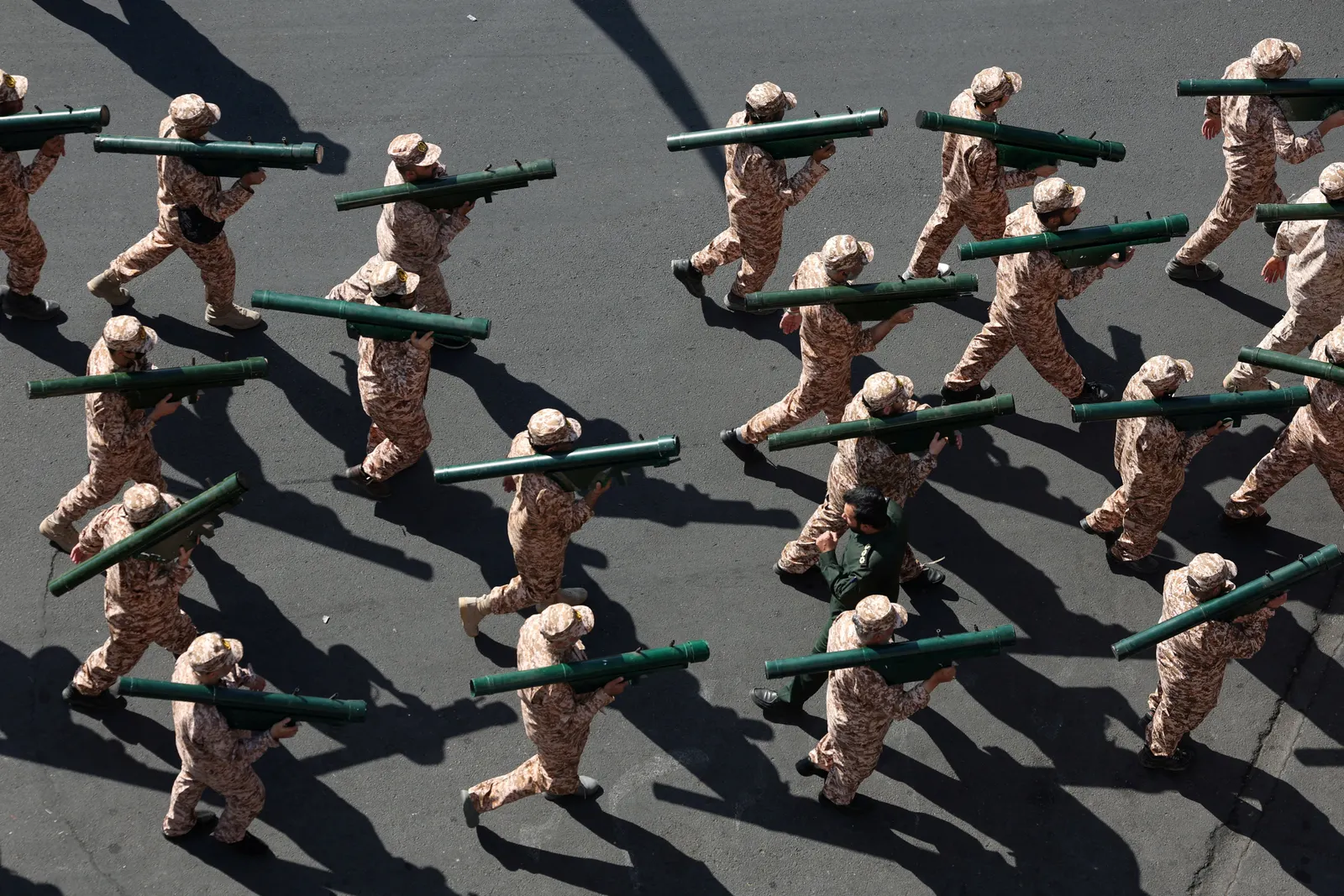
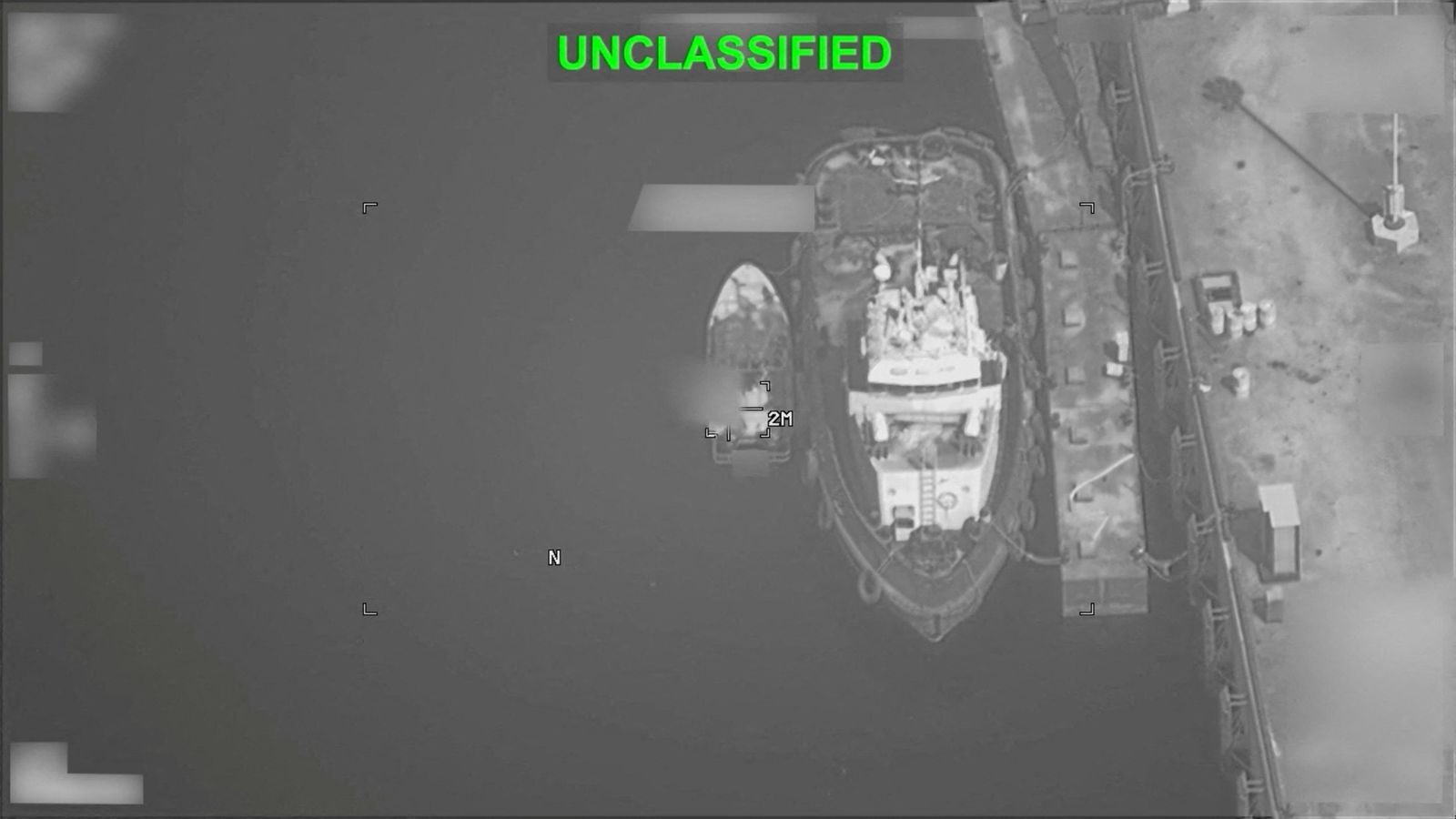
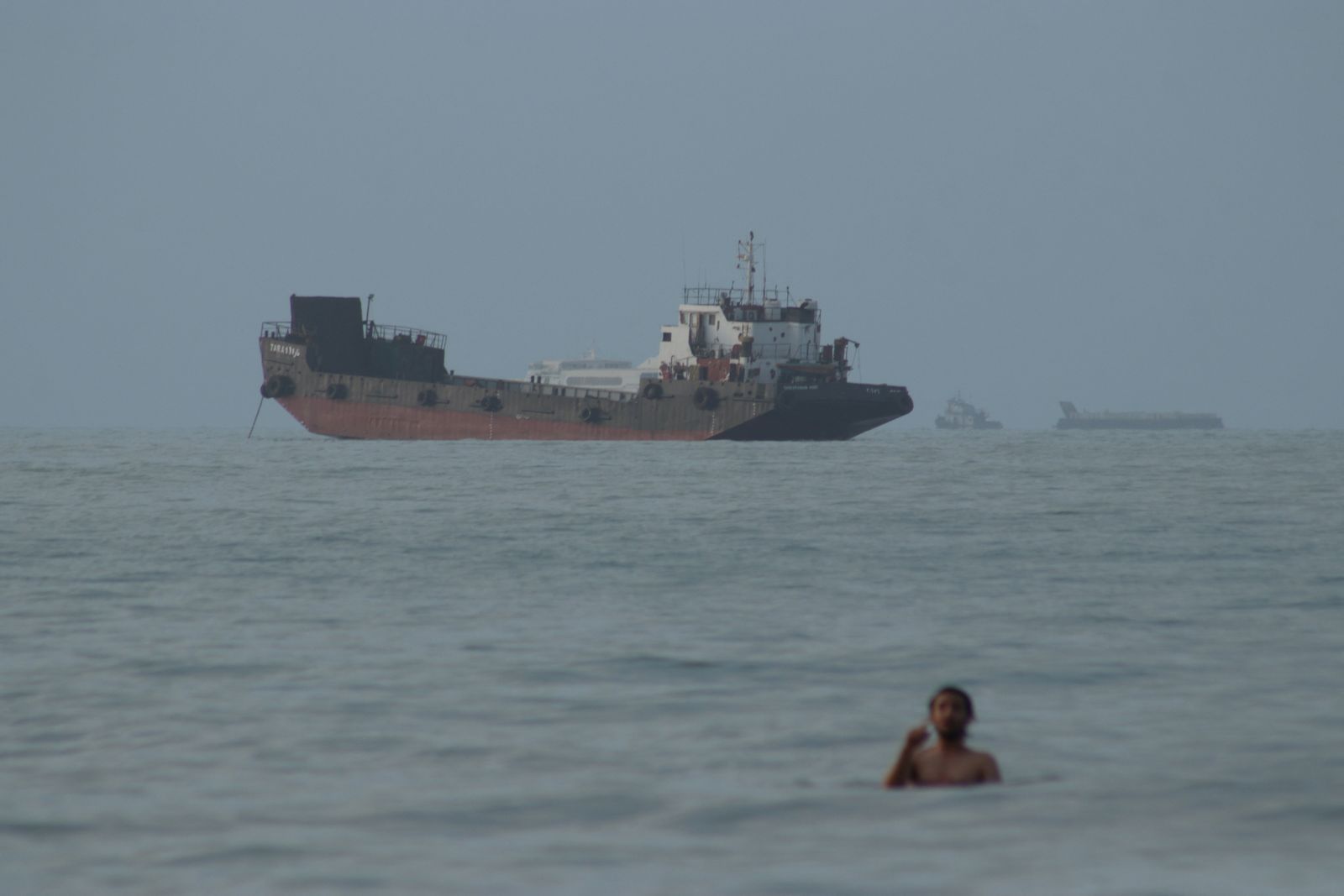
On Wednesday, Iran's Revolutionary Guards (IRGC) said that its forces struck three oil tankers in the Strait and forced them to stop after they ignored warnings for taking an "unsafe and illegal route".
The IRGC Navy said in a statement that it continued to maintain full control over the strategic waterway, warning that "unlawful US military interference" and instructions to vessels in the region would not go unanswered.
Reuters could not immediately verify the Guards' account.
The US-Saudi strikes in eastern Iraq occurred just hours after the US military said its air defences had averted a surprise Iranian attack on US troops in the region. On Wednesday, the IRGC said that it had fired several ballistic missiles at US military installations in Jordan.
Jordan's military said its air defences intercepted and shot down five Iranian missiles targeting the kingdom on Wednesday.
Back-and-forth attacks in recent days have ended a brief pause in the fighting, after US President Donald Trump abruptly called off a two-week US bombing campaign and Iran appeared to follow suit.
US-Saudi hit pro-Iran targets in Iraq
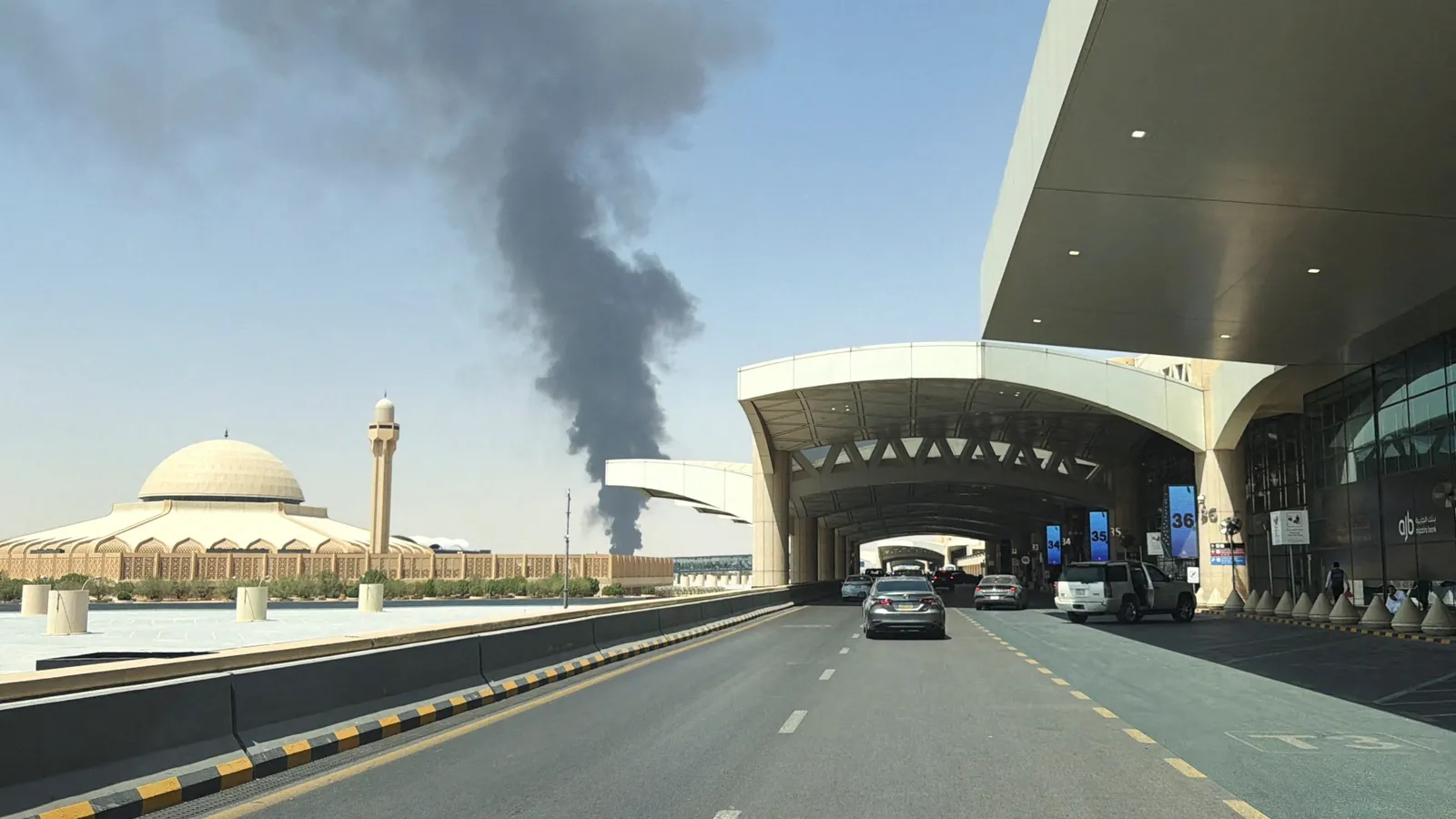
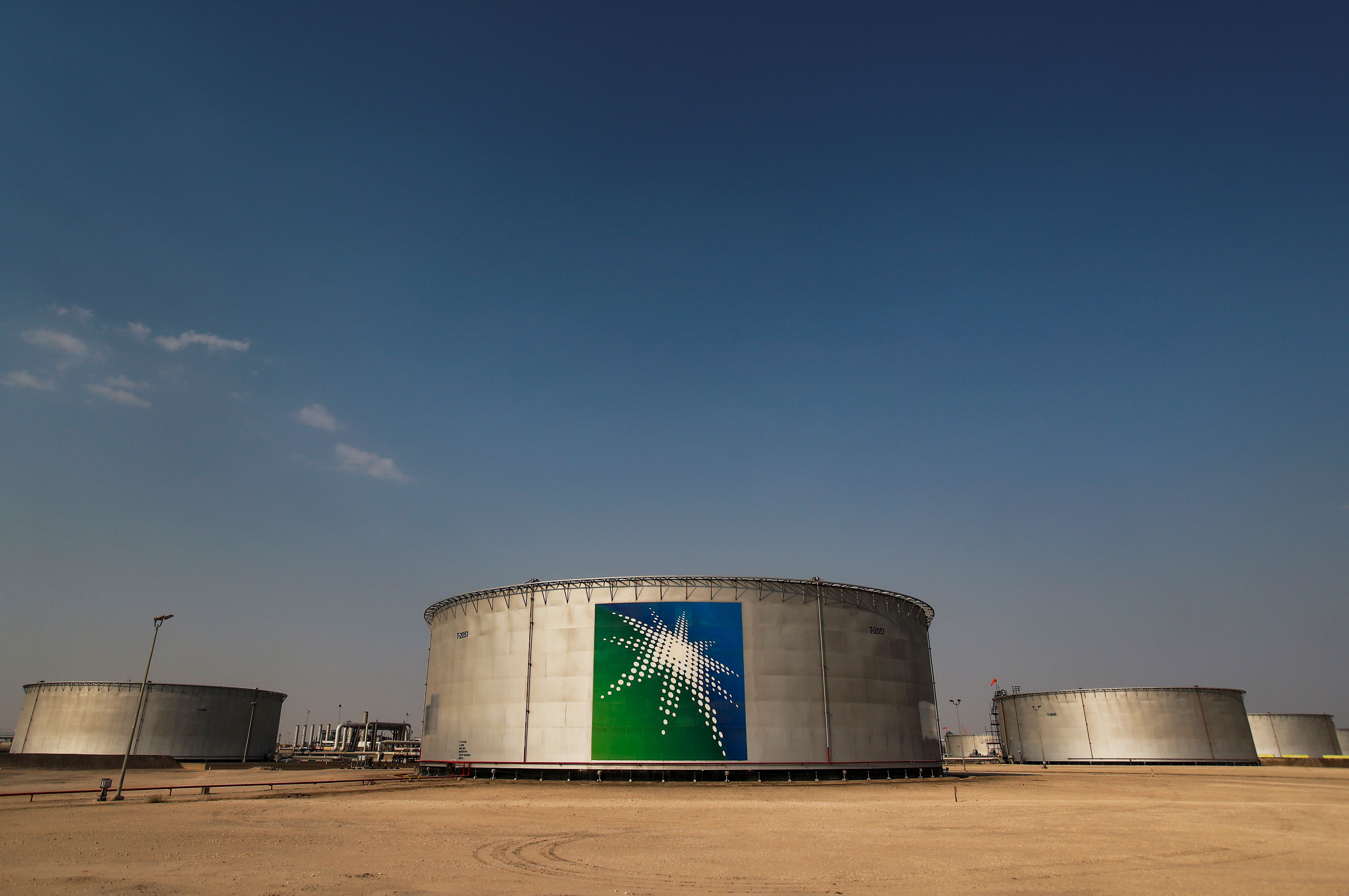
On Tuesday, Saudi Arabia said that its air defences destroyed several drones targeting oil facilities in the kingdom's Eastern Province. Saudi Defence Ministry spokesman Turki al-Maliki noted that Iran-backed militias launched the attacks from Iraqi territory.
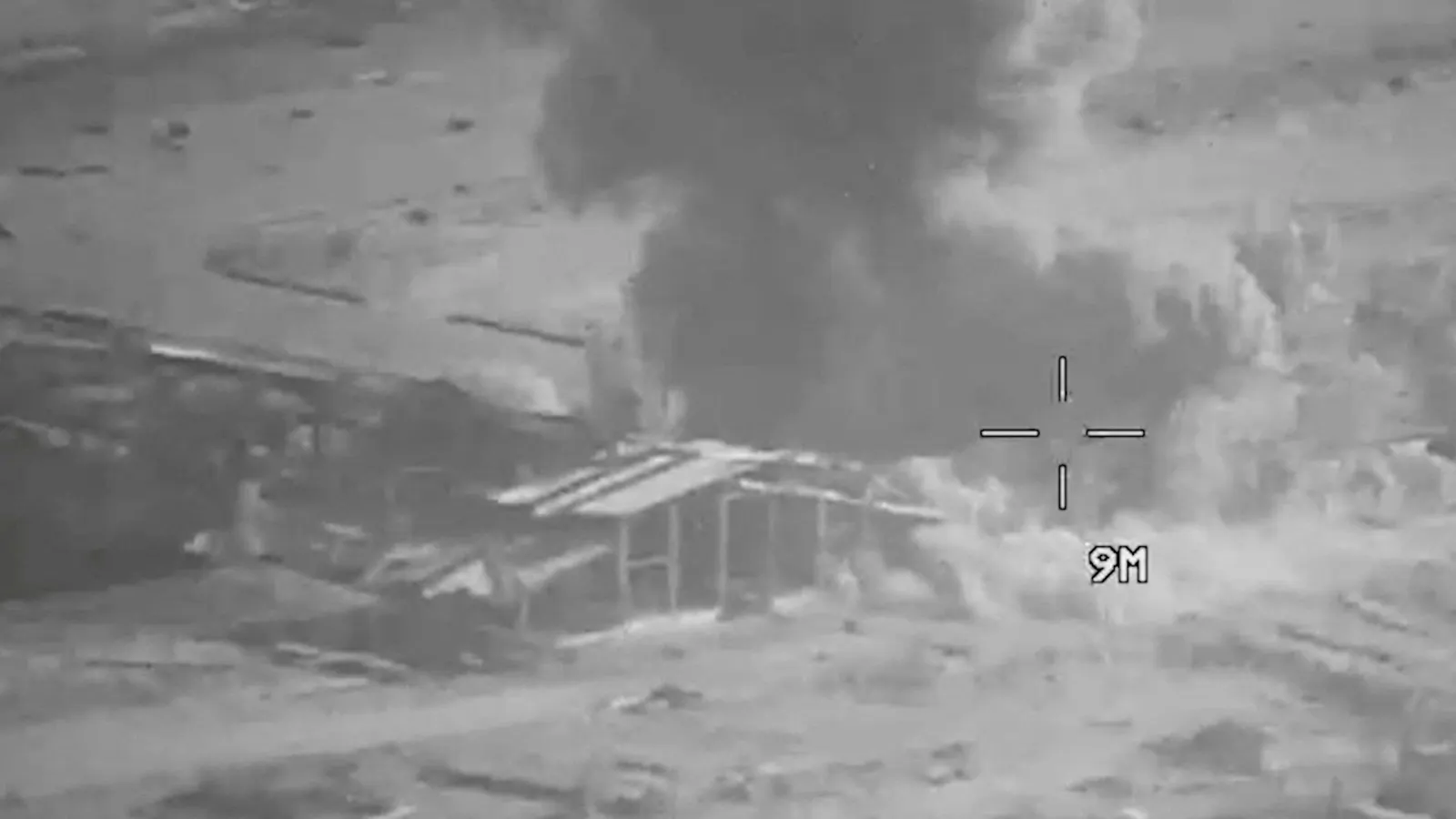
Later in the day, US Central Command (CENTCOM) and Saudi Arabia's Defence Ministry said the two countries hit multiple sites across eastern Iraq that they said had been used by Iran to direct drone attacks. The ministry said it was not seeking escalation but would respond to any "aggression".
Iraq's Popular Mobilisation Forces (PMF) said a number of its official headquarters in different parts of Iraq were attacked on Wednesday by what it described as US and Saudi forces. The PMF said preliminary reports indicated several people were killed and others wounded, with damage to a number of its buildings and facilities.
Oil prices rose over US$3 a barrel on Wednesday after the US and Saudi Arabia strikes over concerns the conflict may escalate.
Speaking to state TV in Iran, an Iranian defence official strongly denied any connection between projectiles fired from other countries toward Saudi targets.
The unnamed military official, quoted by state broadcaster IRIB, said attributing attacks on US interests in the region to Iran was a "major miscalculation".
Similarly on Tuesday, CENTCOM said that Iran had launched multiple ballistic missiles "in an attempted surprise attack on US forces based in the Middle East," and that the missiles were successfully intercepted.
The IRGC responded by saying: "As long as threats against the Islamic Republic of Iran continue and illegal and malicious actions by US forces against our interests are under way, the resistance will also continue."
Oman proposes joint management of Hormuz
A Gulf source and a Western diplomat told Reuters on Tuesday that in an effort to resolve the conflict over the Strait of Hormuz, Oman has presented Iran with a plan backed by Gulf states to manage the waterway that would include collecting voluntary fees from ships
Under the Omani proposal, Tehran would not exercise sole control, and fees would be voluntary.
The system would be analogous to one in place on Asia's Strait of Malacca, where Indonesia, Malaysia, and Singapore ask ships to pay voluntary contributions to fund navigation, environmental protection, and search-and-rescue operations.
The Qatari Foreign Ministry said that Gulf Cooperation Council foreign ministers met via video call on Tuesday to discuss the latest developments in the conflict.
Also on Tuesday, a US official again rejected the idea of tolls or fees for ships transiting the strait, reiterating that it is an international waterway that should be free of Iranian control or restrictions. The official told Reuters that the deal under discussion would not include any tolls or fees.
Iran and Oman control opposite shores of the Strait of Hormuz, but a senior Iranian official told Reuters on Wednesday that Tehran insists the entire inbound route through the strait and part of the outbound route must be under Iranian control.
The official noted that a 50-50 joint control arrangement with Oman would not serve Iran’s interests, though Tehran considers Oman a valuable neighbour.
Iran effectively shut the strait after the US and Israel attacked Iran on February 28. A deal last month between the US and Iran partially reopened the Strait, with future talks planned to resolve larger issues including Iran's nuclear programme.
But the agreement collapsed in early July after Iran fired on vessels using a shipping channel it does not recognise.