KUALA LUMPUR, July 29 — Technical and Vocational Education and Training (TVET) must evolve alongside advances in artificial intelligence (AI) to produce competitive graduates capable of meeting the changing needs of industry.
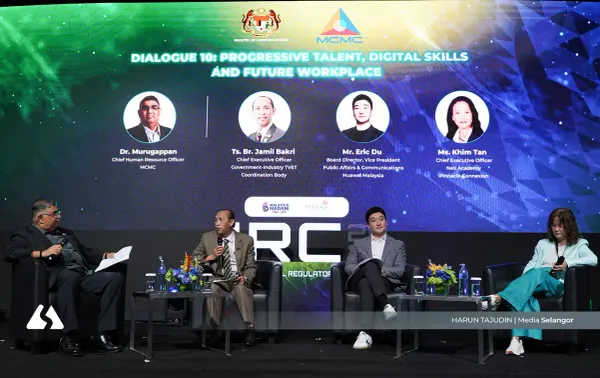
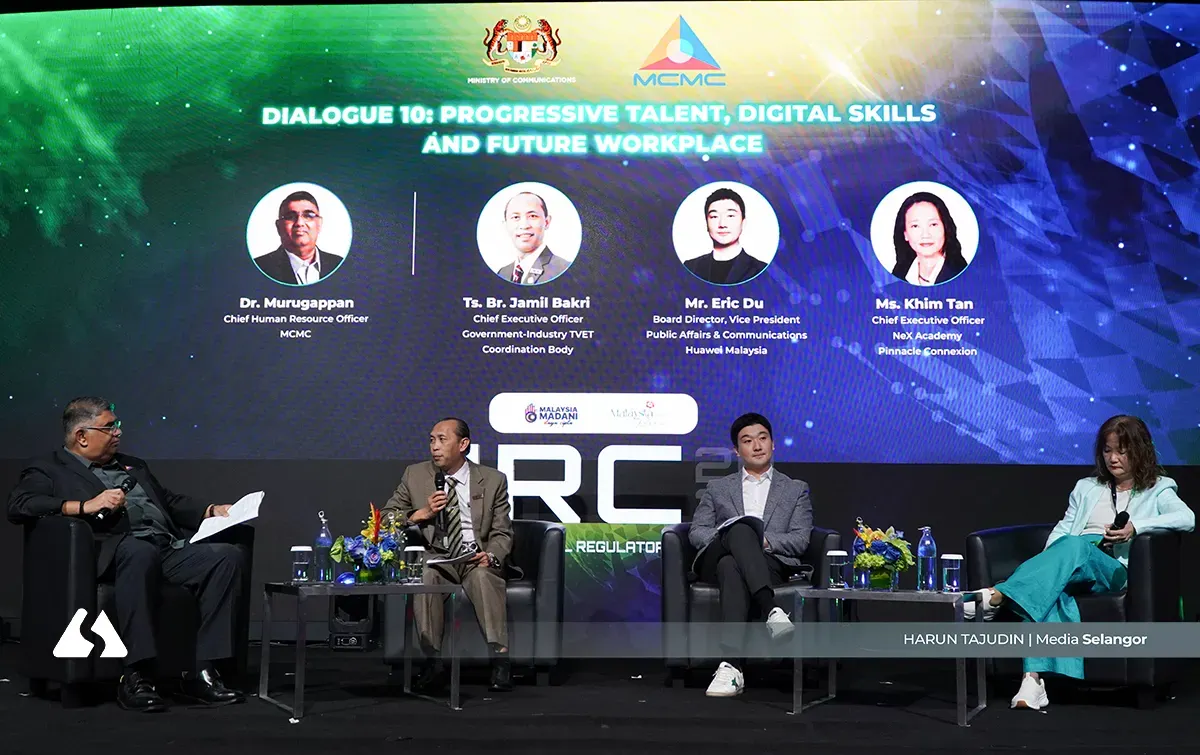
Government-Industry TVET Coordination Body chief executive officer Jamil Bakri said closer collaboration between educational institutions and industry is essential to ensure curricula remain aligned with current labour market demands.
He said graduates must also possess strong technical expertise as well as soft skills, including communication, critical thinking and problem-solving, to enhance their employability.
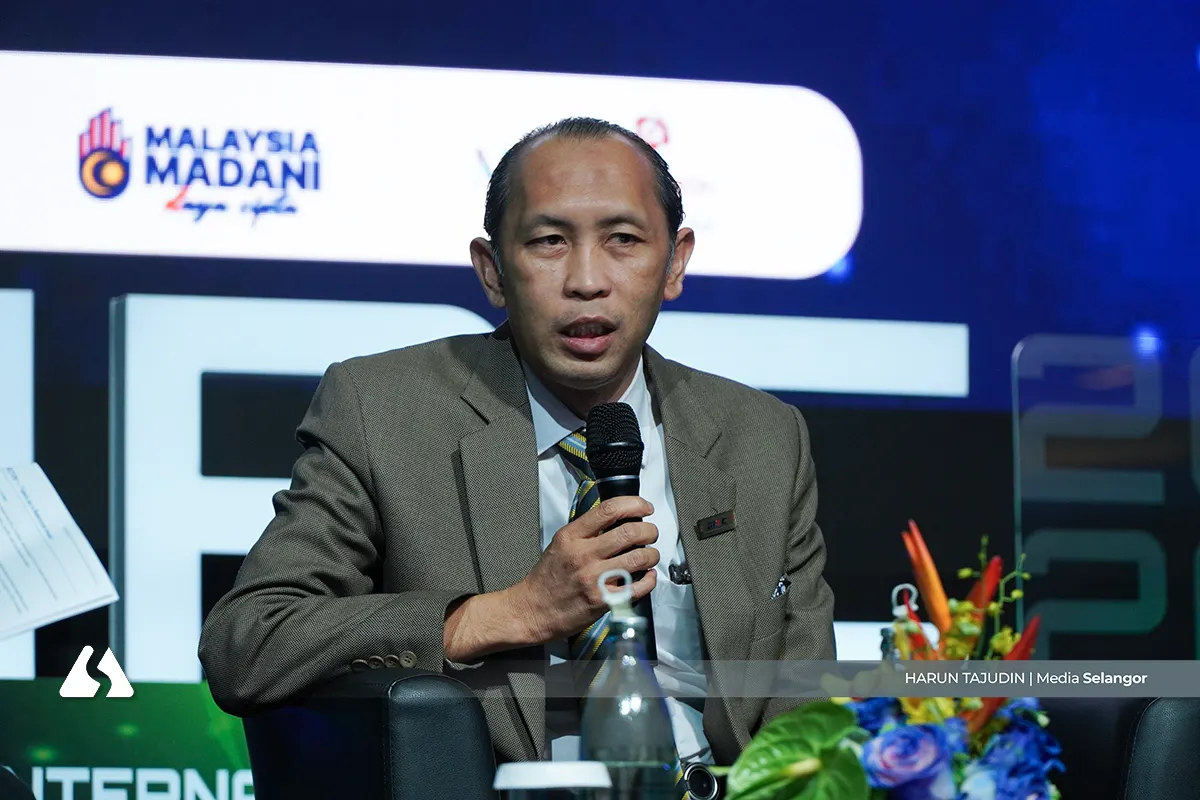
"Educational institutions and industry must strengthen collaboration in developing relevant curricula to ensure graduates are equipped with the skills employers genuinely need.
"At the same time, technology and AI should be harnessed to improve productivity while contributing positively to the country's economic growth," he said during a forum at the International Regulators Conference (IRC) 2026 at the Shangri-La Hotel here on July 23.
Meanwhile, NeX Academy chief executive officer Khim Tan said many graduates continue to work outside their fields of study despite Malaysia's unemployment rate remaining at around three per cent.
She said the situation highlights the need for graduates to continuously upgrade their skills, particularly in AI and digital technologies, to remain relevant and meet the evolving demands of industry.
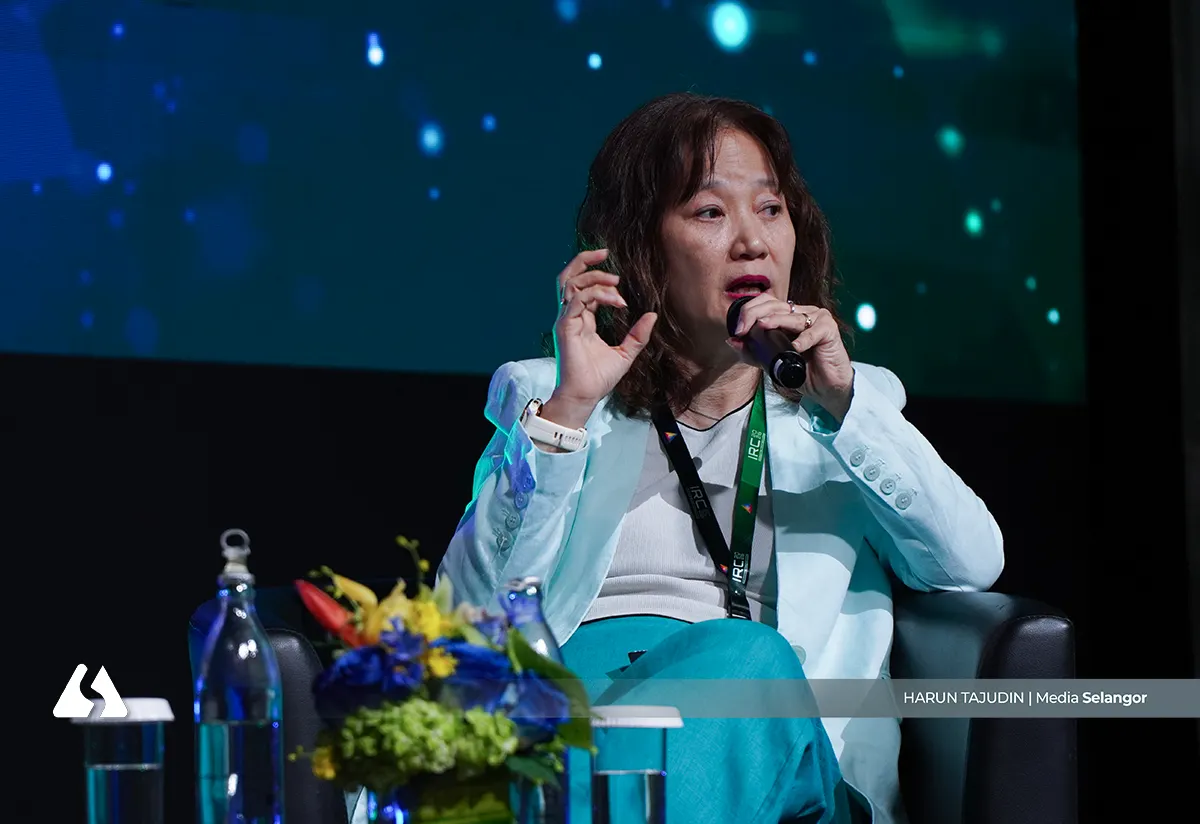
"We encourage graduates to explore the wide range of AI and technology courses and training programmes available to enhance their skills and increase their value in the job market.
"Graduates must have a strong sense of curiosity and the confidence to learn new things so they can adapt to the changing employment landscape.
"At the same time, companies must be more creative in creating job opportunities that combine human capabilities with AI rather than viewing the technology as a complete replacement for people," she said.