
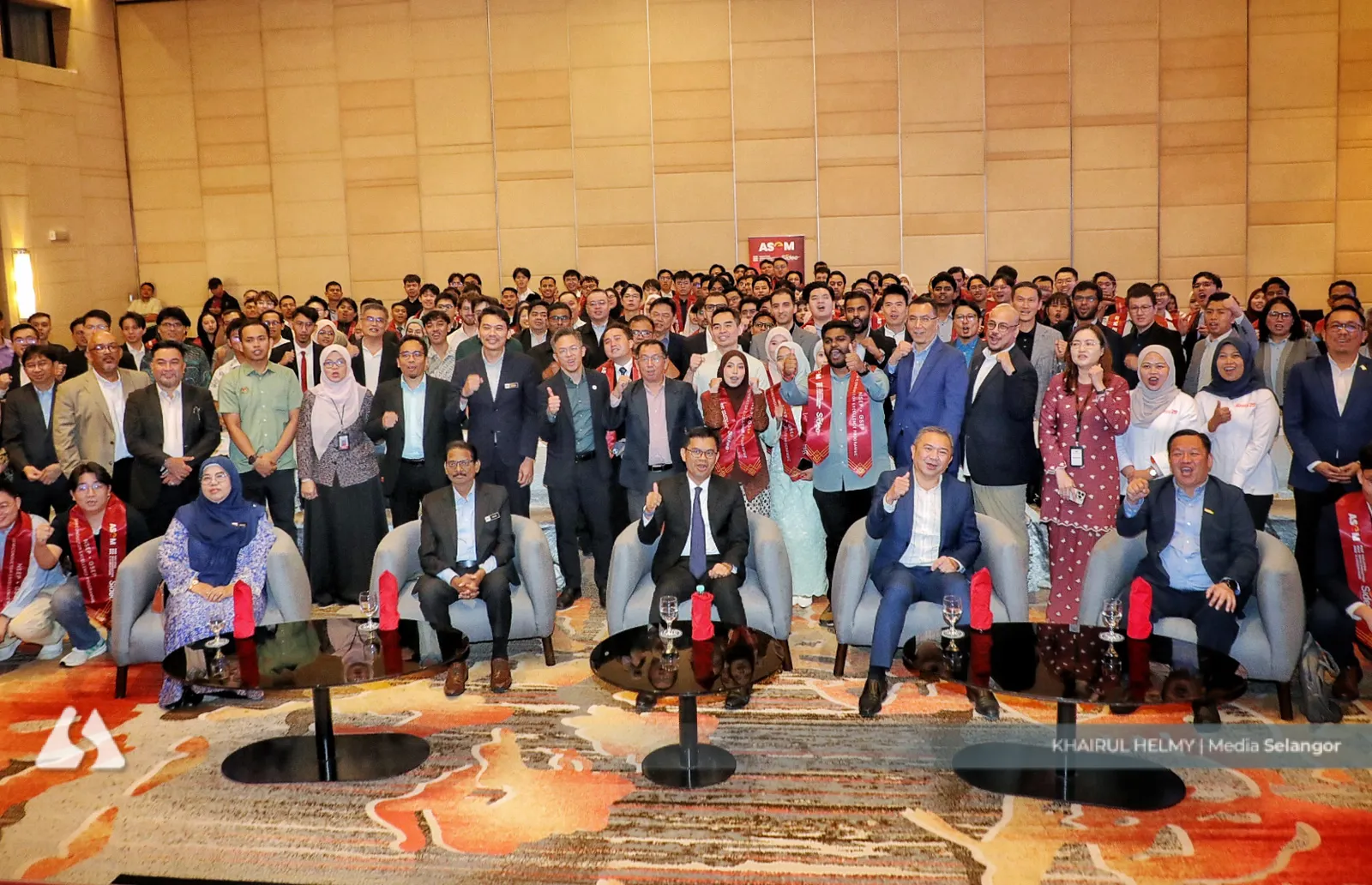

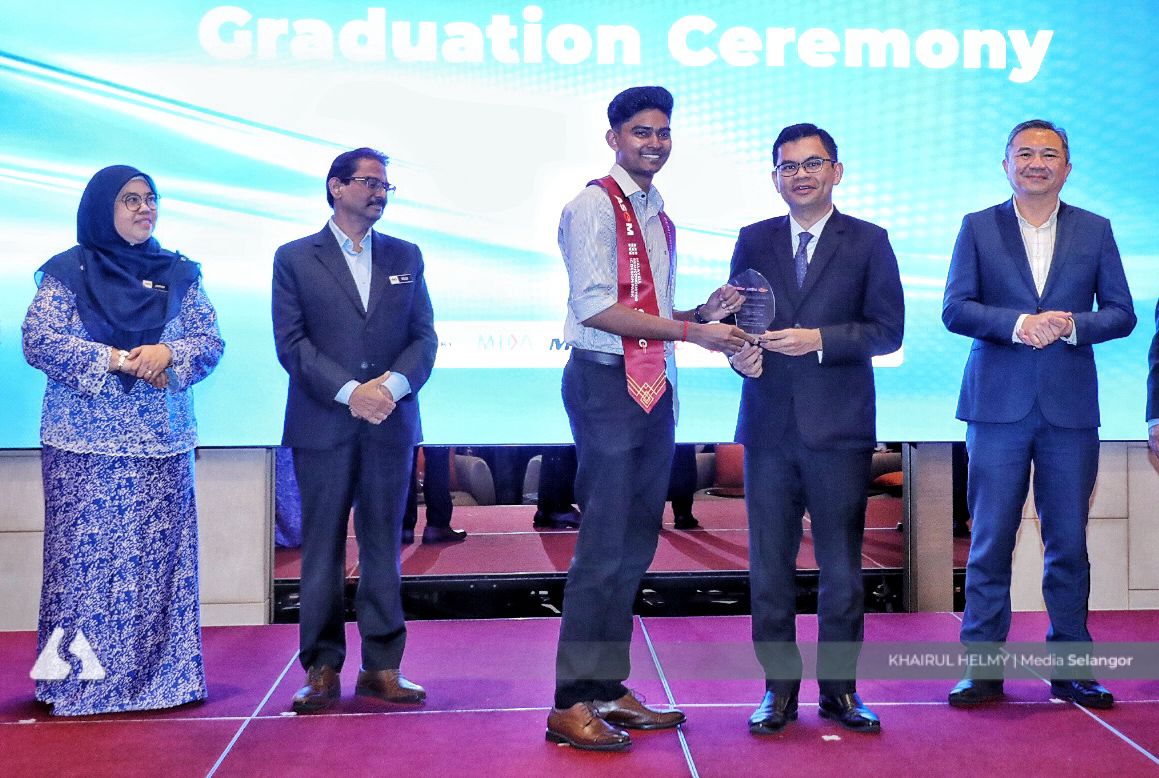
PUCHONG, July 28 — Malaysia must ensure it offers competitive salaries and strong career prospects to retain semiconductor talent, as it competes with established industry players such as Taiwan and Singapore, said Economy Minister Akmal Nasrullah Mohd Nasir.
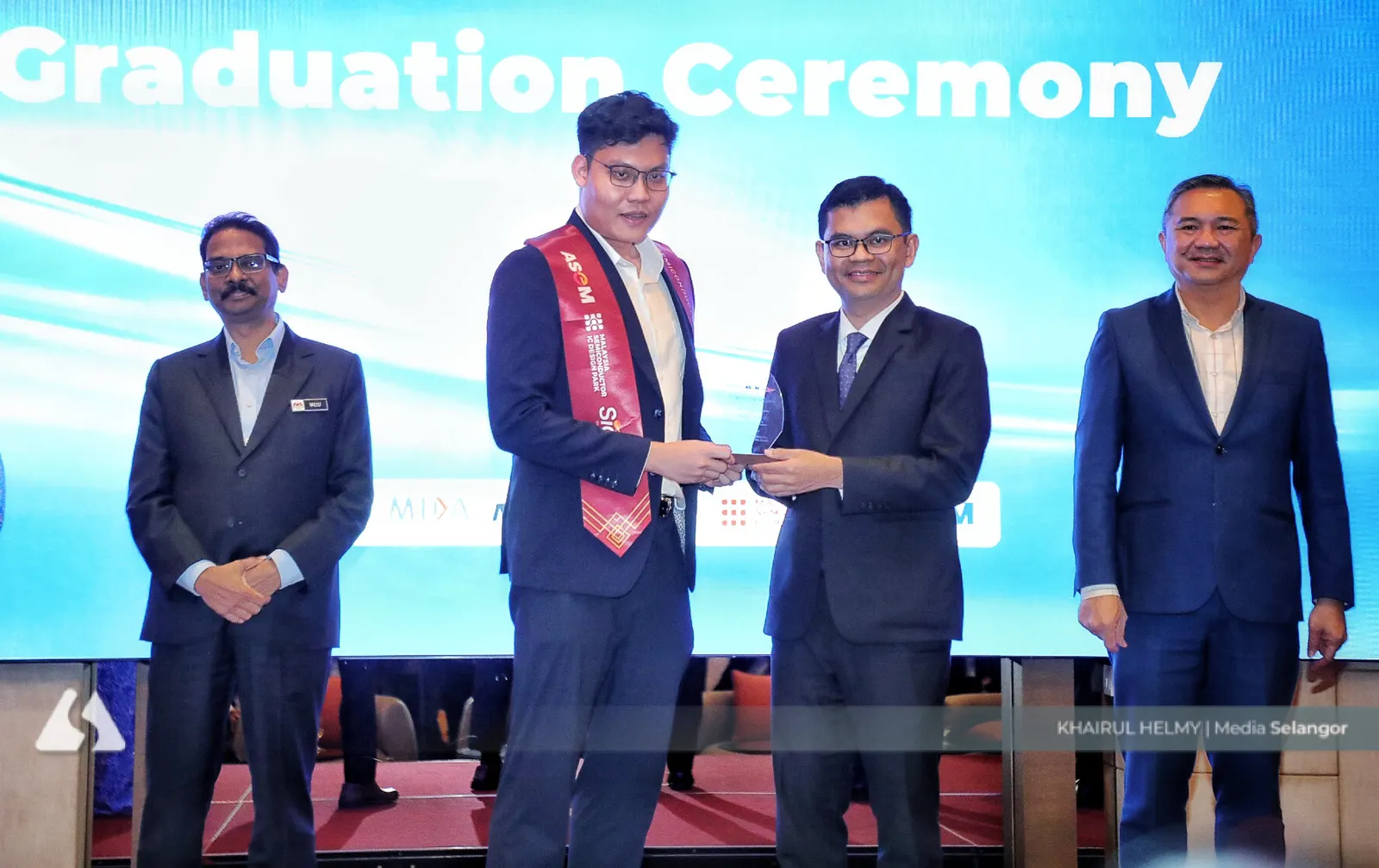
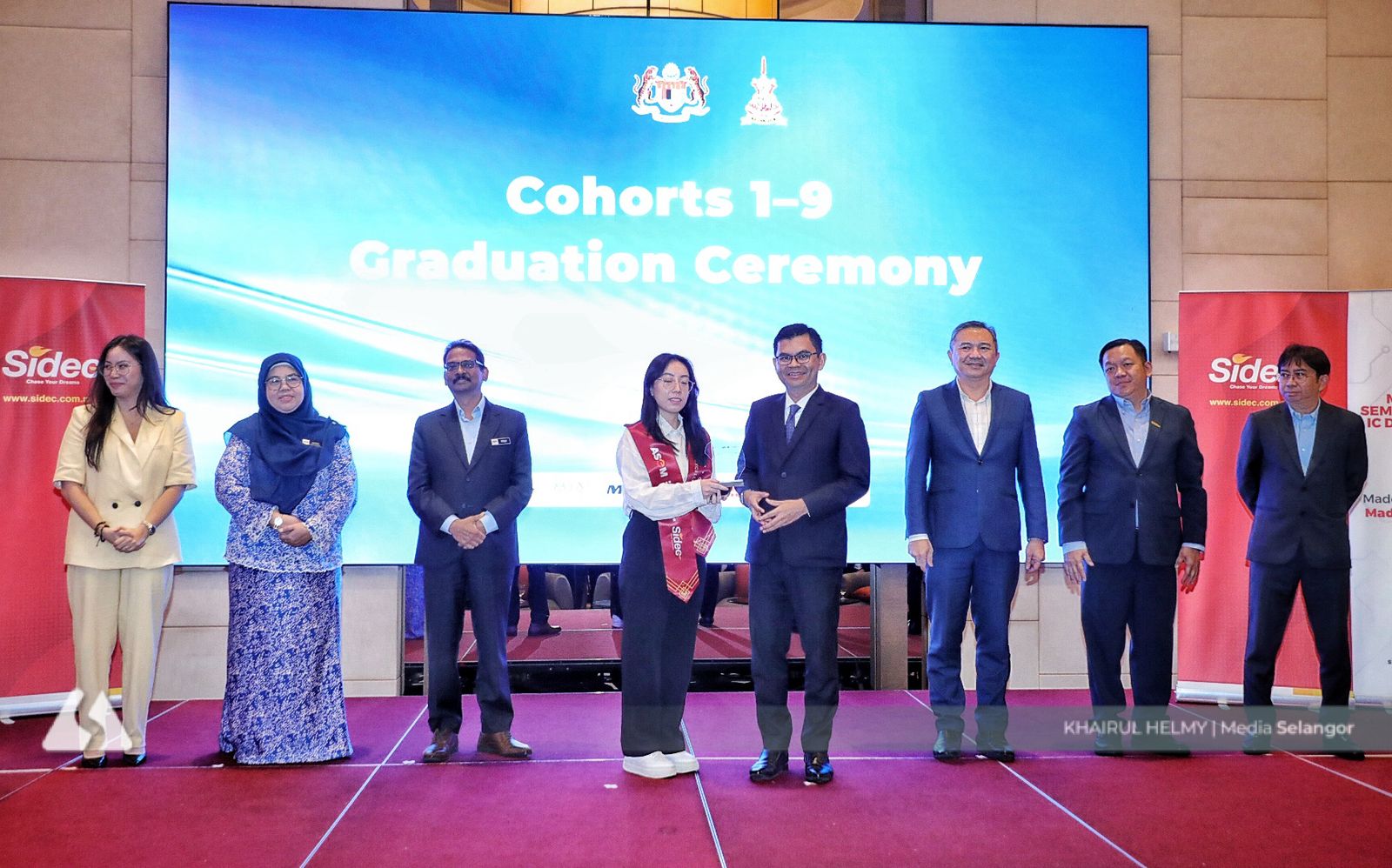
Speaking at the Advanced Semiconductor Academy Malaysia (ASEM) Malaysian Talents Graduation and Appreciation ceremony,
He acknowledged that many skilled graduates often question whether better opportunities exist overseas, particularly in countries that offer higher pay.
"When we look at countries competing in the semiconductor industry, such as Taiwan and even nearby Singapore, it may seem that the salaries offered there are higher.
"The question we must answer is why we are making these efforts. Can our talents enjoy equally good opportunities if they remain in Malaysia?
“Can they build careers that are on par with global standards?" Akmal said in his speech during the Advanced Semiconductor Academy Malaysia (ASEM) Malaysian Talents Graduation and Appreciation ceremony at the Four Points by Sheraton Hotel today.
He added that Malaysia's ambition is not only to retain talent but also to move further up the semiconductor value chain by creating higher value jobs in chip design and innovation.
Akmal underscored that Malaysia is currently the world's sixth largest semiconductor exporter, with strengths in testing, packaging, and manufacturing, but said that the country could not afford to be complacent.
"When we talk about semiconductors, we need to explore the opportunities to move into higher-value activities.
“We need to be more than just a producer. We need to become innovators and creators," he said.
While the government recognised that Malaysia's semiconductor workforce has traditionally been valued for being skilled yet relatively affordable, Akmal emphasised that the focus now is to raise value creation and, in turn, improve wages.
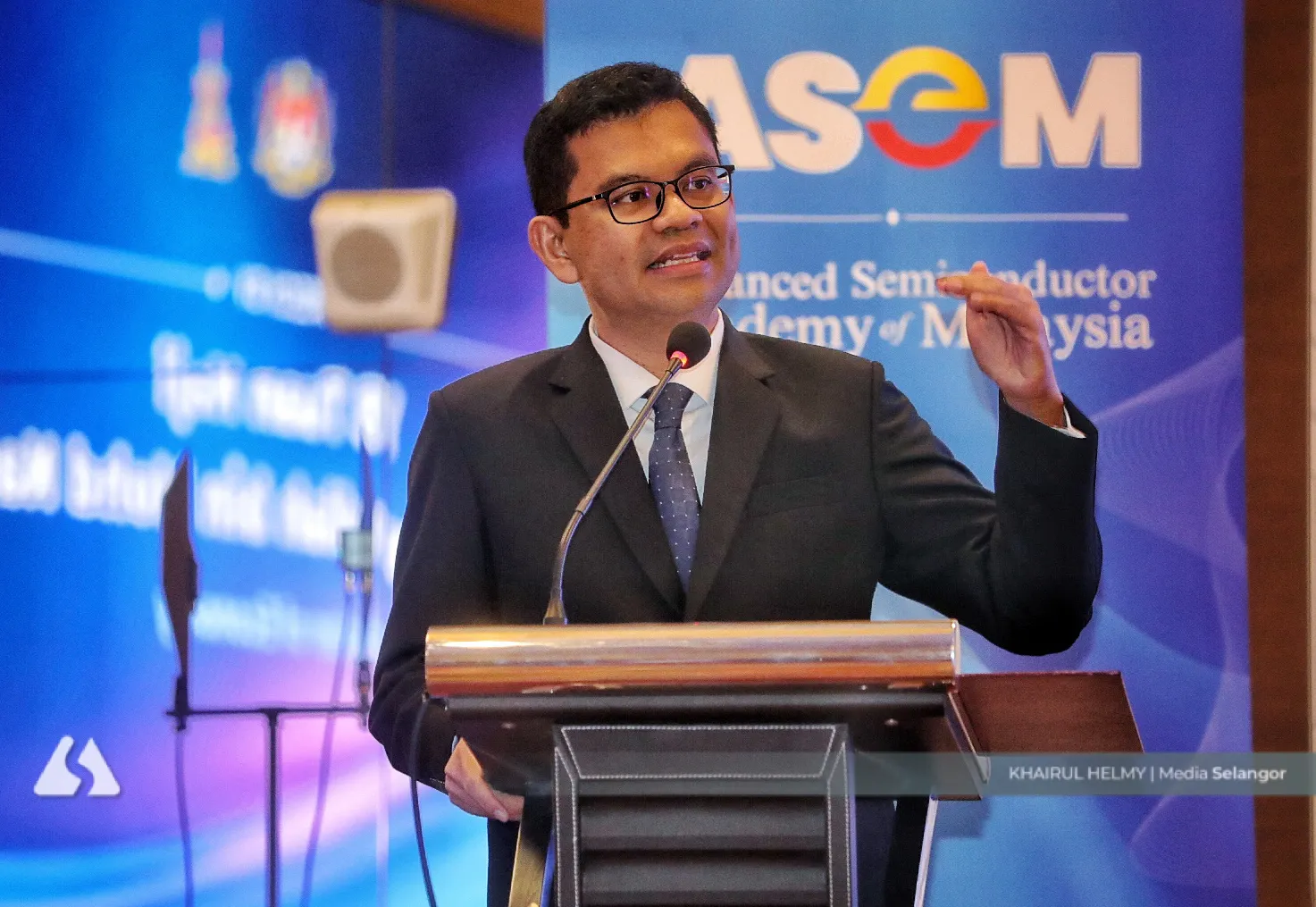
The salary packages being offered through programmes such as ASEM are already above the average starting pay for fresh graduates, providing a stronger incentive for young Malaysians to build their careers at home.
"I am confident the salaries being offered are above what the average graduate would normally receive. This will provide another push for the country to achieve higher income levels.
"Young people today are not just considering salary; they also care about lifestyle, whether the ecosystem suits their needs and aspirations. That is why building a broader ecosystem is equally important," he said.
The minister said that the government is working with Arm Ltd, a United Kingdom semiconductor and software design company, to strengthen Malaysia's semiconductor ecosystem through access to Arm's technology and talent development initiatives.
Malaysia has so far awarded access tokens under the partnership to six companies, with three each under the CSS and Arm Flexible Access programmes, while more allocations remain available.
The collaboration has also trained 1,530 participants through the Arm On-Demand platform, with the national target set at 10,000 trainees.
At the event, 454 participants graduated from ASEM after completing specialised IC design and embedded technology training under the National Semiconductor Excellence Programme and the Global Semiconductor Exchange Programme.
The graduates, comprising engineering undergraduates, fresh graduates, and working professionals, were trained in areas including digital and analogue IC design, embedded systems, Embedded IoT, and AI robotics to prepare them for careers in Malaysia's expanding semiconductor industry.
To date, ASEM has produced more than 723 alumni, partnered with over 10 global universities and research institutes, and collaborated with more than 150 industry partners as part of efforts to strengthen Malaysia's semiconductor talent pipeline.