

PUTRAJAYA, July 30 — Data from the Statistics Department’s (DOSM) played a crucial in shaping government policies during the COVID-19 pandemic, helping to strike a balance between protecting lives and safeguarding the economy, said former chief statistician Datuk Seri Mohd Uzir Mahidin.
This indicated why trusted and independent official statistics are critical to national policymaking.
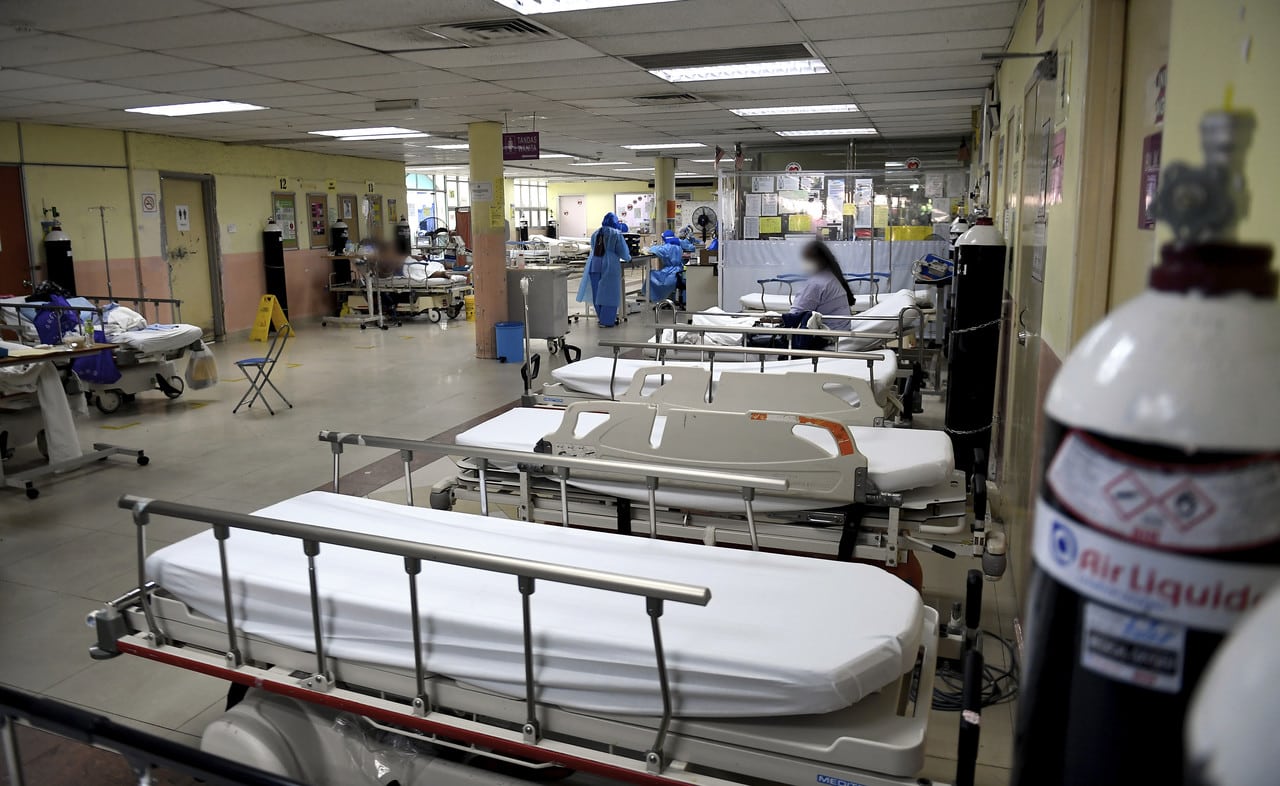
He said the unprecedented health crisis highlighted the importance of evidence-based decision making, as policymakers relied on timely economic and social data to assess the impact of movement restrictions while planning recovery measures.
“During the crisis, there was uncertainty over balancing public health and livelihoods. If decisions were based solely on health considerations, the economy would have come to a standstill,” he said in an exclusive interview with Media Selangor recently.
Uzir added that DOSM provided critical data on employment, businesses, trade, supply chains, and the economic effects of lockdowns, enabling the government to evaluate the consequences of various policy options before making decisions.
Among others, it assessed how long businesses could survive under prolonged restrictions, estimated the number of workers affected, analysed essential industries, and supplied evidence to support measures such as the wage subsidy programme.
“When the government wanted to introduce wage subsidies, it needed to know how many workers would be involved and whether the allocation was sufficient. Those were the figures we provided,” he said.
Uzir said the experience with the pandemic underscored the need for a stronger national statistical system, leading to efforts to improve coordination between DOSM and other government agencies through the Statistics Bill 2026.
The new Bill will replace the outdated Statistics Act 1965, and is aimed at producing more accurate and comprehensive national data across social, economic, and environmental dimensions.
Uzir noted that the legislation will strengthen DOSM’s coordinating role by setting common standards for data governance, classifications, and quality across ministries and agencies, while ensuring each agency remains responsible for its own data.

Trusted data strengthens policymaking
When asked about Malaysia’s performance in global statistical rankings, he said the achievements were meaningful not for the rankings themselves, but because they reflected the department’s credibility and independence.
“It is not about being number one. What matters is what it means for the country, society, and the people,” Uzir said.
Malaysia ranked first among 197 countries in the 2024/2025 Open Data Inventory under Uzir’s leadership, scoring 90/100 overall and 99/100 for data openness, ahead of countries including Singapore, Finland and Denmark.
He said that investors and credit rating agencies place greater confidence in countries whose official statistics are produced by professional, impartial institutions, allowing business and investment decisions to be based on reliable data rather than political considerations.
“Political leaders come and go, but institutions must remain strong. What is important is the culture of the institution, because people must always be able to rely on it for trusted economic and social statistics,” Uzir said.
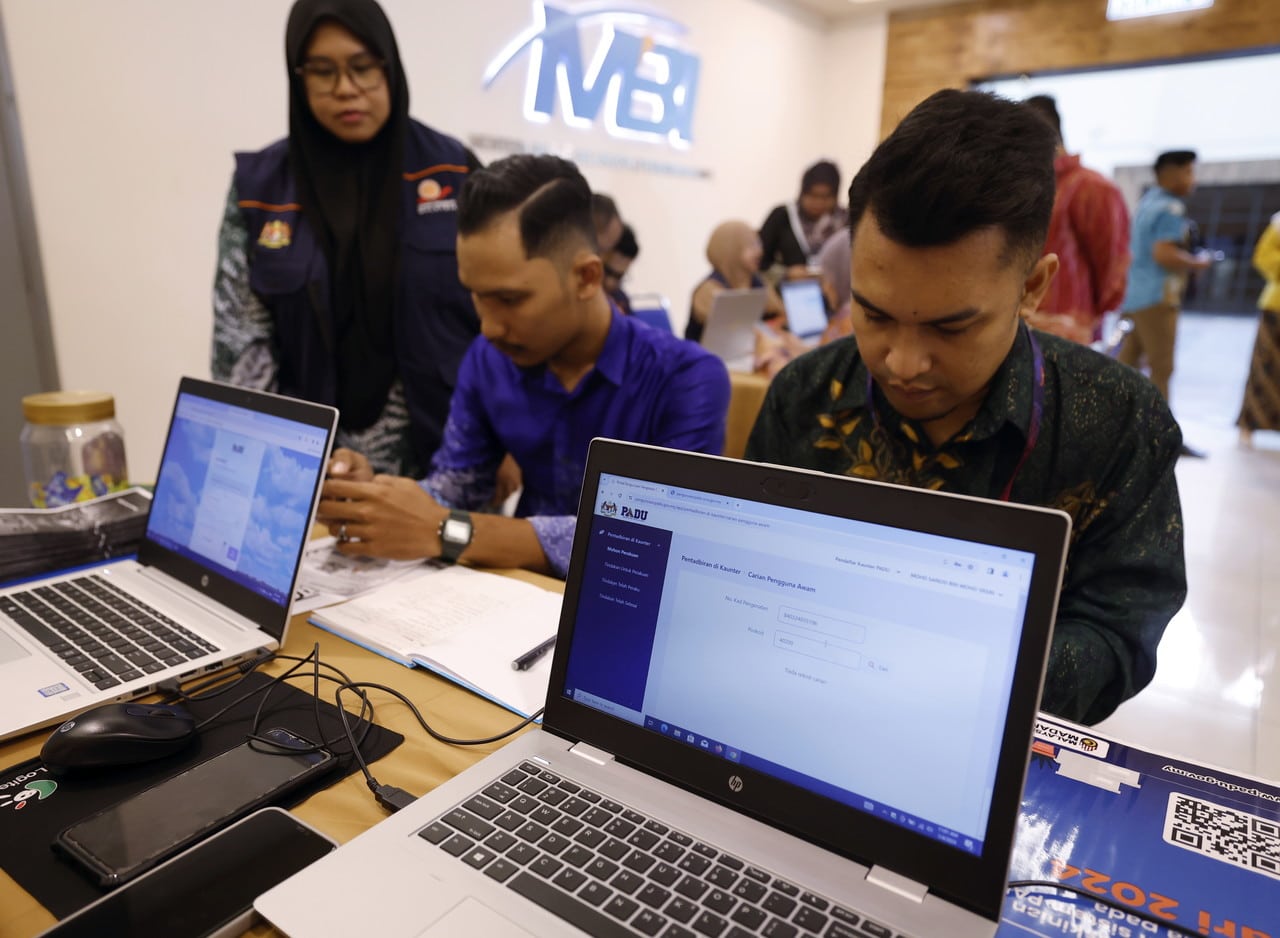
The data scientist, who served DOSM for 36 years, including nine as its chief statistician, cited the Central Database Hub (PADU) as another example of how integrated data can improve policymaking.
The platform was developed to give policymakers a more granular understanding of households and individuals, allowing government programmes and assistance to be targeted more accurately.
“We can identify exactly which groups are affected, where they are located and how many people need assistance.
“That means policies and programmes can be delivered more effectively without unnecessary spending,” he said.