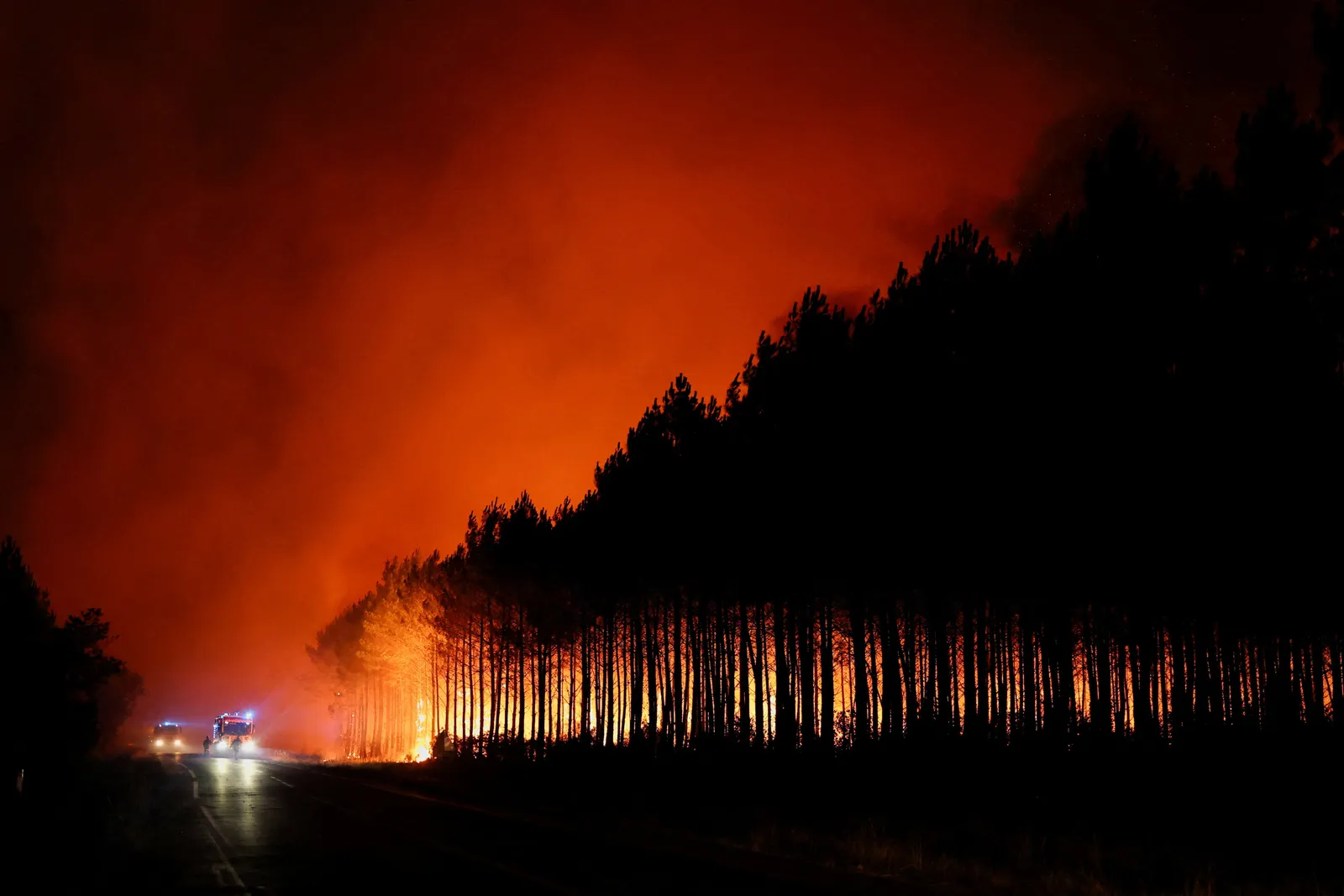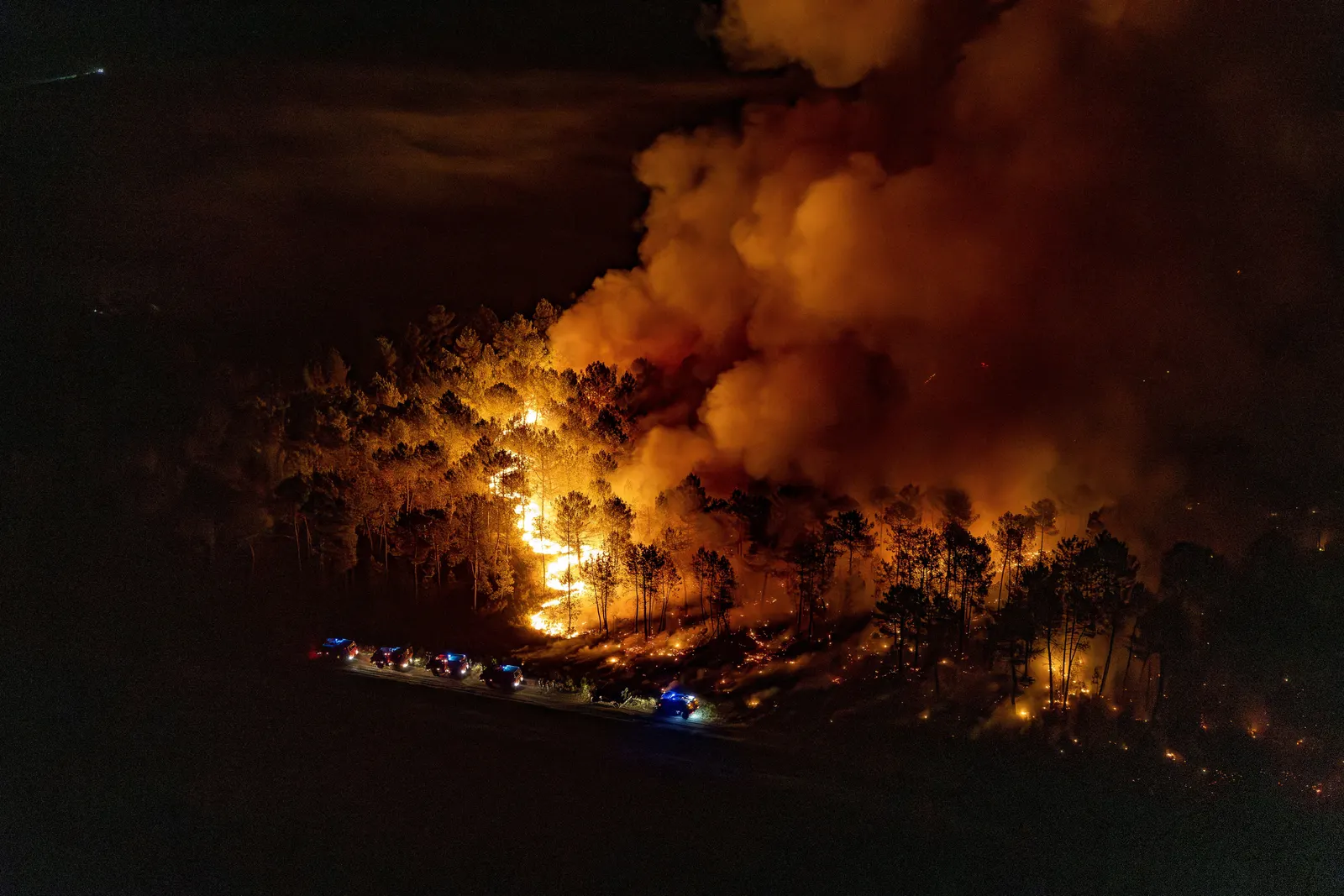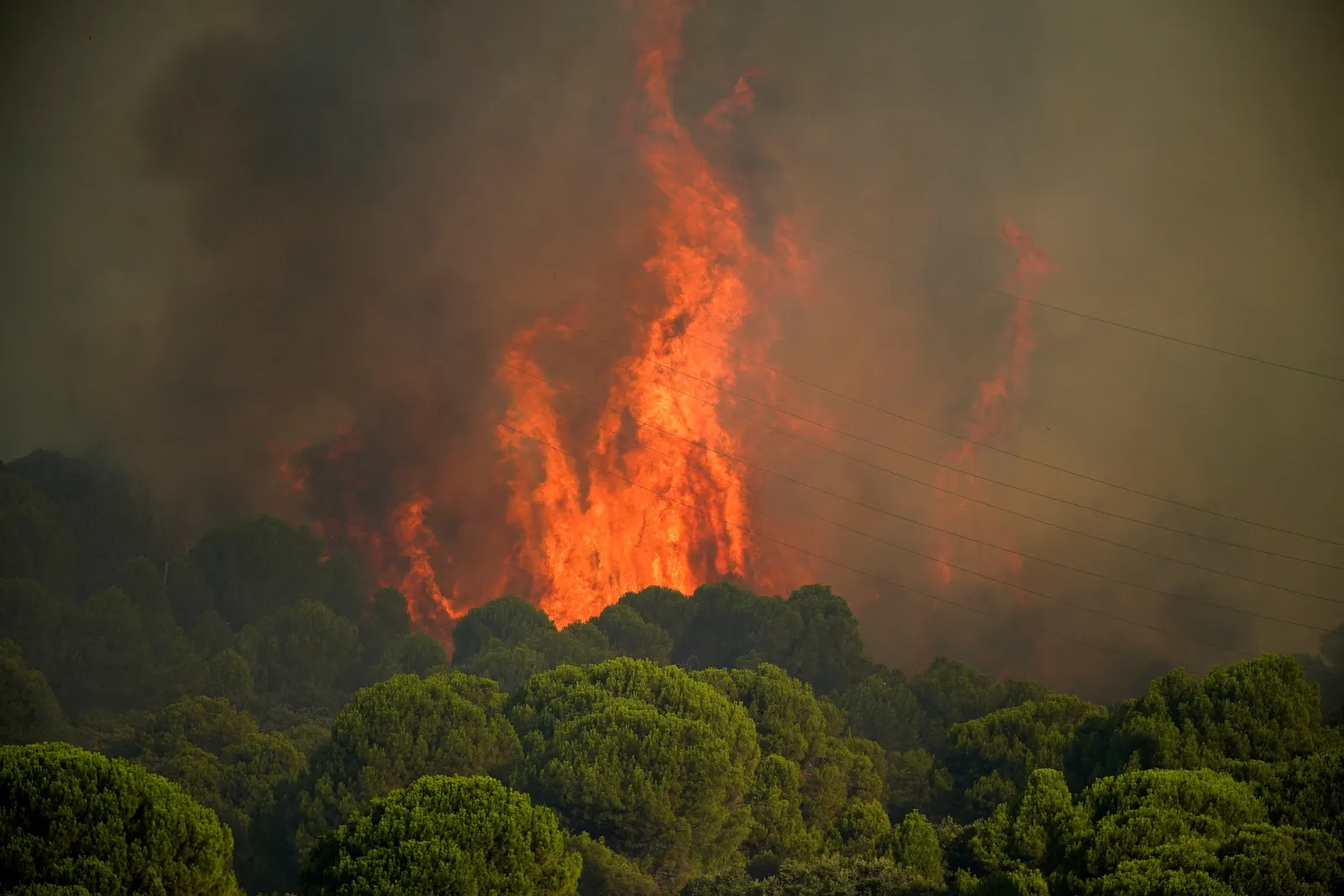
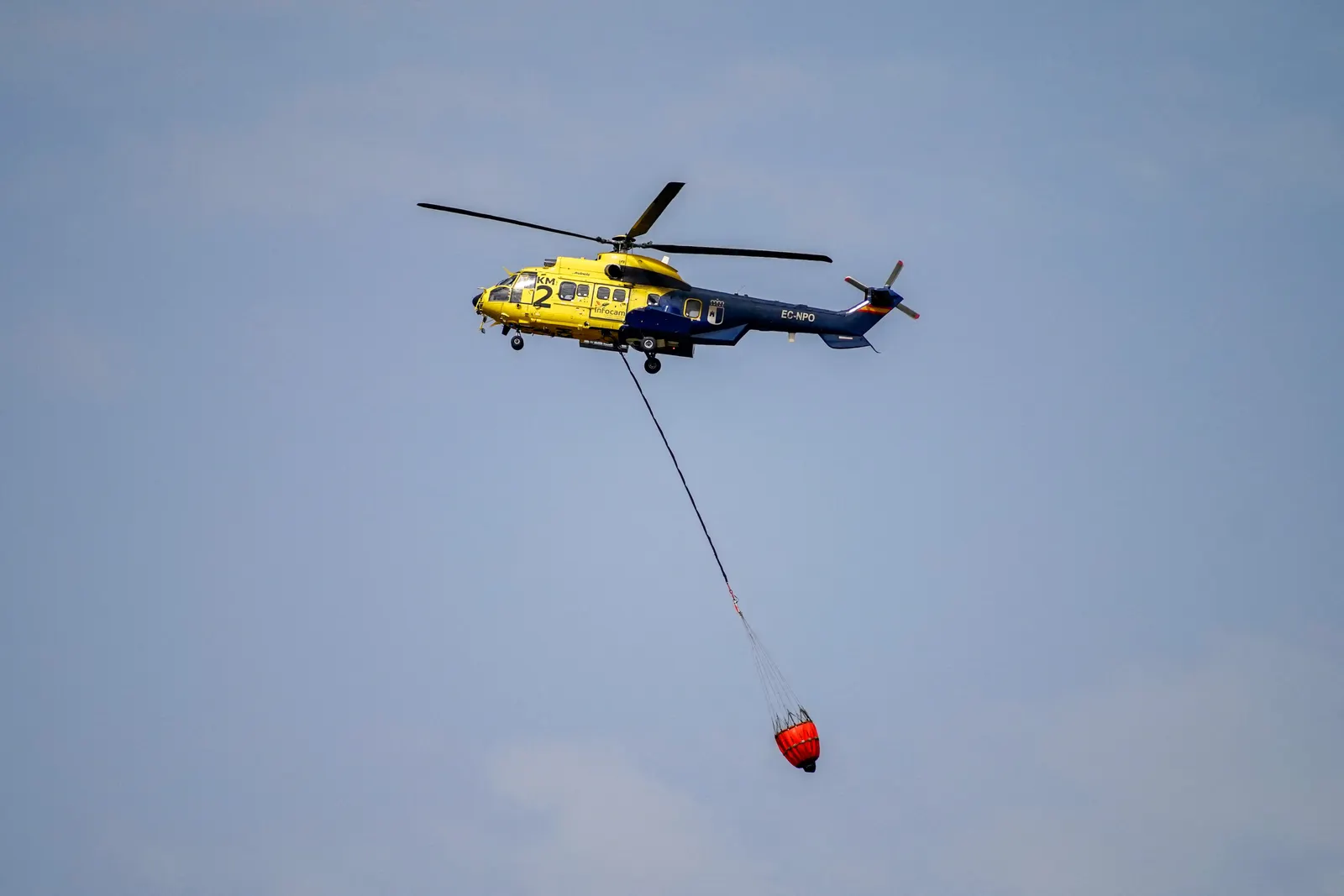
CONDEMIOS DE ABAJO, July 22 — Firefighters battled wildfires in Spain and France today, with the risk of more blazes very high across much of Spain even as a major fire raging in its central Guadalajara province receded, allowing some residents to return home.
In France, where two firefighters died yesterday as their truck was engulfed in flames in the southwest region of Gironde, authorities urged people to avoid using barbecues in areas hit by heatwaves, stressing that nine out of 10 wildfires start, accidentally or not, as a result of human activity.
Meanwhile, in the Western Balkans, the danger has shifted from heatwaves to hailstorms, with several people injured in North Macedonia and eastern Kosovo.
Europe is the world’s fastest-warming continent and scientists say human-driven climate change is increasing the intensity of heatwaves, droughts and wildfires, while also creating conditions for sudden, destructive storms.
The continent has endured three stifling, virtually back-to-back heatwaves so far this year. Intense heat has also been blamed for thousands of excess deaths in the May to June period.
The Reuters Climate Monitor, an interactive tool providing real-time data, showed the average high temperature across Western Europe is forecast to be 26.6ºC, which is three degrees above the normal high for July 22 in the period from 1961 to 1990.
Spanish wildfire
Spain’s worst wildfire so far this year has burned an estimated 32,000ha in the Guadalajara region. It started to stabilise yesterday after forcing evacuations in 34 municipalities and confinement orders in 14 others.
Castilla-La Mancha’s INFOCAM fire service said residents of five villages had been authorised to return, although other restrictions remained in place.
Visiting the region today, Prime Minister Pedro Sanchez said Spain had already suffered 22 major wildfires this year, with more than 100,000ha burnt nationwide.
“To put that into perspective, that is the annual average that Spain experienced over the past decade,” he said, adding that more must be done to prevent fires. “We must raise public awareness, and we must not trivialise the effects of the climate emergency.”
Spain’s weather agency AEMET said the danger of wildfires remains “very high or extreme” across most of mainland Spain and the Balearic Islands and was expected to increase further in the coming days.
It urged people to “exercise extreme caution” as the ongoing heatwave combines with dry thunderstorms and Saharan dust.
While temperatures will ease slightly in some areas tomorrow, a dry westerly wind is forecast to drive a fresh surge of heat in Mediterranean regions, where highs of 42ºC to 44ºC could be recorded in some areas.
A marked cooldown is expected from Friday. However, the respite may be brief. Temperatures are forecast to rise again from Sunday, and intense heat could return across much of Spain early next week.
France fires
In France, less severe temperatures and lighter winds aided efforts to fight a wildfire that has burned 2,500ha in the southeastern Var area, damaged dozens of homes and forced 400 people to flee their homes, local authorities said.
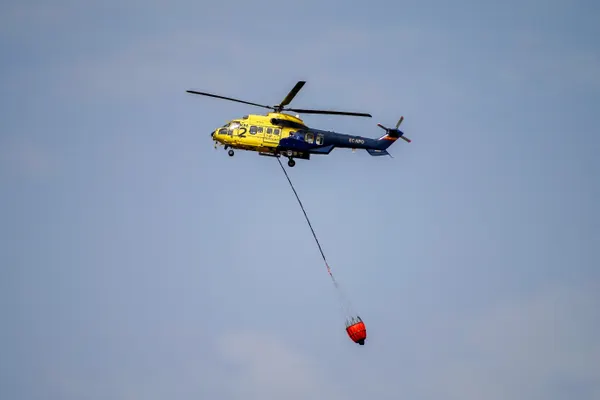
At 7am (0500 GMT), helicopters resumed dropping water on the Var wildfire, which is still active.
“The situation has been very difficult. Some 1,100 firefighters fought all night,” Commander William Vogl, a spokesperson for the Var firefighters, said on RMC radio. The fire is not yet contained but winds should be “more favourable” today, he said.
Prefect Simon Babre said barbecues were banned, and he also asked municipalities to cancel any plans for traditional summer fireworks.
Officials said another fire is raging in the Hautes-Alpes, also in southeastern France.
Heat and storms
In Greece, with temperatures forecast to top 41ºC, authorities have banned outdoor work at peak midday sun. In Cyprus, which is also used to high summer temperatures, working outdoors was banned during afternoon hours today.
In Skopje, capital of North Macedonia, 11 people were admitted to hospital, three of them with serious injuries, after a storm yesterday night felled trees, damaged roofs and caused power outages across the Balkan country, local media reported.
Roads are blocked and some towns have been left without electricity and water.
In Kosovo, the Hydrometeorological Institute said more storms were expected today and warned of possible lightning strikes, damage to the electricity network, power outages, flooding and property damage.
Local media showed roofs being blown away, torrential rain and residents covering their cars with blankets yesterday to protect them from hail.