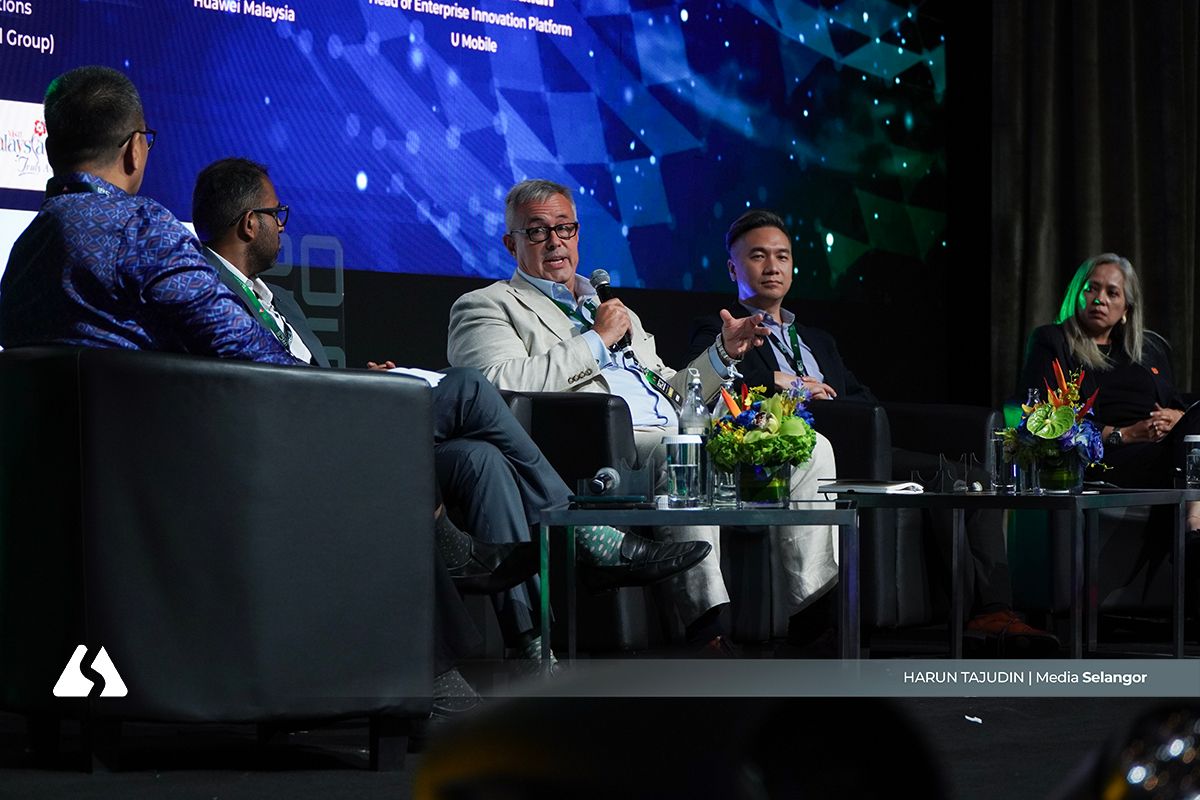
KUALA LUMPUR, July 22 — The Health Ministry (MOH) aims to develop a fully digital, patient-centred healthcare system in the next five to 10 years, with shared Electronic Medical Records (EMR) to boost accessibility to patient health information across facilities, said ministry Digital Health Division deputy director Dr Vivek Jason Jayaraj.
He said the transformation would move Malaysia’s healthcare system away from fragmented care towards a connected ecosystem that centres patients, adding that despite Malaysia starting its healthcare digitalisation journey 40 years ago, only about 10 per cent of the public healthcare ecosystem has been brought online.
“(We are) moving away from episodic, siloed and fragmented interactions with the health system towards one where the patient is (at the centre).
“The MOH first adopted a digital solution 40 years ago in a (government) hospital. We had this ambitious project to digitalise all our hospitals.
“Twenty-five years later, we look back and see there have been many challenges that have (resulted) in only about 10 per cent of our ecosystem being somewhat digital,” he said when speaking as a panellist at the Innovation Driven Autonomous Ecosystems and Industry Transformation Dialogue today.
The dialogue was held in conjunction with the International Regulatory Conference (IRC) at Shangri-La Hotel here.
Dr Vivek said nearly 500 clinics have digitalised over the past two years, while another 20 hospitals are expected to follow this year.
He added that the priority is to establish the foundation for a connected healthcare system, including medical digital records, laboratory services and radiology systems.
“Over the next five years, what you will see is when you walk into a clinic or hospital, doctors will be (using) digital systems. Wherever patients go, their records move with them,” he explained.
Balanced regulatory approach needed
Meanwhile, Cloud Solutions head of international development Joseph Walker-Cousins said Saudi Arabia’s experience showed that successful digital healthcare transformation requires collaboration between regulators, technology providers and healthcare operators.
He pointed out that Saudi Arabia has digitised more than 100 hospitals, enabling patients to access healthcare records, telemedicine services and health monitoring tools through digital platforms.
When asked about artificial intelligence (AI) adoption, Walker-Cousins said technology should empower healthcare professionals rather than replace human judgement.
“If an AI makes a mistake and people’s lives are at stake, you cannot fire an AI agent, but you can a physician. The physician, the human being, is always responsible for the delivery of care.”
He also called for a balanced regulatory approach, highlighting that excessive rules could slow innovation.
Echoing Walker-Cousins, Dr Vivek said MOH is taking a similar approach by developing standards and digital infrastructure that allow innovators to build solutions within a trusted framework.
He said healthcare remains centred on human interaction despite technological advances, adding that AI should support rather than replace doctors, adding: “Healthcare is very much a transaction between two people.”