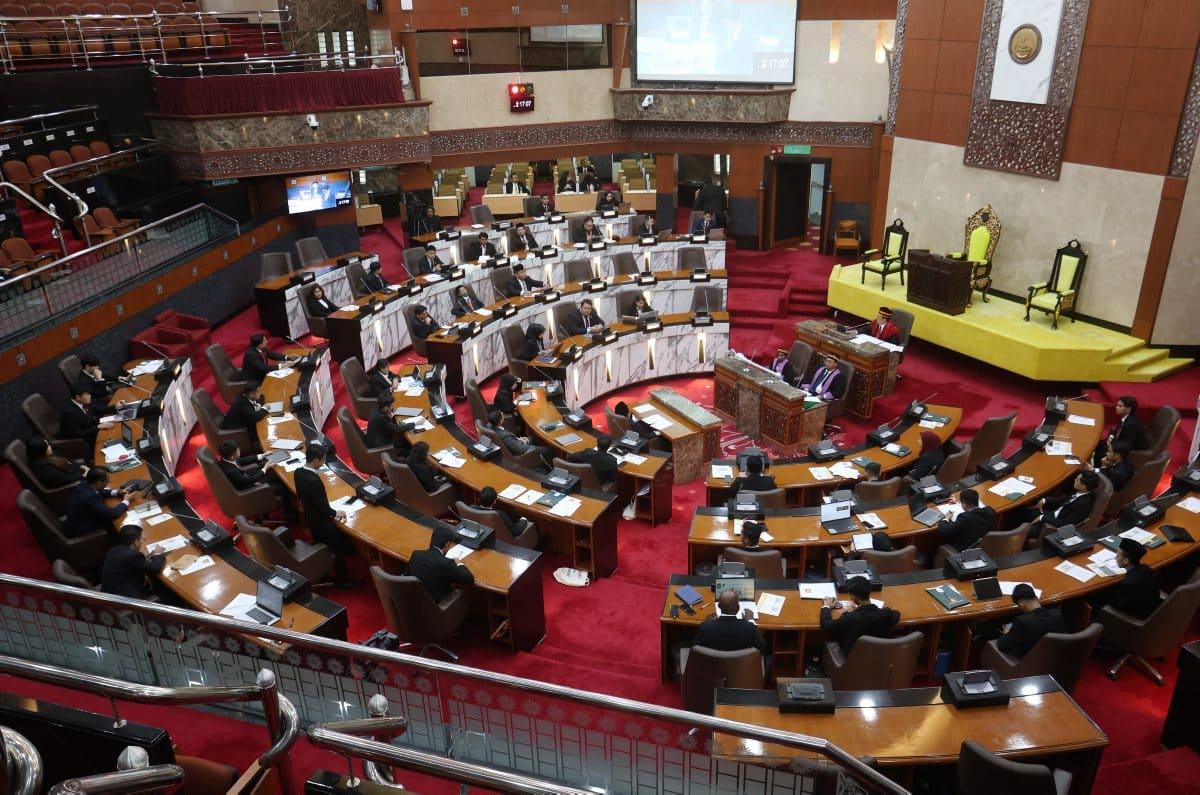
SHAH ALAM, July 22 — On July 2, the Selangor State Legislative Assembly (DNS) once again became a platform for debate. This time, however, the chamber was not filled with elected representatives chosen through the democratic process.
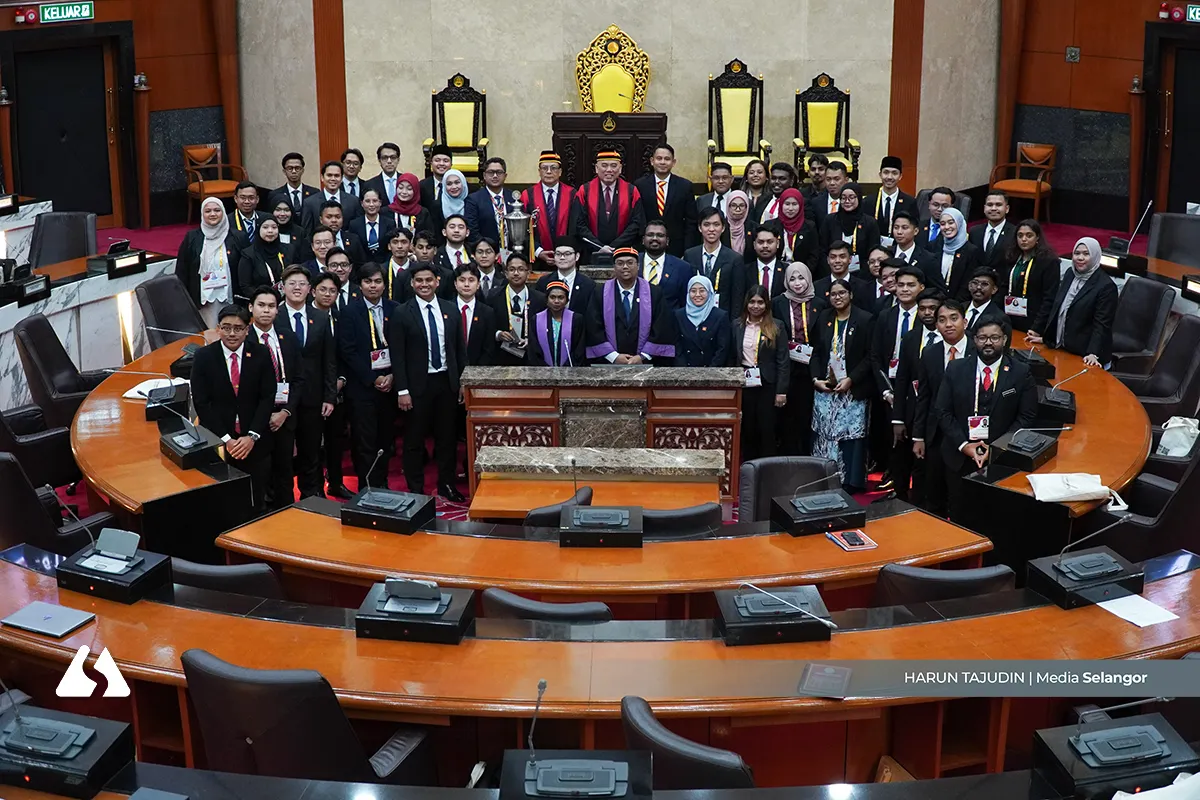
Instead, 56 young people from various backgrounds took their seats as participants in the Ahli Dewan Negeri (ADN) Muda Selangor programme.
Among them, 39 participants were aged between 18 and 24, 12 were aged 25 to 30, and five were between 31 and 35, in line with the definition of youth under the Malaysian Youth Act.
At first glance, the atmosphere of the mock sitting was little different from an actual assembly session. The participants carried the voices of young people, putting forward ideas aimed at addressing their aspirations.
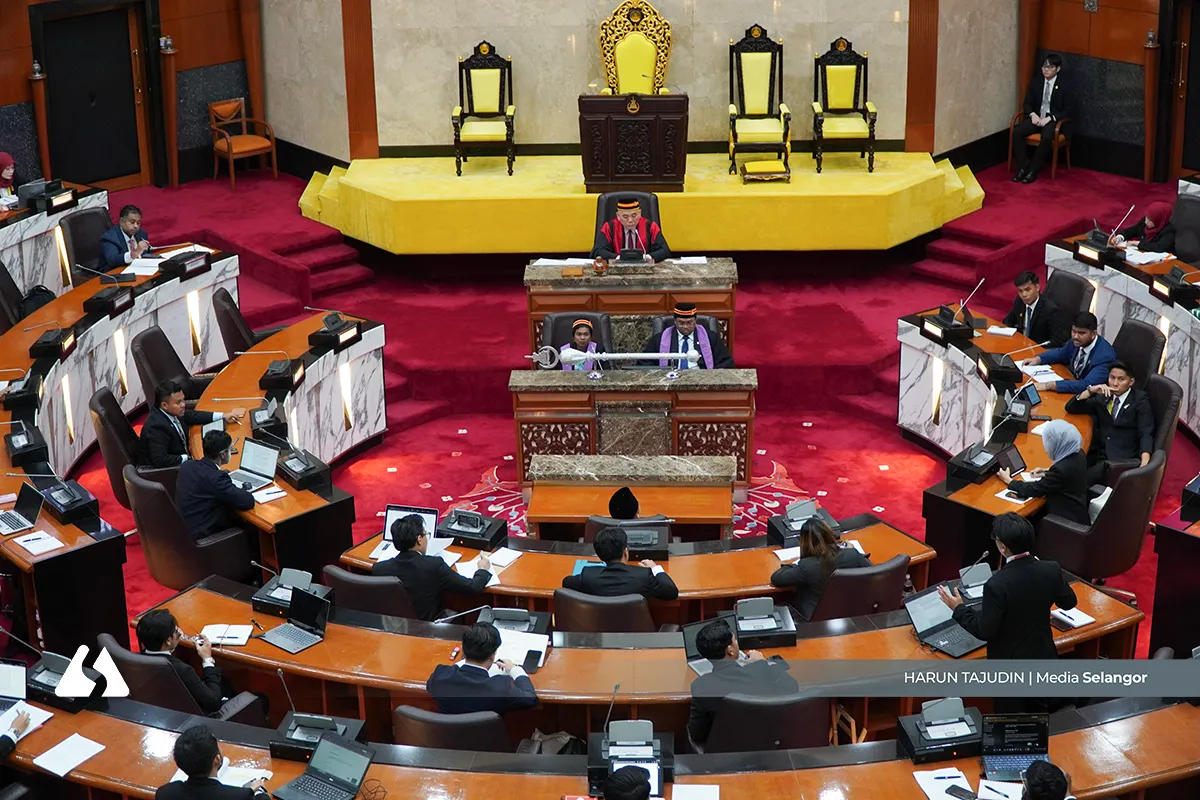
The sitting began at 10 am with a prayer, followed by the order of business read by the assembly secretary. Selangor assembly speaker Lau Weng San then took his seat.
This time, however, he addressed participants using the term Yang Berkhidmat instead of Yang Berhormat, which is typically reserved for elected representatives during actual proceedings.
The first motion, on youth co-living housing, was tabled by ADN Muda Kampung Tunku representative Muhammad Harith Darwish Nor Mali. The chamber, initially calm, soon turned into a lively forum for exchanging ideas.
One by one, the participants rose to speak. Although some appeared hesitant at first, their confidence grew as they presented facts, statistics and proposals in a more structured manner.
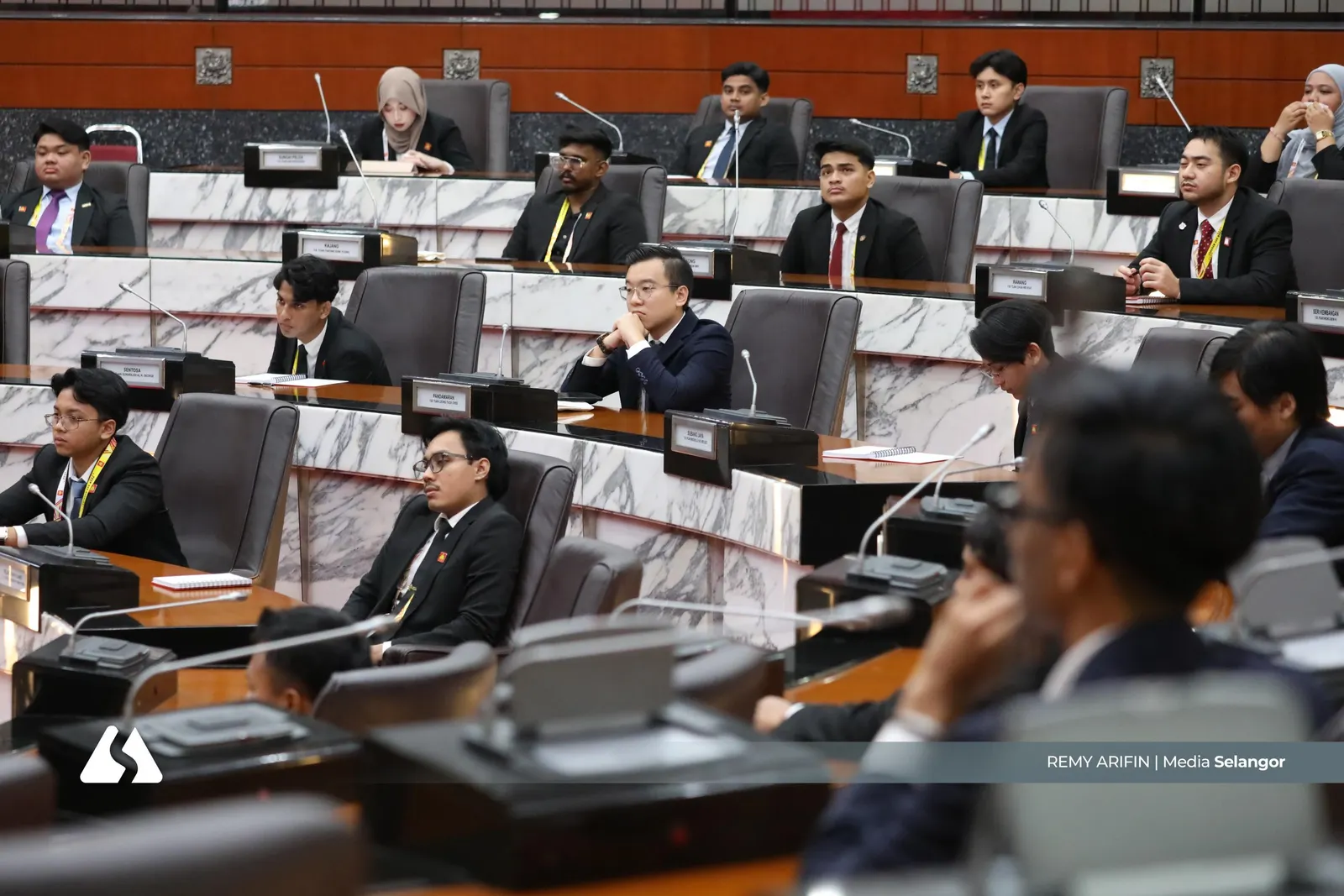
Interjections echoed through the chamber, mirroring the atmosphere of a real sitting. Some defended their positions, while others challenged opposing arguments. Nevertheless, the debate remained respectful.
The fact that most participants were not affiliated with any political party also contributed to more neutral, idea-driven discussions free from partisan leanings.
Four motions took centre stage, all closely related to the realities faced by young people. The morning session focused on youth co-living housing and legal awareness among youths, while the afternoon debates centred on mobility and urban safety, as well as mental health.
As the day progressed, the discussions became increasingly animated, with the mental health motion attracting the greatest attention. Many “YBs” shared their views and proposals on strengthening support for young people.
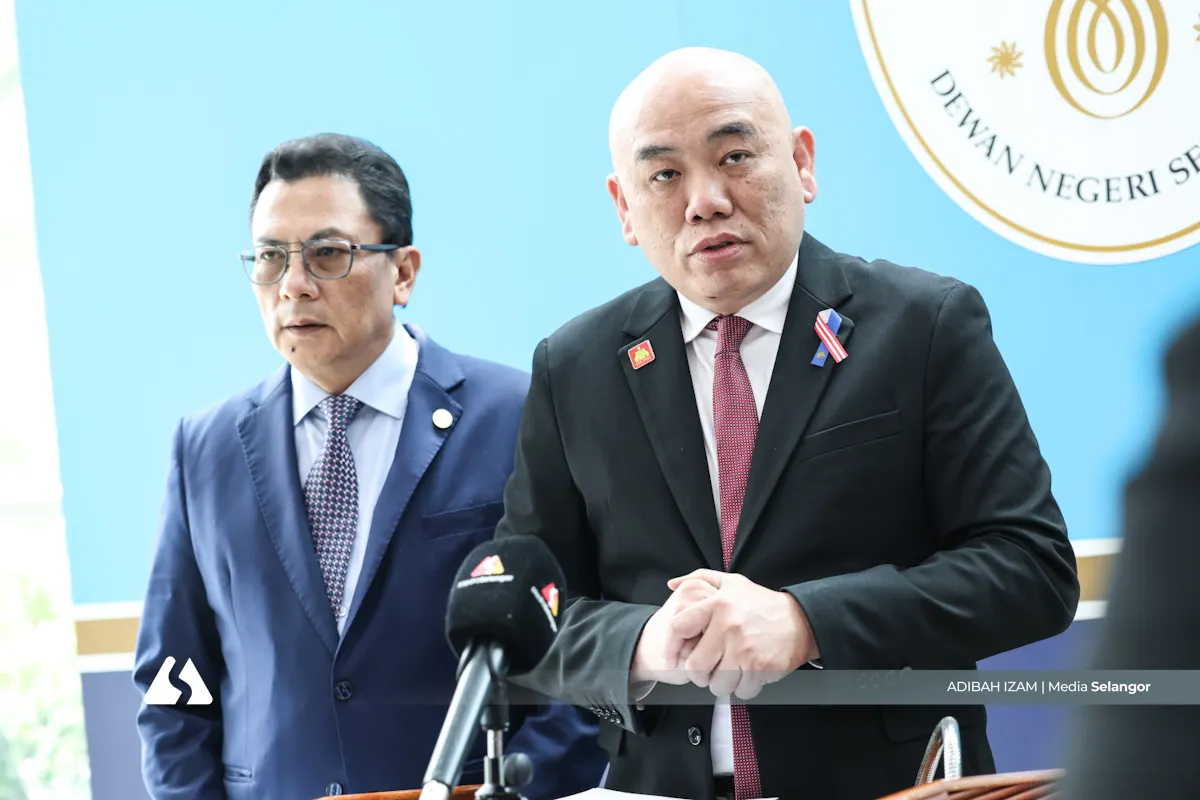
“We witnessed a rather heated atmosphere when ADN Muda debated the motion on mental health. There were differences of opinion and moments of intense discussion,” Weng San said.
Despite the spirited exchanges, the debate continued without incident. Weng San described the overall quality of this year’s discussions as a marked improvement over previous editions.
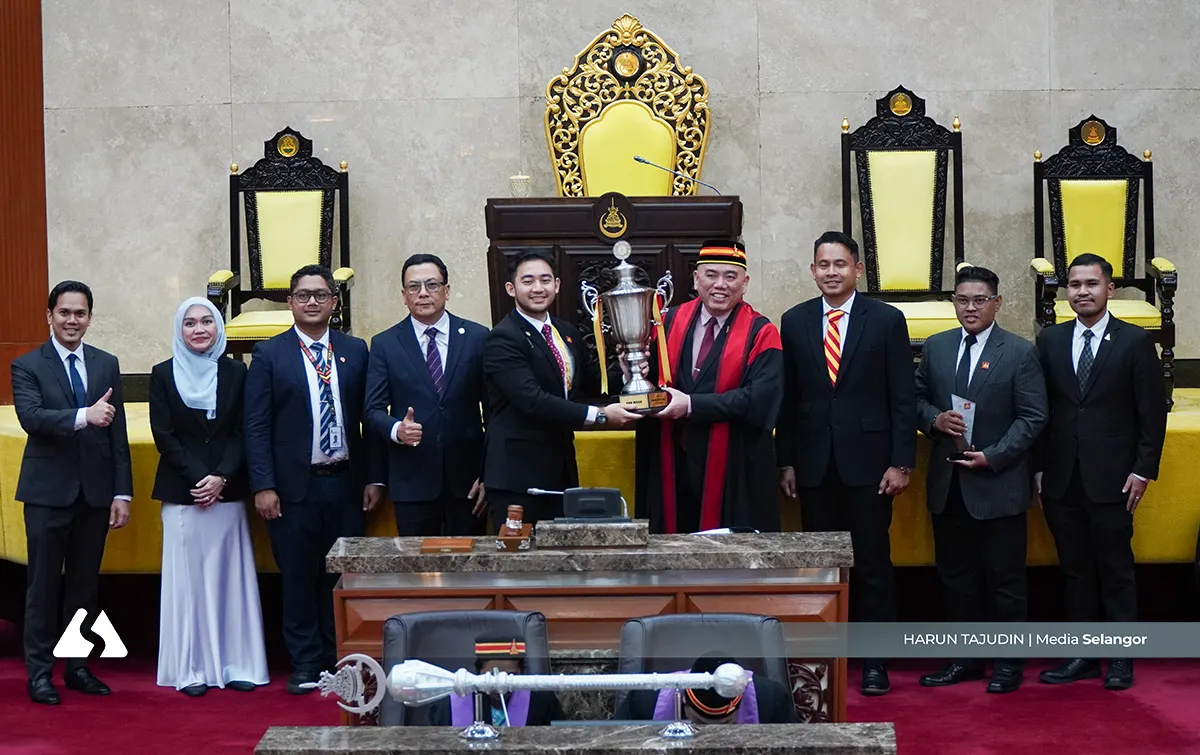
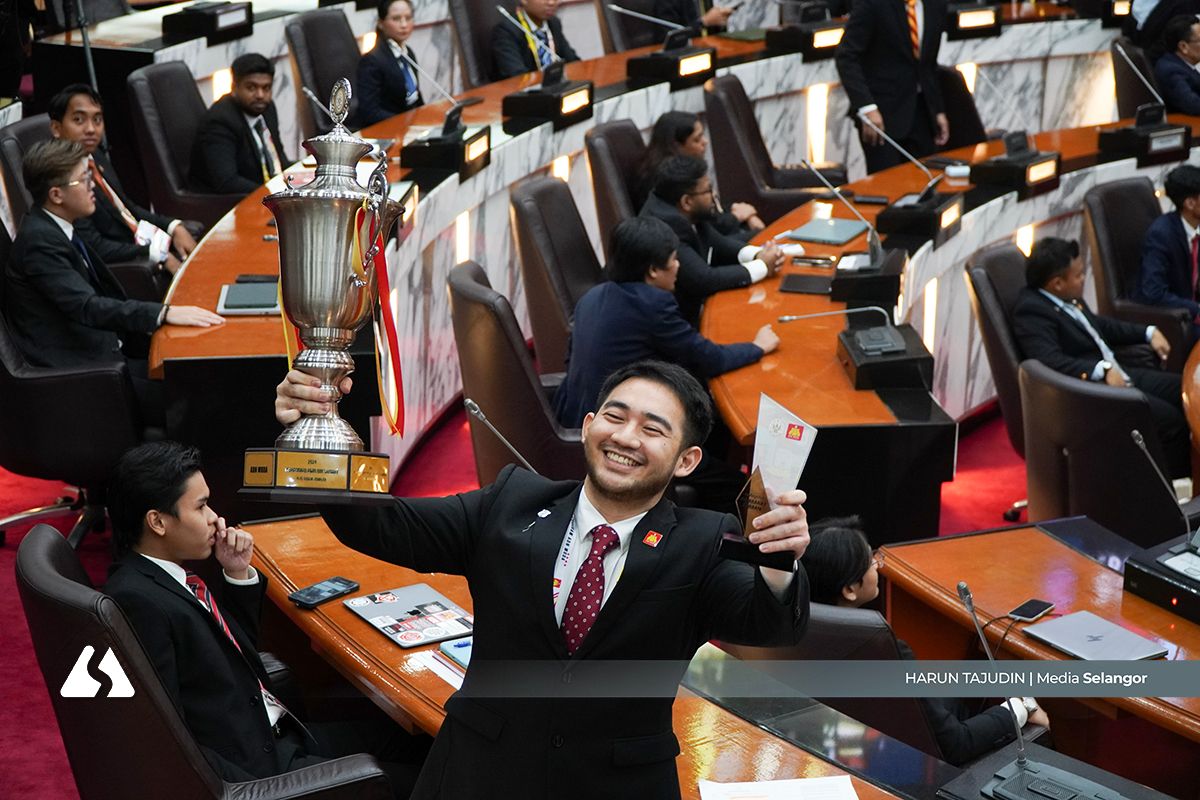
Following the debates, participants voted to determine the motion that received the strongest support. The proposal on mobility transformation and urban safety emerged as the winner with 22 votes.
The motion will now be brought before the actual DNS sitting scheduled for August, where it will be tabled by a state assemblyman. This means the ideas debated by ADN Muda participants will not end with the simulation, but will instead be carried into the real legislative arena with the potential to shape state policy.

The programme has previously produced elected representatives, including Kota Damansara assemblyman Izuan Kasim. He, too, was impressed by the participants’ maturity and their ability to present arguments backed by facts and data.
Izuan said the improvement reflected the programme’s success in exposing young people to the democratic process, policymaking and legislative proceedings.
“Participants gain direct exposure to how policies are discussed, debated and decided, helping to deepen their understanding of the state’s administrative and legislative systems,” he said, while encouraging more young people to join the programme in the future.