
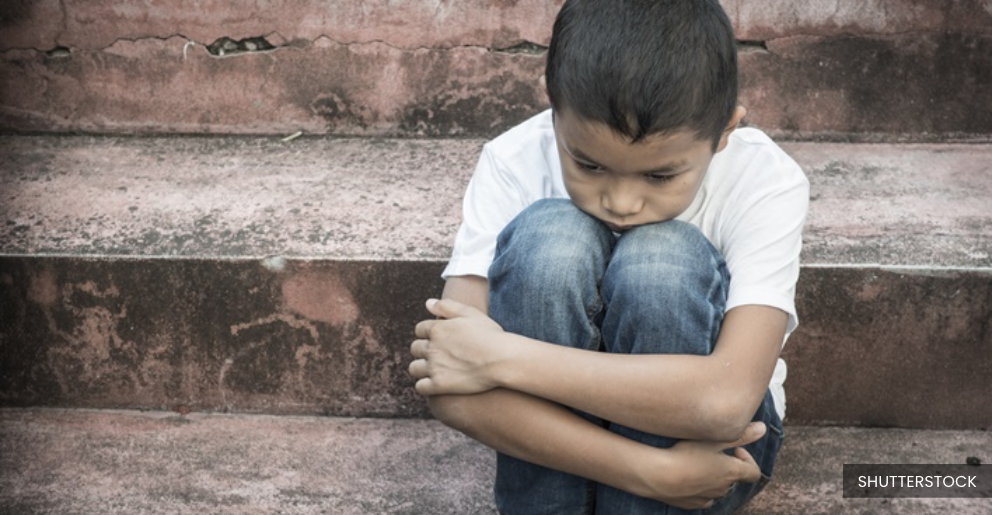
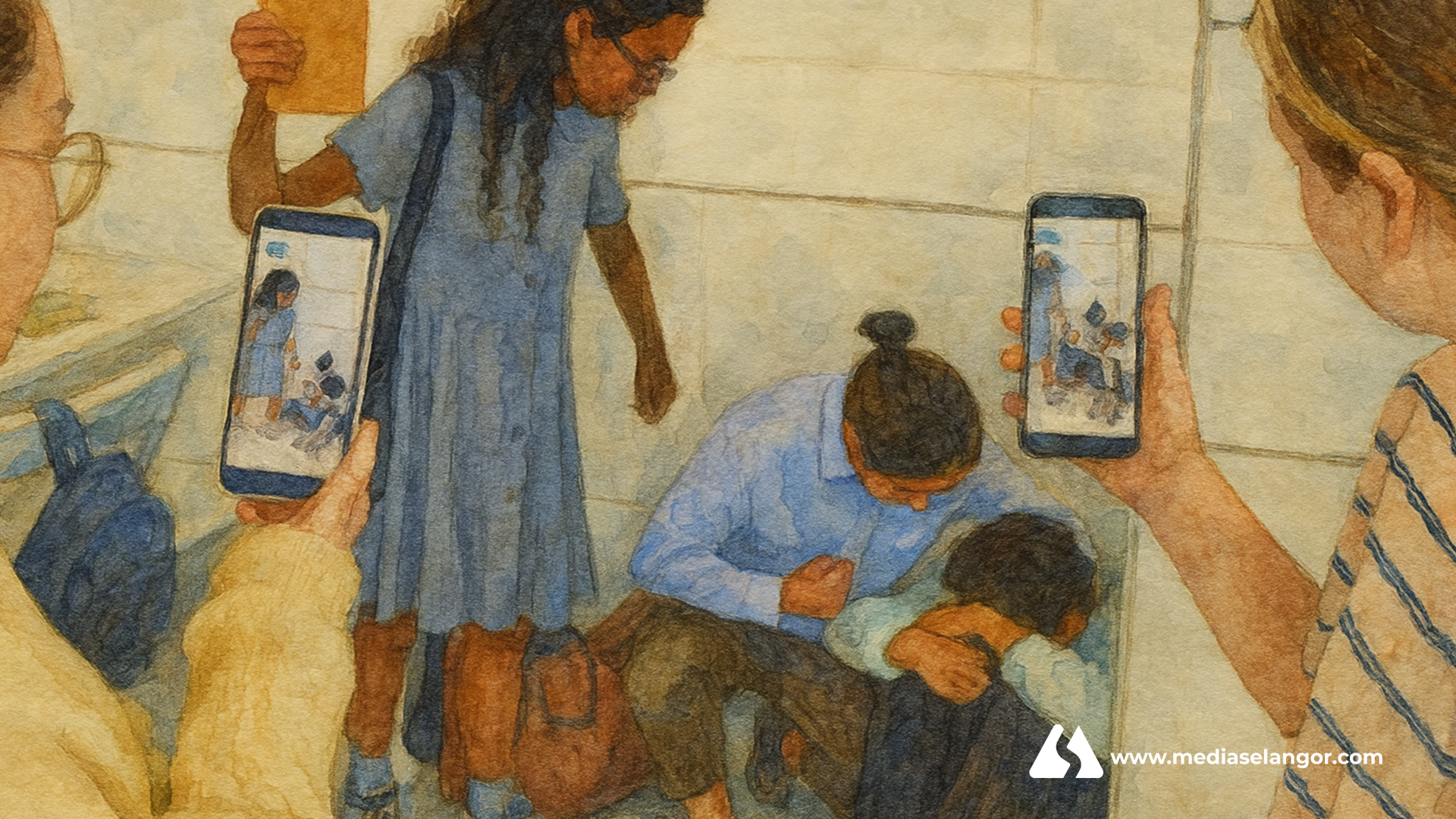


SHAH ALAM, July 21 — The mental health of students must be taken seriously by parents, schools, and the wider community to prevent tragic incidents such as the recent case in Banting from recurring.
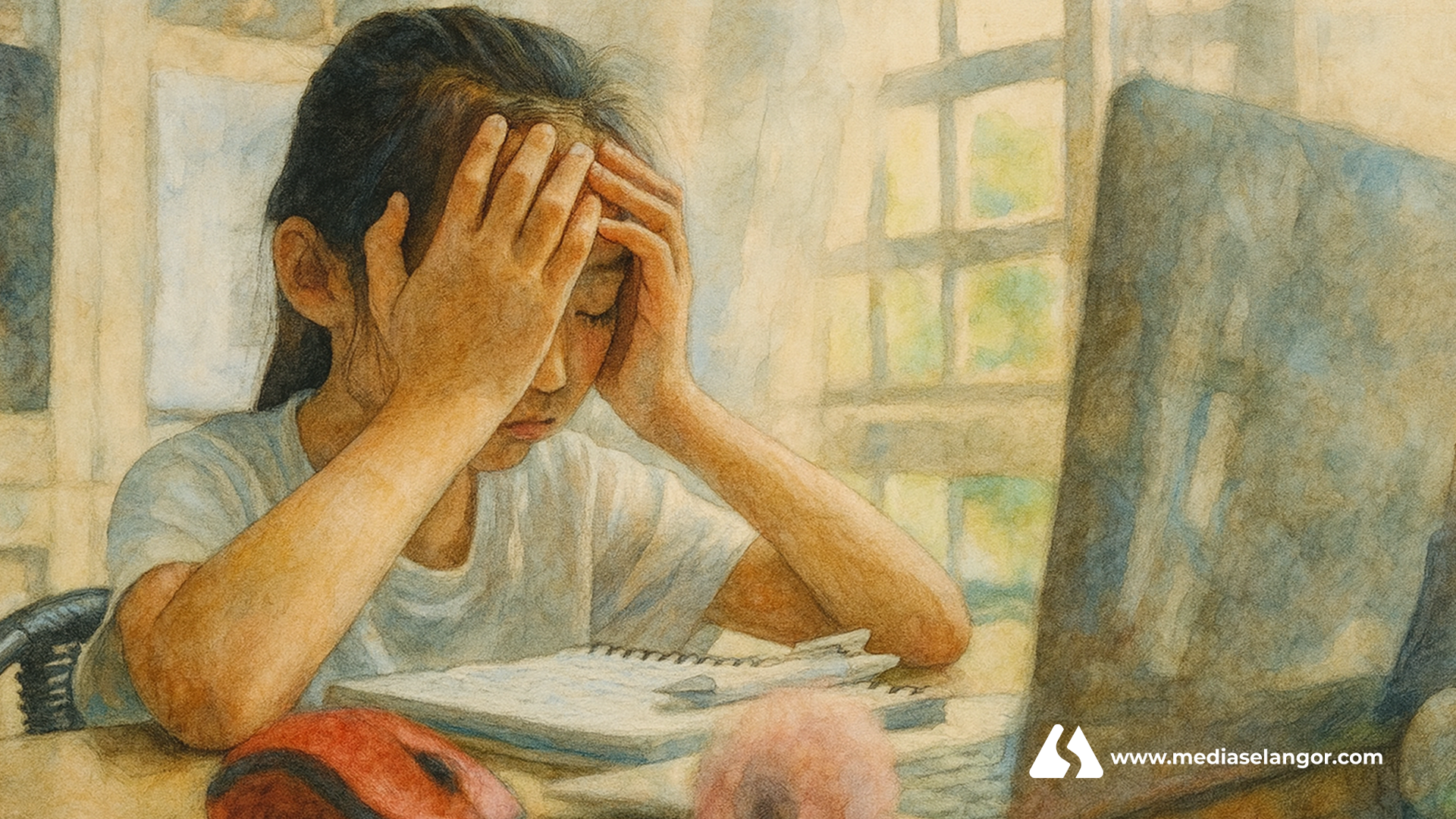
Psychologist Dr Lavanya Pillai said that students today face a vastly different environment from previous generations, with challenges ranging from academic pressure and parental expectations to the influence of social media.
These multiple sources of pressure could have a significant impact on students' mental well-being if left unaddressed.
"In the past, students did not face the same challenges they do today. Now, they not only have to study hard, but also cope with pressure from their parents, schools and social media.
"All of these factors can affect their mental health," she told Media Selangor, adding that many parents still fail to recognise that mental health is just as important as physical health in a child's development.
""Many parents still think that if their child appears physically healthy, everything is fine. In reality, mental health is equally important.
"When children are under pressure, it can affect their emotions, behaviour, and performance at school," Dr Lavanya said.
She also urged parents to avoid comparing their children with others, emphasising that every child has different strengths and abilities.
"Do not compare your child with someone else's. Every child has their own strengths.
"Constant comparisons can make them feel inadequate and place unnecessary pressure on themselves," Dr Lavanya said.
The expert cautioned that prolonged stress could drive students to act in unexpected ways, potentially leading to tragic incidents such as the one in Banting.
As such, she urged parents to closely monitor their children's overall well-being, including their use of social media.
"Parents need to be more attentive. If your child suddenly becomes withdrawn, irritable, loses interest in studying, or begins isolating themselves, do not dismiss it as normal.
"Pay attention and seek help as soon as possible," Dr Lavanya said, emphasising that work commitments should never be used as an excuse to neglect relationships with children.
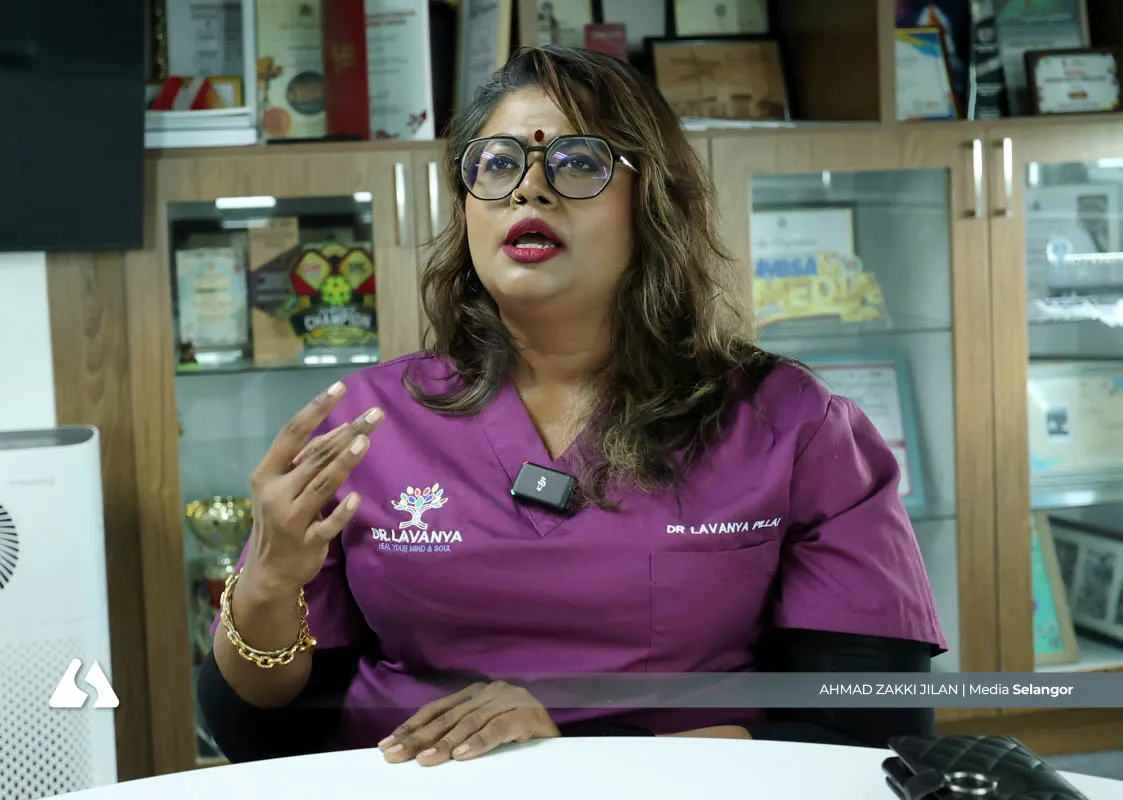
"Even if you are busy with work, make time to talk to your children every day. Sometimes they do not need lengthy advice; they simply need someone willing to listen," she said.
Healthy family communication helps children feel safe enough to share the problems they are facing.
"When children have a close relationship with their parents, they are more comfortable opening up when they have problems. That allows parents to step in before the situation becomes more serious.
"When parents are too busy, children can feel lonely. They still need someone to talk to and share their feelings with.
"If they do not receive enough attention at home, they may begin seeking others to communicate with, including on social media. Unfortunately, not everyone on social media has good intentions.
"Some may influence them negatively or take advantage of their vulnerability," Dr Lavanya said.
Besides parents, schools also play a crucial role in safeguarding students' mental well-being.
"Teachers need to be alert to changes in students' behaviour. If a student is frequently isolating themselves, being bullied, or displaying significant behavioural changes, they should be referred immediately to the school's guidance and counselling teacher so that early intervention can be provided," she said.
Addressing students who are experiencing mental distress but are afraid to speak up, Dr Lavanya encouraged them to seek help from someone they trust.
"Do not keep it to yourself, and do not rely on social media as your main outlet for expressing your problems.
"It is far better to speak to your parents, teachers, siblings, a psychologist, or contact a mental health helpline. They can provide the right support and assistance," she said.
Seeking help early can reduce stress, improve emotional regulation, and enhance students' concentration, focus, and academic performance.
"No one should have to face these challenges alone. There will always be someone willing to listen and help.
"The important thing is to have the courage to speak up and seek support," Dr Lavanya said.