
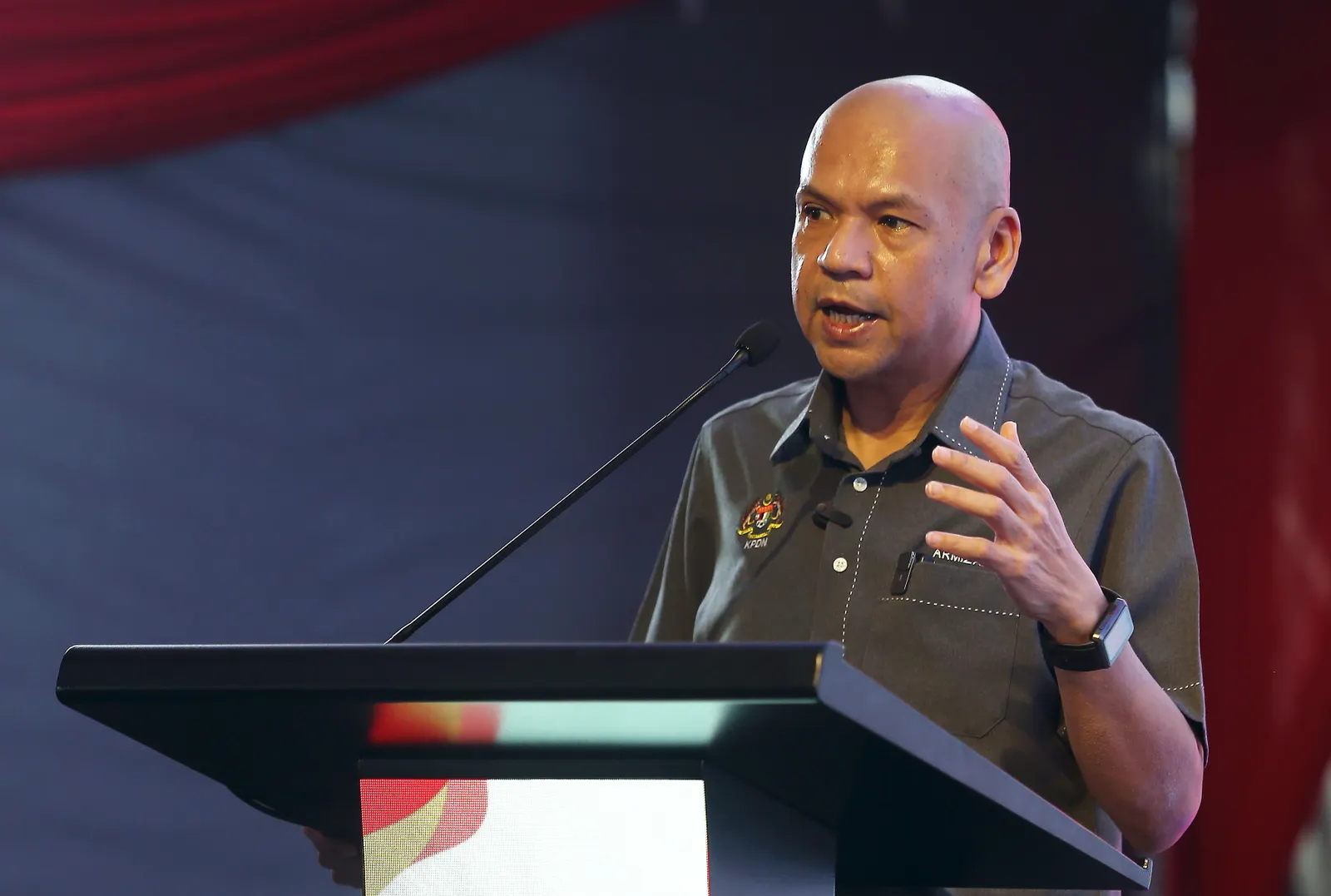
LABUAN, July 19 — Approximately 172,955 companies involving 464,797 vehicles have registered under the Subsidised Diesel Control System (SKDS) nationwide as of July 18, said Domestic Trade and Cost of Living Minister Datuk Armizan Mohd Ali.
He said that 28,127 companies involving 68,669 vehicles were registered in Sabah, Sarawak, and the Labuan Federal Territory following the expansion of the targeted diesel subsidy mechanism to the three regions on July 1.
Of the total, 18,770 companies with 51,679 vehicles were registered under the land transport sector for consumer goods, while 7,241 companies involving 13,557 vehicles were registered under the company-owned land transport sector covering jeeps and pickup trucks.
Another 2,116 companies, involving 3,433 vehicles, were registered in the public land transport sector.
“The continued increase in registrations reflects encouraging progress in the implementation of SKDS in Sabah, Sarawak, and Labuan.
“For companies that have been successfully registered and approved under SKDS, the next step is to apply for a fleet card from the participating oil companies,” he said during a media conference after the SKDS fleet card presentation ceremony at Kampung Patau-Patau 2 today.
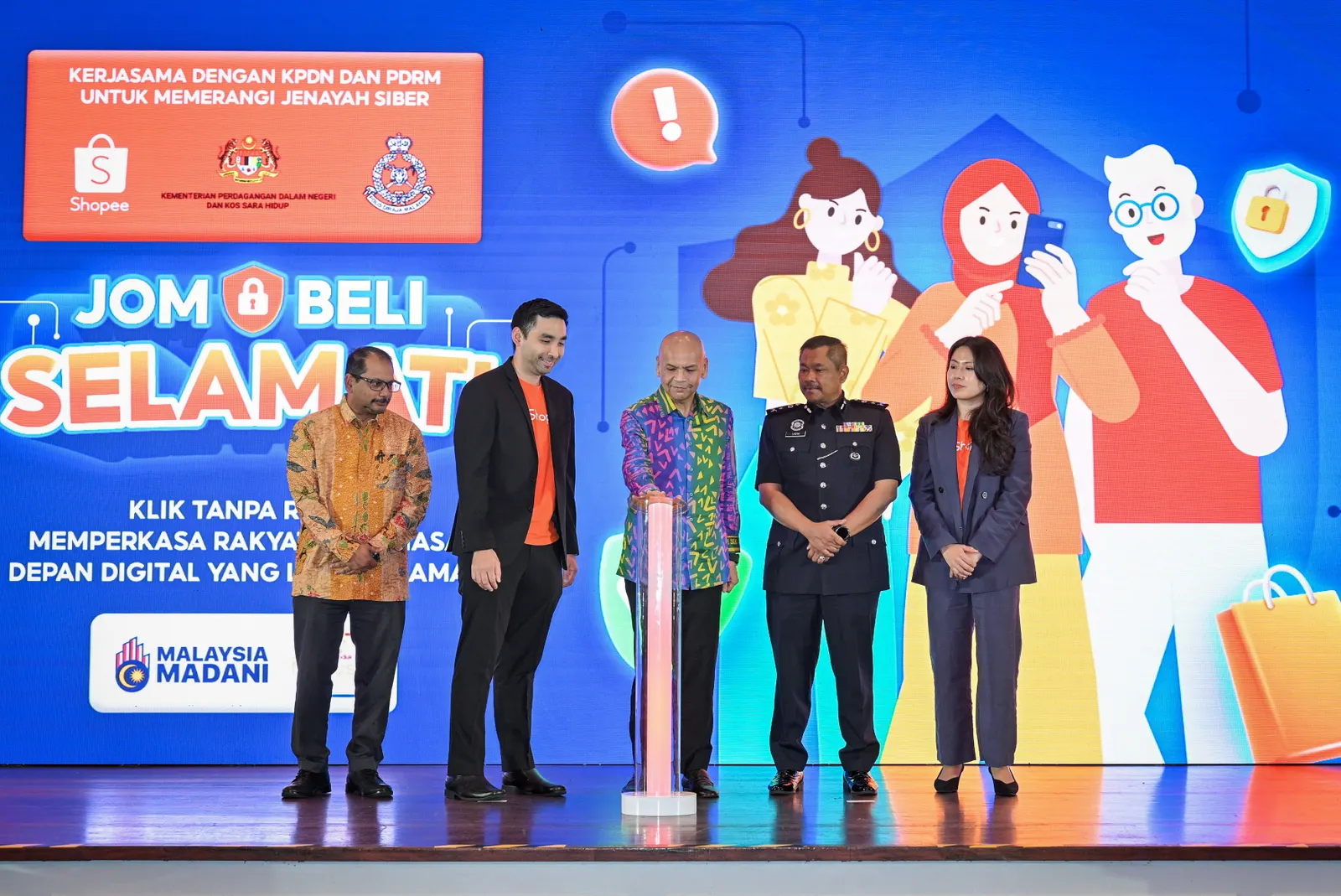
Earlier, representatives of the three participating fuel companies: PETRONAS, Shell, and Petron, accompanied Armizan in presenting the fleet cards to eligible companies in Labuan.
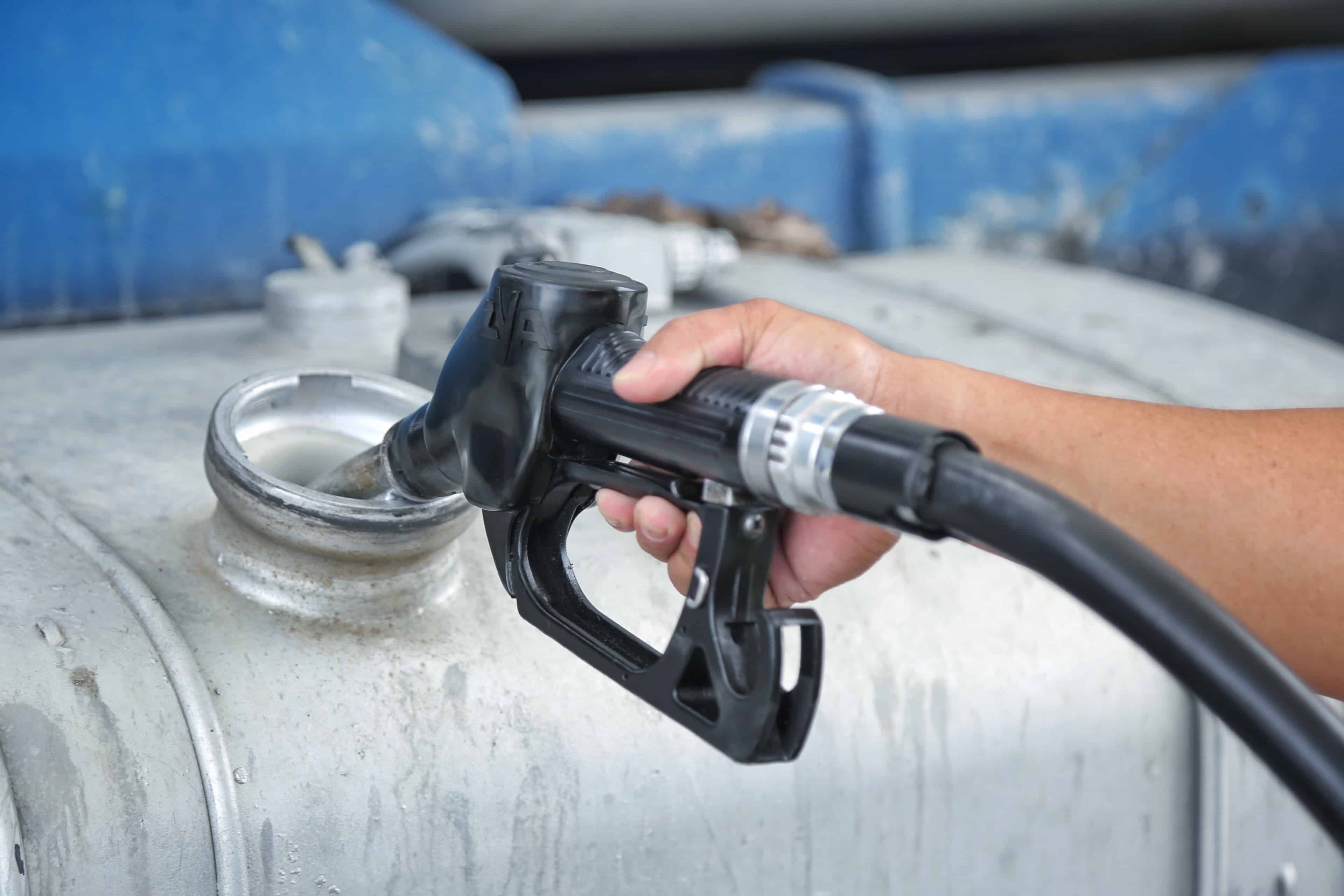
The minister added that the use of fleet cards allowed every subsidised diesel purchase transaction to be digitally recorded, thereby strengthening monitoring, reducing the risk of leakages and ensuring the subsidy benefited the intended groups.
Armizan urged eligible companies that had not yet registered under SKDS to submit their applications through the MySubsidi portal.
Applications for SKDS in Sabah, Sarawak, and Labuan were opened on May 4, ahead of the implementation of the targeted diesel subsidy mechanism in the three regions.
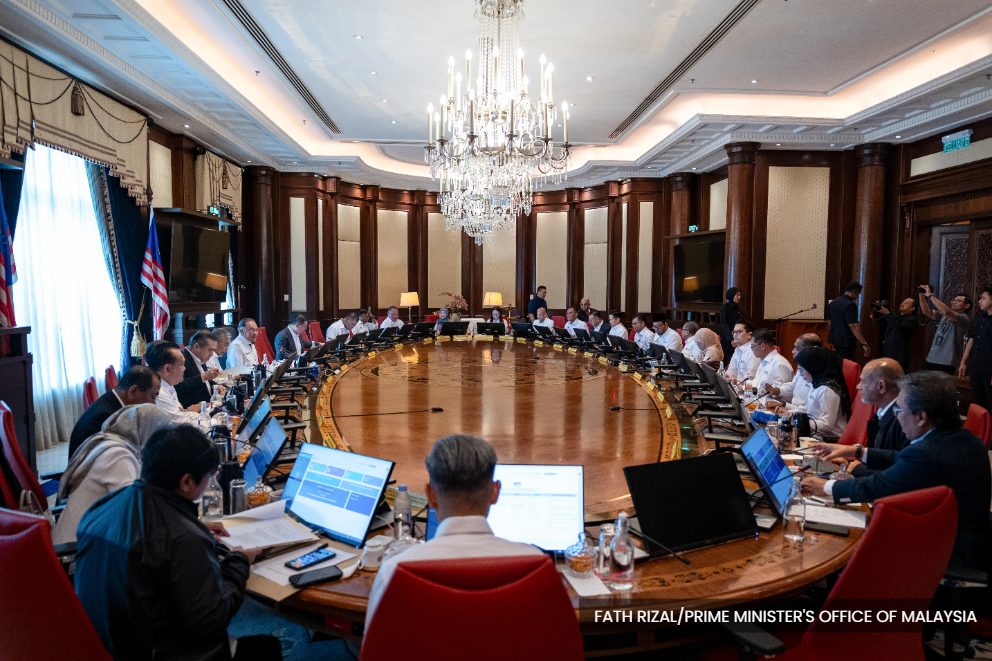
He said the ministry is also holding discussions with the Finance Ministry to examine proposals to improve SKDS based on implementation experience, industry feedback and operational issues.
Engagement sessions with the Sabah and Sarawak state governments would continue to ensure that operational requirements on the ground were considered without compromising the objectives of subsidy targeting and efforts to curb leakages.