

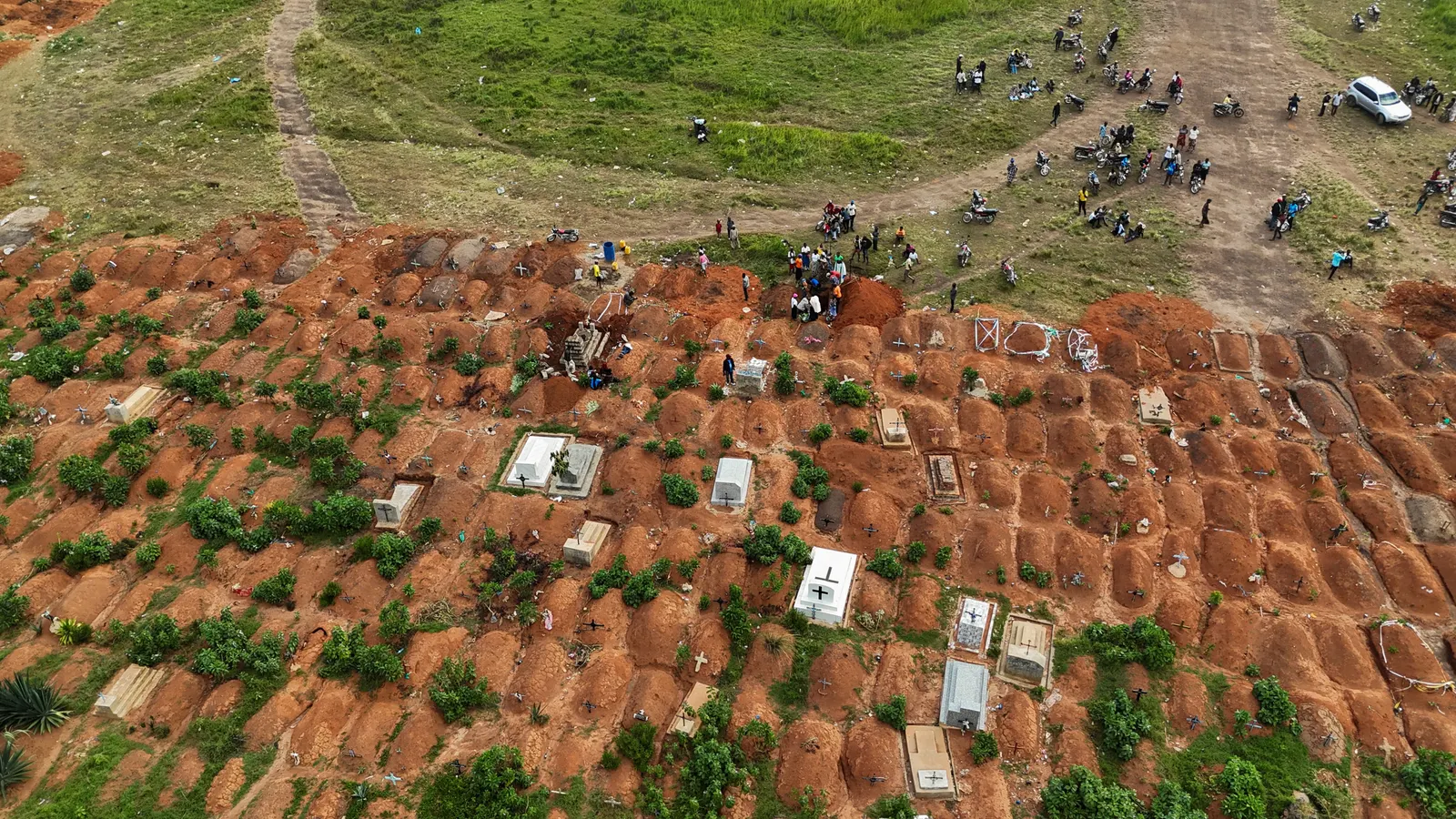
KINSHASA, July 17 — The Ebola outbreak in the Democratic Republic of the Congo (DRC) has exceeded 2,100 confirmed cases and remains the fastest-growing epidemic of its kind on record, the World Health Organisation (WHO) said on Thursday.
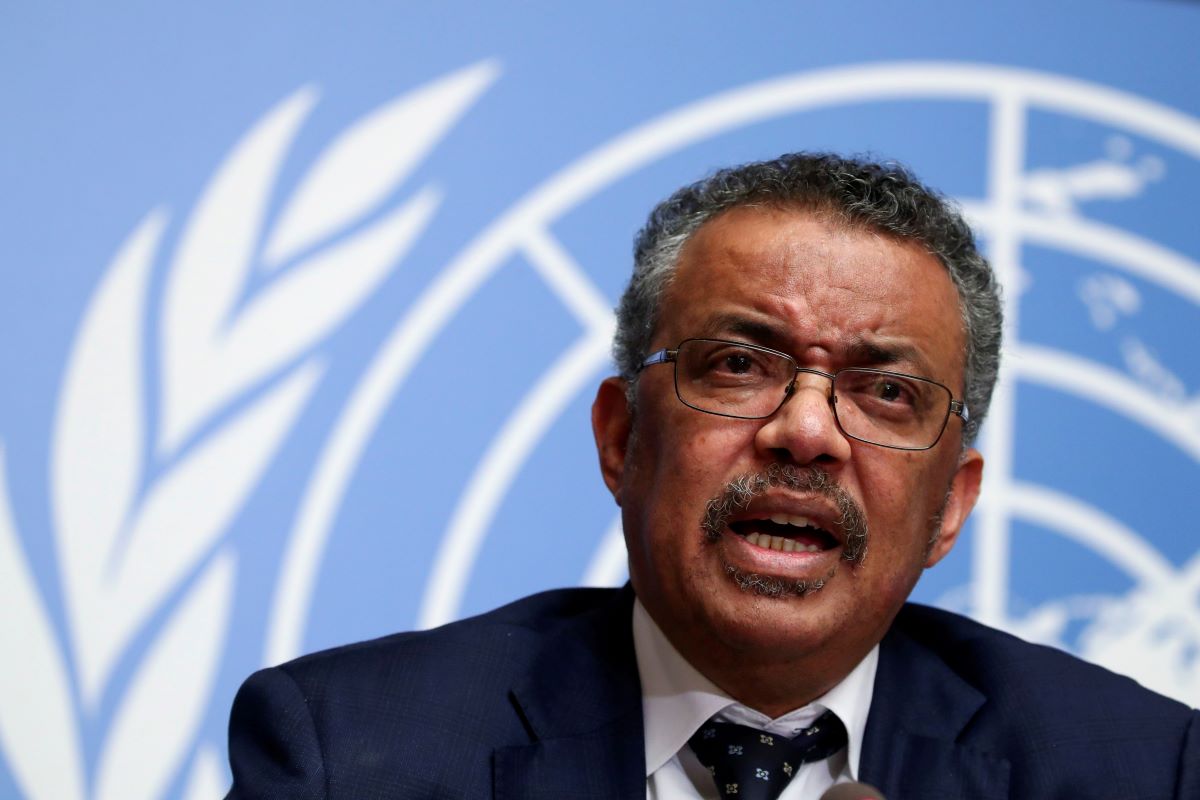
Xinhua reported that its Director-General Tedros Adhanom Ghebreyesus said active armed conflict, insecurity, and community resistance were hampering access to affected areas and limiting the effectiveness of response operations.
He warned that transmission continues to outpace response efforts despite significant gains in surveillance, treatment and research.
"Despite the progress we have made, the Ebola outbreak in DRC is continuing to outpace the response," Tedros said during a media briefing in Geneva, Switzerland, noting that a treatment centre in the Ituri province and the epicentre of the outbreak was attacked earlier this week.
According to the latest situation report released by the DRC health authorities on Thursday, the country had recorded 2,124 confirmed cases, including 828 deaths.
The outbreak caused by the Bundibugyo Ebola virus has now spread to five provinces: Ituri, North Kivu, South Kivu, Haut-Uele, and Tshopo.
Ituri accounts for nearly 90 per cent of all confirmed infections. A first confirmed case reported in the border health zone of Mahagi has heightened concerns over potential cross-border transmission into neighbouring Uganda, according to the report.
Tedros said Thursday marked two months since the DRC government officially declared the epidemic on May 15. During that period, the outbreak expanded from a localised cluster in northeastern DRC into the third-largest Ebola outbreak ever recorded.
"In the past month, it has expanded faster than any previous outbreak," he said.
Intense transmission in Ituri remains the greatest concern. More than 80 per cent of newly detected cases are not linked to known contact lists, indicating that significant transmission chains remain undetected.
Roughly two-thirds of deaths occur in communities before patients reach health facilities.
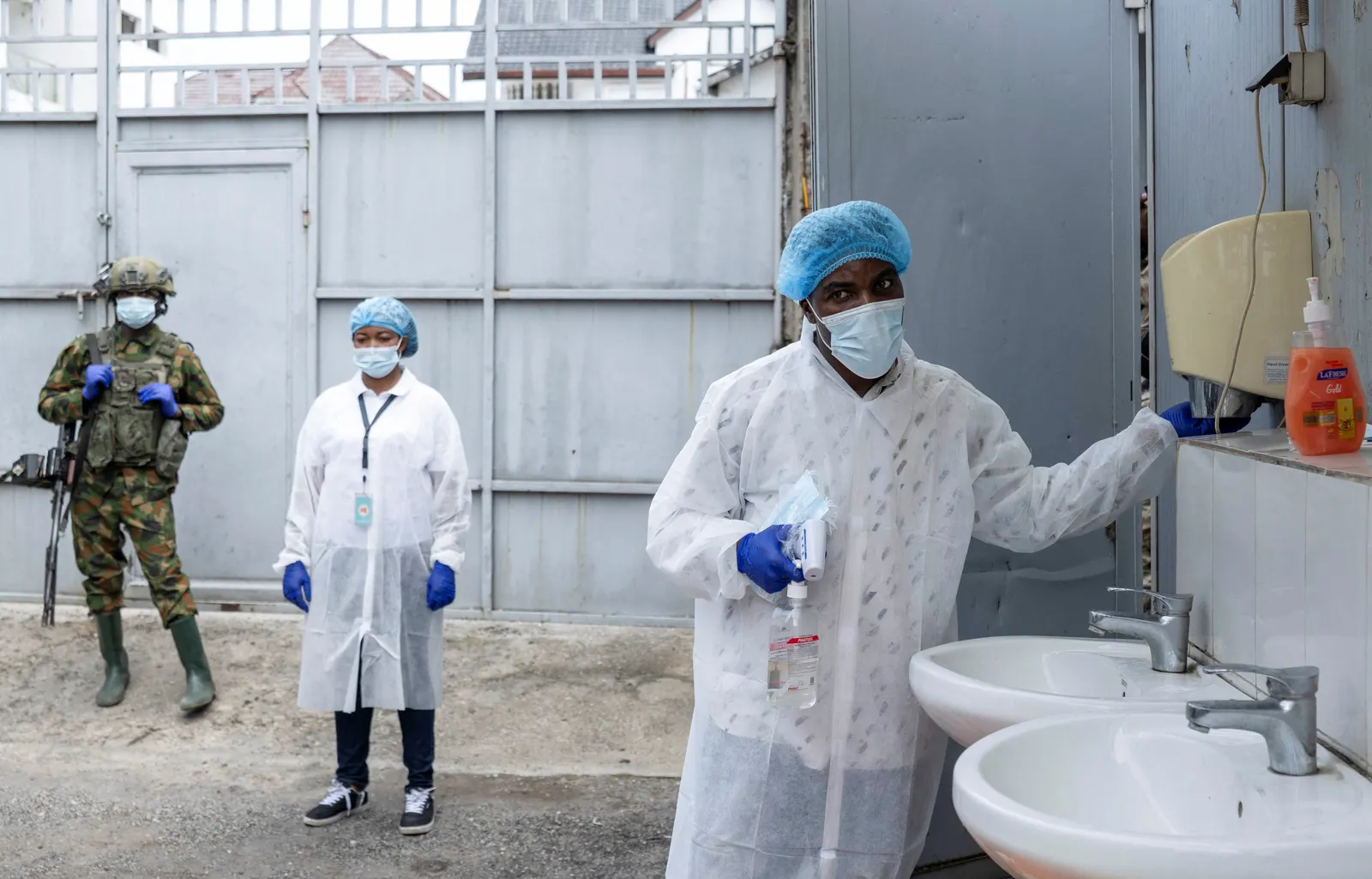
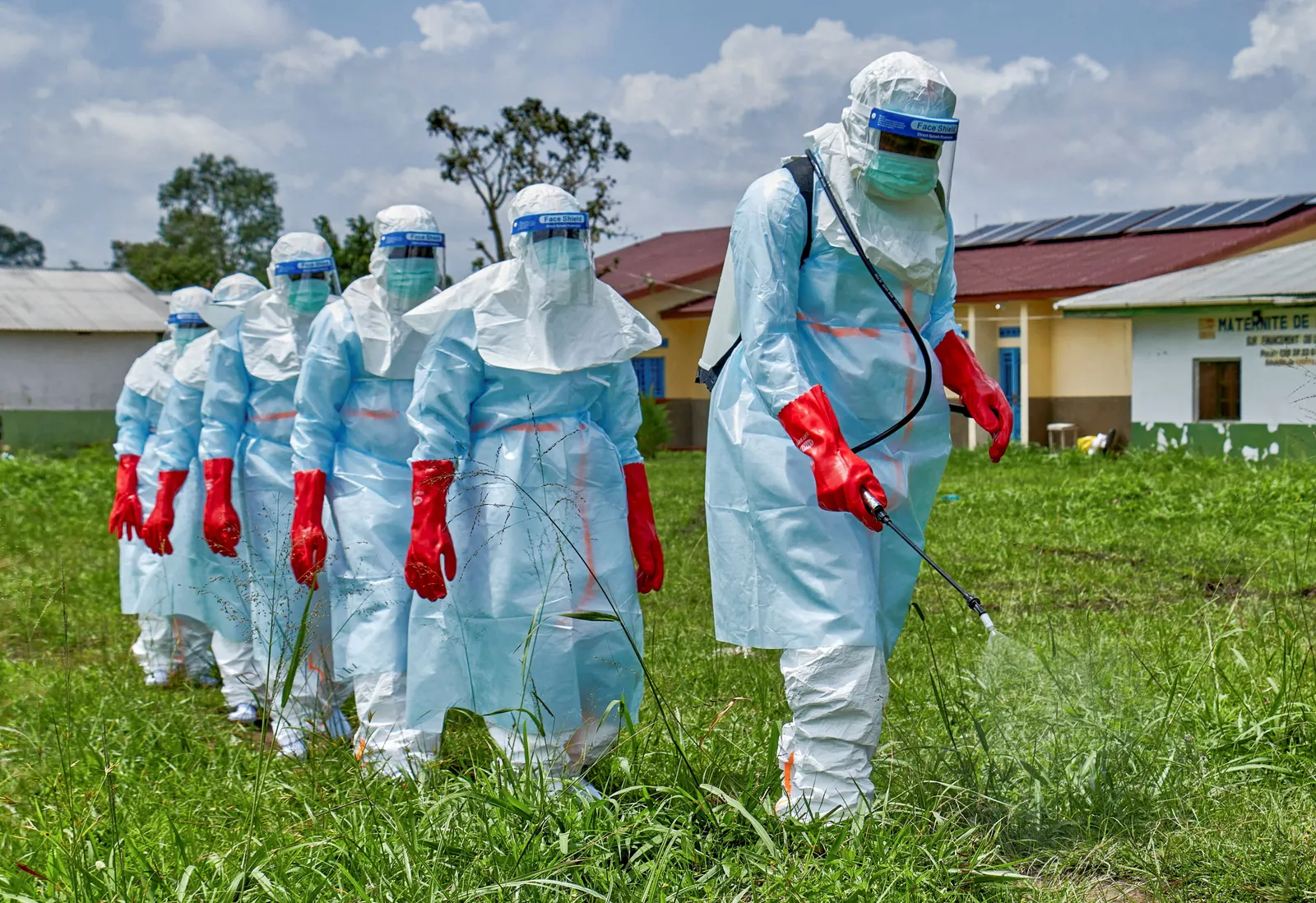
At the same time, response capacity has continued to expand. Treatment capacity now exceeds 800 beds, while laboratory infrastructure has grown from a single facility at the start of the outbreak to 16 laboratories across affected areas, according to the WHO.
The DRC situation report showed that 725 patients were in isolation or hospitalisation as of July 15, while 390 others have recovered. Overall bed occupancy stood at 85.6 per cent, although several treatment facilities in Ituri and North Kivu remained severely overcrowded.
A WHO-backed trial, PARTNERS, was launched in the DRC on July 2 to evaluate treatments for patients already infected, assessing the monoclonal antibody MBP134 and the antiviral remdesivir, individually and in combination.
Tedros noted that a vaccine candidate, developed by the University of Oxford, began on Monday, while a separate study led by the DRC's National Institute for Biomedical Research started Tuesday, testing the antiviral obeldesivir as post-exposure prophylaxis among high-risk contacts.
The WHO chief also appealed for additional international support, warning that the Joint WHO-Africa CDC Continental Preparedness and Response Plan still faces a funding shortfall of more than US$400 million (RM1.63 billion).
"This is not charity, it is an investment in national security," he said.
Meanwhile, Uganda's outbreak linked to cross-border transmission is nearing its conclusion. Its
last confirmed Ebola patient was discharged from care on Thursday, triggering the start of the 42-day countdown required before an outbreak can be officially declared over.
Uganda has recorded 20 confirmed cases, including two deaths, from the current event.
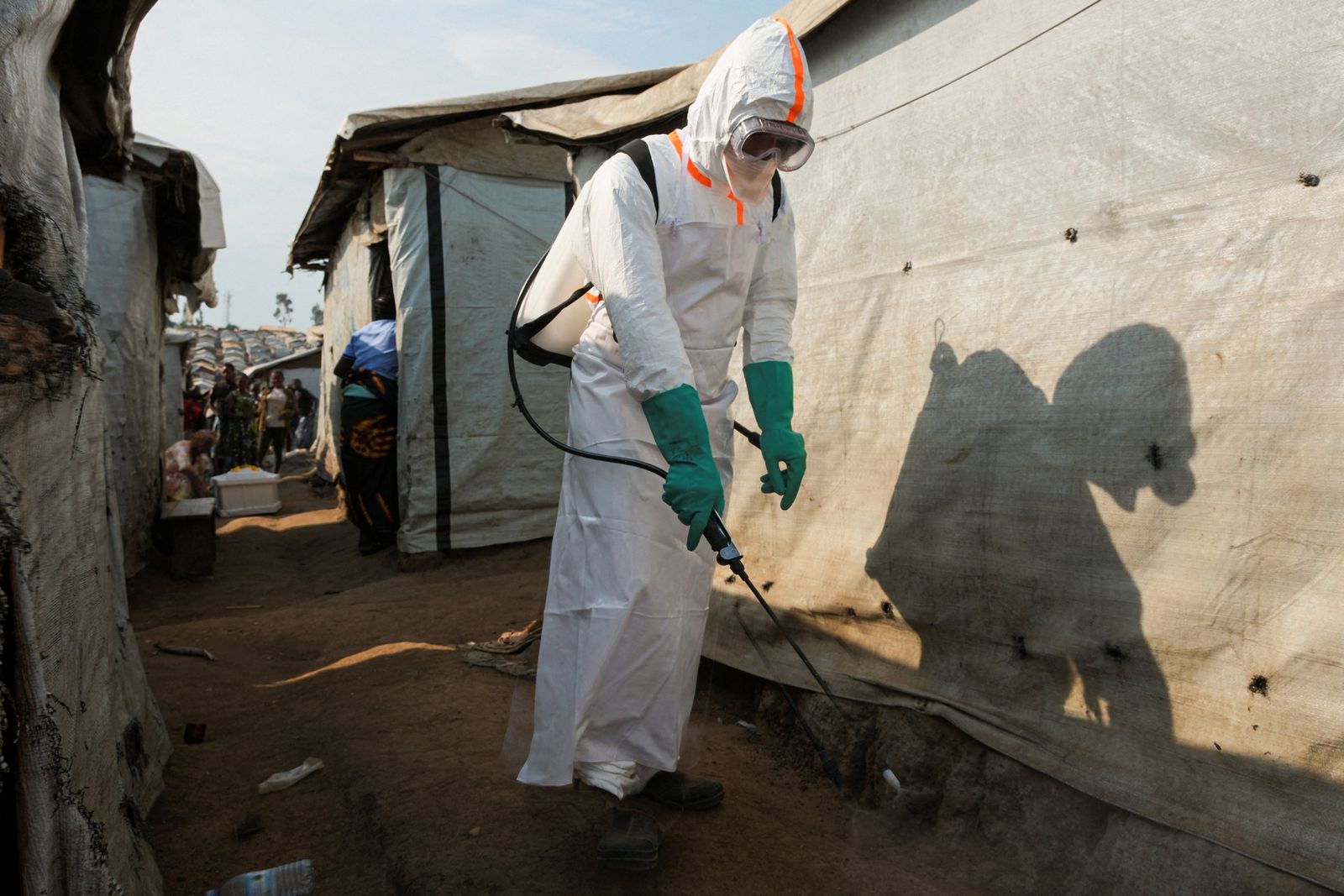
However, the DRC report said population movements, insecurity, artisanal mining activities, and cross-border exchanges with Uganda and South Sudan continued to facilitate transmission.