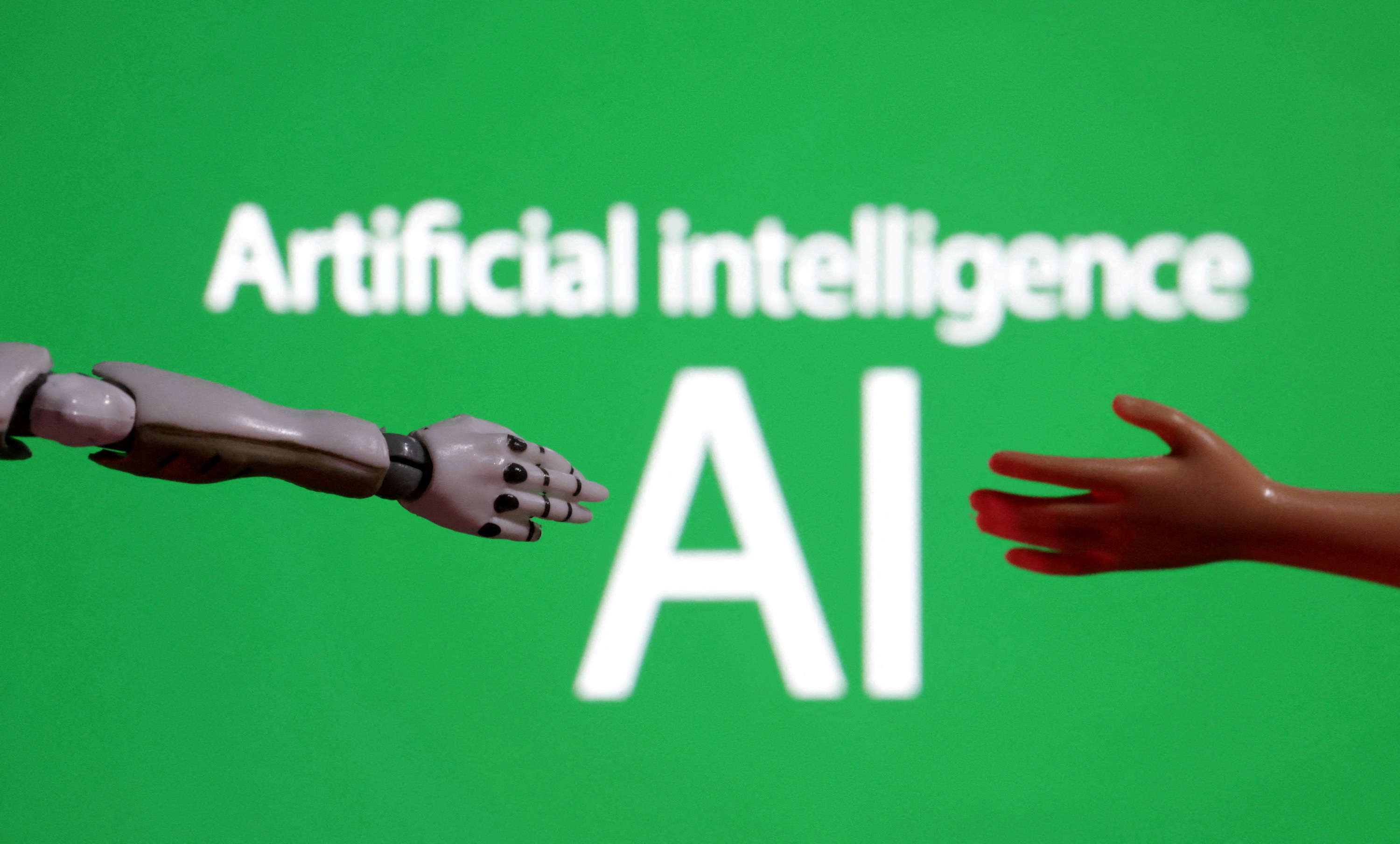
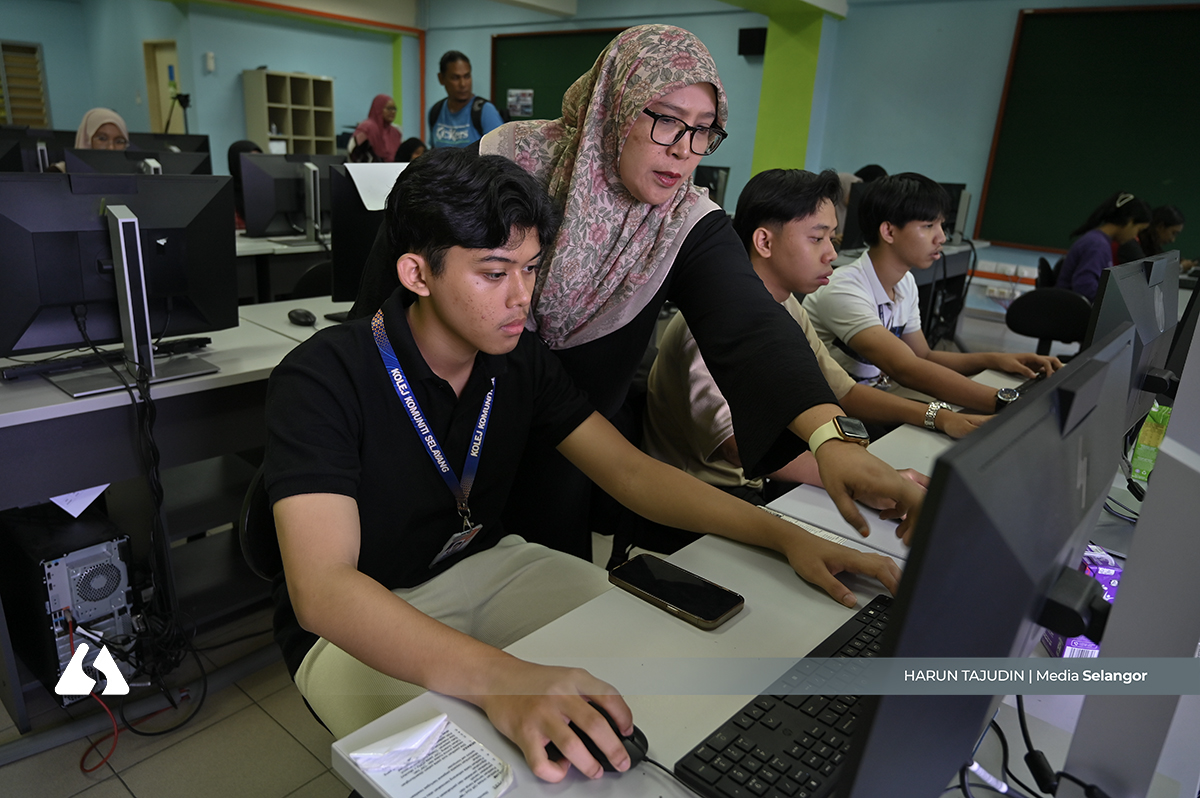
SHAH ALAM, July 17 — Workers who fail to adapt to artificial intelligence (AI) risk being replaced by those who master the technology, rather than by AI itself.
Selangor Technical Development Centre (STDC) chief executive officer Harizal Hamid said AI is expected to enhance workers’ capabilities, enabling them to take on more complex roles.
“Many sectors that rely on digital implementation will undergo transformation. It is not actually about being affected, but rather a transformation towards wider adoption of AI.
“Actually, AI does not replace current workers; these workers are simply being replaced by those who master AI. That is the narrative that we need to truly understand,” he told Media Selangor.
Harizal said that while the digital and information technology sectors are the most affected by the rapid pace of technological advancement, almost all industries are now involved in digital adoption.
“The most affected sector is definitely the digital sector, which involves the use of digitisation, but if we look at it today, which sector is not involved in digital implementation?” he said.

Harizal expects AI advancements to replace a significant number of jobs by 2035, while also creating new roles, such as AI agent managers who will oversee and regulate the technology.
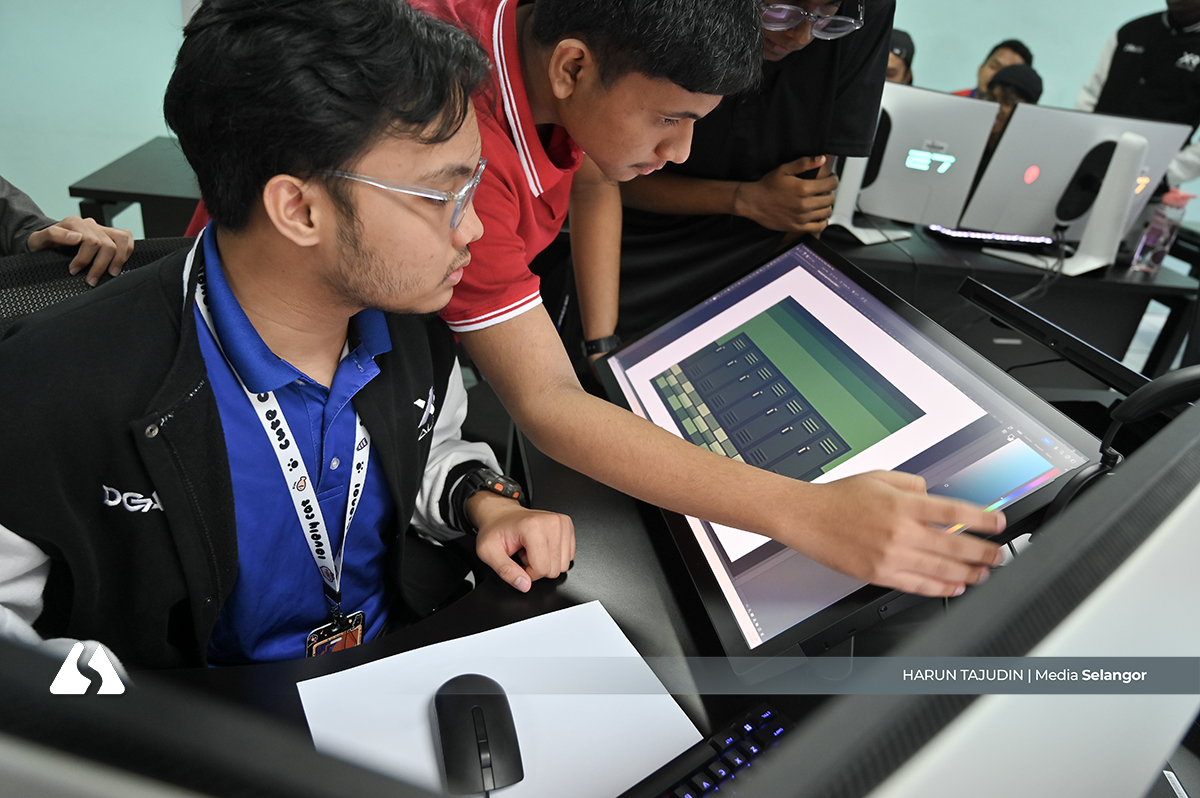
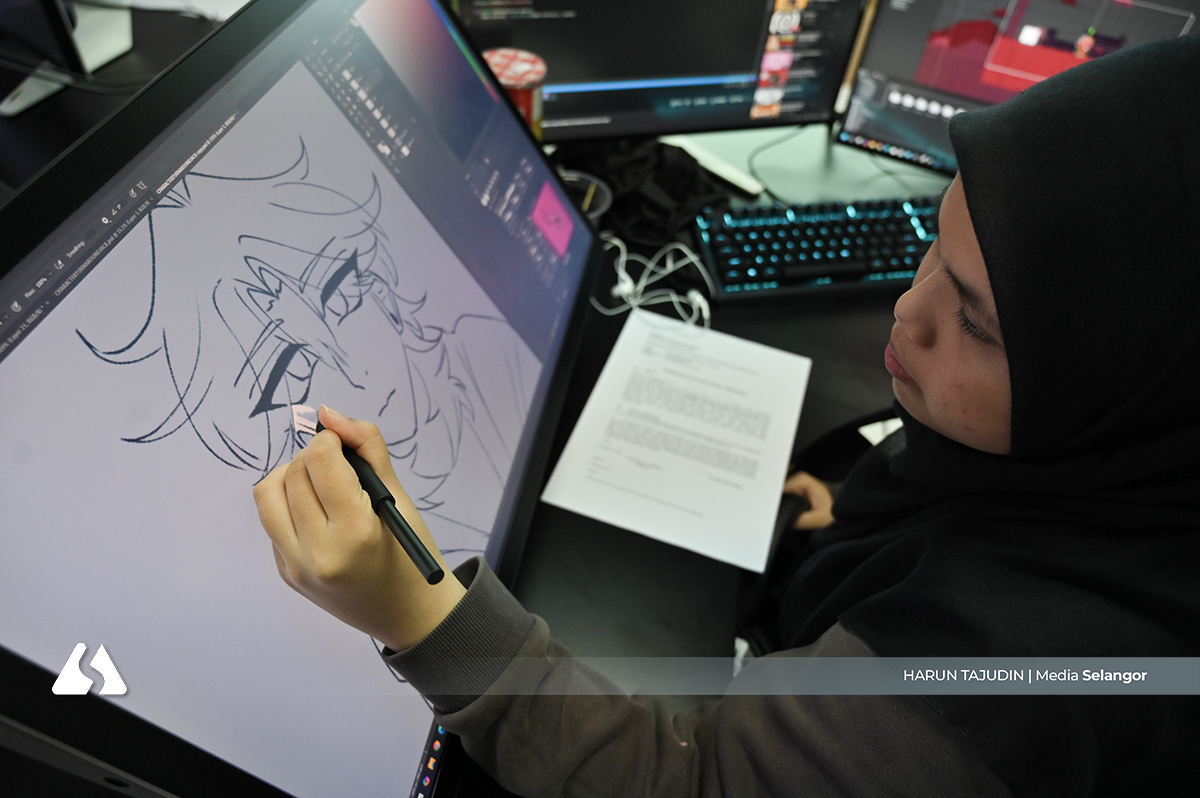
The former Universiti Selangor (UNISEL) lecturer advised younger generations to prepare themselves by acquiring new skills and knowledge, particularly in AI.
“We need more skilled workers who can master and control digital technology or AI itself. We are not losing jobs to AI, but we will lose jobs to those who are more proficient in AI.
“That is why education is one of our priorities, as digital literacy must be provided to society in a comprehensive manner.”
Harizal believes Malaysia has the potential to become a talent hub for AI development in Southeast Asia through policies that support technological innovation.
He also noted that the National AI Action Plan 2026–2030 is being actively developed and supported by large-scale infrastructure investments, AI governance frameworks and skills initiatives.
“We are free to innovate, create new platforms and opportunities. With what we are doing, it is not impossible for Malaysia to become dominant in producing talented AI architects,” he said.