
SHAH ALAM, July 13 — Crisis management courses and training should be made compulsory in all schools to ensure teachers are prepared to handle emergencies and are able to identify at-risk students at an early stage, according to the National Union of the Teaching Profession (NUTP).
Its secretary-general, Fouzi Singon, said the training should involve teachers, disciplinary teachers, guidance and counselling teachers, as well as the Student Affairs Unit (HEM), as they are at the forefront of managing students’ safety and welfare.
He said recent incidents of violence in schools had shown that crisis management training could no longer be taken lightly.
“I agree that such training should be provided. Teachers in Malaysia currently receive very little training in many areas because of cost constraints.
“Even when training is offered, most of it is conducted online, which is less effective. Issues such as these require practical training,” he told Media Selangor.

Fouzi said the training should focus on equipping teachers with the ability to identify at-risk students, manage conflicts and implement standard operating procedures (SOPs) during emergencies.
“When an incident occurs, teachers need to know what action should be taken in accordance with the SOPs. Likewise, students must be trained on how to respond in emergency situations,” he said.
He added that crisis management exercises should be conducted regularly, similar to fire drills, so that teachers and students are able to respond calmly during actual incidents.
“If a student suddenly brings a weapon into a classroom, I believe many people would panic. Students would rush to save themselves, and teachers might not know the most appropriate course of action at that moment.
“That is why crisis management training is so important. We need to anticipate potential risks and train everyone in the school community so that they know what to do,” he said.
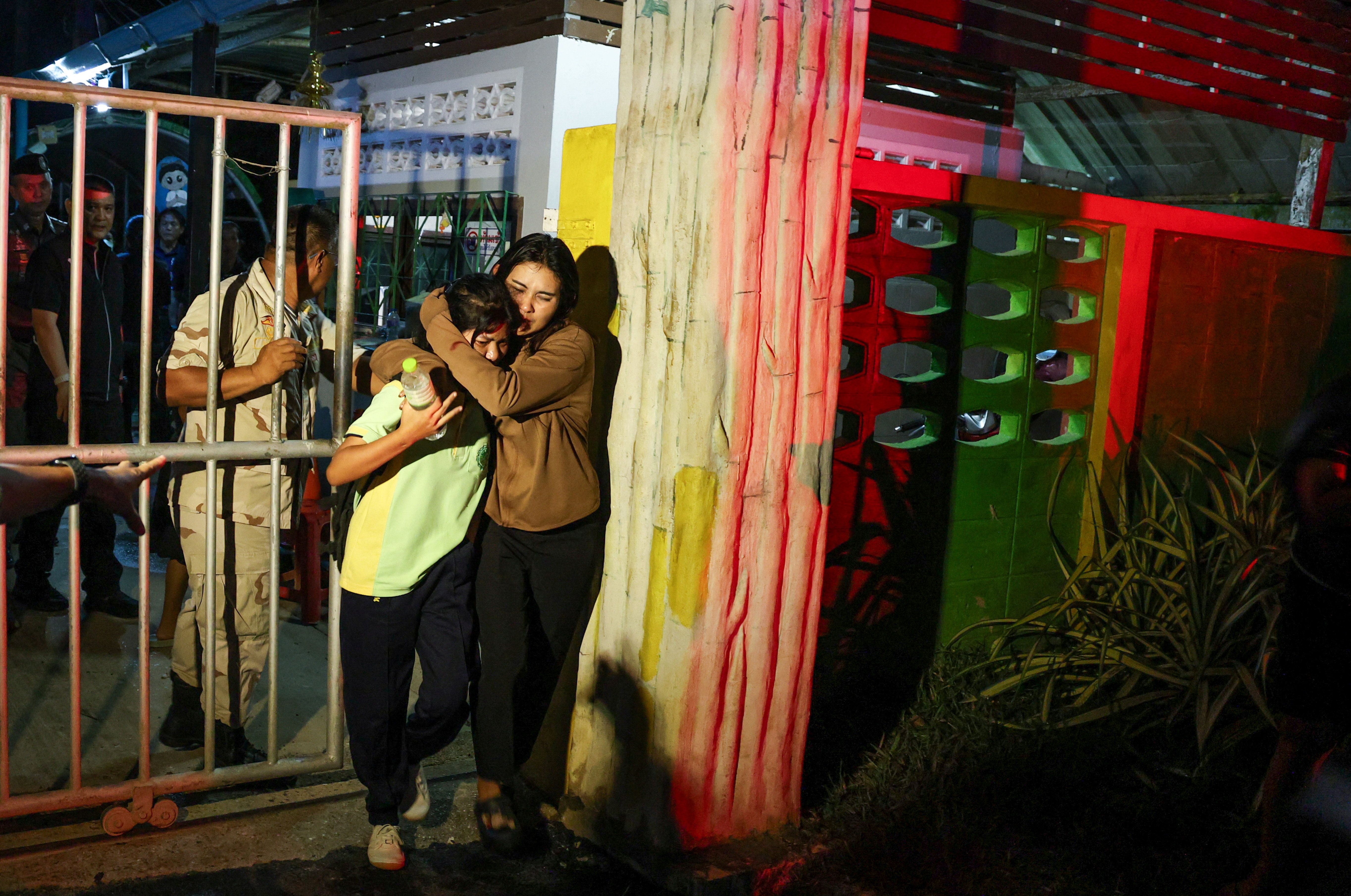
According to Fouzi, countries that frequently face disasters such as earthquakes and tsunamis conduct emergency drills regularly until they become part of the culture among students and teachers.
He said a similar approach should be adopted in Malaysia to improve schools’ preparedness for incidents that could threaten safety.
Focus on at-risk students
Fouzi also proposed strengthening monitoring of at-risk students through cooperation among all parties in schools, including teachers, security personnel and parents.
“Perhaps only two or three per cent of students in a school are categorised as high-risk, but they are the ones who require attention. Everyone must be aware and remain vigilant.
“If a student is suspended, all teachers, duty teachers, security guards and parents should know the suspension period so that immediate action can be taken if the student returns to the school compound,” he said.
He stressed that such measures were not intended to punish students, but rather to safeguard the well-being of the entire school community and prevent untoward incidents.
However, Fouzi said conducting spot checks every day was not a practical solution, as it would require the involvement of many teachers and could disrupt the smooth running of school sessions.
“In theory, it may sound easy to suggest daily inspections. But in practice, schools with between 3,000 and 4,000 students face major challenges.
“That is why training, preparedness and cooperation among all parties are more important to ensure schools are always ready for any eventuality,” he said.